Mastering the “Grandmacore” Aesthetic: Using Antique China for a Nostalgic Picnic
· Yogi
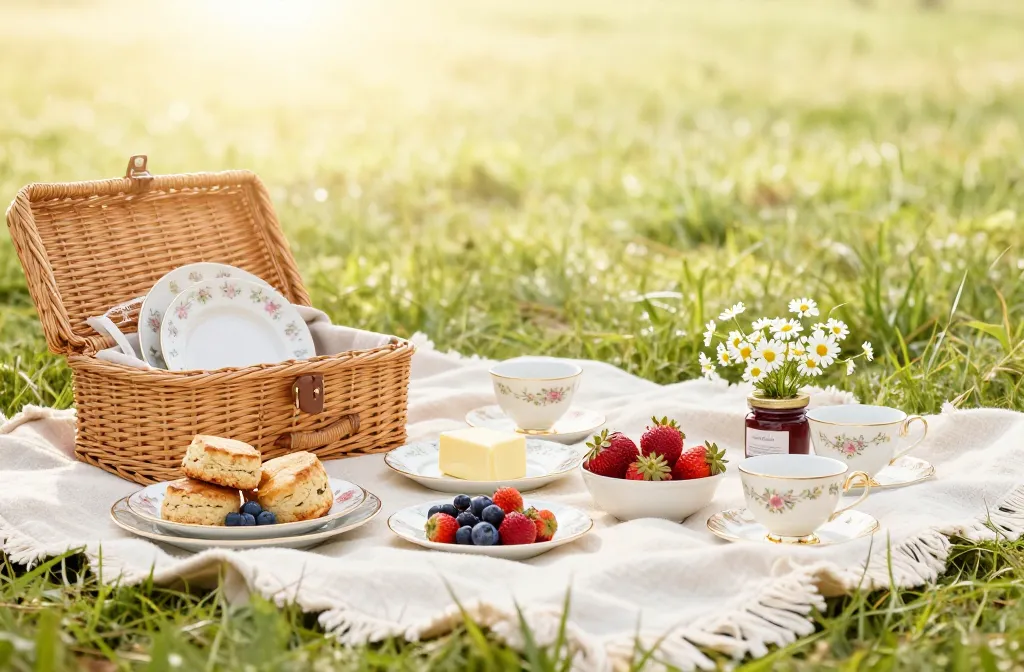
I grew up packing chipped saucers and a jam jar of daisies for park picnics, then graduated to my grandmother’s delicate china when I learned how to pack it safely. If you’ve eyed those floral plates at thrift stores and thought “pretty, but impractical,” I’ve been there. In this guide, I’ll show you how to choose, clean, pack, and style antique china so it survives a picnic and elevates everyday sandwiches into something special. By the end, you’ll know exactly what to buy, how to avoid cracks, and how to build a charming spread with items from a standard garden centre and hardware store.
Choosing China That Can Handle Grass, Baskets, And Real Food
Not all vintage china wants to leave the cabinet. I look for ironstone, hotel ware, or medium-weight bone china with no hairline cracks. Flip plates over and tap lightly near the rim; a clear ring means it’s sound, a dull thud signals a hidden fracture.
Skip plates with deep crazing if you plan to serve moist or hot foods. Those micro-cracks can harbor stains and odors. Prefer bread-and-butter plates (6–7 inches), salad plates (8–9 inches), and a few shallow bowls for berries or salad.
Gold trim and hand-painted details often survive gentle use. Avoid pieces with flaking gilt or raised enamel you can feel catching under a fingernail — those details rub off during packing and washing.
Action today: Take a teaspoon and tap-test three thrifted plates; buy the one that rings clear and shows no visible hairlines under bright light.
Cleaning Safely Before First Use
Old china needs a reset before meeting your food. I soak pieces in a sink of warm water with a small squeeze of mild dish soap for 10 minutes. Rinse with water that feels pleasantly warm to your wrist — not hot — to avoid thermal shock.
For tea stains, make a paste of baking soda and a few drops of water; rub gently with a soft cloth. Never use bleach or abrasive pads. If a plate smells musty, place it in open air for 24 hours or tuck it in a paper bag with dry coffee grounds overnight, then wash again.
Dry pieces upright in a rack with a soft towel underneath so rims don’t knock. Let them sit for another hour to fully air-dry before packing.
Action today: Mix a teaspoon of baking soda with water to paste and test-clean one stained saucer; if the stain lifts easily, your set is picnic-ready.
Packing To Prevent Chips And Handle Park Walks
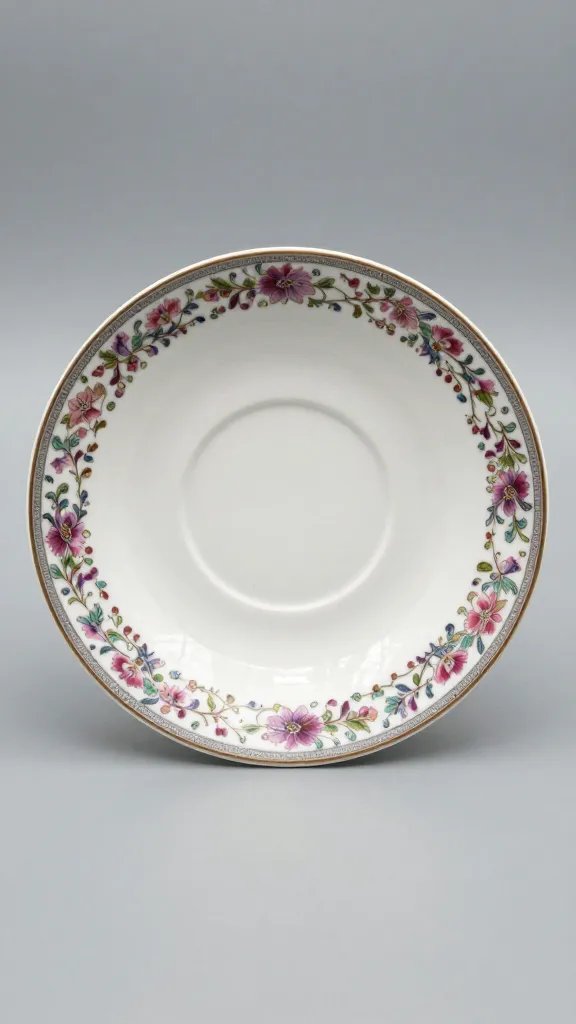
I pack like I’m moving house, but prettier. Line your basket or tote with a folded picnic blanket to create a padded “nest.” Slip each plate into a paper plate sleeve or a thin dish towel. Separate stacked plates with coffee filters or paper napkins — one between each.
Use a small shoebox or a lidded storage container for cups and bowls. Stand teacups upright with handles not touching, padded by rolled socks or cloth napkins. Place cutlery in a zip bag and tuck it along the side as a shock absorber.
Step-by-Step: Five-Minute Safe Stack
- Lay a bath towel flat; fold in half for double padding.
- Place a plate, add one coffee filter on top, then the next plate.
- Repeat for up to 6 plates; wrap the whole stack in the towel.
- Bind with two elastic bands or a scarf to keep it snug.
- Set this bundle at the bottom of your basket; add lighter items above.
Keep your basket upright in the car footwell. On foot, carry it level with two hands and avoid clinking by filling gaps with your napkins or an extra sweater.
Action today: Assemble a test stack of three plates with coffee filters and a towel; shake it gently — if you hear nothing, you’ve packed correctly.
Food That Flatters Antique Patterns And Travels Well
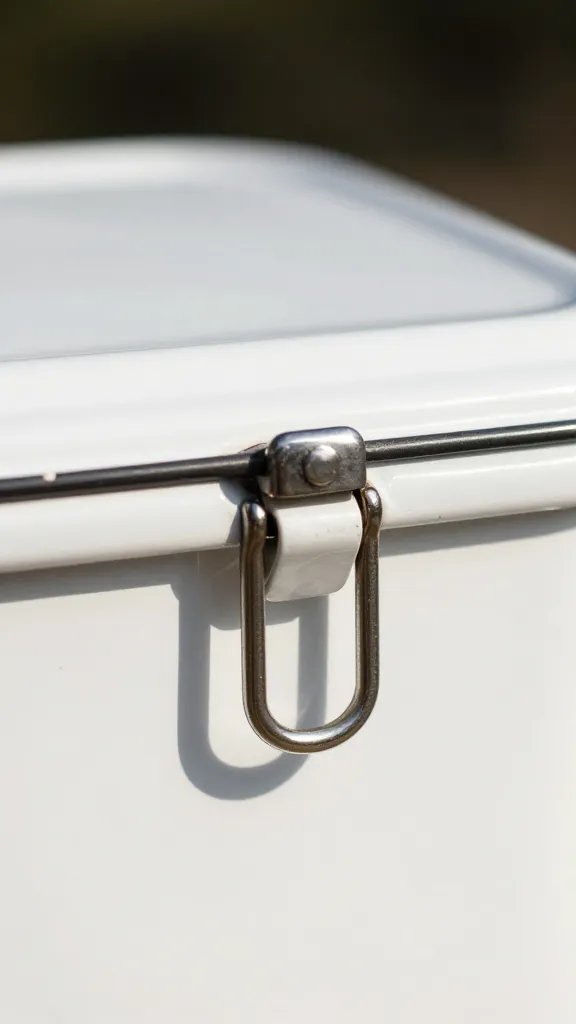
Grandmacore shines with simple, sturdy foods. I bring finger sandwiches (egg salad, cucumber with butter, ham and mustard), seeded scones, and hard cheeses with apples or grapes. Slip wet fillings into beeswax wraps or reusable containers and plate them only when seated.
Match plate size to food: salad plates for sandwiches, bread plates for scones, shallow bowls for berries. Use a small butter pat dish or saucer for jam to protect gilded rims from sticky drips.
Quick Menu That Packs In 10 Minutes
- Pre-sliced baguette, small wheel of brie, jar of chutney.
- Cherry tomatoes, olives, and cucumber slices in a lidded container.
- Shortbread cookies in a tin.
- Lemon slices for water or tea in a small jar.
Action today: Pick one “hero” item (a cheese or scones) and one fresh item (berries) to plate — stop there and keep the rest simple.
Styling The Spread With Garden-Centre Finds
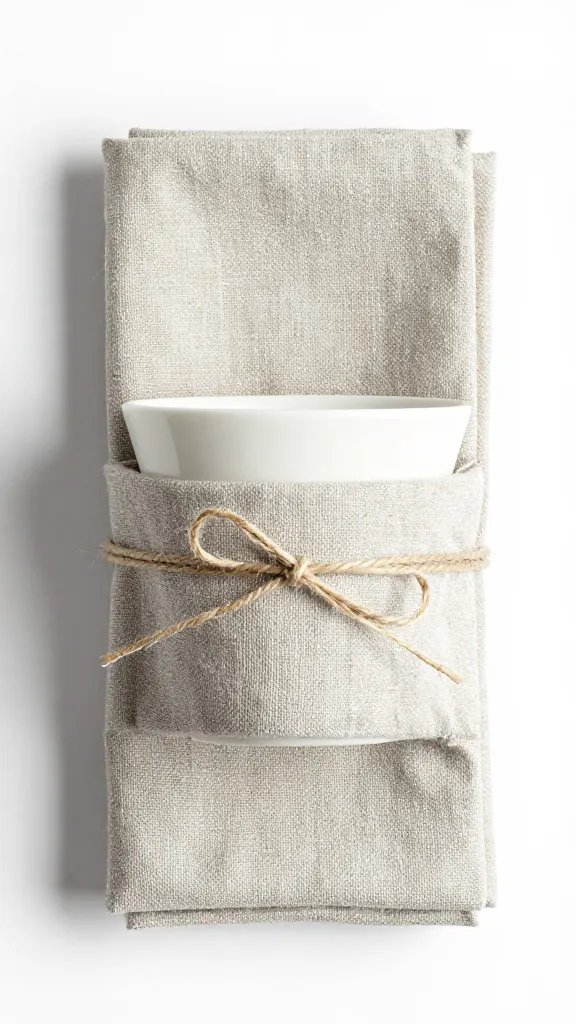
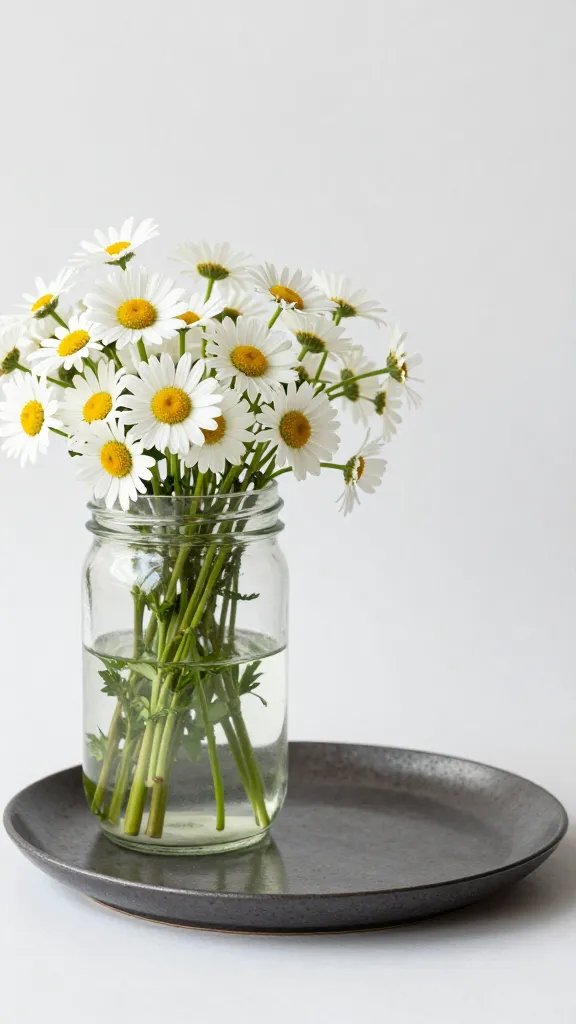
You don’t need props beyond your weekend errands. A neutral picnic blanket becomes your tablecloth. Add a handful of garden-centre flowers like spray roses, chamomile, or baby’s breath in a rinsed jam jar. Tie a ribbon or twine around the jar for instant charm.
Layer plates by pattern or color: florals on top, plain ironstone beneath. Use a wooden cutting board as a mini side table for cheese and a stable surface for pouring tea. Cloth napkins in pastel or gingham amplify the nostalgic look and double as packing pads.
If wind threatens, anchor napkins with cutlery or a small stone. Keep drinks in screw-top bottles or a thermos; pour into teacups once you’re settled.
Action today: Build a two-minute “centerpiece” by snipping three stems from a grocery bouquet and dropping them in a small jar — place it slightly off-center to avoid elbow collisions.
Safety And Care: Lead, Heat, And Washing Without Regrets
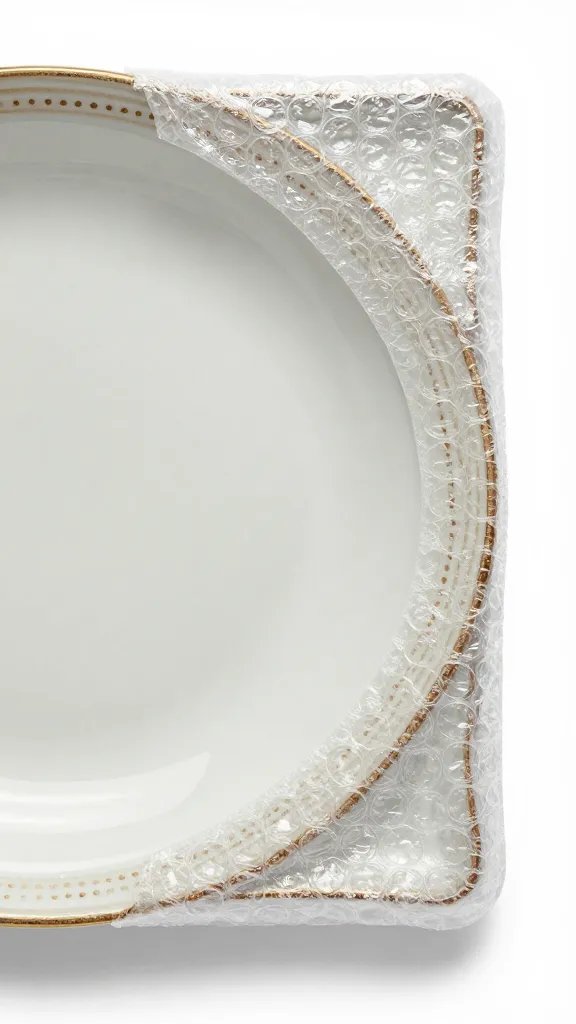
Old glazes can contain lead. I follow one simple rule: no prolonged contact with acidic or very hot foods. That means I avoid storing lemon slices or vinegar dressings on the plates, and I don’t pour boiling water directly into old cups.
Bring hot drinks in a thermos and let them sit for 2 minutes with the lid off before pouring into vintage cups. Keep cut fruit and pickles in containers, then serve onto plates just before eating. After the picnic, wash promptly with warm water and mild soap, then air-dry completely before storage.
Warning Signs To Retire A Piece
- Hairline cracks that reach the rim.
- Active crazing that darkens after washing.
- Flaking gilt or raised enamel coming off on cloth.
Action today: Pack a thermos and pour a test cup at home after a 2-minute cool-down; if the cup stays comfortable to the touch and you see no darkening in the glaze afterward, it’s safe for occasional picnic tea.
Making It Practical: Checklists And One-Bag Systems
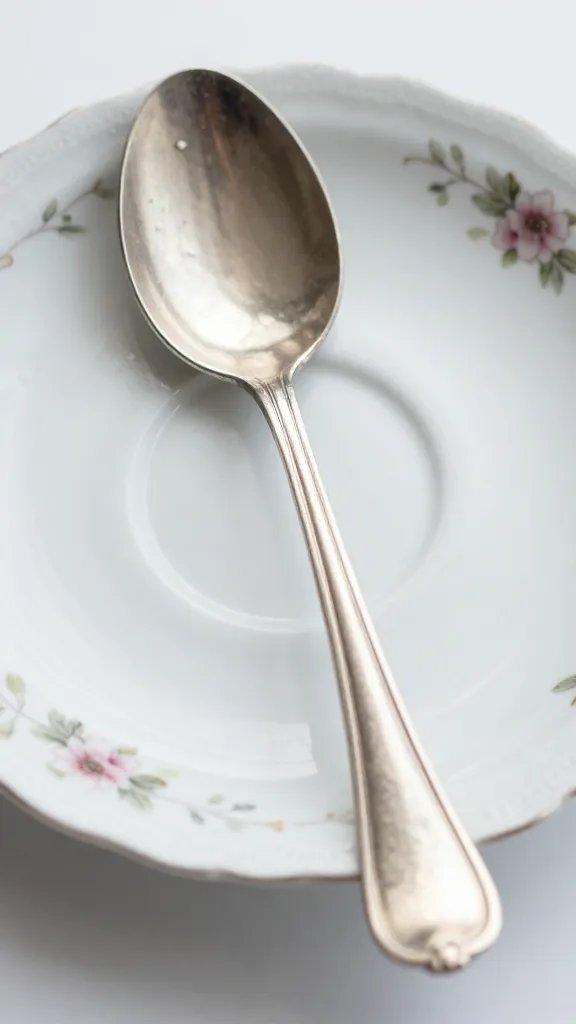
I keep a picnic-ready kit so I can leave in five minutes. In one tote: wrapped plate stack, two cups, two cloth napkins, a butter knife, paring knife with guard, cutting board, corkscrew if needed, wet wipes, and a small trash bag. I add food and a jar of flowers on the way out.
Store this kit near the door. When you return, wash everything and re-pack the non-food items immediately so you’re reset for next time. A consistent system protects the china and removes the decision fatigue that keeps picnics from happening.
Action today: Put a cutting board, two napkins, and one wrapped plate stack into a tote and hang it by the door — your baseline kit is ready.
Frequently Asked Questions
How do I test thrifted china for lead without special equipment?
Use lead-check swabs from a hardware store; they’re inexpensive and take under a minute. Follow the instructions, swabbing an inconspicuous glazed area and any worn spots. Even with a negative test, avoid prolonged contact with acidic foods and don’t store food on the plates. For peace of mind, treat antique china as serving-ware for brief use, not long-term storage.
Can I put antique plates in the dishwasher after a picnic?
No. The heat and detergent strip gilt and stress older glazes. Wash by hand with warm, not hot, water and mild dish soap. Use a soft cloth, rinse well, and air-dry on a towel-lined rack so rims don’t touch hard surfaces.
What’s the best way to carry tea or coffee for vintage cups?
Fill a thermos with water just off the boil and add tea bags or coffee separately. At the picnic, let the hot drink sit uncovered for 2 minutes, then pour into cups. This protects old glazes from sudden temperature shock and still serves a pleasantly hot drink. Keep spoons in a napkin to avoid clinking inside the cups.
How many pieces do I really need for two people?
Two salad plates, two bread plates, two cups, one shallow bowl, and one small dish for jam or olives. That covers sandwiches, a sweet, and something fresh without overpacking. Add a single serving board and two cloth napkins that double as padding. Keep everything under a single medium tote or basket.
What if the ground is uneven and my cups tip?
Use your cutting board as a stable tray. Place it on the flattest area of the blanket, then set cups and the jam jar on it. If the ground slopes, orient the board across the slope and wedge one edge with a folded napkin. This simple platform prevents spills and protects rims.
Conclusion

You don’t need a trunk full of props to pull off grandmacore — you need sound plates, gentle cleaning, tight packing, and a simple menu. Start with two plates and a thermos this weekend, then build your kit one thrifted find at a time. When your china survives the first grass picnic without a chip, you’ll know exactly how to keep the ritual going all season.
Leave a Reply