Discover Why “Village Kitchen” Ideas Are Booming for Outdoor Entertaining
· Yogi
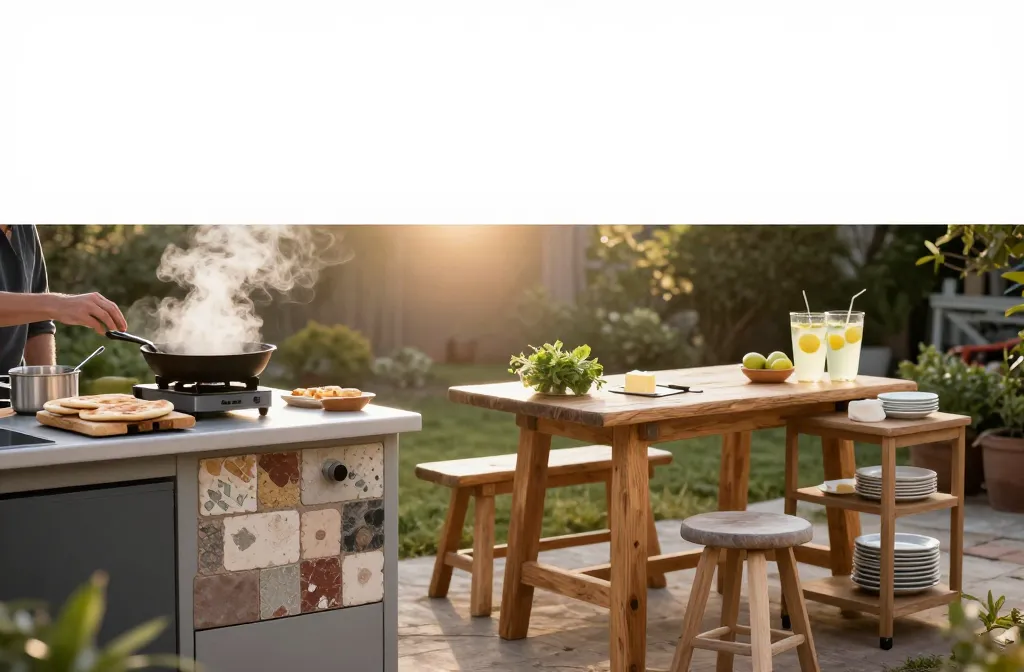
Last summer I cooked flatbreads on a salvaged paver, mixed herb butter on a folding table, and poured lemonade from a garden shelf. Friends stayed three hours longer than planned. That scrappy “village kitchen” worked better than my indoor one because everything we needed lived outside, within reach. In this guide I’ll show you why these setups are exploding in popularity, how to build one with basic materials, and the exact steps to keep it easy, safe, and welcoming.
What A “Village Kitchen” Really Means — And Why It Works
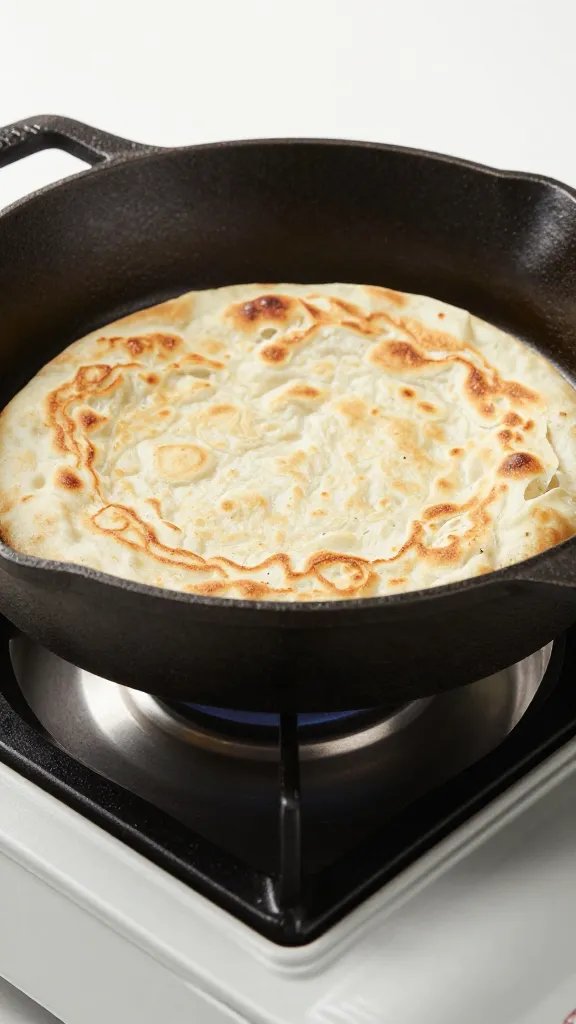
A village kitchen is a compact, outdoor prep-and-serve zone built from simple pieces: a sturdy surface, a heat source, and reachable storage. It borrows the feel of a communal market stall — practical, unfussy, social.
It works because it moves the bottlenecks outside. Instead of shuttling plates through a doorway, you prep, cook, and serve in one spot. Guests see, smell, and join in, which removes hosting stress.
Action today: Pick the flattest corner of your patio or balcony and claim it as your “kitchen” zone — 1.5 x 2 meters is enough to start.
The Core Layout: Heat, Prep, Serve, Seat
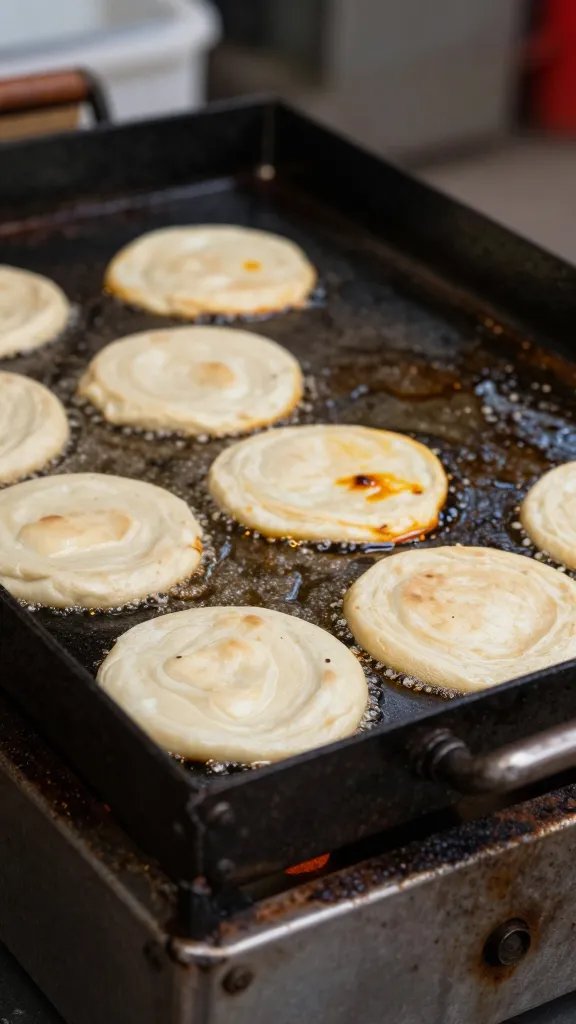
I always arrange from hottest to friendliest: heat source, prep surface, serving shelf, then seating. This flow keeps people away from open flames while pulling them toward food and conversation.
Give yourself a clear triangle: grill or portable burner, a waist‑high table, and a side shelf or cart. Leave one arm’s length between each point so two people can move without bumping.
Step-by-Step Setup
- Heat: Use a compact charcoal grill or a single-burner camping stove. Set it on pavers or a metal stand, never directly on wood.
- Prep: Place a folding table with a chopping board that fully covers the surface. Add a damp towel underneath to stop slipping.
- Serve: Use a basic metal or wooden utility cart for plates, condiments, and drinks.
- Seat: Position chairs 1.5 meters from the heat source, with backs to any wind so smoke blows away.
Takeaway: Lay down three objects in order — heat, table, cart — and stand between them; if you can reach all three without stepping, the layout works.
Safe, Solid Surfaces Without Fancy Gear
Level and non-flammable beats beautiful. I use concrete pavers from the hardware store as a movable hearth. For uneven yards, I shim with cardboard squares until a marble doesn’t roll.
Critical: Keep a 1-meter clear zone around open flame and a full spray bottle of water within reach. On balconies, stick to electric grills or a cast-iron grill pan over an induction plate.
Materials That Hold Up Outdoors
- Worktops: Sealed wood, stainless, or a plastic folding table with a full-size chopping board on top.
- Floor pads: Two rows of 30–40 cm pavers to park the grill and a hot pan “landing pad.”
- Wind control: A folding screen or two large planters to block gusts without trapping heat.
Action today: Place two pavers beside your grill as a dedicated hot-pan landing zone to prevent scorch marks and spills.
Herbs And Edibles That Earn Their Space
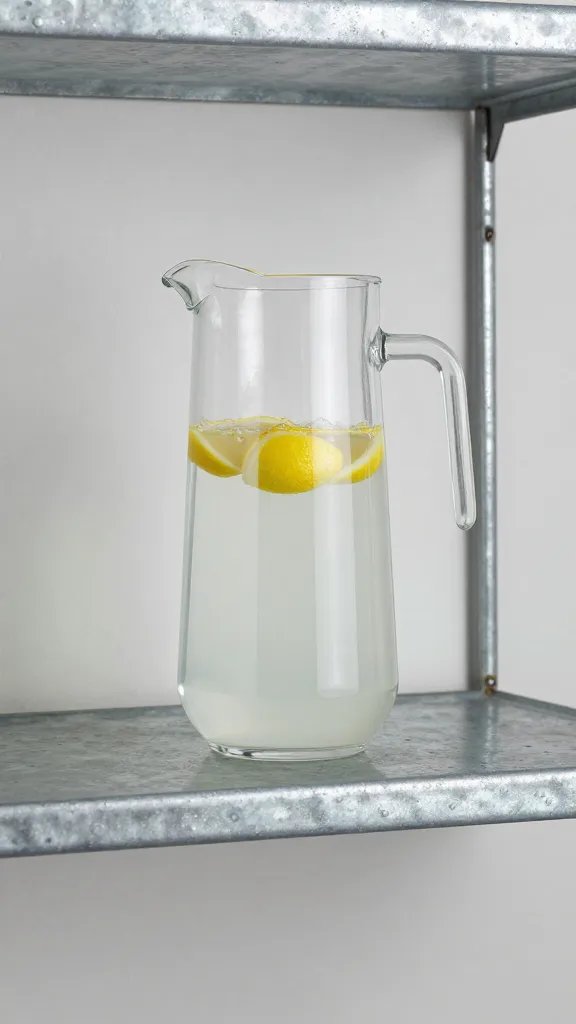
Village kitchens shine when herbs live right next to the prep board. You’ll use them because you can reach them in three seconds. I keep a trio within arm’s reach and replant every spring.
Plant List That Thrives In Pots
- Rosemary (upright varieties): Woody, drought-tolerant, perfect for skewers and marinades.
- Thyme or Lemon Thyme: Low, dense, snips cleanly, great on vegetables and chicken.
- Mint (in its own pot): Refreshes drinks; keep separate or it will invade other containers.
- Chives: Regrows after every haircut; sprinkle on grilled fish, eggs, and potatoes.
- Parsley (flat-leaf): Handles regular cutting; keeps sauces bright.
Zero-Fuss Care
- Use a good quality potting mix from the garden centre, not garden soil.
- Water deeply when the top knuckle of soil feels dry; aim for a thorough soak until water drips from the base.
- Feed once a month in the growing season with a balanced liquid fertilizer diluted to label directions.
Takeaway: Place one herb pot on your serving cart today — you’ll use it more because it’s visible at plating time.
Lighting And Heat For Evenings That Don’t Fizzle Out
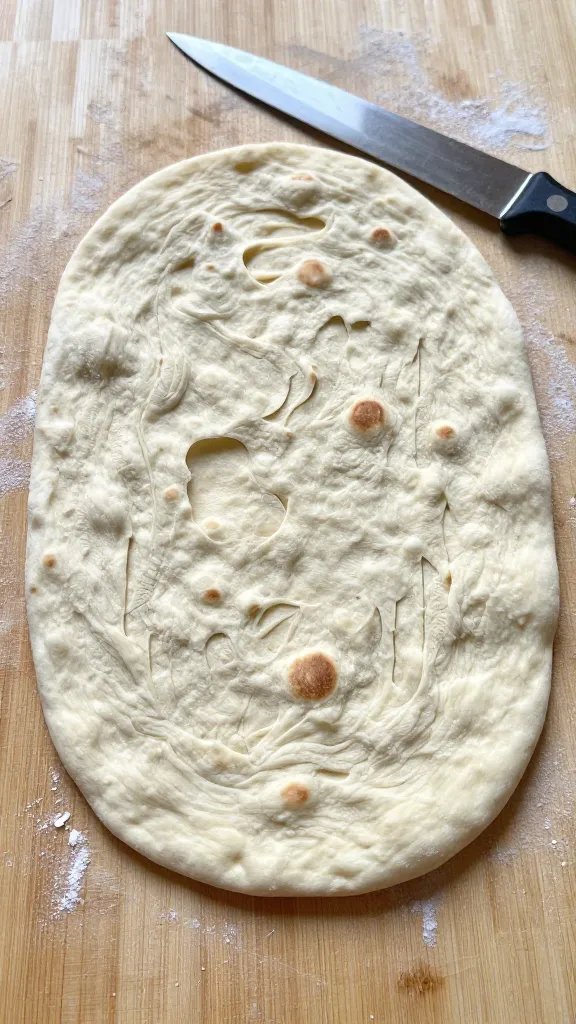
Good light keeps the party outside. I hang string lights along a single line above the prep table and add one bright task light clipped to a shelf for chopping after dusk.
For warmth, I skip big fire pits and use a small, approved patio heater or a heavy blanket basket. I group seats close enough that people share heat without hovering near the grill.
Warning Signs You Need Better Light
- You carry plates inside to “check doneness.”
- Guests cluster under the porch bulb instead of the table.
- Photos look yellow and dim, and you misplace tongs.
Action today: Clip a portable work light to your prep table and aim it at your board — one step that prevents undercooked food and nicks.
Menu Patterns That Reduce Trips Indoors

The right menu lives on one grill and one board. I plan meals where the same heat and timing work across components, like flatbreads plus skewers and a quick salad.
I pre-load a tray with oil, salt, pepper, a lemon, and one “hero” spice blend. That kit handles vegetables, meat, and bread without extra sauces.
One-Grill, One-Board Dinner Template
- Base: Flatbreads or halved baguettes brushed with oil.
- Protein: Skewers of chicken thighs or halloumi and peppers.
- Veg: Zucchini planks or asparagus tossed with thyme.
- Finish: Chopped herbs and lemon over everything on the board.
Takeaway: Build a small condiment caddy today — oil, salt, pepper, chili flakes, lemon — and keep it outside during service.
Storage That Survives Weather And Weekends
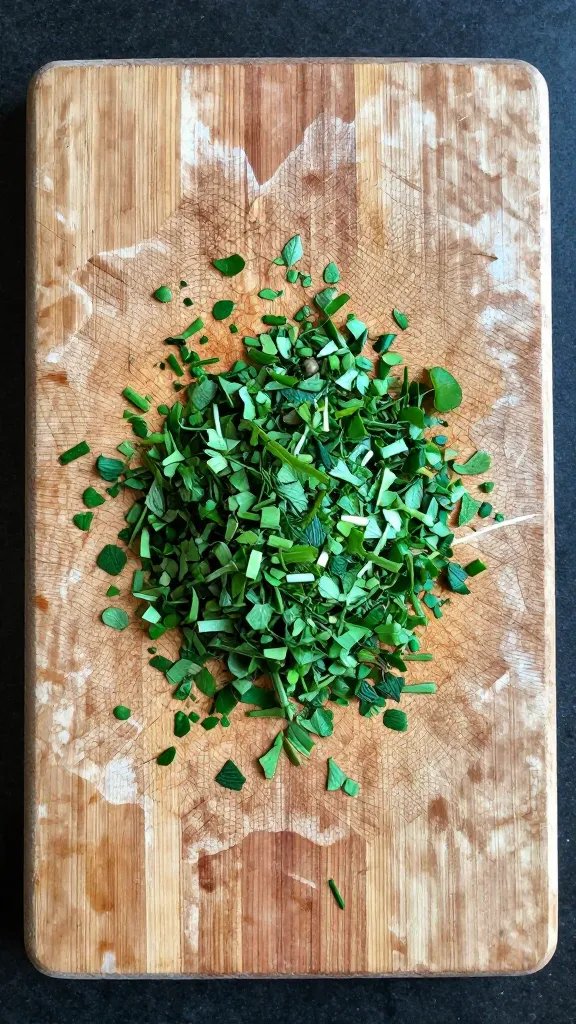
Outdoor clutter kills momentum. I store tools in a lidded plastic tote under the table: tongs, spatula, instant-read thermometer, lighter, and a roll of paper towels in a zip bag.
For plates and glasses, I use enamel or sturdy melamine stacked in a crate. They won’t shatter if someone bumps the cart.
Weekly Reset In 10 Minutes
- Wipe the table and cart with hot soapy water.
- Empty the ash or clean the grill grate with a stiff brush.
- Refill the caddy: oil, salt, pepper, new lemon, fresh towel.
- Water herb pots thoroughly and snip back straggly stems.
Action today: Dedicate one crate as your “go” box; after each use, restock it before you head inside.
Safety, Smoke, And Neighbor-Friendly Choices
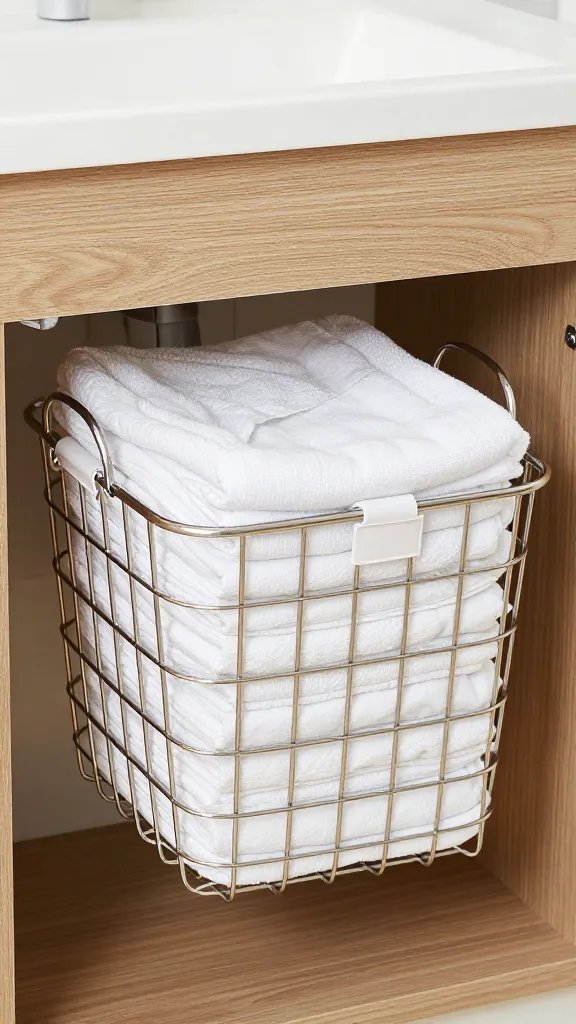
Good neighbors love good smells, not smoke clouds. I position the grill so wind carries smoke across open space, never into windows. If wind shifts, I rotate the grill 90 degrees or lower the vents to slow flare-ups.
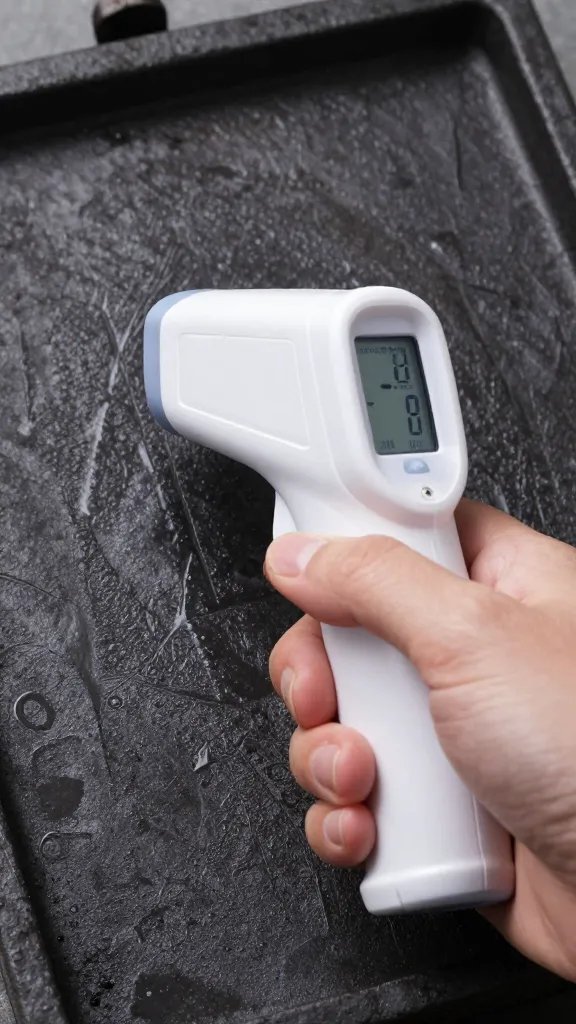
Important: Keep raw and cooked zones separate. One plate for raw, one for done, and a clean board for slicing. A cheap instant-read thermometer saves guesses — 75°C for chicken, 63°C for pork with a short rest, 57°C for medium beef.
Takeaway: Before lighting, check wind direction by tossing a pinch of herbs or a bit of grass; set your grill so smoke moves away from seating and doors.
Frequently Asked Questions
Can I build a village kitchen on a small balcony?
Yes. Use an electric grill or an induction hot plate with a cast-iron grill pan to stay within building rules. Choose a narrow folding table and a slim rolling cart that tucks under it. Keep one herb pot and a single crate of tools to avoid clutter.
What’s the cheapest way to create a safe grill base?
Lay down four concrete pavers from the hardware store to form a 60–80 cm square. Check level with a marble or coin; shim with cardboard until it doesn’t roll. Add two extra pavers as a hot-pan landing pad next to the grill.
How do I keep bugs away from the serving area?
Set a small fan on low near the serving cart; moving air disrupts flies and mosquitoes. Keep lids on bowls and use mesh food covers from the garden centre. Empty trash promptly and wipe sugary spills as soon as they happen.
What herbs handle weekend-only attention?
Rosemary, thyme, and chives tolerate irregular watering better than basil or coriander. Plant them in medium pots with good quality potting mix and mulch the surface with a thin layer of small stones to slow evaporation. Water deeply once or twice a week in summer.
How do I light the space without wiring?
Use plug-in string lights on an outdoor-rated extension cord and a clip-on work light for the prep area. Route the cord along a wall and secure it with outdoor cable clips to prevent tripping. Add two solar stake lights to mark steps or edges.
What if smoke keeps blowing into my kitchen door?
Rotate the grill 90 degrees and move it at least 2 meters from the door. Lower the grill vents slightly to cool flare-ups, and trim excess fat from meats to reduce dripping. If smoke persists, cook searing items first, then finish thicker cuts wrapped in foil on indirect heat.
Conclusion
You don’t need a built-in pizza oven or a designer island to host well outside. Claim a small zone, anchor it with heat, a steady table, and a serving cart, then add one or two herb pots within reach. If you take one step today, lay down pavers for a safe grill base — that anchor turns any corner into a village kitchen ready for your next evening with friends.
Leave a Reply