Viral Guide to 5 “Eco-Friendly” Picnic Practices That Actually Look Aesthetic
· Yogi
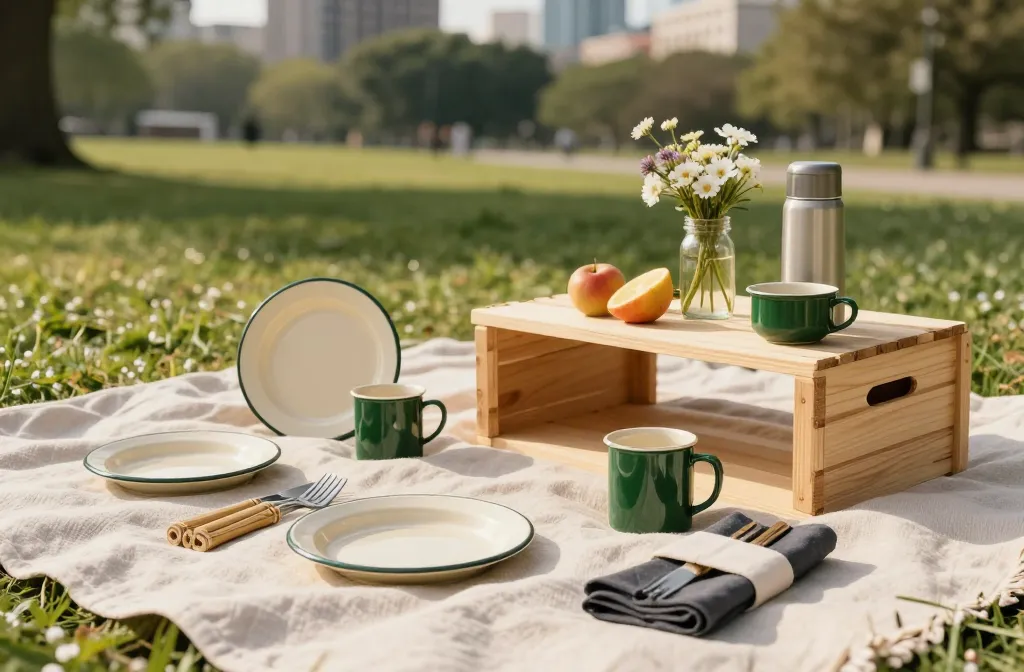
My first “green” picnic looked like a camping resupply — bulk jars, mismatched containers, and a trash bag that filled anyway. Friends wanted to help, but nothing had a place, so compostables mixed with recyclables and the vibe slipped. I’ve since hosted picnics that stay light on waste and actually look pulled-together in photos. Here’s exactly what works, why it matters, and how to set it up with things you can grab at a garden centre or hardware store.
Replace Disposable Tableware With a Coordinated Reusable Kit

I stopped chasing “compostable” forks that crack and switched to a small, durable kit that lives in a tote. It looks intentional, feels better in hand, and I never scramble last-minute again. Choose neutral colors so everything mixes across seasons.
Pack this once and stop thinking about it:
- Enamel or bamboo-fibre plates (8–10 inch) — 1 per guest plus 2 extras.
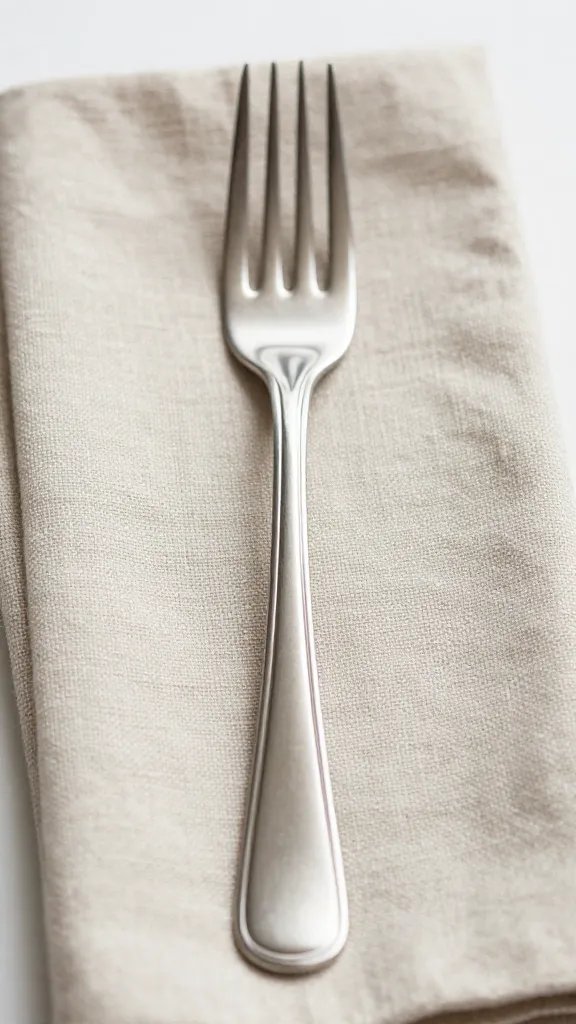
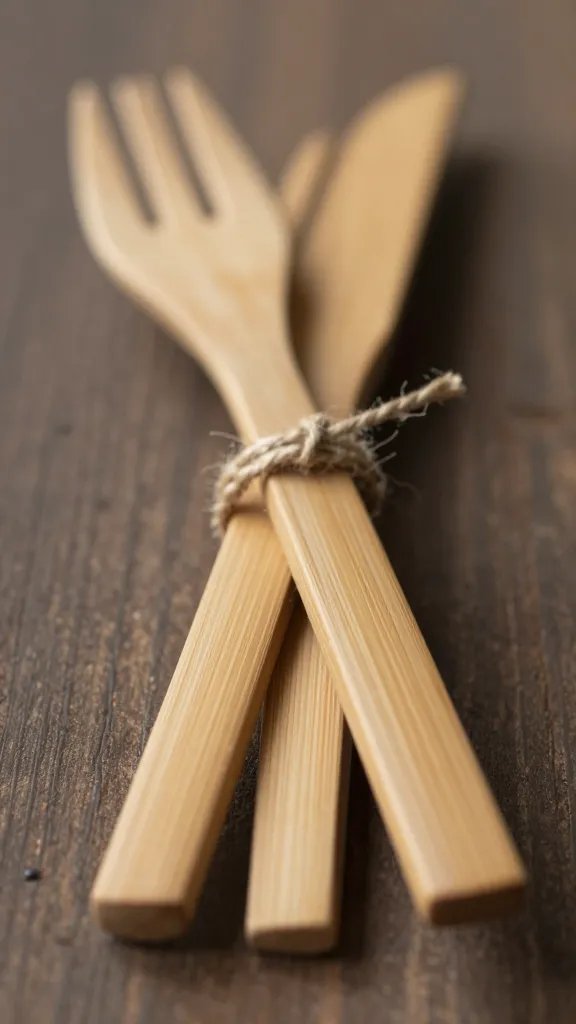
- Stainless or bamboo cutlery in a roll-up utensil wrap — keeps things clean.
- Lightweight enamel mugs — stackable, won’t shatter, work for hot or cold.
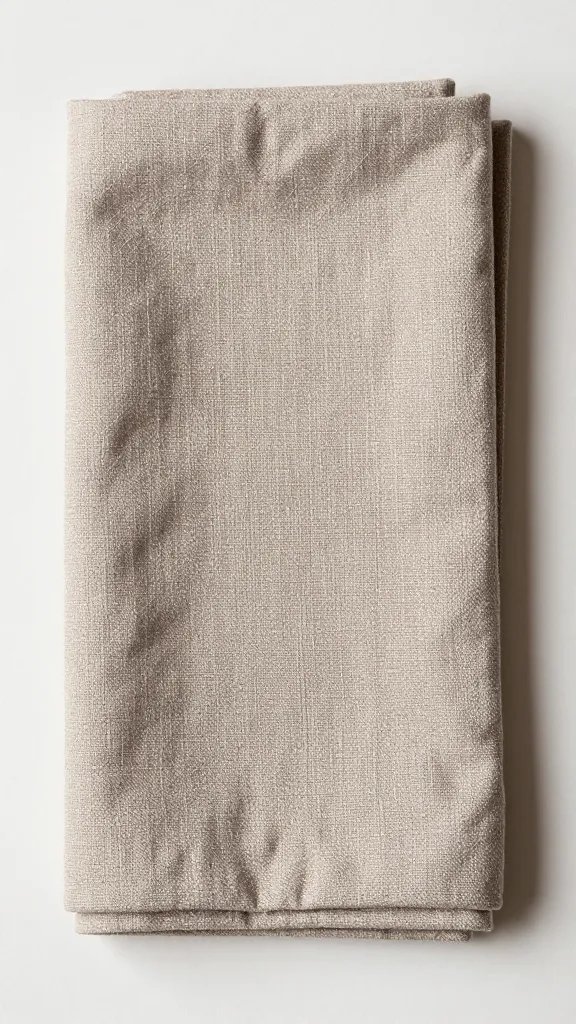
- Cotton napkins (darker tones hide stains) — 2 per guest.
- Foldable crate or wooden wine box — looks tidy and doubles as a side table.
Action today: Build one reusable place setting for two people with items you already own, stash it in a dedicated tote, and commit to bringing it to your next picnic.
Use a Two-Bin System That Guests Actually Follow
Wishful recycling never works at a park. I use two compact, attractive bins that make choices obvious at a glance. Labels in plain language beat tiny recycling symbols every time.
Simple Setup That Works
- Bin A: “Clean & Dry Recyclables” — rinsed cans, clean bottles with caps on. Use a canvas tote lined with a clear bag so people see what belongs.
- Bin B: “Everything Else” — food scraps and contaminated items. If your city accepts green waste, swap Bin B for a lidded compost caddy with compostable liners.
- Clip index-card labels to each bin with clothespins. Add 3–4 example items to each label.
Action today: Pack two collapsible totes and two clothespins; pre-label them before you leave so sorting starts immediately.
Choose Menu Items That Travel Well and Skip Single-Use Packaging
Pretty spreads collapse fast if everything leaks or needs cling film. I cook and pack in formats that seal cleanly, stack, and plate beautifully without extra trash.
Low-Waste, High-Style Menu Picks
- Jar salads (dressing on the bottom, hearty veg in the middle, greens on top) in wide-mouth jars. Flip to serve into bowls or eat straight from the jar.
- Focaccia sandwiches wrapped in beeswax wraps — they hold shape, unwrap neatly, and look artisanal on a board.
- Stone fruit and grapes — no peels or cores to manage; serve in a shallow wooden tray.
- Pre-sliced hard cheeses with crackers in a tin lunchbox — no plastic sleeves at the park.
- Infused water (citrus + mint) in a glass swing-top bottle — refilled from the tap before you go.
Action today: Swap cling film for one beeswax wrap and one lidded container the next time you pack lunch; use the same setup for your picnic.
Build a Ground Setup That’s Comfortable and Washable
Most waste comes from fixing discomfort on the fly — extra paper towels, emergency blankets, plastic bags. I bring a washable base that looks styled and keeps people off damp grass.
Layered Layout That Photographs Well
- Bottom: A waterproof-backed picnic blanket or a cheap painter’s drop cloth as a moisture barrier.
- Middle: A cotton or linen throw for texture and color.
- Top: Two floor cushions or folded yoga mats inside pillowcases for seating.
- Stability: A wooden serving board becomes a mini table for drinks and keeps cups upright.
Action today: Keep a folded drop cloth and a neutral throw by your door; you’ll stop grabbing disposable tablecloths forever.
Plan a No-Trace Clean-Up That Takes Five Minutes
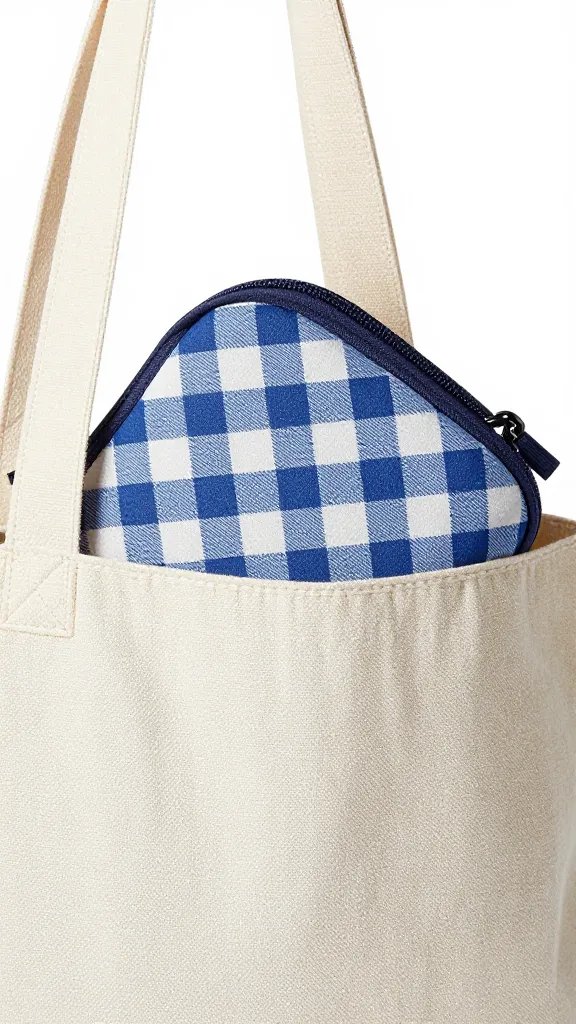
When clean-up is automatic, nothing gets left behind. I treat it like resetting a campsite: fast system, same order every time, everything has a home.
Five-Minute Reset Routine
- Scrape plates into the compost caddy or “Everything Else” bin using a spare napkin.
- Nest plates and cups directly into the crate; no rinsing required on-site.
- Seal recyclables by twisting and tucking the liner; put it on top of the crate so it’s the first stop at home.
- Shake crumbs off the top throw away from pathways; roll the drop cloth last to trap debris.
- Final sweep with a handheld brush and dustpan from the hardware store — it looks neat and you won’t leave bottle caps behind.
Action today: Add a compact brush and dustpan to your picnic tote; it prevents 90% of lingering litter.
Frequently Asked Questions
Are “compostable” plates and cutlery actually eco-friendly for picnics?
Only if your city collects food waste and sends it to an industrial composter. Most picnic sites don’t have that stream, so compostables end up in landfill where they behave like regular trash. Reusables you already own beat “green” disposables every time. If you need a backup, choose uncoated paper plates and wooden forks and bring them home to compost.
How do I carry everything without a car?
Use one backpack and one shoulder tote. Put heavy items (bottles, boards) in the backpack and soft goods (blankets, cushions) in the tote. A foldable crate rides empty to the park and returns full of dirties. Keep total weight under 10–12 kg; remove one bottle or one board if you exceed that.
What if the park doesn’t have recycling bins?
Plan to pack it out. Use your labeled two-bin system and keep recyclables clean and capped so they don’t leak. When you get home, rinse anything questionable and sort into your curbside bins. If you only have room for one bag, prioritize taking cans and bottles home; they have the highest recovery rates.
How do I keep drinks cold without disposable ice packs?
Freeze two reusable water bottles the night before and use them as chill packs. They keep a soft cooler cold for 3–4 hours and become drinking water as they thaw. For a larger group, freeze grapes in a container and use them as edible “ice.” Avoid loose cubes — they melt fast and create soggy packaging.
What’s the easiest aesthetic color scheme that hides stains?
Stick to earthy neutrals: olive, terracotta, charcoal, and unbleached linen. Dark cotton napkins conceal wine and berry marks and wash clean at 40°C. Enamelware in white with a dark rim looks classic with any blanket. Choose one accent color (mustard or rust) for flowers or a stripe to tie everything together.
How do I handle leftovers without plastic bags?
Pack two nesting, lidded containers and one beeswax wrap. Load the containers first, then wrap any odd shapes or bread. Bring a single clip-top glass jar for dressings or dips. If space is tight, stash a few silicone zip bags; they seal well and wash clean in the sink.
Conclusion

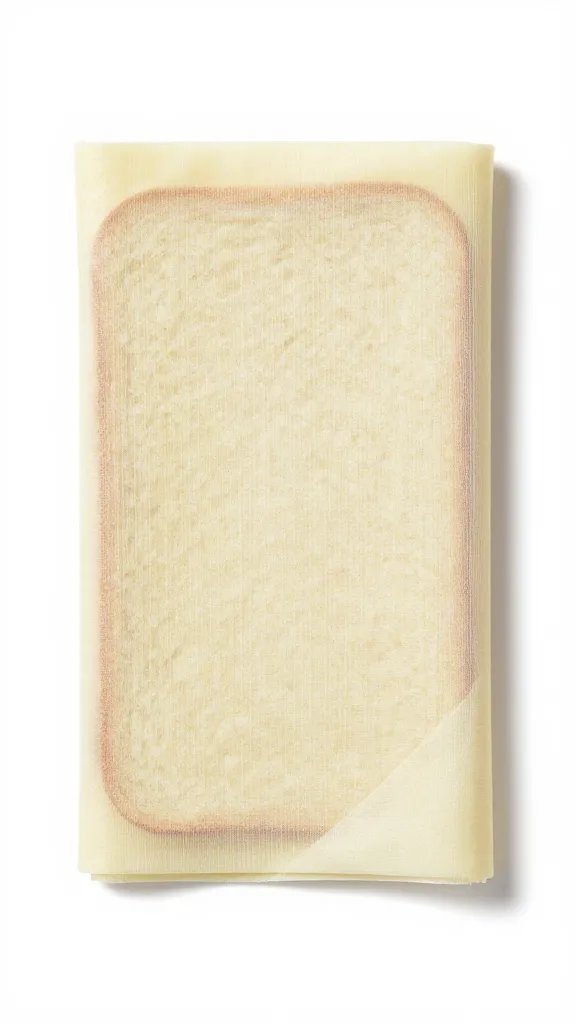
You don’t need specialty gear or a zero-waste lecture to host a beautiful, low-impact picnic. Build a small, reusable kit once, label two bins, and choose travel-proof food that looks good the second you open it. Start with the action that feels easiest today — swap cling film for one beeswax wrap — and your next picnic will be cleaner, calmer, and better-looking without any extra work.
Leave a Reply