Viral “Dark Cottagecore” Kitchen Staples That Travel Well for Picnics
· Yogi
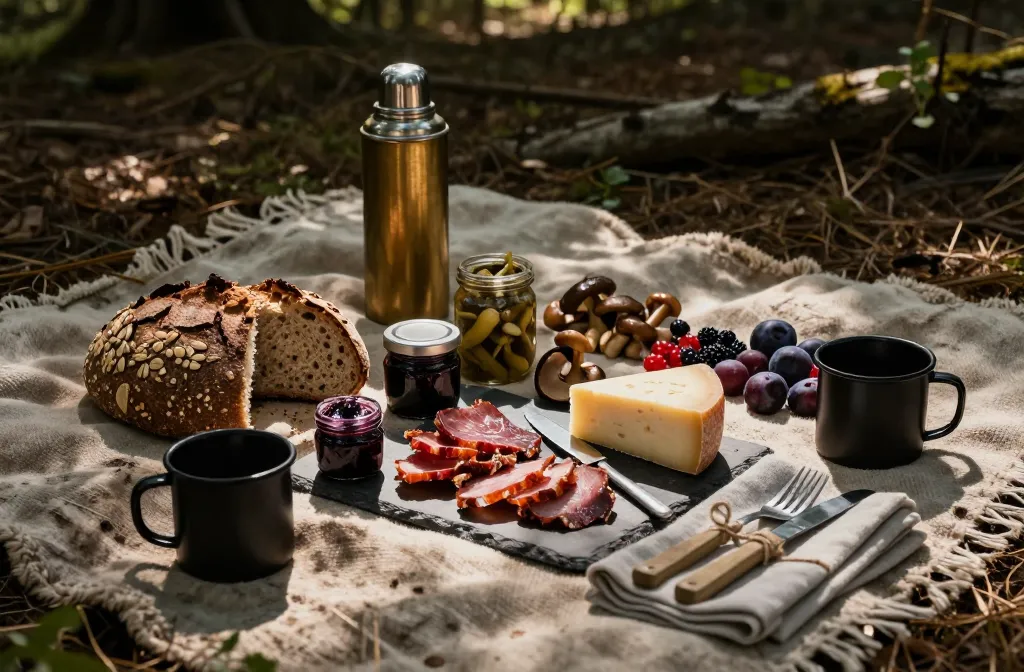
I pack picnics the same way I stock my small, moody kitchen: sturdy jars, foraged flavors, and food that shrugs off heat and bumps in the road. After too many wilted salads and leaky dressings, I built a roster of travel-proof staples that still feel poetic on a blanket under a tree. In this guide, I’ll show you exactly which pantry items, preserves, and tools hold up, how to pack them, and how to plate them beautifully without a full kitchen. You’ll leave with a confident, repeatable picnic kit that tastes as good as it looks.
Why “Dark Cottagecore” Changes What You Pack
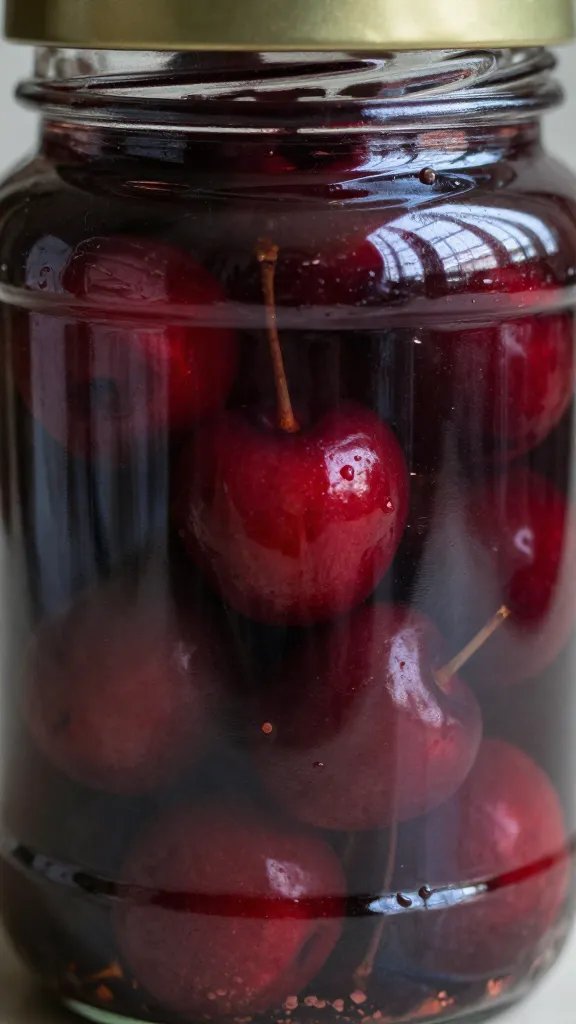
Dark cottagecore leans earthy, woodsy, and resilient — think brambly fruit, dense breads, smoked and pickled notes, and rustic serveware that won’t shatter. That mood actually solves common picnic issues: sauces separating, greens collapsing, and bright sun ruining dairy. Heavier textures, preserved flavors, and low-water produce travel better and plate beautifully with minimal fuss.
Instead of chasing fragile freshness, I plan for depth: preserves, cured meats, aged cheeses, dense loaves, and bittersweet fruits that hold shape and improve as they sit.
Action today: Write a one-page picnic roster with only items that don’t require last-minute chopping or refrigeration during a 2–3 hour outing.
Staple Breads and Crackers That Don’t Crumble
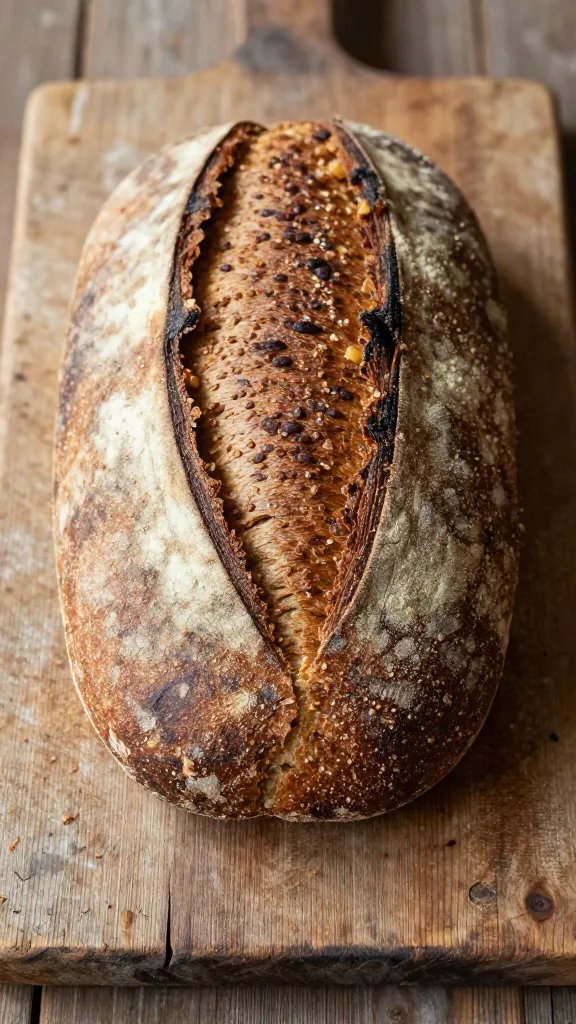
I skip airy baguettes that shred in a tote. I reach for rye, pumpernickel, or seeded sourdough boules — high-hydration, tight-crumb loaves that resist squashing and stay moist. Slice at home into 1.5–2 cm slabs and reassemble the loaf; wrap in a clean tea towel and slide into a tote-side pocket.
For crisp textures, pack rye crispbreads, seeded lavash, or charcoal crackers. They ride flat in a tin, pair with dark jams and soft cheese, and don’t go stale in a few hours.
Material recommendations
- Tea towel + elastic band: Keeps sliced loaves together without sweating like plastic.
- Metal cookie tin: Protects crackers from crumbling; doubles as a serving tray.
Action today: Pre-slice a dense loaf, reassemble, and store it wrapped in a towel — it’s grab-and-go for the week’s picnics.
Cheeses and Proteins That Tolerate Warmth
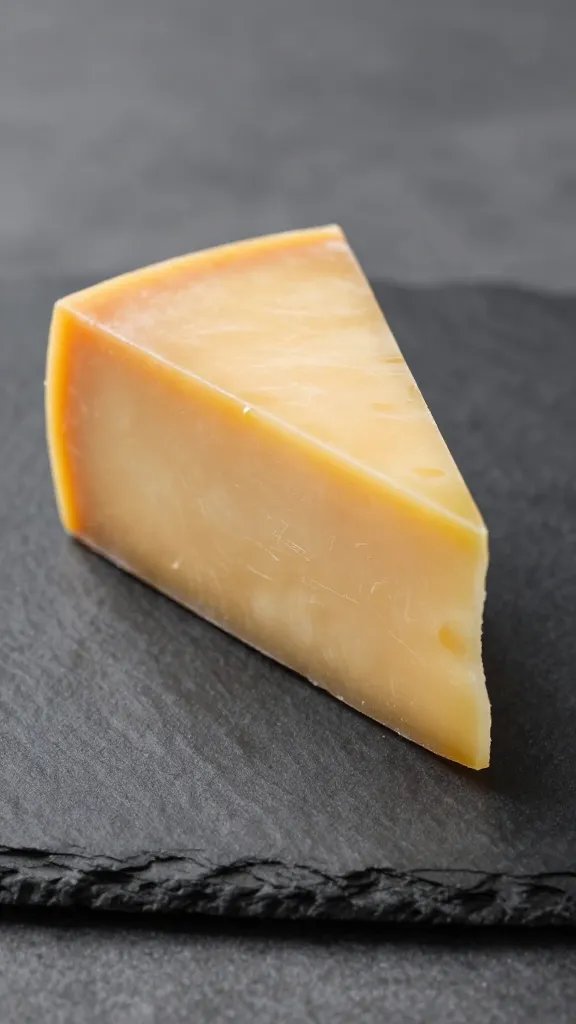
I avoid delicate cheeses that weep in heat. I pack aged gouda, manchego, cheddar, or a firm goat tomme. These hold texture above room temperature and slice cleanly. If I want spreadable, I choose triple-cream in a small wheel and stash it in the coolest spot with a frozen gel pack wrapped in a cloth.
For proteins, think preserved: hard salami, nduja in a jar, smoked trout tins, or pâté. These ride well, open fast, and deliver savory depth without cooking. Tinned fish brings that briny, forest-by-the-sea mood and pours straight onto bread with a squeeze of lemon.
Warning signs
- Oily seepage pooling under cheese means it’s too warm; move it to shade and slice thinner.
- Overly soft salami casing signals you need shade and quicker service; keep it wrapped in paper between servings.
Action today: Pick one firm cheese and one preserved protein you already enjoy and dedicate a small lidded tin or jar to each for travel.
Preserves, Pickles, and Spreads With Backbone
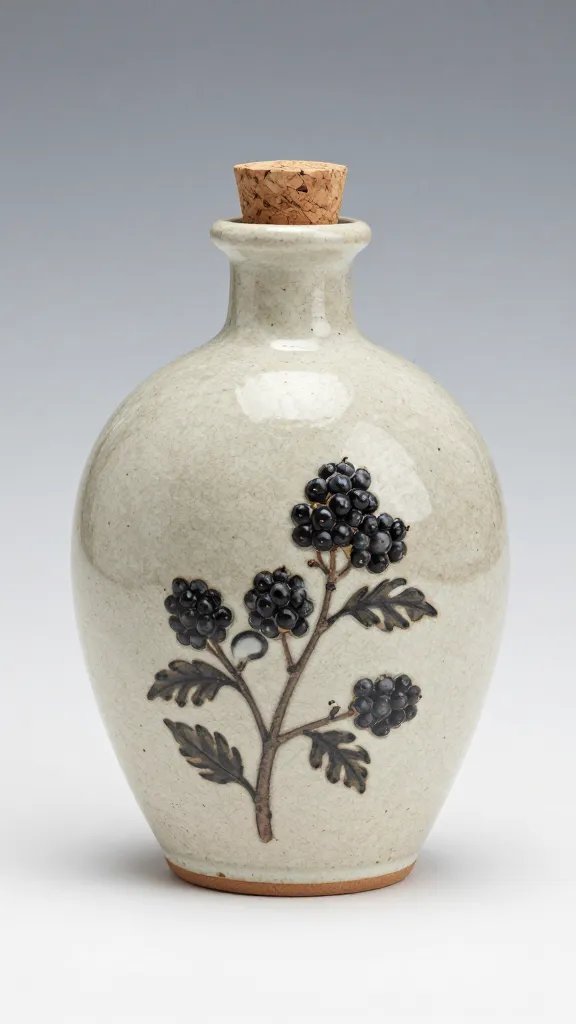
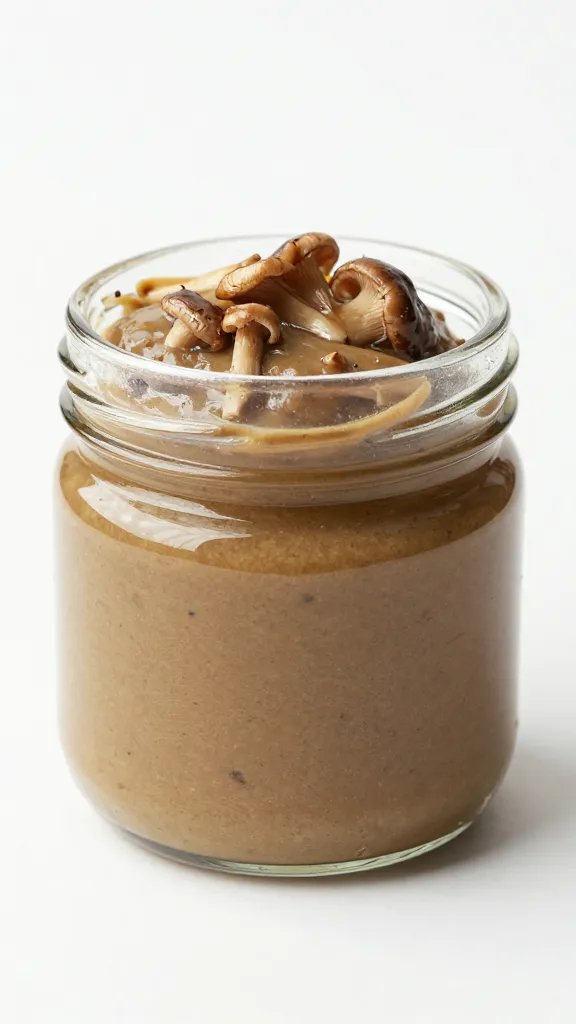
This is the heart of a dark cottagecore basket. I pack blackberry or blackcurrant jam, onion or fig chutney, and whole-grain mustard. For acid and crunch, I add cornichons, pickled mushrooms, or pickled cherries. These don’t wilt, they don’t separate, and they turn plain bread and cheese into a composed bite.
Transport everything in small jars (120–240 ml). Portion at home so you open only what you’ll finish. Jarred spreads act as weights and won’t leak if the lids are snug and the rims wiped clean before sealing.
Step-by-step packing
- Spoon jams and chutneys into clean, dry jars leaving 1 cm headspace.
- Wipe rims, twist lids until snug, then add a strip of painter’s tape labeled by name.
- Nest jars upright in a lunchbox-sized container lined with a folded napkin to stop rattling.
Action today: Portion one jam and one pickle into smaller jars so you stop hauling half-used, leaky big jars.
Vegetables and Fruits That Don’t Turn to Slump
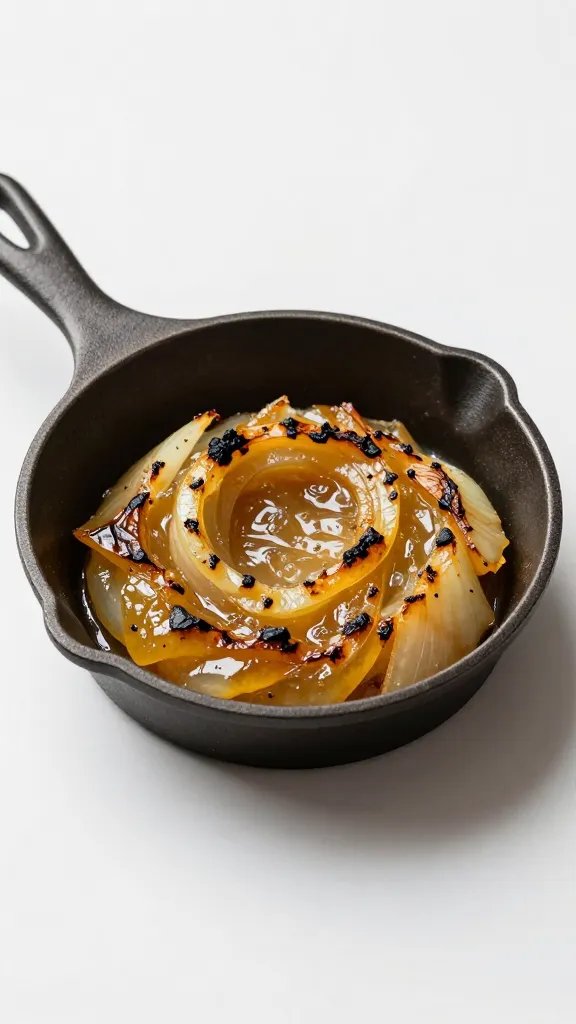
Skip watery tomatoes and tender lettuces. I pack roasted beets, marinated mushrooms, grilled zucchini rounds, radishes, and fennel wedges. All stay crisp or silky at ambient temps and gain flavor with time. For fruit, I choose black cherries, plums, figs, or pears — they travel better than strawberries and look appropriately brooding beside dark bread.
Dress vegetables at home with a thick vinaigrette (3 parts olive oil to 1 part vinegar, plus a spoon of mustard). Thick dressing clings instead of separating. Keep it in the jar with the veg and shake before serving.
Plant list to grow or buy
- Beets: Roast whole, chill, peel, and quarter; splash with red wine vinegar.
- Radishes: Pack whole with butter and salt for on-the-spot bites.
- Fennel: Thin wedges tossed with lemon and olive oil stay crisp for 24 hours.
- Plums/Cherries: Transport in a shallow container lined with a towel to prevent bruising.
Action today: Roast a tray of beets or mushrooms and store them dressed in a jar — they’ll anchor two picnics easily.
Drinks That Survive Travel and Match the Mood
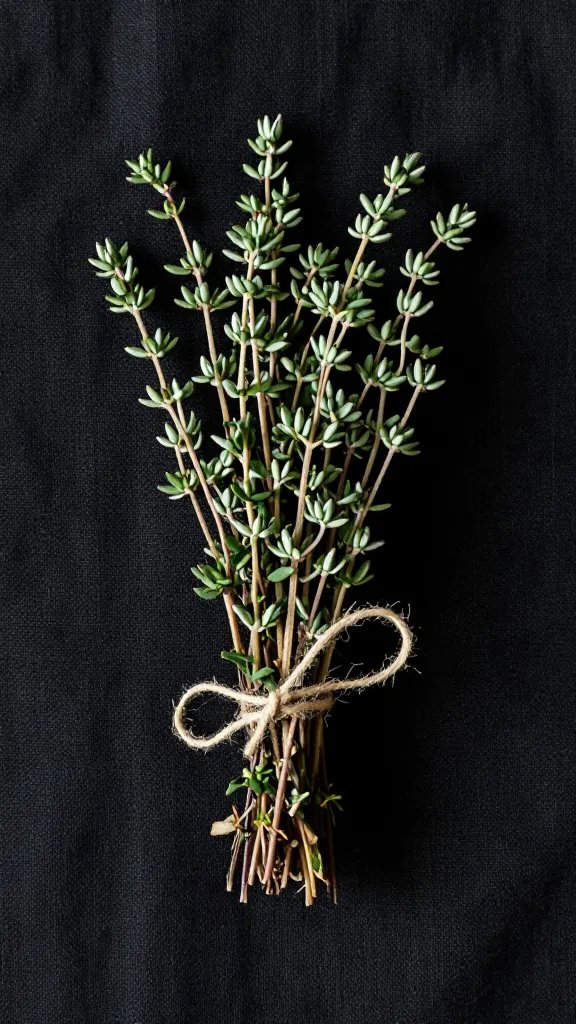
I skip fragile glass stemware and bring dark iced tea with thyme or blackcurrant syrup, sparkling water with lemon, or a light red or dry cider that tastes fine slightly cool, not ice-cold. Mix syrups at home: 1:1 sugar and water simmered with blackberries, strained, and cooled. One small bottle flavors a whole thermos.
For serveware, pack enamel mugs or stainless tumblers. They won’t break, and their weight feels right in hand outdoors. A small vacuum flask keeps tea cold for 6–8 hours without ice.
Action today: Make a 250 ml berry syrup and stash it in the fridge; it turns any seltzer into a picnic drink in seconds.
Low-Tech Tools and Carriers That Prevent Mess
I use what I already own: a rigid tote or backpack, a small cutting board, a paring knife in a sheath (or wrapped in a folded oven mitt), a butter/cheese knife, and two cloth napkins. One napkin lines jars to stop rattling; the other serves as a tablecloth on a stump or crate.
For temperature control, I freeze two soft gel packs and place them at the sides, not the bottom, to avoid crushing bread. I use locking-lid containers for anything that might leak. A tiny lidded jar of coarse salt and a pepper grinder upgrade every bite.
Step-by-step packing order
- Bottom: cutting board, flat tin of crackers, utensils in a roll.
- Middle: jars upright, wedged with a napkin; proteins in paper.
- Top: bread loaf in towel, fruit in a shallow box, gel packs along the sides.
Action today: Build a dedicated “picnic roll” with one paring knife, one spreader, and a corkscrew wrapped in a tea towel and tied with string.
Assembly on the Blanket: Simple, Striking, Two-Minute Plates
I don’t plate everything. I make small vignettes: sliced loaf fanned on the board, a jar of chutney open with a spoon, sliced cheese with cracked pepper, and a tin of fish on its lid like a tray. Scatter halved plums and radishes for color. Rustic looks best when space breathes.
To avoid soggy bites, I stack in this order: bread → mustard or chutney → protein → pickle → herb. Fresh herbs like thyme or dill ride in a damp paper towel and elevate everything.
Action today: Practice one signature stack at home so you can assemble it effortlessly outdoors.
Frequently Asked Questions

How do I keep food safe without a big cooler?
Pack high-resilience items: firm cheeses, cured meats, pickles, and roasted veg. Add two small gel packs at the sides of your bag and keep everything in the shade. Eat perishable items within two hours and save shelf-stable items (bread, crackers, sealed tins) for later. Bring wet wipes and a trash bag so you can keep hands and surfaces clean.
What jars and containers actually prevent leaks?
Use small glass jars with screw tops and intact rubberized seals; test by filling with water and tipping over your sink for 10 seconds. For oily items like chutney, wipe rims before sealing. Locking-lid plastic containers corral multiple jars upright and catch any stray drips. Line the container with a cloth to stop vibration.
How do I stop bread from drying out during the picnic?
Pre-slice and wrap the loaf in a clean tea towel, then unwrap only half at a time. Keep it out of direct sun and return cut ends inward when you re-wrap. If slices start to dry, rub a cut plum or a dab of olive oil on the face and top with cheese. Avoid plastic wrap, which steams and toughens crust.
What fruits won’t bruise in a backpack?
Choose firm plums, cherries with stems on, pears that are just turning ripe, or figs packed snugly in a shallow, rigid box. Line the box with a folded napkin and keep it on top of heavier items. Avoid stacked berries unless they’re in a rigid clamshell. Don’t overpack; pressure bruises faster than motion.
Can I make a dark cottagecore dessert that travels well?
Yes: pack gingerbread or chocolate stout cake cut into thick squares, dusted with cocoa. It improves as it sits and won’t melt. Pair with blackberries from a jar and a spoon of thick cream kept near a gel pack. Serve straight from the tin to keep crumbs contained.
Conclusion
You don’t need a chef’s kit to pull off a moody, satisfying picnic — you need sturdy staples with big flavor and simple packing habits. Build your small jar set, pick one dense bread, one firm cheese, one preserved protein, and two condiments, and you have a repeatable template for every weekend. Next step: assemble your dedicated picnic roll and pre-portion a chutney today, so the hardest part — starting — is already done when the weather turns inviting.
Leave a Reply