Why “Vintage Suitcases” Are a Unique Alternative to Picnic Baskets That Wow
· Yogi
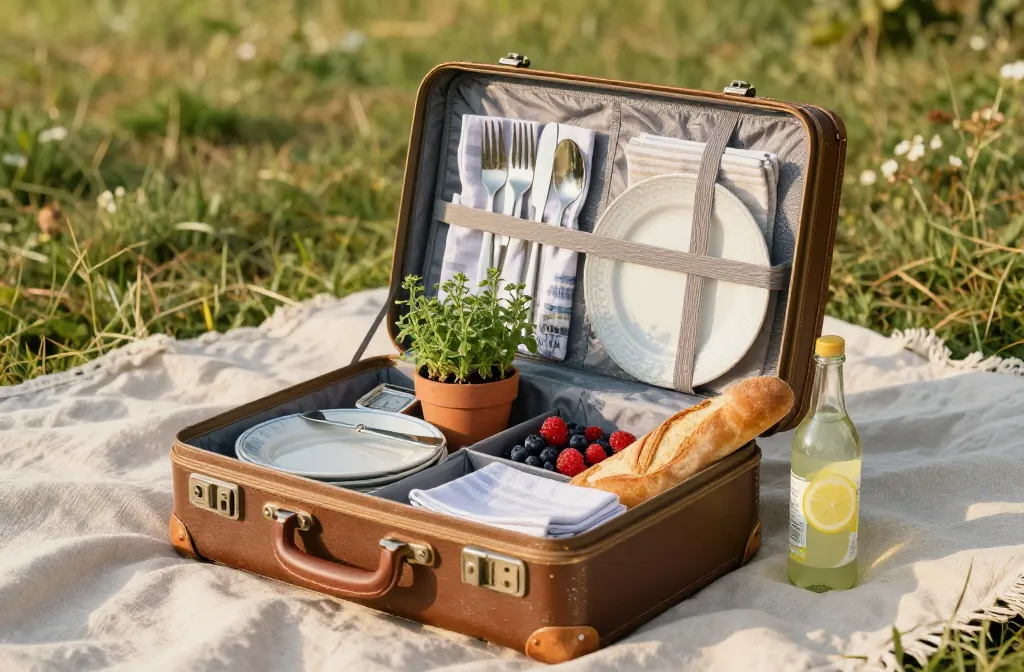
I started using a scuffed vintage Samsonite as a picnic basket after another wicker basket snagged my sweater and crushed my berries. If you’ve ever struggled to keep plates from sliding or glasses from clinking, you’ll recognize the appeal of a sturdier box with real compartments. In this guide, I’ll show you why vintage suitcases outperform traditional baskets for picnics and how to set one up with simple materials from a hardware or garden centre. You’ll finish with a ready-to-pack picnic kit that looks great and works even better.
Rigid Sides Protect Food, Glassware, and Plants
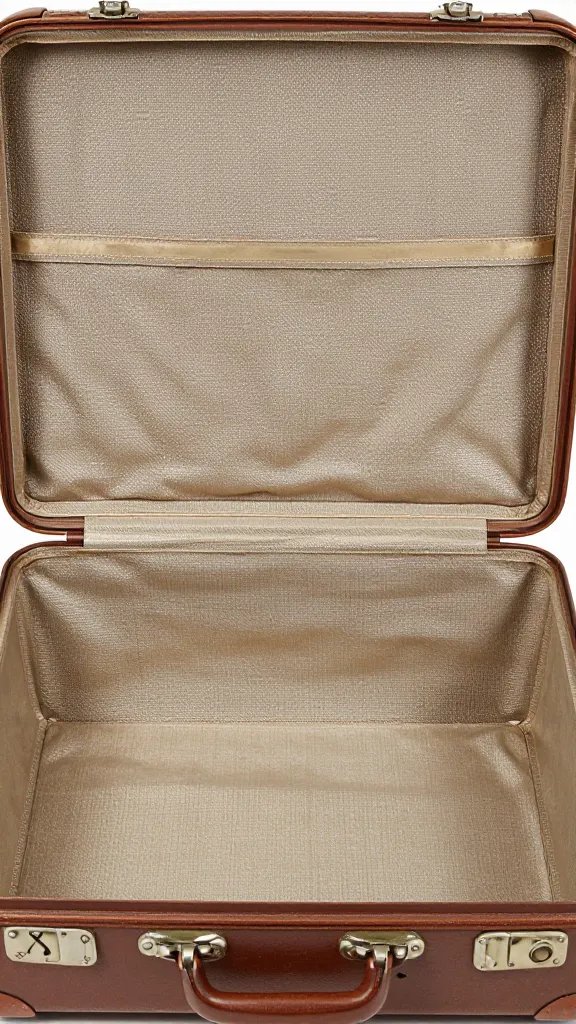
Traditional baskets flex and bow under weight, which jostles containers and bruises fruit. Vintage suitcases have rigid shells and flat sides that shield soft items and keep stacks stable during transport.
That structure also protects delicate stems if you bring cut herbs, edible flowers, or a small potted herb as a table accent. The hard shell prevents bending and keeps soil from spilling if you secure the pot.
Action today: Press the sides of your current picnic basket; if they flex more than a finger’s width, switch to a rigid vintage suitcase to reduce spills and bruising.
Built-In Organization Beats One Big Basket
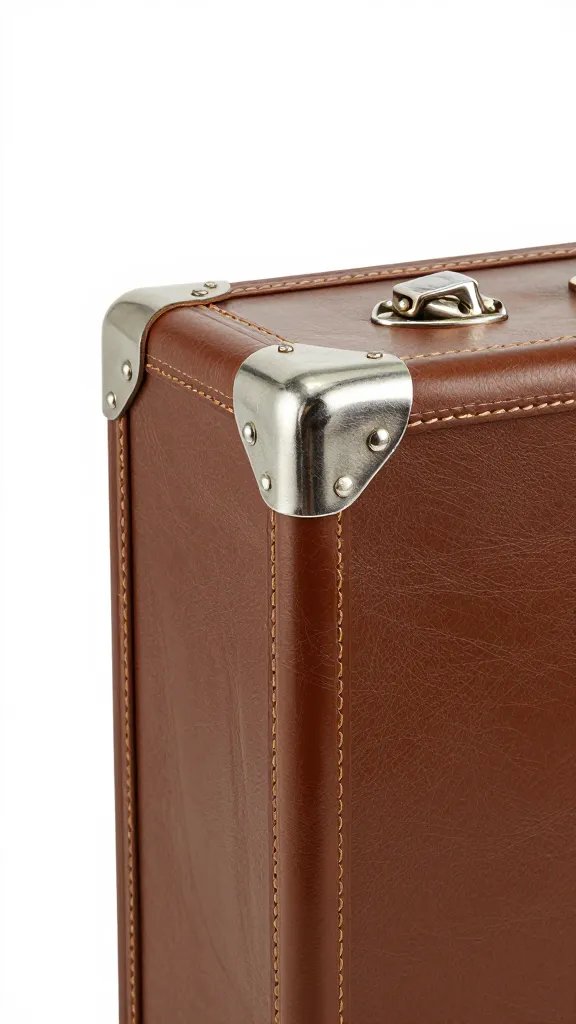
Suitcases usually have interior pockets, elastic straps, or at least a lid sleeve. Those features separate knives from napkins and keep cutting boards and plates upright.
You can add simple dividers with cardboard, a roll of self-adhesive Velcro, and a spare shoebox lid. Create snug compartments for plates, a thermos, and jars so nothing rattles. Unlike wicker, a suitcase lid closes flat, which stops items from hopping out over bumps.
Step-by-Step: Five-Minute Divider Setup
- Cut two strips from a sturdy cardboard box to the suitcase’s interior width and height.
- Wrap strips with duct tape for durability and wipe-clean surfaces.
- Stick self-adhesive Velcro dots on each end and press into place to form a grid.
- Slip a thin plastic cutting board against the lid sleeve for a firm wall.
- Test by shaking the closed case gently; adjust gaps until items don’t move.
Action today: Add one taped cardboard divider to create a narrow lane for utensils and a corkscrew — instant order, zero rattle.
Better Hygiene: Smooth Interiors Wipe Clean
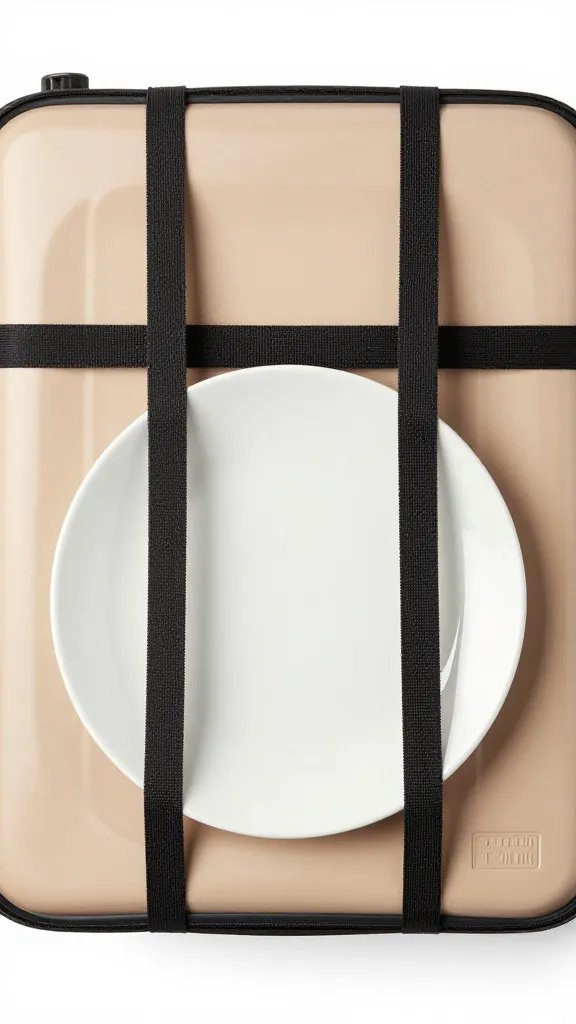
Wicker traps crumbs and stains in crevices. Most vintage suitcases have smooth vinyl or fabric linings that wipe clean with a damp cloth and a touch of dish soap. If the lining shows age, you can lay in a removable protector using a plastic tablecloth cut to size.
Warning: Avoid musty cases with active mold. Musty odor + visible fuzz = skip it. A faint “old closet” smell is fine; it disappears after airing with a bowl of baking soda inside for 24–48 hours.
Action today: Line your suitcase base with a cut-to-fit plastic placemat or tablecloth to catch spills and make cleanup a 30-second wipe.
Stackable, Space-Saving Storage Between Outings
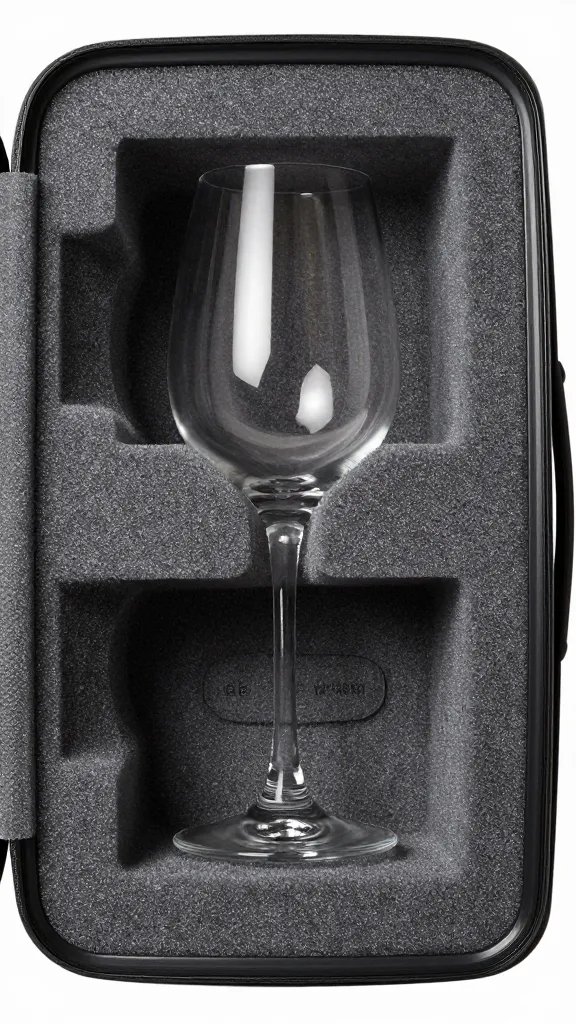
Suitcases stack neatly in a closet or under a bed, unlike round or arched baskets that waste vertical space. That shape lets you store your entire picnic kit — plates, blanket, utensils — ready to grab without last-minute packing.
I keep a dedicated “picnic core” in mine: a thin blanket, four enamel plates, cutlery wrapped in a tea towel, a corkscrew, wipes, and a small cutting board. With everything preloaded, I only add the day’s food and cold packs.
Action today: Pre-pack a single tea towel bundle with cutlery, opener, and wipes, and leave it in the suitcase so you never forget the essentials.
Thermal Control With Simple, Cheap Inserts
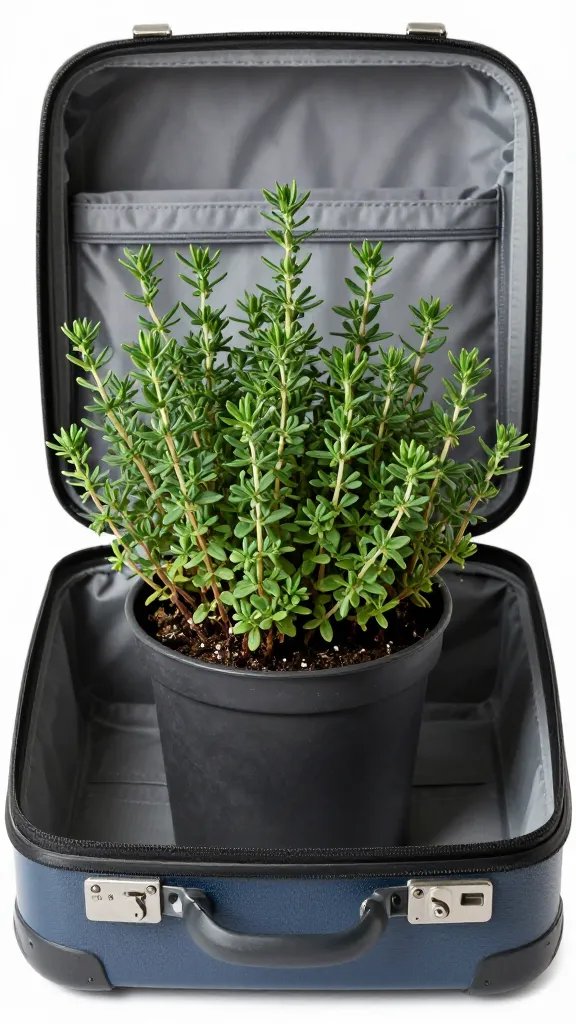
Wicker breathes; that’s nice for bread, but terrible for keeping cheese cool. A suitcase’s closed shape holds cold air when you add insulation. You don’t need specialty gear — household items work.
Quick Cold Zone Setup
- Line one half with a folded reflective windshield sunshade or aluminum foil-backed bubble wrap.
- Add two frozen gel packs inside a reusable shopping cooler bag, then place that bag in the insulated half.
- Keep dry goods in the uninsulated half to prevent condensation.
Action today: Slip a compact soft cooler bag into one side of your suitcase and dedicate it to perishables — instant chill compartment.
Style With Substance: Customization That Works
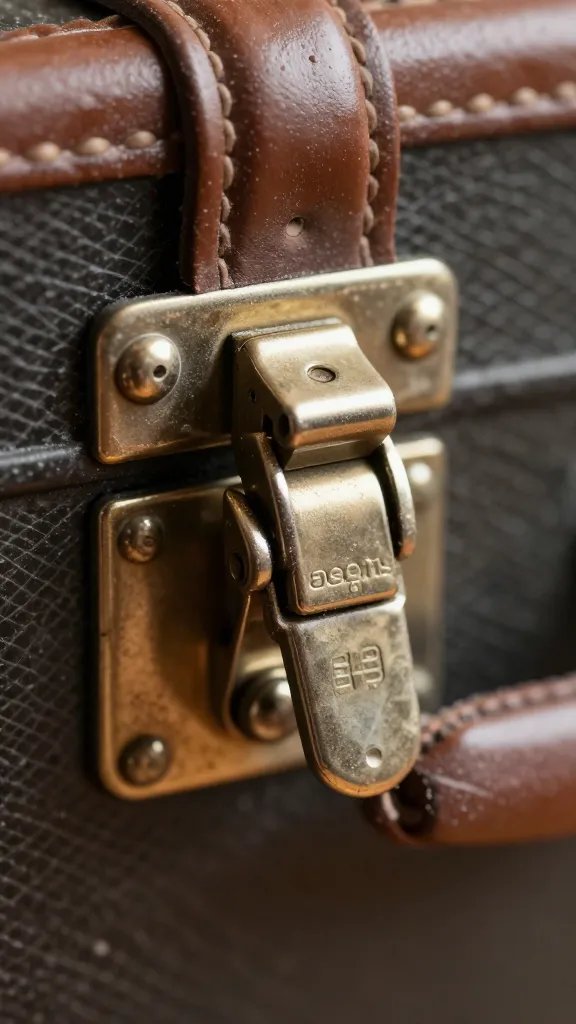
Part of the fun is the look — but aim for upgrades that add function. A leather luggage tag becomes a menu card. An elastic luggage strap around the closed case secures a rolled picnic blanket on top, freeing space inside.
Inside, attach a strip of self-adhesive tool hooks to the lid for a bottle opener and scissors. Add a short length of paracord with a keyring to clip keys so they don’t vanish under napkins.
Action today: Wrap a lightweight blanket around the case with an adjustable luggage strap; you’ve added carry comfort and saved a third of your interior volume.
How to Choose and Prep the Right Vintage Suitcase
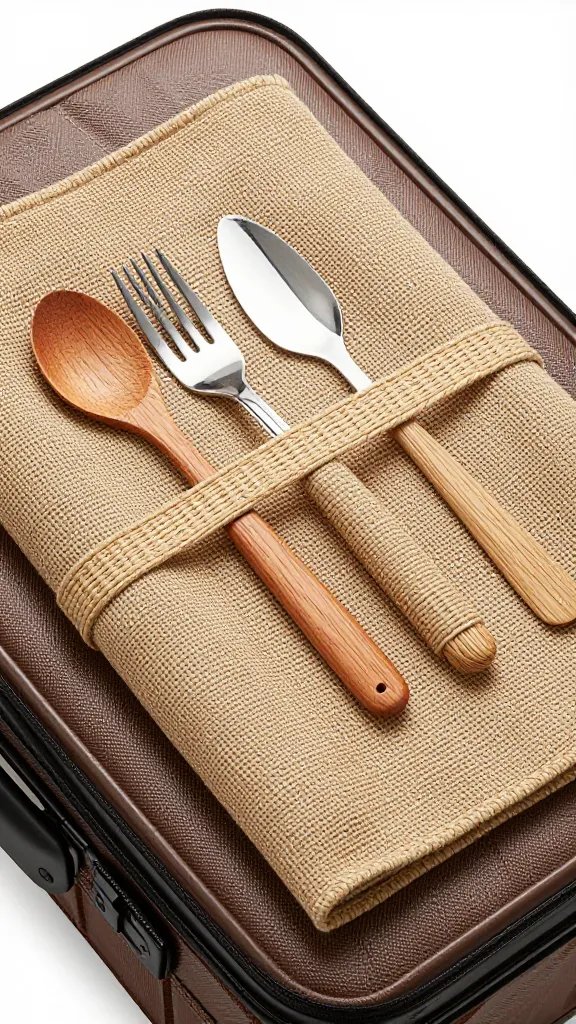
Not every old case is picnic-ready. Choose hard-sided models with working latches and a handle that doesn’t wobble. Avoid flaking interiors or crumbling foam; those shed onto food and are hard to clean.
Quick Refurb Checklist
- Smell test: faint old-linen smell is fine; sour or damp means hidden moisture problems.
- Clean: wipe inside with warm water and a small squeeze of dish soap; dry lid-open overnight.
- Seal: add peel-and-stick vinyl shelf liner to the base for a fresh, washable surface.
- Hardware: tighten loose screws with a standard screwdriver; add a drop of light oil to squeaky hinges.
Action today: Bring a tape measure to the thrift store; target interior length of 18–22 inches so plates fit flat and a soft cooler slides in.
Frequently Asked Questions
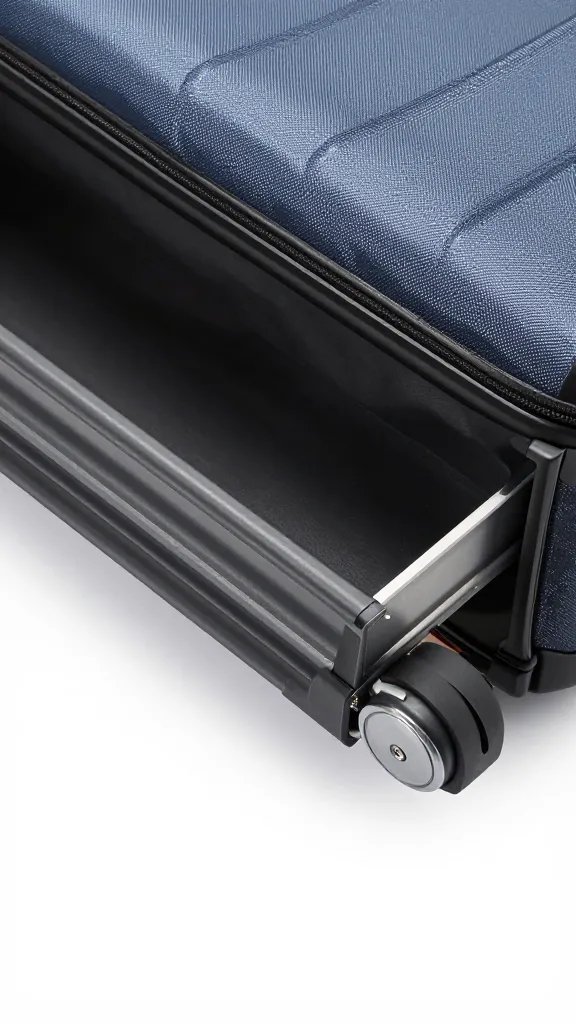
How do I keep food cold in a vintage suitcase without leaks?
Use a small soft-sided cooler or a rigid lunch box inside the suitcase for anything that sweats or could spill. Place two gel packs underneath and one on top, then zip the cooler closed before loading the case. Line the suitcase side with a folded windshield sunshade to reduce heat transfer. Keep dry snacks on the opposite side so condensation stays contained.
Is a suitcase too heavy to carry when fully packed?
Choose a hard-sided case under 6 pounds empty and pack only what you need for the group size. Use enamel or melamine plates instead of ceramic, and bring one multipurpose knife with a sheath. If weight is a concern, add a simple luggage shoulder strap from a hardware store to spread the load. Pack dense items closest to the handle to balance the carry.
What about cleaning odors and stains from the lining?
Sprinkle baking soda inside, close for 24 hours, then vacuum it out. Wipe with a soft cloth and a mix of warm water plus a teaspoon of dish soap per quart. For stubborn smells, place a small bowl of white vinegar inside overnight with the lid closed; air it out the next day. Add peel-and-stick shelf liner to the base for a clean, neutral surface.
Can I still bring a picnic blanket without losing interior space?
Yes — roll the blanket tightly and secure it to the outside with an adjustable luggage strap or two elastic bungee cords. Place the roll along the spine so it doesn’t block the handle. If you prefer inside storage, use a thin fleece or nylon-backed blanket that folds flat under your plates. Either way, you keep the main compartment open for food.
Will glass bottles break inside a suitcase?
Not if you give each bottle a snug place. Make a quick bottle sleeve by cutting the leg off an old thick sock or wrapping bottles in a tea towel. Stand them upright in a corner with a cardboard divider, and wedge a folded cloth beside them to remove play. Close the case and shake gently; if you hear clinking, add another cloth until it’s silent.
Conclusion
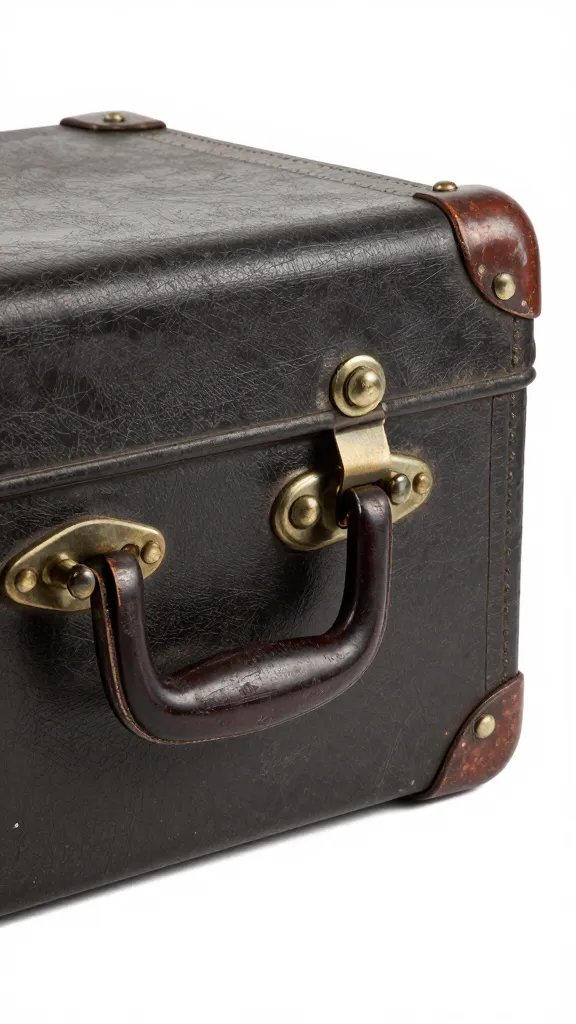
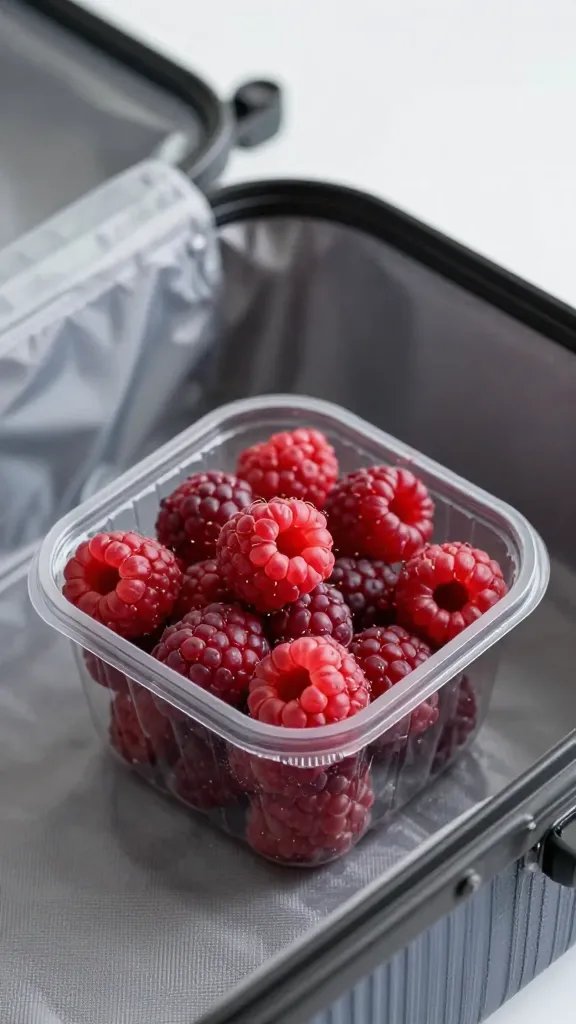
A vintage suitcase turns a chaotic basket into a tidy, durable picnic kit you can grab at a moment’s notice. Start with a clean, rigid case, add two simple dividers and a compact cooler bag, and pre-pack your essentials once. Your next step: visit a thrift store with a tape measure and this checklist, then set up your new picnic rig in under an hour. The charm is real, but the everyday practicality is what will keep you using it all season.
Leave a Reply