Viral Guide: Why Every Picnic Needs a “Bluetooth Speaker” (and How to Hide It)
· Yogi
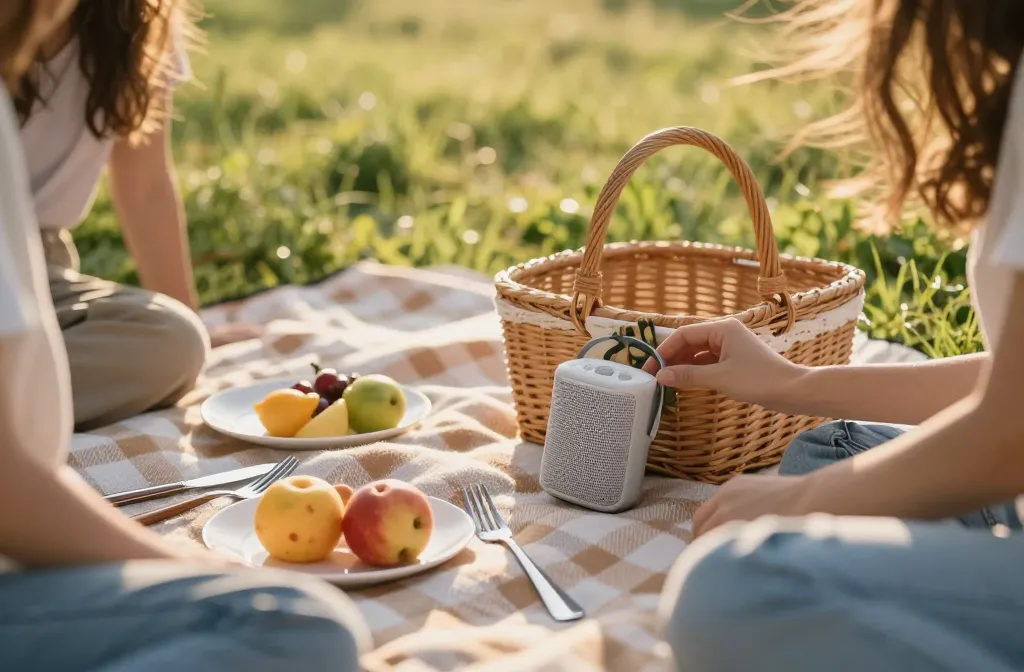
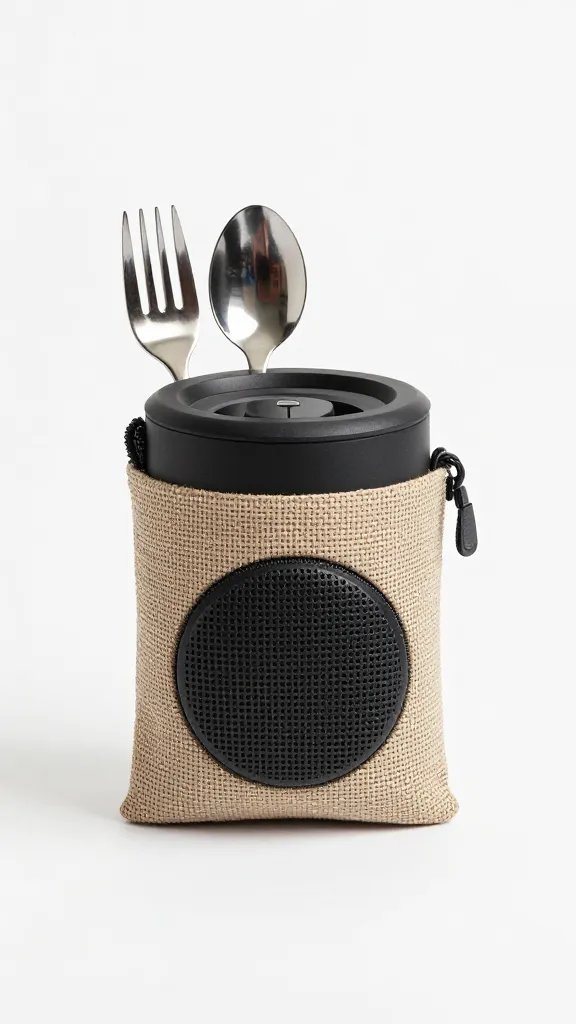
I learned the value of a discreet speaker after one windy park lunch where conversation vanished past arm’s length and everyone drifted into phone-scrolling silence. The next weekend I tucked a tiny speaker into the cutlery bag and the whole mood changed — people lingered, kids played longer, and cleanup even went faster. In this guide, I’ll show you why a Bluetooth speaker transforms a picnic from “nice” to memorable, plus exactly how to hide it so you get ambience without a visible gadget. You’ll leave with simple, practical steps that work with what you already own.
Music Fills Outdoor Gaps That Food and Blankets Don’t
Open spaces swallow sound. A picnic spreads people out, wind steals voices, and traffic or birdsong competes for attention. A Bluetooth speaker provides a gentle bed of sound that anchors the group and smooths lulls without turning the lawn into a concert.
I aim for background-level volume: loud enough to hear at 2–3 blanket widths, quiet enough for normal conversation. Think “coffee shop” volume, not “patio bar.”
Action today: Make a 90–120 minute playlist of familiar, mid-tempo songs and set your phone’s volume at 60–70% with the speaker volume at 40–50% for balanced, unobtrusive sound.
Battery, Weather, and Sand: Pick a Picnic-Proof Speaker
You don’t need a tech spec sheet. Look for three practical traits at a regular hardware or garden centre: all-day battery, basic water resistance, and simple controls.
- Battery: Choose a unit advertised for “10–12 hours” so you comfortably get 4–6 hours at moderate volume.
- Water resistance: Labels like “splashproof” or “water resistant” handle dew, a spilled drink, or brief drizzle.
- Controls: Big, tactile buttons for play/pause and volume so anyone can help without unlocking your phone.
If you already own a speaker, pack a short USB cable and a small power bank. That combo weighs less than an apple and removes battery anxiety.
Action today: Do a living-room test: play music for one hour at picnic volume and check the battery percentage drop. If you lose more than 25%, add a pocket power bank to your picnic kit.
Placement Matters More Than Power
Speaker position shapes the experience. Centered on the blanket at low volume spreads sound evenly and prevents hot spots. At ground level, sound softens and blends; at knee height (on a tote or cooler), it carries a touch further without getting sharp.
Aim the speaker across the blanket, not at a single person. If your group forms a U-shape, place the speaker at the open end, angled inward, so conversation sits on top of the music rather than fighting it.
Action today: During your next picnic, start the speaker in the middle of the blanket at 40% volume, then walk 10 paces around the blanket. If you notice one loud beam, rotate the speaker 30 degrees and recheck.
How to Hide the Speaker Without Muffling the Sound
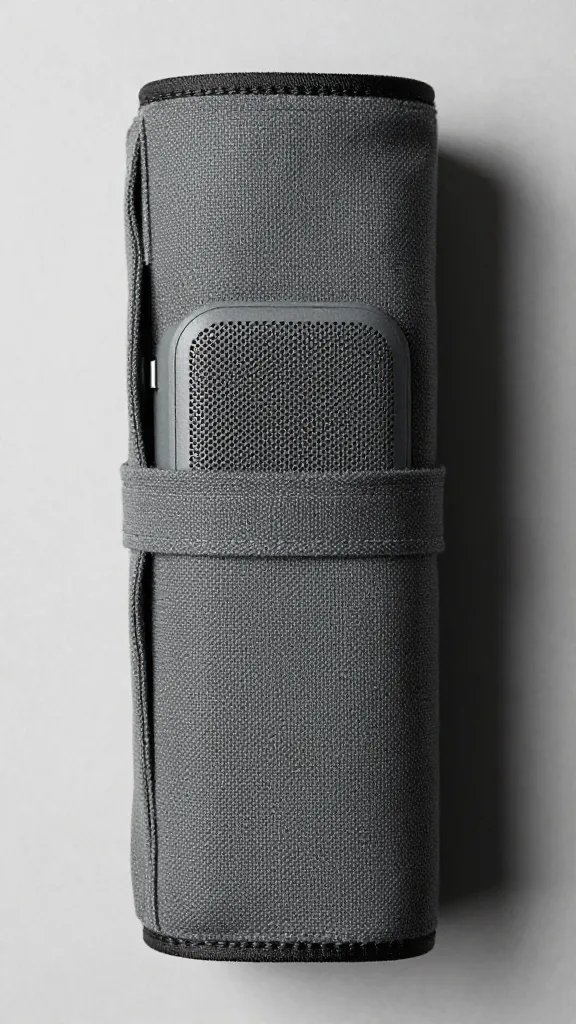
Good hiding keeps the vibe natural while avoiding accidental spills or theft. You want breathable cover, no rattles, and a location people won’t move without asking.
Low-Tech Hiding Spots That Work
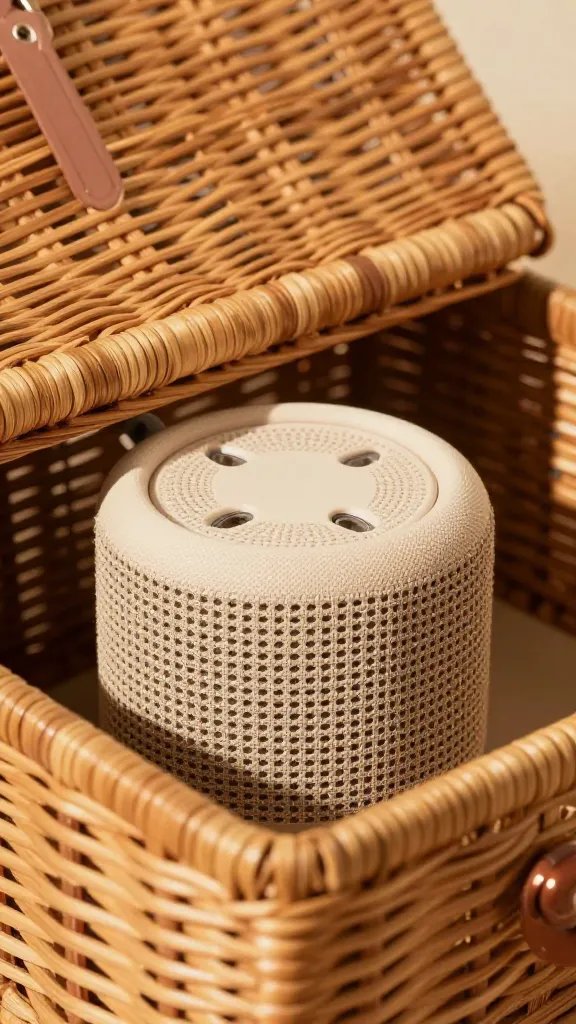
- Inside the picnic basket lid: Wedge the speaker under the hinged lid with the grille facing the weave. Sound leaks through the wicker while the hardware hides it.
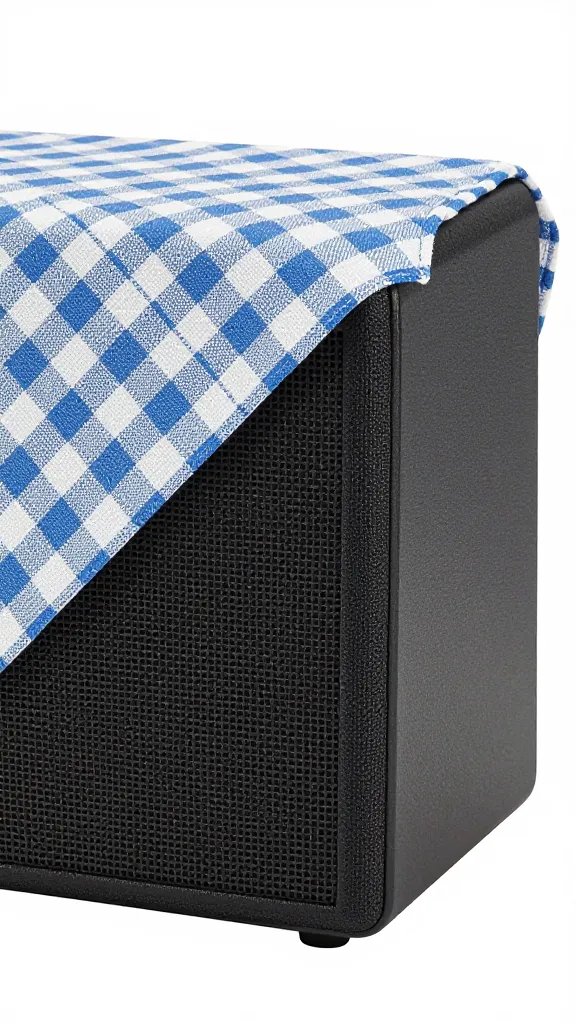
- Under a fringed blanket edge: Place the speaker just beyond the sitting area with the grille peeking under the fringe. The fabric disguises it but doesn’t block the front.
- In the empty cooler pocket: Many soft coolers have a dry front pocket. Unzip 2–3 cm so sound escapes, and face the grille toward the opening.
- Behind a tote with a towel drape: Set the speaker behind a canvas tote, then hang a hand towel over the tote’s front to break line of sight while leaving a gap at the bottom.
What to Avoid
- Closed containers: Sealed boxes or zippered bags muffle sound and trap heat.
- Direct contact with metal: Thin metal buckets or tins rattle and color the sound.
- Burial in sand or soil: Do not half-bury the speaker — grit destroys buttons and grilles.
Action today: At home, place your speaker behind a tote with a tea towel draped and play one song; step 3–4 meters away. If you hear dullness, raise the speaker on a paperback to open a gap for the grille.
Keep It Courteous: Volume, Vibes, and Backup Plans
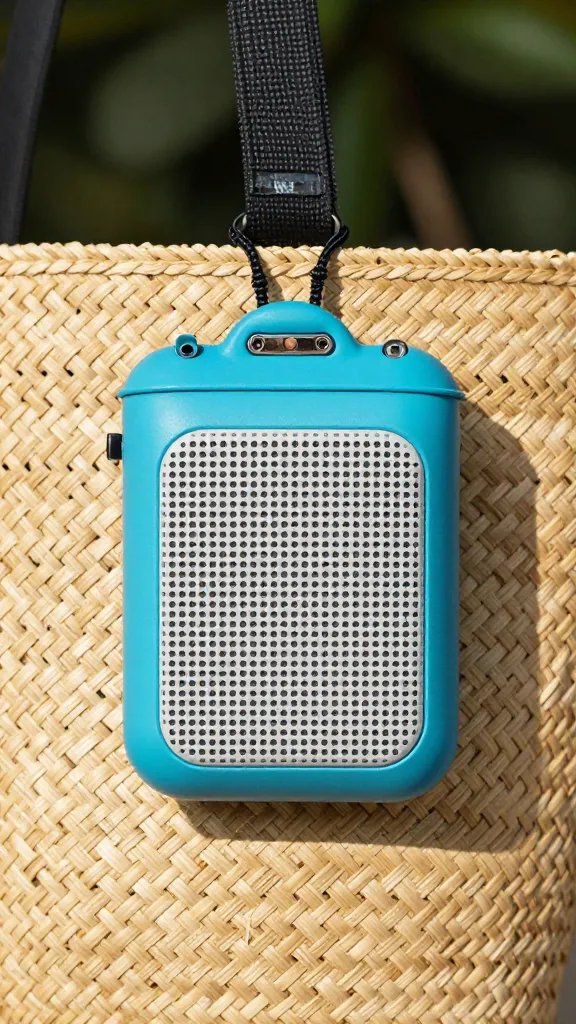
Great picnic sound respects neighbors. I use a quick rule: if someone 10 meters away looks over more than once, I reduce volume by two clicks. Keep lyrics family-friendly in shared parks and skip bass-heavy tracks near playgrounds.
Wind rises and falls; so should your volume. Recheck every 30 minutes. If a nearby group starts their own audio, pause yours for a few minutes and read the room before resuming softly.
Action today: Save a “park-safe” playlist with clean edits and acoustic or mellow funk tracks so you never scramble for suitable music live.
Weather-Proofing and Clean-Up That Extends Speaker Life

Dew, sand, and sticky fingers are the usual culprits. Before you start, place the speaker on a hard item — an upside-down food container lid works — to lift it off damp grass. Keep a small zip bag with a microfiber cloth, two alcohol wipes, and a spare napkin for quick cleanups.
After the picnic, wipe down the grille and buttons. At home, air-dry the speaker out of direct sun and crack open any fabric covers so moisture doesn’t linger. Store it in the tote you always bring so you never forget it next time.
Action today: Assemble a palm-sized “speaker care” zip bag and leave it in your picnic basket or trunk.
Pairing Made Simple and Shareable
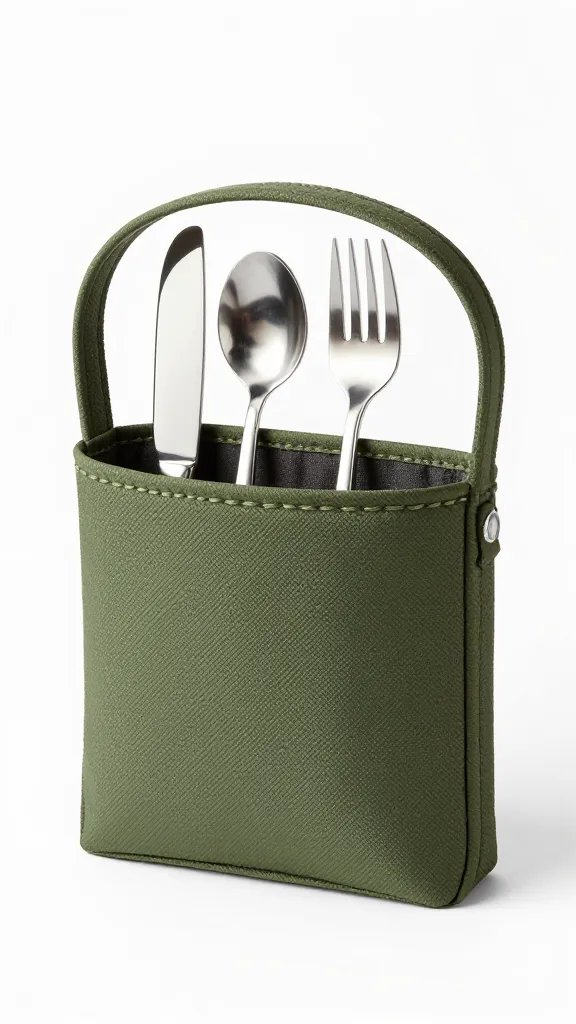
Nothing kills momentum like fumbling with Bluetooth. Before you leave the house, remove old pairings you don’t recognize, then pair your phone and rename the speaker to something obvious like “Park Speaker.” Turn off any auto-connect to work laptops so they don’t hijack the signal.
At the picnic, show one other person how to pause and change volume using the speaker’s buttons. If you need to switch DJs, hand them the speaker to pair directly, then set your phone to airplane mode for 20 seconds to clear conflicts.
Action today: Rename your speaker and put it at the top of your Bluetooth device list; test pairing and unpairing once so you can do it eyes-closed later.
Frequently Asked Questions
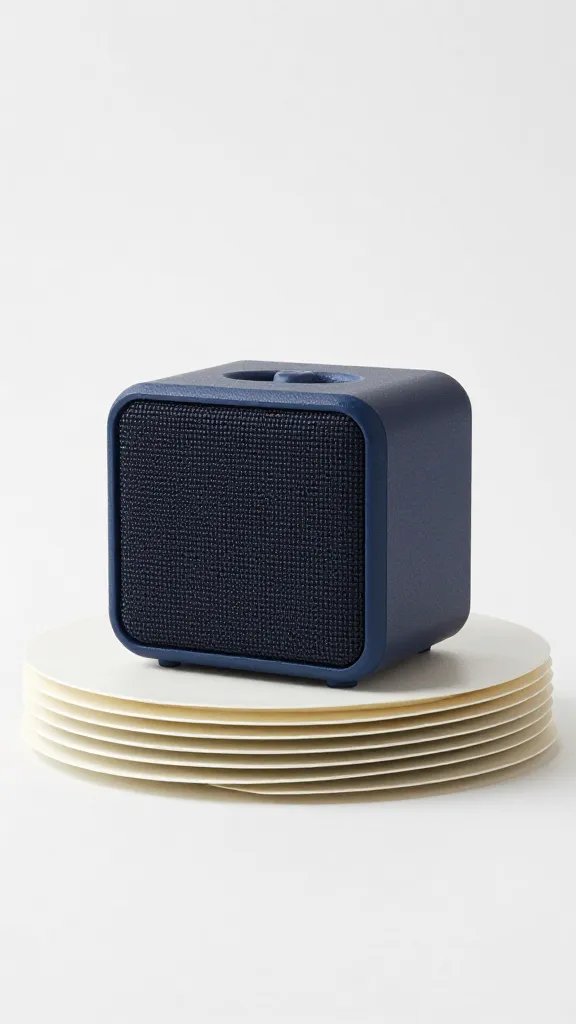
Will hiding the speaker make it sound worse?
Not if you give the grille a clear path for sound. Use breathable covers like wicker, canvas, or a towel drape with a small gap in front. Avoid sealed boxes or thick blankets pressed tight to the grille. Elevate by 2–3 cm if sound feels muffled.
How loud should I set the speaker for a small park picnic?
Set the phone at about 60–70% and the speaker at 40–50%. Stand 3–4 meters away; you should hear the music clearly while still catching every word of a normal conversation. If voices feel strained, drop two volume clicks. Recheck every 30 minutes as wind and crowd noise change.
What if my speaker dies mid-picnic?
Plug into a small power bank with a short cable and place both inside a tote to keep things tidy. If you don’t have a power bank, switch to “phone-only” audio and place the phone in a shallow bowl or dry container lid to amplify without distortion. Lower expectations, not the mood — pick softer tracks that suit lower output.
Is rain a deal-breaker for a picnic speaker?
Light drizzle is fine for splashproof models if you keep them under a tote flap or basket lid with airflow. For steady rain, shut down, dry with a cloth, and store in a bag with a napkin buffer. Do not seal a damp speaker in plastic for long periods — let it air-dry at home out of direct sun.
How do I stop sand from getting into the buttons?
Always give the speaker a “coaster” — the lid of a food container or a paperback — to lift it off grit. Keep a soft brush or a clean, dry paintbrush in your kit to sweep away particles before you pack up. If sand gets in, tap gently with grille facing down and brush; avoid compressed air, which can drive grit deeper.
Conclusion
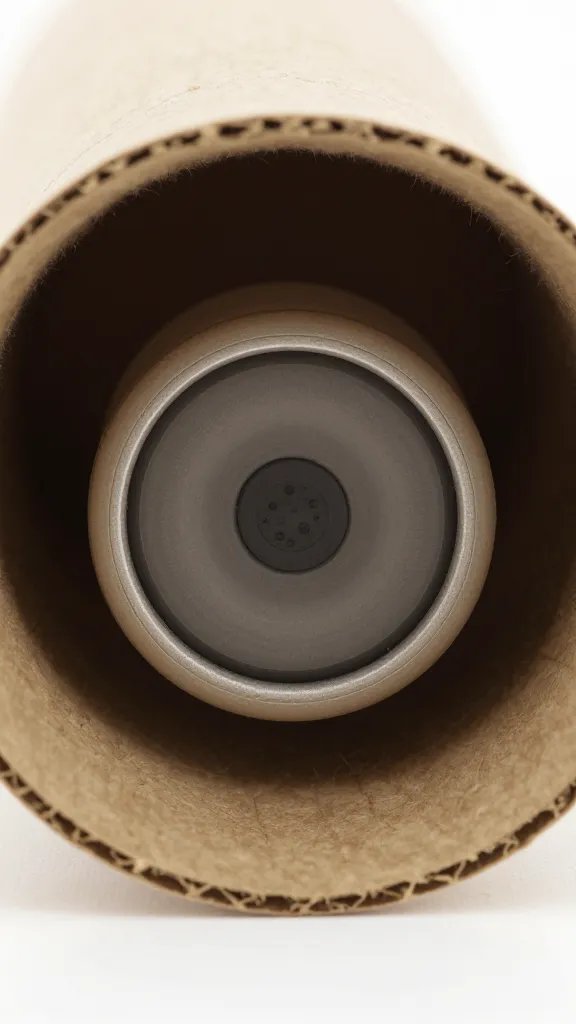
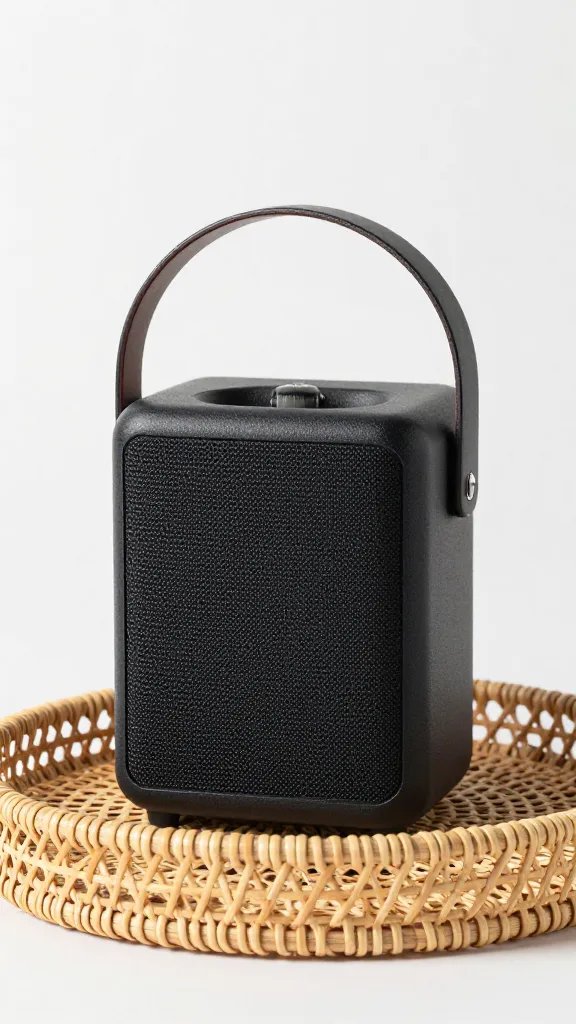
A small, well-placed Bluetooth speaker turns a picnic into a shared experience that lasts longer and feels easier to host — without shouting or showiness. Prep a park-safe playlist, stash a care kit, and choose a simple hiding spot that lets the grille breathe. Next step: put your speaker, power bank, and microfiber cloth directly into your picnic tote today so you never head out without the one thing that makes the whole outing feel intentional.
Leave a Reply