The Secret to How to Use “String Lights” and “Lanterns” for a Sunset Picnic
· Yogi
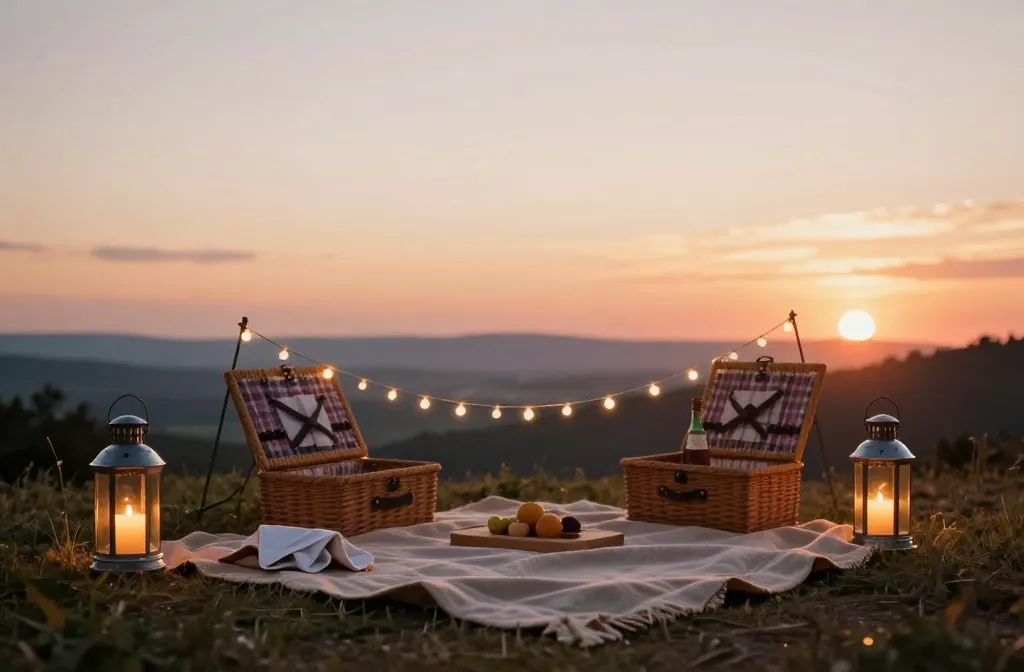
I host sunset picnics a few times every summer, and the lighting always decides whether the evening feels flat or unforgettable. I learned the hard way that pretty lights at home don’t always translate to a windy park or a dim backyard. In this guide, I’ll show you exactly how to use string lights and lanterns to create warm, flattering light that sets up in minutes and survives a breeze. You’ll leave with a simple plan, a short packing list, and foolproof placements you can use tonight.
Pick the Right Lights for Sunset Timing
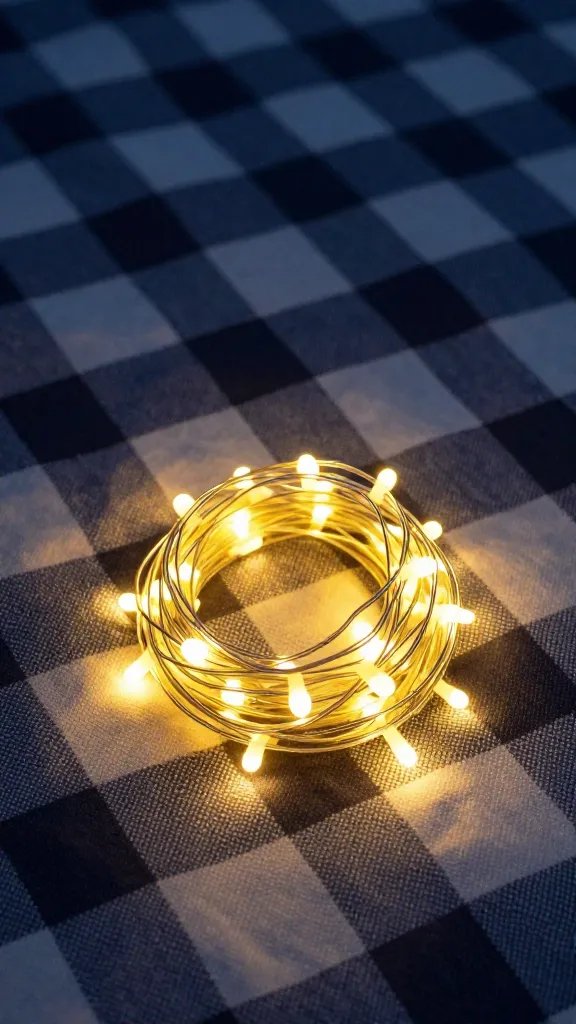
Sunset picnics move from bright to dim in under 30 minutes. I use warm white (2700–3000K) battery string lights for glow, plus two to four metal or glass lanterns for steady anchors. Cool white looks harsh on faces after dusk.
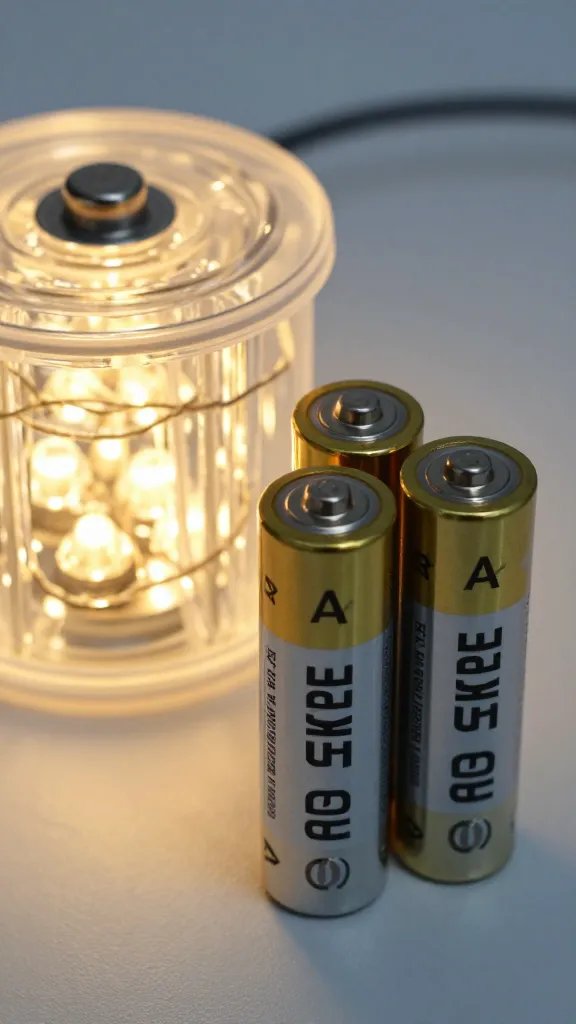
Choose one reliable power type. I pack AA/AAA battery strings (10–20 ft) and LED candles for lanterns. I avoid USB power banks for the main setup; they drift and tangle on blankets.
Action today: Test your lights in a dark room for five minutes. If the light reads blue on skin or flickers, swap to warm white, steady (non-twinkle) LEDs.
Build a Simple, Wind-Safe Layout
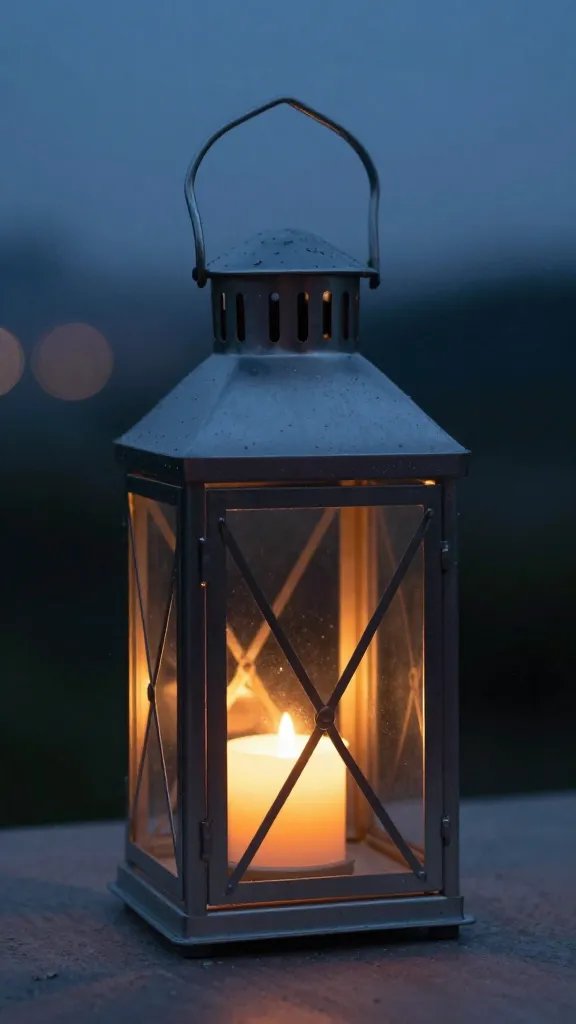
Plan for a light breeze even if the forecast says calm. I keep all light sources within arm’s reach and off the main traffic edges of the blanket. That prevents snags and toppled glass.
My layout: two lanterns at opposite blanket corners for structure, one lantern near the food, and string lights outlining the serving side or winding through a basket handle. If you bring a low folding table or a crate, wrap a single string once around the perimeter for a soft halo.
Action today: Sketch your blanket and mark four light positions: two corners, one food light, one accent string. Pack only what fits those marks.
Stabilize Everything with Household Items
Don’t rely on built-in lantern handles outdoors. I add weight: a zip-top bag of pebbles or coins inside each lantern base. For string lights, I anchor the battery pack under a small plate or inside a weighted tote.
For hard ground, I carry four basic tent stakes and two binder clips. Stakes hold a cord or twine loop; binder clips attach light strands to a picnic basket, a blanket edge with a hem, or a low chair. No drilling, no special hardware.
Step-by-Step: Wind-Proof in 3 Minutes
- Place lanterns first and weight them (pebbles, coins, or a small sandbag).
- Hide battery packs under plates or inside bags so switches face up.
- Run string lights along a single edge and clip them every 12–18 inches.
Action today: Add four binder clips and two zip-top bags to your picnic kit. They solve 80% of wind issues.
Get Warm, Flattering Light on Faces and Food
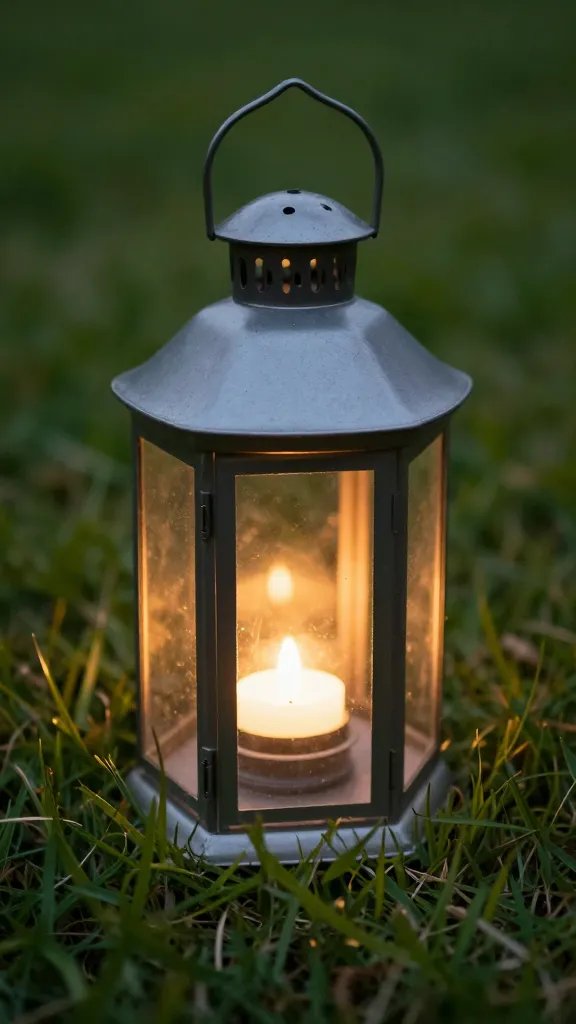
Light from below the face looks spooky; light from eye level feels natural. I raise one lantern on an upside-down tote or crate so the flame sits around chest height when you’re seated. Keep it two feet from faces to avoid glare.
Food needs short, even light. I snake a 10–12 ft string around the serving side and tuck bulbs under the lip of platters so they glow on surfaces, not into eyes. I set all lights to steady mode; twinkle belongs behind you, never on the blanket.
Action today: During your test, hold a lantern at seated chest height and take a quick selfie. Adjust height until skin looks warm without hotspots.
Safe Fuel and Batteries Without Guesswork
I only bring LED candles inside lanterns. Open flame plus a blanket and wind is a bad mix. If you insist on real candles at home, use enclosed hurricane lanterns with chimneys and keep them one arm’s length from fabrics.
For batteries, pack fresh sets and one spare set per 20 ft of lights. Most budget strings run 4–6 hours on new AAs. I label battery packs with a small piece of tape and write “ON 7:45” so I know when to swap.
Warning Signs You’re Risking a Fire
- Exposed flame near napkins, blankets, or dry grass.
- Metal lantern too hot to touch — the candle is too large.
- Loose string lights coiled tightly — heat can build in a pile.
Action today: Replace any real-wax tea lights with two-pack LED tea lights from the garden or hardware store. They look right and travel well.
Fast Setup and Pack-Down You Can Repeat
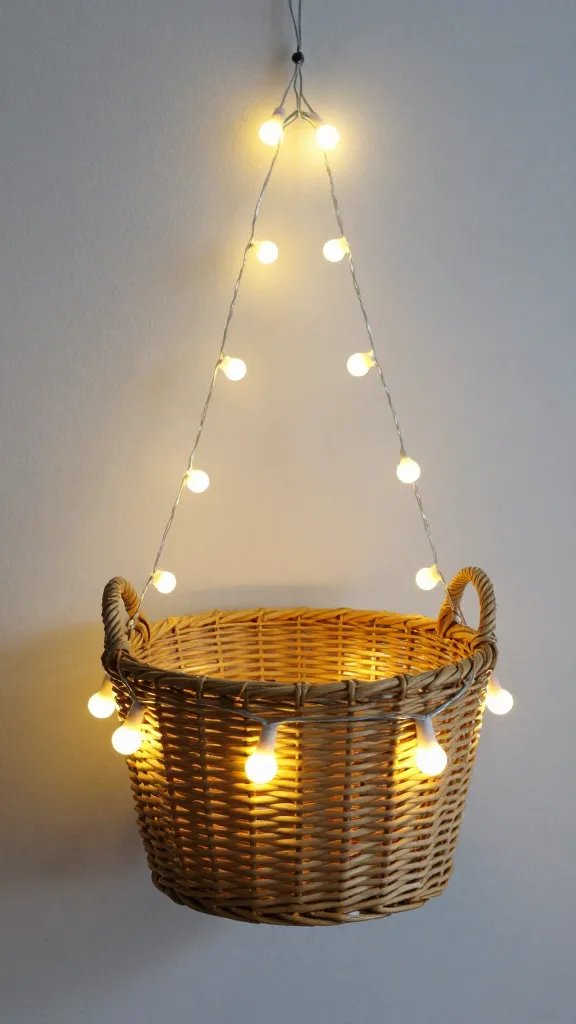
I pack lights “pre-rigged.” One string stays clipped to a dedicated picnic basket handle with the first two bulbs taped along the rim. One lantern lives in a cloth bag with its LED candle inside and a pebble bag already at the base.
At the spot: blanket down, lanterns out and switched on but with doors closed, basket placed, string unspooled along the serving edge, battery pack parked under a plate. I set a 60-minute phone reminder to check brightness and swap batteries if needed.
30-Second Reset When Darkness Drops Fast
- Turn on every light first, adjust positions second.
- Move the highest lantern behind people, not in front.
- Pull string light slack tight to remove glare points.
Action today: Store one string with clips attached and a spare battery set taped to its pack. Future-you will thank you at dusk.
Make It Pretty Without Overpacking
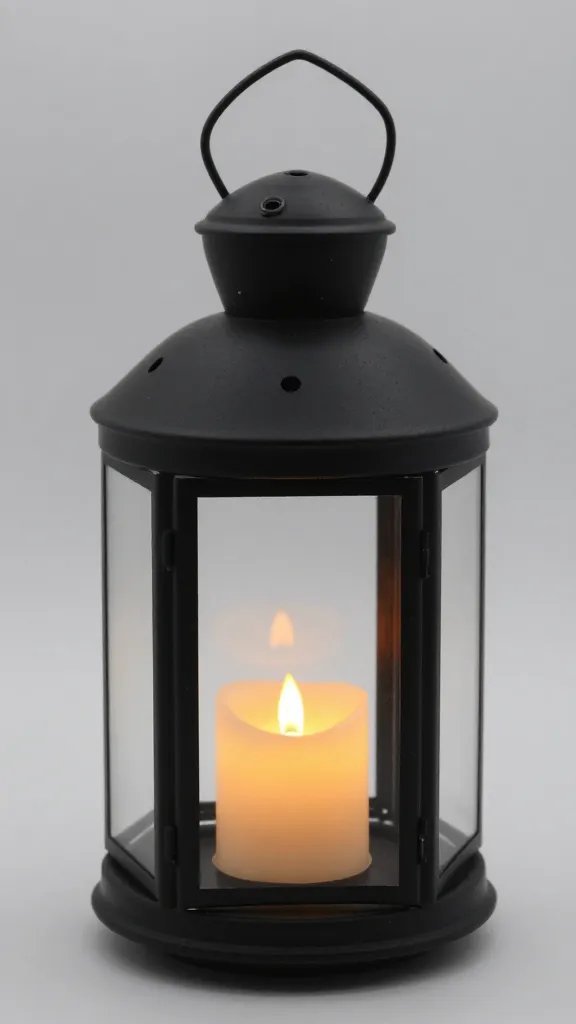
I stick to two finishes so the scene reads cohesive: matte black + clear glass or brushed brass + frosted. Mixed finishes look busy when the sun goes down. One textured item — a rattan tray or a linen runner — adds depth and hides battery packs.
Color comes from one accent: a single strand of micro “fairy” lights in amber inside a water bottle or jar, or a short garland woven into the basket top. Keep the rest warm white for skin tones.
Action today: Choose a finish pair and retire anything that doesn’t match it from your picnic kit.
Frequently Asked Questions
How many string lights and lanterns do I need for four people?
Use one 10–20 ft warm white string and two medium lanterns. Place lanterns at opposite corners of the blanket and run the string along the serving side. If trees or a low table are available, add one extra 10 ft string for an overhead halo.
Can I power lights without buying special gear?
Yes. Choose battery-operated LED strings that run on AA or AAA batteries. Bring one spare set per string and store them in a small zip-top bag. Hide the battery pack under a plate or inside a tote to keep the switch accessible.
What if there are no trees or hooks to hang lights?
Keep everything at ground or lap level. Clip strings to your picnic basket rim, wrap once around a low crate, or weave through the handle of a cooler. Use two binder clips to guide the strand along the blanket edge so it doesn’t tangle feet.
How do I keep bugs away without ruining the vibe?
Warm white LEDs attract fewer insects than bright white. Set a small citronella candle or repellent device 6–8 feet upwind from the blanket, not on it. Keep food covered with mesh domes and switch on lights just as the sun touches the horizon, not earlier.
Are solar lanterns worth bringing?
Only if you charged them in direct sun for at least 6 hours the same day. I use solar as a backup accent, not the main light, because shade or clouds reduce output at dusk. Pack one battery-powered option you can trust regardless of weather.
Conclusion
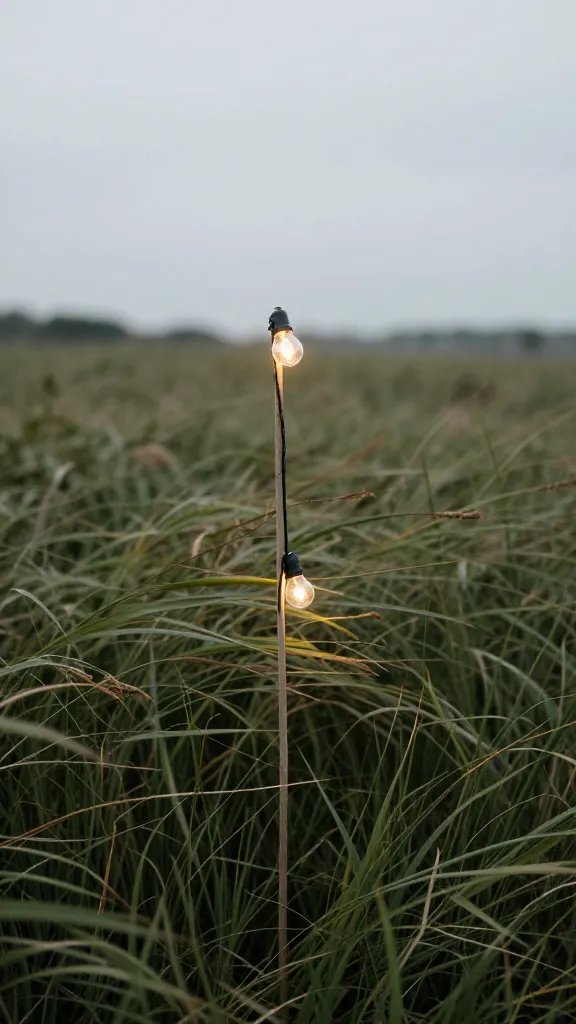
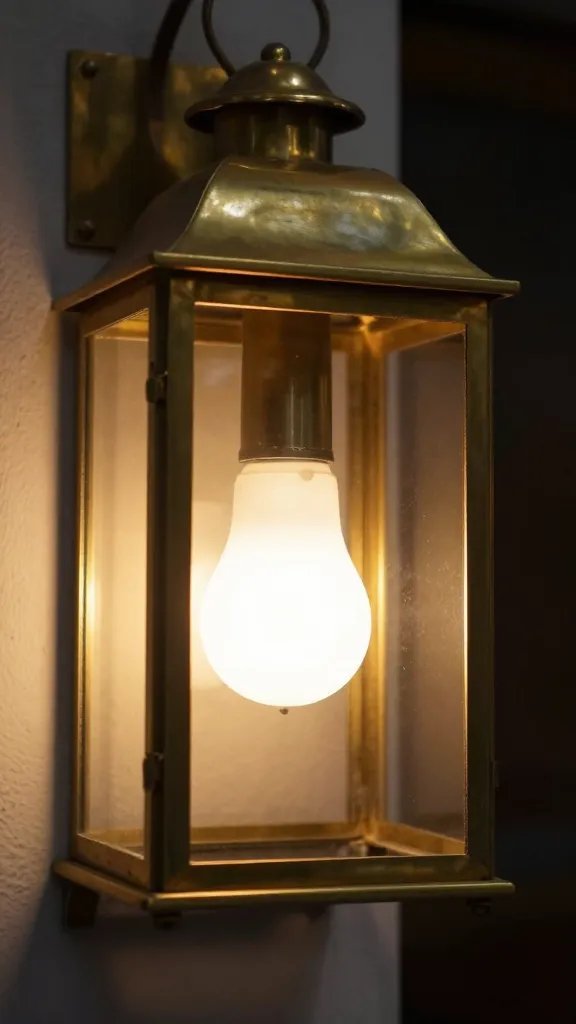
You now have a repeatable plan: warm white LEDs, weighted lantern anchors, a clean layout, and fast setup habits. Pick your finish pair tonight, pre-rig one string with clips and fresh batteries, and run a five-minute test at home. The next sunset picnic you host will feel intentional, look great in photos, and pack away in under three minutes.
Leave a Reply