The Rise of “Social Eating Formats”: Why Low-Pressure Hosting Is Trending Now
· Samantha Jones
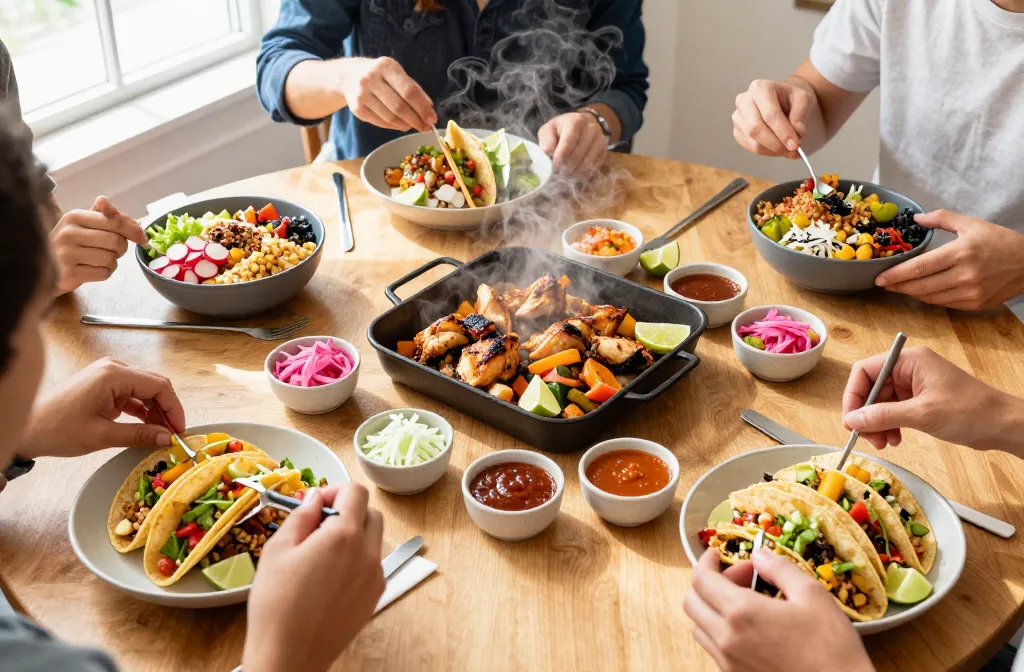
When I started inviting friends over, I burned myself out chasing “perfect” dinners — matching plates, courses, and a soundtrack that never quite hid the stress. My guests felt it too; they offered to help, then hovered while I guarded the kitchen. The shift came when I stopped performing and switched to social eating formats — meals built for pitching in, pausing, and real conversation. In this guide, I’ll show you the exact setups, shopping lists, and timing that make low-pressure hosting work every single time.
What “Social Eating Formats” Actually Mean (And Why They Work)

Social eating formats turn hosting from a performance into a shared activity. Think build-your-own tacos, sheet-pan grazing, hot pot, or picnic-style boards where guests assemble their own plates.
These formats reduce the single point of failure — you. You prep components ahead, then let guests self-serve at the table. People engage more, eat what they like, and the energy stays relaxed.
Action today: Pick one meal you already make and convert it to “assemble-at-the-table” — tacos, baked potatoes, or grain bowls — and write a 6-item topping list.
Designing A Low-Pressure Menu: One Hot, One Cold, One Fun

I use a simple rule: one hot anchor, one cold crunchy thing, one “fun” sauce or topping. This keeps variety without a sprawling menu.
- Hot anchor: Sheet-pan chicken thighs, roasted vegetables, or baked potatoes. Use a single oven temperature (200°C/400°F) and one pan per 4 people.
- Cold crunch: Pre-washed salad leaves with lemon-olive oil dressing or cut cucumbers/radishes. Keep it in a big bowl near the table.
- Fun topper: Herby yogurt, chimichurri, or a shop-bought dip upgraded with lemon zest and chopped herbs.
Mix and match to fit dietary needs: roast chickpeas or halloumi instead of chicken; use gluten-free tortillas or rice alongside potatoes.
Action today: Decide your trio for the next invite and set phone reminders: buy groceries two days before, chop veg the day before, heat and assemble on the day.
Shopping And Prep: The 48–24–2 Plan

I stopped sprinting on the day of the meal when I split tasks by time. The 48–24–2 plan prevents last-minute chaos and keeps your counters clear.
48 Hours Before: Buy The Non-Perishables
- Tortillas, rice, noodles, canned beans, jarred salsa, stock cubes, olive oil, foil, napkins.
- Drinks: Sparkling water, a citrus, and one bottle of wine per four people.
24 Hours Before: Chop And Marinate
- Chop onions, peppers, cucumbers, and herbs. Store in clear containers.
- Marinate proteins in zip bags or bowls with lids; stack them in the coldest fridge shelf.
- Make one sauce; label it and note “serve at room temp.”
2 Hours Before: Set The Stage
- Clear the table. Place plates, cutlery, napkins, and glasses in reach so guests can self-serve.
- Preheat the oven and put out a trash/recycling station.
- Assign one spot for hot pans with a trivet and two serving spoons.
Action today: Create a reusable checklist on your phone with three headers: 48h, 24h, 2h. Add your usual staples and save it.
Formats That Run Themselves (And Exactly How To Do Them)
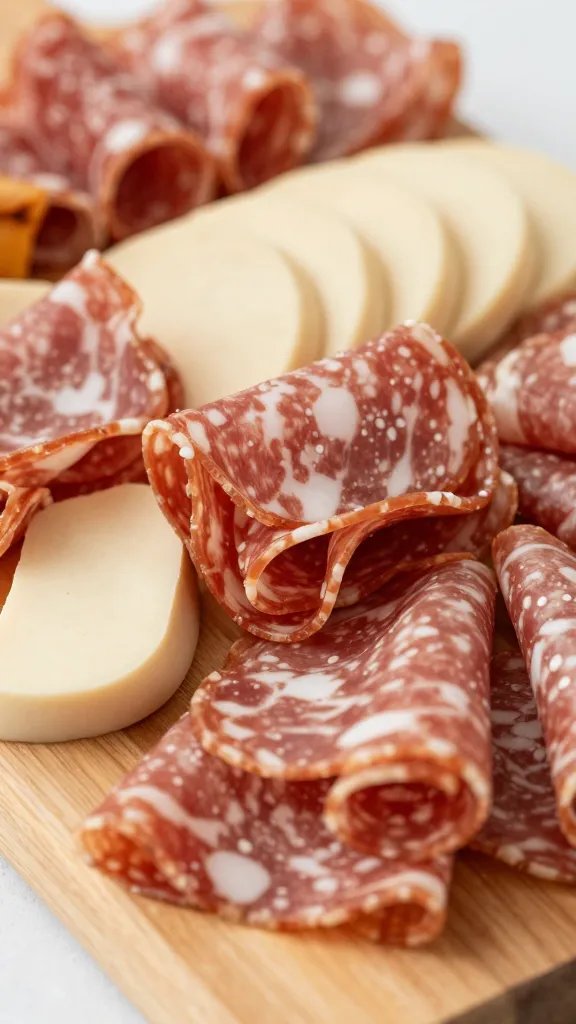
Build-Your-Own Tacos (6 People)
- Hot: 1.2 kg chicken thighs with taco seasoning, roasted 30–35 minutes at 200°C/400°F. Warm 18 small tortillas wrapped in foil for 10 minutes.
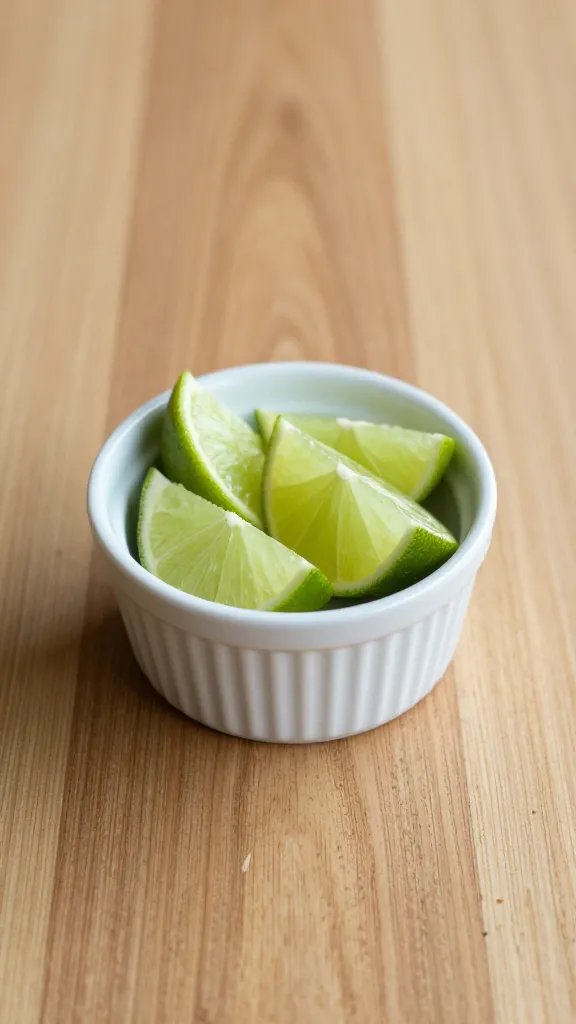
- Cold: Shredded lettuce, diced tomatoes, sliced red onion, lime wedges.
- Fun: Herby yogurt: 1 cup yogurt, zest of 1 lime, 1 small bunch chopped coriander, pinch of salt.
Tray-Bake Mezze (6 People)
- Hot: Two sheet pans: cubed sweet potatoes and peppers on one; halloumi or sausage on the other. Roast 25 minutes, flip halfway.
- Cold: Hummus (store-bought), cucumbers, olives, cherry tomatoes.
- Fun: Quick pickled onions: 1 red onion in 1/2 cup vinegar, 1/2 cup water, 1 tbsp sugar, 1 tsp salt, 30 minutes.
Soup And Bread Board (8 People)
- Hot: Big pot of tomato-lentil soup. Keep warm on the lowest burner with a ladle.
- Cold: Pre-washed salad, olive oil, lemon, salt in a small bowl with a spoon.
- Fun: Bread board: sliced crusty loaf, butter, olives, and a jar of pesto.
Action today: Choose one format and copy the bullet ingredients into your shopping list app as a saved template.
Setting The Room To Encourage Participation

People help when the room tells them how. I keep platters in the middle and put serving utensils in every dish so no one asks permission.
Lighting matters more than decor. Turn on lamps, dim overheads, and light one unscented candle away from food. Music should be low enough that you hear a normal voice from across the table.
Action today: Rearrange your table so guests can reach from both sides; stash a small bin under the table for quick clean-up mid-meal.
Hosting Without Dietary Landmines

I ask one clear question in the invite: “Any allergies or foods you don’t eat?” Then I plan the anchor and two sides so each person gets a full plate without special cooking.
- Vegetarian: Roast chickpeas or halloumi as the hot anchor; keep meat as an optional add-on.
- Gluten-free: Offer rice or potatoes alongside bread or tortillas; check labels on sauces.
- Dairy-free: Olive oil–based dressings and salsa; keep cheese on the side.
Action today: Add one plant-based protein and one gluten-free starch to your default menu template.
Cleaning As You Go: The 10-Minute Reset

I do one reset right after guests arrive and another before dessert. Each takes 10 minutes and keeps the night calm.
- Fill the sink with hot soapy water for utensils and knives.
- Dump scraps and packaging into the bin or recycling.
- Wipe counters with a damp cloth and stack used sheet pans near the sink.
- Swap serving spoons if they get messy; top up napkins.
After guests leave, I seal leftovers in clear containers, pour boiling water on pans to loosen bits, and run the dishwasher immediately.
Action today: Place a clean tub or bowl on the counter before guests arrive — all dirty tools go straight in so surfaces stay clear.
How To Invite People So They Actually Say Yes
Low pressure starts in the message. I name the format, the time range, and the vibe, and I give people an easy out.
Example: “Saturday 6–9, build-your-own tacos at mine. Come hungry, bring nothing, or bring a favorite hot sauce if you want. Kids welcome. No shoes inside.” People relax when they know what to expect.
Action today: Draft and save a short invite template with date, time window, format, and one optional “bring if you like.”
Frequently Asked Questions

How do I keep food hot without fancy gear?
Use your oven as a holding cabinet at 90–100°C (195–210°F) with foil-covered trays. Warm plates in the oven for 5 minutes just before serving. Keep soup on the lowest burner with the lid cracked and stir every 10 minutes. If something dries out, splash with a little water or stock and re-cover.
What if guests arrive late and the food is ready?
Hold the hot anchor in the oven at low heat and keep cold items in the fridge. Start with a snack board so early arrivals have something to nibble. When late guests show up, refresh hot items for 5 minutes at 200°C/400°F. Announce a relaxed “serve yourself when you’re ready” so no one waits in silence.
How much should I buy per person?
Plan 150–200 g (5–7 oz) cooked protein per adult, 1.5 cups of starch (rice, potatoes, tortillas), and 2 cups of vegetables/salad. For sauces and dips, 2–3 tablespoons per person covers it. Buy one extra loaf of bread or an extra pack of tortillas “just in case” — they store well if unopened.
How do I host with a tiny kitchen?
Prep cold items the day before and use the table as your assembly line. Choose a single sheet-pan meal and avoid multi-pot dishes. Serve water and drinks from a tray in the living room so the kitchen stays clear. Borrow a folding table or use a clean ironing board with a cloth as an extra surface.
What dessert fits the low-pressure approach?
Go for a “scoop and serve” dessert: ice cream with store-bought brownies, fruit with whipped cream, or a trifle assembled in a glass bowl. Keep it in the fridge and bring it out when the main slows. Put a stack of bowls and spoons on the table and let guests serve themselves.
Conclusion

You don’t need perfect plating to host well — you need a format that invites people in. Pick one social eating setup, lock in your 48–24–2 plan, and send a plainspoken invite. Do that once this month, then save your checklist and repeat; you’ll build a rhythm that makes gathering feel easy and frequent, not rare and exhausting.
Leave a Reply