How to Create a Vibrant Charcuterie Board Using Seasonal Fruit Tonight
· Samantha Jones
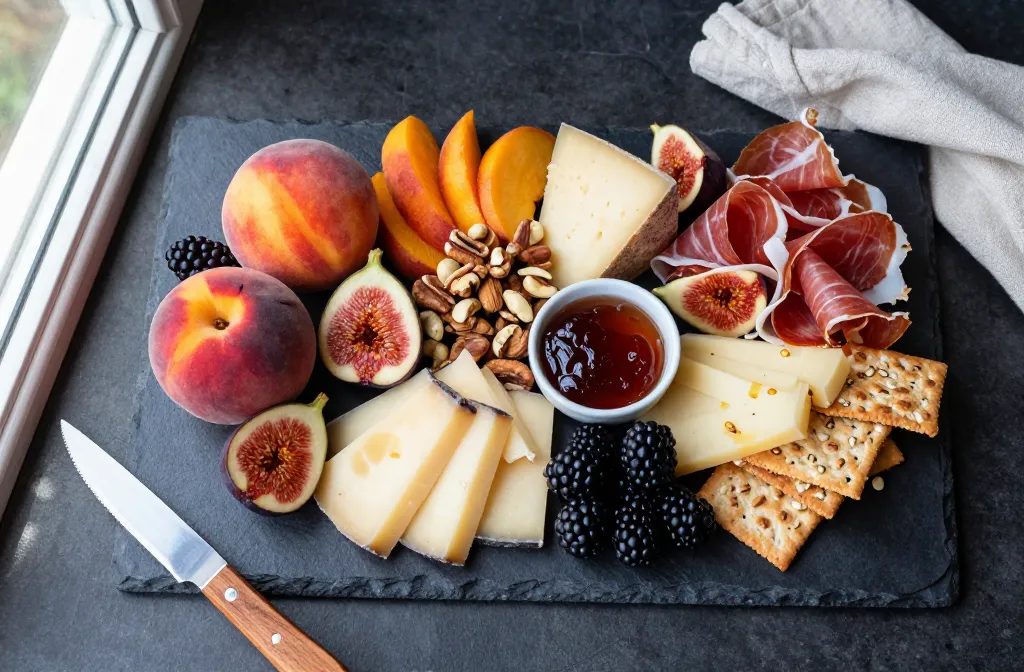
I host small get-togethers in a tiny apartment, so I learned fast that a charcuterie board lives or dies by what’s in season. The first time I swapped winter citrus for out-of-season berries, guests wiped the board clean in 20 minutes. In this guide, I’ll show you exactly how to use seasonal fruit to make colors pop, balance salty meats and cheeses, and avoid the soggy, browning mess that turns people off. You’ll leave knowing what to buy, how to prep it quickly, and how to arrange it so every bite tastes intentional.
Start With the Season: What to Buy Right Now

Seasonal fruit tastes brighter, costs less, and looks better on the board. I build around 2-3 fruits per season, then fill gaps with pantry-friendly items like nuts and crackers.
Fruit Shortlists by Season
- Spring: Strawberries, cherries, apricots. Add radishes and snap peas for crunch.
- Summer: Peaches, nectarines, plums, blackberries, figs (late summer). Cucumbers for refreshment.
- Autumn: Pears, apples, grapes, pomegranates. Fennel and roasted squash for depth.
- Winter: Citrus (navels, mandarins, blood oranges), persimmons, kiwifruit, dates. Endive for crisp boats.
Action today: Pick one season from the list and choose exactly three fruits from it — no more. Limiting variety keeps the board cohesive and fast to shop for.
Balance Flavors So Every Bite Lands
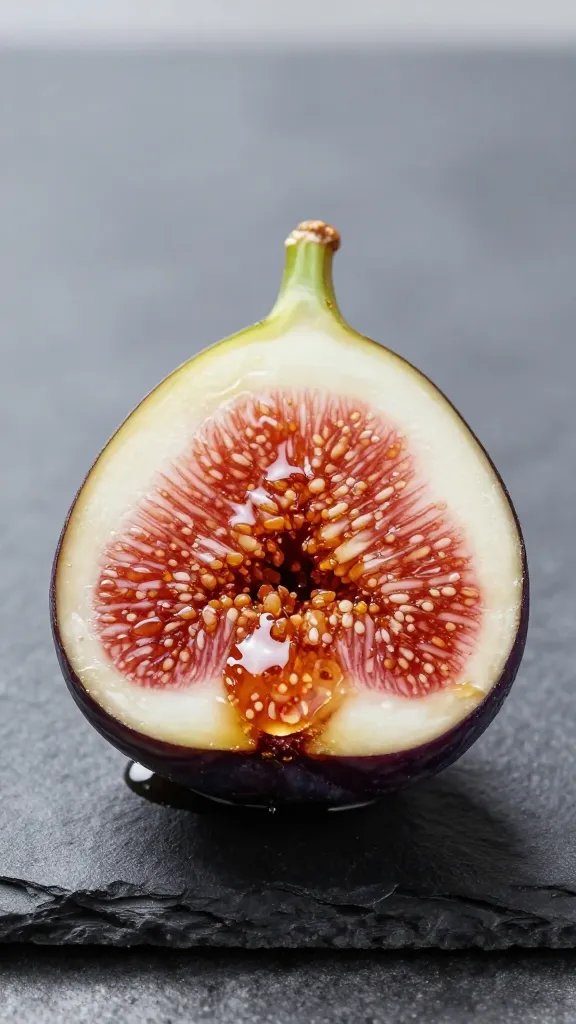
Fruit brings sweetness and acid; your job is to match it with salt, fat, and crunch. I use a simple triangle: one soft cheese, one firm cheese, one blue or funky; plus two cured meats and two crunchy elements.
Reliable Pairings That Don’t Miss
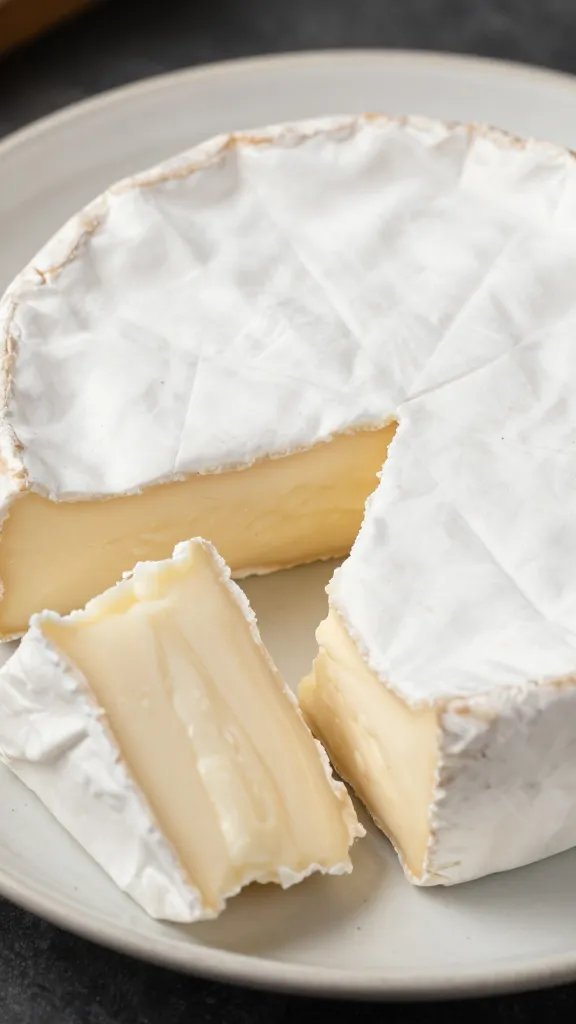
- Soft + Acidic Fruit: Brie with strawberries or citrus. The rind loves tang.
- Firm + Juicy Stone Fruit: Aged cheddar with peaches or plums. Salt sharpens the fruit.
- Blue + Pear/Apple: Gorgonzola or Roquefort with pears or crisp apples. Add honey for balance.
- Salami + Grapes: Fennel salami with red grapes. The anise note lifts the fruit.
- Prosciutto + Melon/Figs: Classic for a reason. The salt amplifies perfume.
Action today: Choose one fruit and pair it with one cheese and one meat from the list. Plan three “perfect bites” for your board and build around them.
Prep Fruit So It Stays Fresh and Photo-Ready
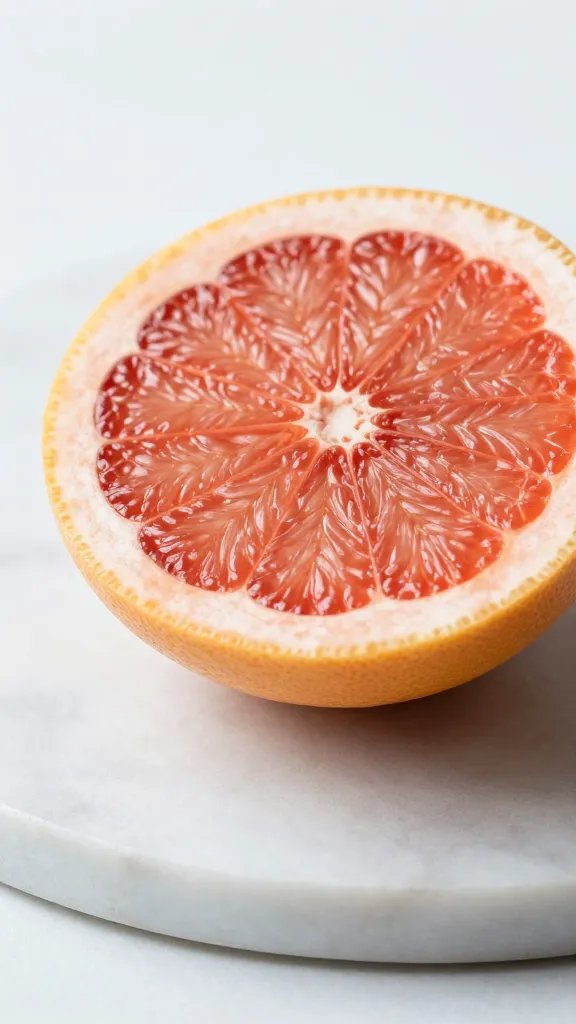
Gorgeous fruit turns limp or brown fast if you cut it too early or store it wet. I prep right before guests arrive and keep a small bowl of lemon water on the counter to prevent browning.
Step-by-Step Fruit Prep
- Wash and dry fully: Rinse in cool water, then pat bone-dry with a clean towel. Wet fruit makes crackers soggy.
- Slice for grip: Cut apples and pears into 0.5 cm slices on a bias so they stack. Halve grapes lengthwise. Quarter figs. Segment citrus cleanly to remove pith.
- Stop browning: Dip apple and pear slices in a mix of 1 cup water + 1 tablespoon lemon juice. Pat dry again.
- De-seed where needed: For stone fruit, remove pits and slice into thin wedges that fit on crackers.
- Contain the juices: Place juicy items (citrus, melon) in small bowls or on a separate ceramic saucer on the board.
Action today: Mix a small bowl of lemon water and prep one apple or pear now; store the slices between paper towels in the fridge for up to 4 hours without browning.
Choose Cheeses and Meats That Welcome Fruit

I buy three cheeses and two meats for a medium board (6–8 people). I aim for contrast in texture and salt level so fruit has a clear role.
My Grab-and-Go Shopping List
- Cheeses: Brie or Camembert (soft), Aged Cheddar or Manchego (firm), Gorgonzola Dolce or Roquefort (blue).
- Meats: Prosciutto and fennel salami. Add soppressata if you want more spice.
- Crunch and carriers: Plain water crackers, seeded crisps, and a baguette sliced 1 cm thick.
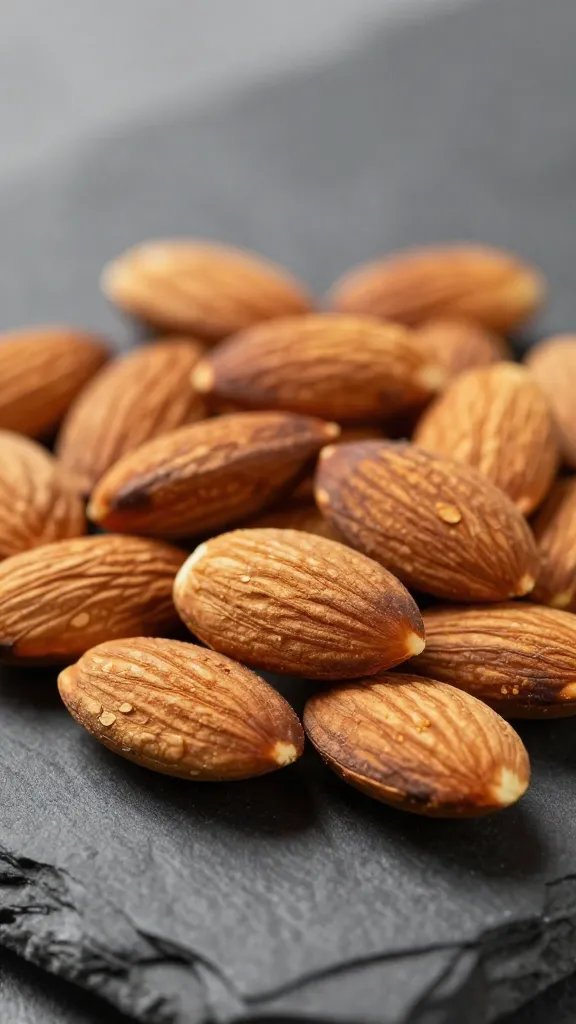
- Extras that bind flavors: Honey, whole-grain mustard, fig jam, and roasted nuts (almonds, pistachios, walnuts).
Action today: Pick one soft cheese and one firm cheese from the list and add them to your grocery plan — these two cover 80% of fruit pairings.
Arrange for Color, Flow, and Easy Bites
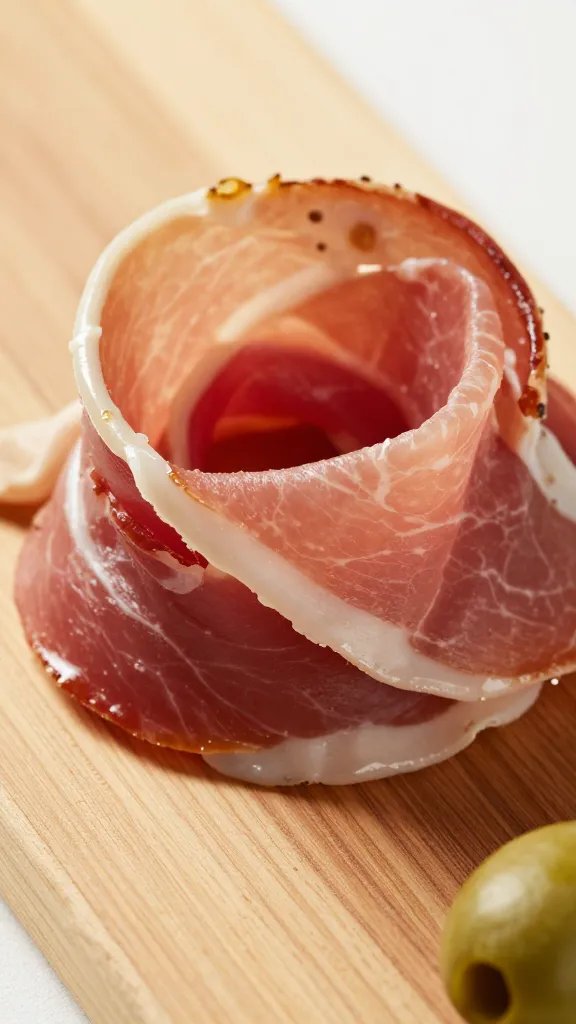
Layout controls how people eat. I group by pairing, not by category, so guests see the “suggested bites” without asking.
Fast Board Assembly (10 Minutes)
- Place anchors: Set cheeses first, spaced like a triangle. Keep 8–10 cm between them.
- Add bowls: Drop small bowls for citrus segments, olives, honey, and jams near their matching cheese.
- Fold meats: Ribbon prosciutto and “salami rivers” (overlapped half-moons) to create pathways between cheeses.
- Fan fruit: Fan sliced fruit beside its best match: pears next to blue, berries next to brie, stone fruit beside cheddar or Manchego.
- Fill gaps: Use nuts to plug small holes and crackers to frame the edges. Add a few herb sprigs (mint with berries, rosemary with pears) for color and aroma.
- Tools: One knife per cheese, a small spoon for honey, and toothpicks near small fruit to keep fingers clean.
Action today: Practice a dry layout on your board with three empty bowls and two blocks (stand-in cheeses) so you know your spacing before guests arrive.
Keep Everything Fresh on the Table
Fruit weeps and cheese slumps under warm lights. I set a quiet 45-minute timer to rotate or refresh high-moisture items.
Warning Signs and Quick Fixes
- Watery fruit edges: Move juicy items back into bowls; replace paper towels under them if you used saucers.
- Soggy crackers: Refresh from a sealed stash; keep half your crackers off-board until needed.
- Wilting herbs: Swap for fresh sprigs you kept in a glass of water in the fridge.
- Cheese drying out: Lightly drape with parchment when guests arrive; remove as people start eating.
Action today: Set aside 1 cup of extra crackers in a sealed container and a handful of fresh herb sprigs in water — that five-second refresh keeps the board looking new for two hours.
Scale for Crowd Size Without Overbuying
I use simple counts, not weights, so shopping stays easy. For a light appetizer, I plan 5–6 bites per person; for a grazing dinner, 10–12 bites.
Portion Guide
- 6–8 people (appetizer): 3 cheeses (150–200 g each), 2 meats (100–150 g each), 2–3 fruits (3 cups total sliced), 2 cracker types (one box each), 1 jar honey or jam, 2 handfuls nuts.
- 10–12 people (grazing): 4 cheeses, 3 meats, 3–4 fruits (5–6 cups sliced), 3 cracker types, 2 dips/spreads, 3 handfuls nuts.
Action today: Write your guest count and pick a target of 6 or 10 bites per person — then multiply out fruit and cracker quantities so you buy once, not twice.
Frequently Asked Questions

How far in advance can I cut fruit for a charcuterie board?
Cut most fruit 1–2 hours before serving and keep it chilled. Dip apples and pears in lemon water (1 tablespoon lemon per cup of water) to prevent browning, then pat dry. Store slices between paper towels in a sealed container. Avoid cutting berries and figs too early — rinse and dry them, then slice right before assembly.
What if my fruit isn’t very sweet?
Use salt and fat to compensate. Pair less-sweet fruit with saltier cheeses like aged cheddar or with prosciutto, and add a drizzle of honey on the side. A squeeze of orange over bland berries can brighten them. Lightly roasting underripe stone fruit for 8–10 minutes at 200°C concentrates flavor without turning it mushy.
How do I keep crackers from getting soggy next to juicy fruit?
Physically separate wet items using small bowls or a ceramic saucer. Keep half your crackers off the board in a sealed container, then replenish every 20–30 minutes. Always dry fruit after washing and after any lemon dip. Build “moisture moats” with nuts between fruit and crackers.
What’s a budget-friendly cheese and meat combo that still pairs well with fruit?
Buy a small wheel of brie, a block of sharp cheddar, and one salami. These three cover almost all seasonal fruit pairings. Add a basic honey and a store-brand fig jam for range. Spend your color budget on in-season fruit, not extra cheeses.
How do I make a vegan-friendly section without a second board?
Create one clearly defined zone with plant-based cheese, nuts, and fruit, and use separate knives. Add hummus or white-bean dip and olive tapenade for savory depth. Choose seeded crackers without butter and label the area with a small note card. Keep meats a full hand’s width away to avoid contact.
Conclusion


You don’t need a gourmet pantry to make a standout board — you need seasonal fruit, smart pairings, and clean layout. Pick your three fruits, match each with a cheese and meat, and practice the placement once on an empty board. Your next step: set a date, write a 10-item shopping list from the sections above, and enjoy a board that looks intentional and tastes balanced from first bite to last.
Leave a Reply