The “Picnic Quiz”: A Fun Ice-Breaker for New Friends
· Yogi

I’ve watched too many first meetups stall after “So, what do you do?” The room goes quiet, people stare at their drinks, and small talk grinds along. The “Picnic Quiz” fixed that for my groups by giving everyone a playful rule to riff on. In this guide, I’ll show you exactly how to run it, keep it lively, and adapt it for any crowd so strangers start talking like teammates within minutes.
What the Picnic Quiz Is And Why It Works
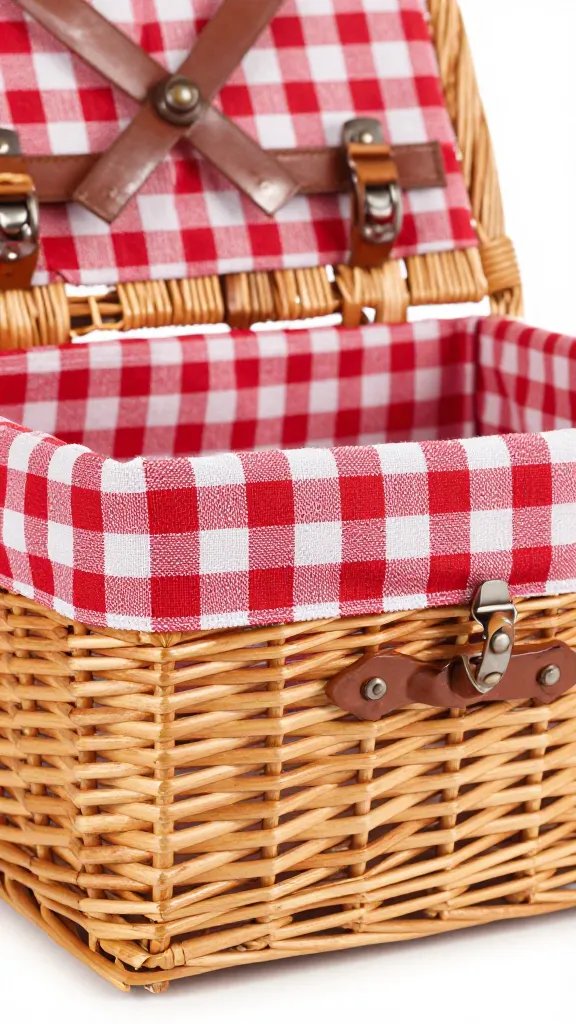
The Picnic Quiz is a simple alphabet-based game: you “pack a picnic,” but you can only bring items that follow a hidden rule. Everyone takes turns guessing by offering items, and the host confirms if each item “can come.” As guesses land, players deduce the rule and start building on each other’s ideas.
It works because it replaces high-pressure sharing (“tell us your life story”) with a shared puzzle. People reveal personality through choices and humor while collaborating toward a clear goal. That mix of low stakes and quick wins warms up even quiet tables.
Action today: Try a two-minute demo with one friend: choose the rule “items must start with your first initial” and run three turns to see how fast it loosens conversation.
Core Rules That Keep It Smooth

I keep the setup tight so no one gets stuck. I open with: “We’re packing a picnic. I have a secret rule. If your item fits, it can come. If not, it stays home. Ask yes/no questions, but the rule stays secret until most people have it.”
Pick rules that are discoverable in 3–7 correct guesses. Too easy bores; too obscure frustrates. I avoid rules that require specialist knowledge and stick to patterns most adults know from daily life.
Reliable Rule Ideas
- Starts with the host’s first initial (easiest warm-up)
- Has double letters (coffee, apples, berries)
- Contains exactly five letters (bread, grapes no; water yes)
- Ends with a vowel (avocado, sushi, chai)
- Same first and last letter (naan, hummus no; pita no; feta no; salsa yes)
- Rhymes with a picnic staple (chip → dip, whip)
Action today: Choose one “easy,” one “medium,” and one “tricky” rule from the list and write them on your phone for your next gathering.
How to Run a Round Step-By-Step

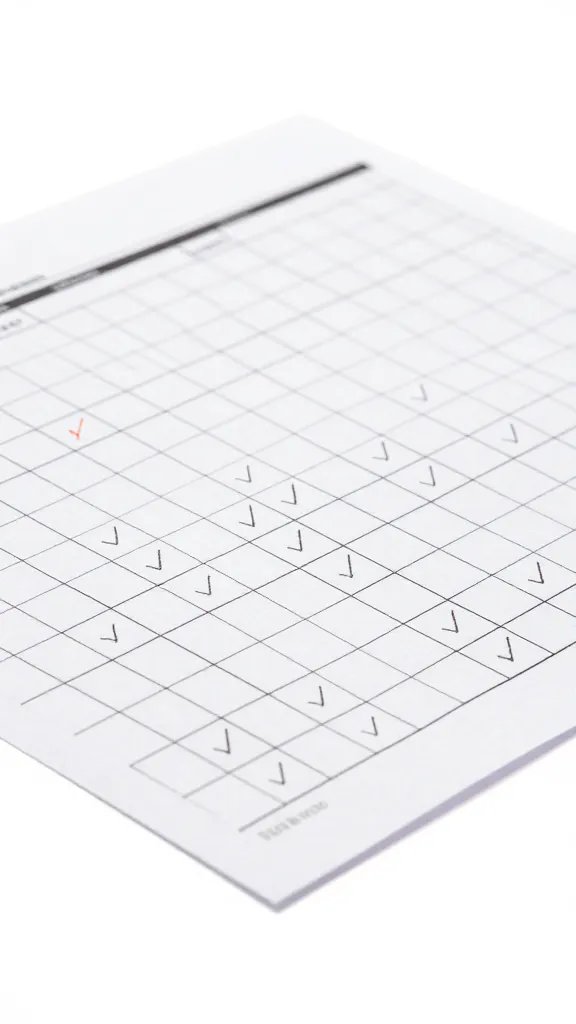


I time-box each round to 6–10 minutes so energy stays high. I rotate who starts to spread attention and make quick rulings to keep flow.
Facilitator Script
- Set the scene: “We’re packing a picnic with a secret rule.” Smile, make eye contact around the group.
- Give one example: “I’m bringing coffee.” Approve it to seed the pattern.
- Go clockwise: Invite short turns: “What are you bringing?” Give only “comes/doesn’t come.”
- Allow quick clarifiers: Yes/no only. Cut off over-explaining with “Let’s test another item.”
- Signal nearing the end: “Two more turns, then I’ll reveal or we’ll crown the
Leave a Reply