Quiet Vibes Only the Etiquette of Music: Choosing the Right Volume for Public Spaces
· Yasmine Taljaard
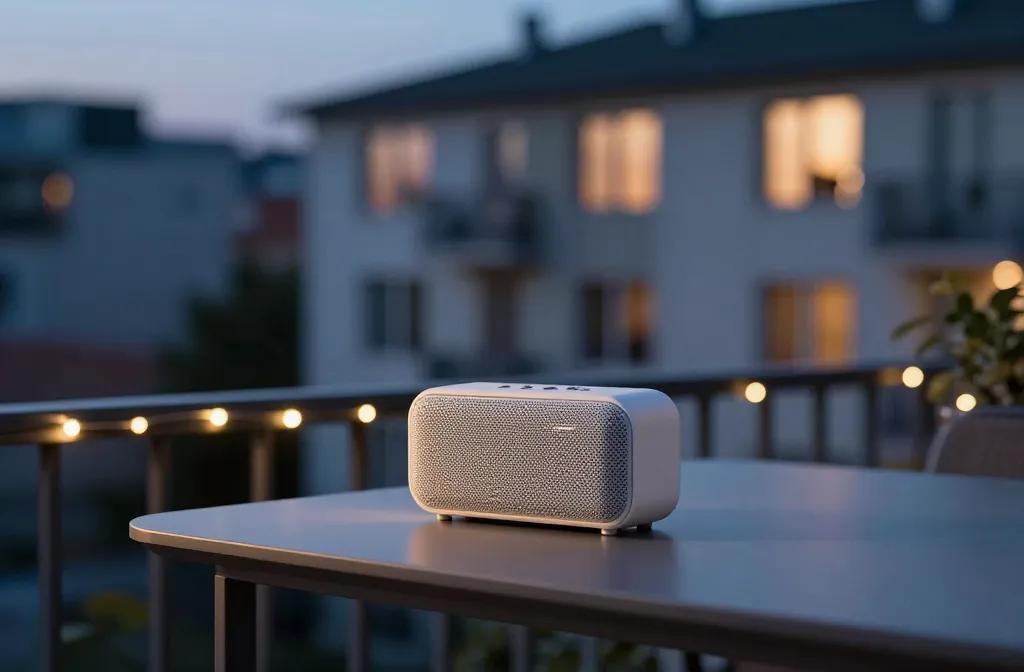
I’ve hosted balcony dinners with a small speaker and still slept well knowing the people next door weren’t drafting a complaint. I’ve also learned the hard way that what sounds “background” at arm’s length turns into a wall of noise through a shared wall. In this guide, I’ll show you how to set music at a considerate, enjoyable level anywhere people share space — hallways, balconies, stairwells, parks, and community gardens. You’ll learn simple checks, time-of-day rules, and gear tweaks that prevent conflict before it starts.
Why Shared Walls Turn Quiet Music Into Loud Noise

Hard surfaces reflect and amplify sound, and low frequencies travel through walls and floors like a slow thump. What feels gentle in your living room can rattle a neighbor’s picture frame because bass transfers as vibration. Wind and open corridors in outdoor areas funnel sound further than you expect, especially in courtyards and alleys.
Turn down bass first, not just overall volume. Reducing low-end by one third often calms complaints without ruining the mood.
Action today: Play a favorite track, then step into your hallway or onto the landing for 20 seconds; if you still hear clear lyrics, it’s too loud for shared spaces — lower bass and volume by two clicks each.
The Two-Meter and Closed-Door Tests
I use two fast checks that never fail. Indoors: stand two meters (about two long strides) from the speaker and close a door between you and the room with music. If you can follow the lyrics or pick out hi-hats clearly, neighbors can too. Outdoors: walk two car lengths away (about 8–10 meters); if you can sing along without guessing, you’re broadcasting, not hosting.
When in doubt, prioritize spoken conversation. If people naturally raise their voices to talk, the music’s too loud for a shared environment.
Action today: Set volume so normal conversation at arm’s length feels effortless — no leaning in, no repeating.
Time-of-Day and Building Norms That Actually Keep the Peace
Quiet hours exist for a reason, and you don’t need the strata bylaws to act respectfully. Treat 9 p.m.–8 a.m. as quiet hours on weeknights and 10 p.m.–9 a.m. on weekends unless your building posts stricter rules. In those windows, switch to headphones or keep music at a level where lyrics blur into indistinct sound at your front door.
Daytime still isn’t a free-for-all. Nap times, work-from-home calls, and open windows change the calculus. Keep doors and windows mostly closed when playing music above a whisper.
Action today: Set a nightly reminder 30 minutes before quiet hours to either lower volume two notches and cut bass, or move to headphones.
Speaker Placement That Reduces Complaints Instantly
Point the speaker toward soft surfaces and away from shared walls. Aim it at curtains, a couch, or a bookshelf — these absorb sound and strip harshness. Lifting a small speaker off hard shelves with a folded towel or foam pad stops vibration from traveling into studs and floors.
Outdoors, keep speakers low and closer to listeners, never perched on railings or facing across courtyards. The higher and more exposed the speaker, the farther your music travels.
Action today: Move your speaker one meter away from a shared wall and place it on a soft pad; you’ll drop perceived loudness next door without touching the volume.
Use Your EQ: The Simple Bass and Treble Adjustments That Matter

Most phone and Bluetooth apps include presets. Choose “Speech,” “Acoustic,” or “Night Mode” instead of “Bass Boost.” Roll bass down 20–40% and nudge mids up slightly so music stays clear at lower volumes. This lets you enjoy detail at humane levels.
Skip heavy sub-bass tracks in public spaces. If you want energy, use upbeat acoustic, lo-fi, or jazz playlists that keep rhythm without rumble.
Action today: Open your music app’s EQ and save a “Shared Space” preset with bass -30%, mids +10%, treble neutral.
Headphone and Small-Gathering Alternatives That Still Feel Social
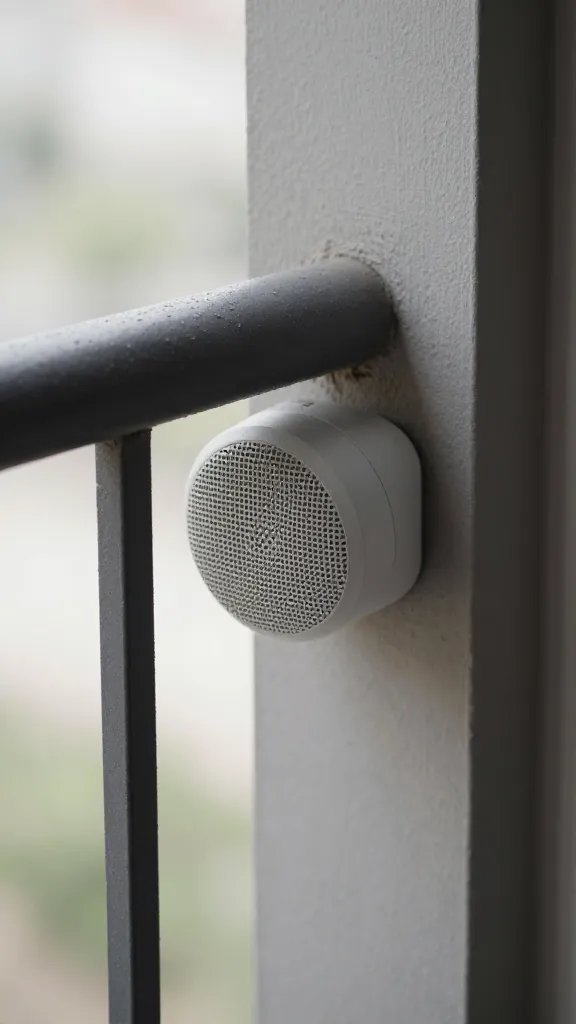
For late evenings or thin-walled buildings, switch to over-ear headphones that don’t leak. If you still want group vibes, run a quiet background level and invite guests to queue songs rather than shouting requests. In community gardens or parks, a compact speaker at picnic-table level, pointed inward toward your group, keeps sound contained.
I also keep a “conversation-first” playlist at hand: instrumental, light percussion, no heavy low-end. That alone prevents half of volume creep.
Action today: Build a 90-minute instrumental playlist and label it “Balcony/Shared Spaces” so you’re not scrambling when friends arrive.
Reading the Room: Real-Time Signals You’re Too Loud
People telegraph discomfort before they complain. Watch for neighbors closing windows that were open, lingering looks at your balcony, or guests leaning forward to hear names during introductions. If you notice any of these, drop two volume notches and reduce bass.
When someone asks to lower it, do it once and for all — don’t creep it back up. You’ll earn trust that pays off for future gatherings.
Action today: Agree with guests on a “hand tap” signal — one tap on the table means drop the volume two clicks immediately.
Frequently Asked Questions
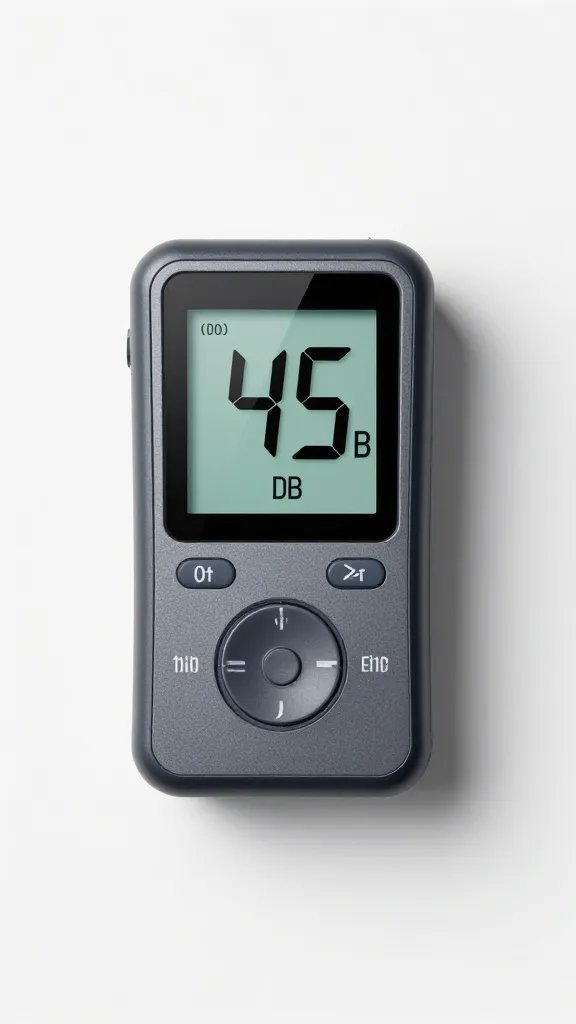
How loud is “background” music at home without a sound meter?
Background means you can talk at normal volume without leaning in and you can’t follow lyrics from your hallway with the door closed. At two meters from the speaker, the music should feel like a gentle layer, not a focus. If you have to raise your voice to greet someone at the door, it’s not background. Lower by two clicks and cut bass.
What if my neighbor’s music is loud — how should I approach them?
Pick a calm moment, not mid-party. Knock, introduce yourself, and describe one specific impact (“I can’t hear my work call in the bedroom”). Ask for one clear change: “Could you lower bass or move the speaker off the shared wall?” Thank them when they adjust — positive feedback cements the habit.
Are certain music genres always unacceptable in shared spaces?
No genre is off-limits, but strong sub-bass travels the worst. Hip-hop, EDM, and heavy rock at low bass settings can still work indoors. For late evenings or thin walls, prefer acoustic, jazz, or instrumental electronica with light kick drums. Keep high-energy tracks for headphones after quiet hours.
What’s an acceptable volume on balconies or patios?
If someone on the sidewalk below can make out lyrics, it’s too loud. Keep the speaker near you, pointed inward, at a level where conversation flows without raised voices. Windy nights carry sound; drop one extra notch when you feel a steady breeze. After 9–10 p.m., switch to headphones or bring the gathering indoors with windows closed.
Do small speakers mean I’m automatically being considerate?
No. Even tiny speakers can sound harsh or travel far if they sit on hard surfaces or face open courtyards. Placement and EQ matter more than size. Decouple the speaker from shelves with a towel, lower bass, and orient it toward soft furnishings.
Conclusion

Choosing the right volume isn’t guesswork — it’s a simple routine of two-meter checks, bass control, and smart placement. Start with the hallway test tonight, save a low-bass EQ preset, and pick a conversation-friendly playlist. Once you see how little it takes to keep the peace, you’ll stop thinking about volume and start enjoying the company — and your neighbors will, too.
Leave a Reply