Nail It: How to Decline a Potluck Invite Without Offending the Host
· Yasmine Taljaard

I’ve hosted neighborhood potlucks where three people bowed out gracefully and one vanished the morning of, taking the dessert course with them. I learned fast that a thoughtful “no” is kinder than a wobbly “maybe.” If you dread hurting feelings or getting pulled into explanations, this guide gives you exact words, timing, and backup options that respect the host and your own limits. You’ll leave with ready-to-send messages and a simple plan that keeps relationships warm.
Reply Quickly So the Host Can Plan

Silence forces the host to guess portions and seating, and that breeds stress. A same-day response says you respect their effort, even if you can’t attend. Aim for within 24 hours of the invite, 48 hours max.
Keep it simple: thank them, decline clearly, and wish them a great time. No long backstory needed.
Action today: If you owe a reply, send a two-sentence message now: “Thanks so much for inviting me to your potluck on the 28th. I can’t make it this time, but I hope it’s a great evening!”
Use Short, Polite Scripts That Don’t Over-Explain
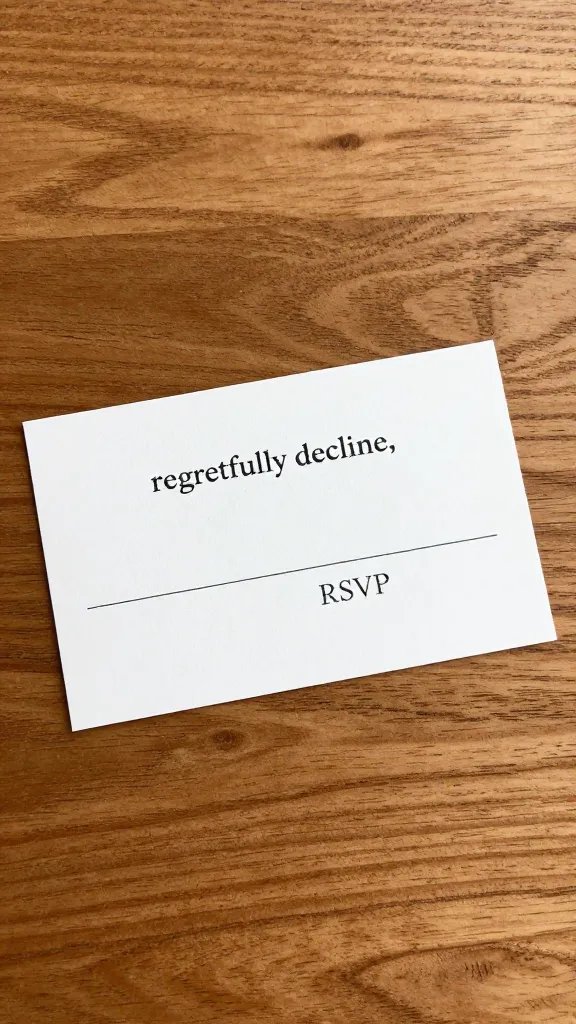
Over-explaining invites debate or follow-up pressure. A crisp reason or boundary closes the loop while staying warm. If you want to soften the “no,” add a forward-looking line about staying in touch.
Ready-to-Use Scripts
- General: “Thank you for including me! I won’t be able to make it this time. Wishing you a wonderful potluck.”
- Schedule conflict: “I appreciate the invite. I’m booked that afternoon, so I’ll miss this one. Have a great time!”
- Social bandwidth: “Thanks so much for thinking of me. I’m keeping my weekends quiet right now, so I’ll pass this time.”
- Dietary limits: “I’m grateful for the invite. I’m managing some food restrictions and will sit this one out, but I hope it’s a delicious spread.”
- Family-first boundary: “Thanks for inviting me. I’m keeping that day for family, so I’ll pass, and I hope it’s a fun gathering.”
Action today: Pick one script and save it in your notes app so you can decline confidently within minutes next time.
Offer a Small Courtesy Without Creating Work

A “no” doesn’t require a consolation prize, but a light touch can strengthen goodwill. The key is offering something that doesn’t complicate the host’s logistics. Don’t promise dishes or deliveries that the host must integrate into headcounts or dietary plans.
Low-Lift Courtesy Options
- Send a quick day-before note: “Thinking of you all—have fun!”
- Share a tried-and-true recipe link the host can pass along if they want.
- Offer to help next time with setup or cleanup—only if you mean it.
Warning sign: If your courtesy creates new coordination (“When will you drop it off? Who’s reheating it?”), it’s not a courtesy—it’s work.
Action today: Choose one low-effort gesture you’d actually follow through on and keep it in your back pocket. Example: “I’ll send you my crowd-pleaser pasta salad recipe.”
Set Boundaries When Food or Format Doesn’t Work for You

Sometimes the potluck model itself clashes with your needs—strict diets, allergies, or overwhelm. You don’t need to educate the group or negotiate a special setup to justify a decline. Keep the boundary clean and future-friendly.
Boundary Scripts That Hold Firm
- Allergies/intolerances: “Thanks for including me. With my food restrictions, I’ll sit this one out and catch you soon.”
- Burnout: “I’m saying no to group events this month to recharge. Have a great time!”
- Budget: “I’m watching costs closely right now, so I’ll pass this time. Hope it’s a good one.”
Action today: Decide one boundary statement you’ll use for the next three months. Consistency prevents back-and-forth and reduces anxiety.
Avoid These Common Decline Mistakes

Vague maybes make hosts count you twice. A clear “no” is kinder than “I’ll try.”
Last-minute bailouts derail menus and seating. If your plans shift, tell the host the moment you know.
Over-sharing invites troubleshooting you don’t want. One line beats ten.
Guilt-gifting big trays or complex offers creates logistics the host didn’t ask for.
Action today: If you’ve sent a “maybe,” follow up now with a firm yes or no—preferably no if you’re unsure.
Declining After You Already Accepted

Life happens. Own it, apologize once, and remove friction for the host. Don’t stack apologies or write essays—clarity plus logistics helps the most.
Step-by-Step Fix
- Inform ASAP by text or call: “I’m so sorry—something came up and I can’t make it.”
- Confirm your dish status: “Please remove me from the dessert count.”
- Offer zero-lift help only: “If it helps, I’ll text the group that dessert is covered.”
- Close warmly: “I hope it’s a great night—thank you for understanding.”
Action today: If you’re on the fence about attending, pivot to a polite decline now to prevent a later cancellation.
When You Want the Connection, Not the Potluck

If you like the host but not the format or timing, suggest a one-on-one alternative. Offer something easy to schedule and low-pressure. Keep dates or windows concrete so it doesn’t die on the vine.
Easy Alternative Invitations
- “I can’t make the potluck, but I’d love to catch up. Coffee next Thursday morning?”
- “I’m skipping group events this month. Walk and chat next weekend?”
- “Pass for me on the potluck. Free for a quick lunch the first week of next month?”
Action today: If you value the relationship, add one specific alternate plan to your decline message.
Frequently Asked Questions

Do I need to give a reason for declining?
No. A short thank-you and a clear decline are enough. If you want to add context, use a single neutral line like “I’m booked that day” or “I’m laying low this month.” Avoid medical or personal detail—specifics invite debate or fixing.
What if the host pushes me to come anyway?
Repeat your boundary once, warmly and without new details. Say, “I appreciate you trying to include me, but I’m going to pass this time. I hope it’s a great night.” If they push again, stop explaining and don’t answer logistics questions about food—you’ve already said no.
How far in advance should I decline?
Within 24–48 hours of the invite is respectful. If RSVPs are requested by a date, respond at least a week earlier when possible so the host can fill gaps and adjust portions. Late declines are better than no response—send them as soon as your plans change.
Is it rude to decline by text?
Text is fine if that’s how the invite arrived. Match the channel and tone: a short, warm text for a casual potluck, or an email for a formal invite. If you’re very close to the host, a quick call can feel kinder, but it’s not required.
Should I offer to drop off a dish if I can’t attend?
Only if the host asked or if you’re sure it won’t add coordination. Dropping off food can create timing and storage issues. If you want to contribute, offer something zero-lift, like sharing a reliable recipe or bringing a dish to the next gathering you can attend.
What if I already promised a specific dish and need to cancel?
Tell the host immediately and confirm they can replace that dish: “Please remove me from mains—I won’t be able to bring the lasagna.” Offer a tiny assist like texting the group that mains are covered, but don’t create new work. One apology, then close warmly.
Conclusion


Clear, prompt, and warm declines protect your time and the host’s planning. Save one script, decide your go-to boundary, and respond within 24 hours next time—those three moves prevent awkwardness and keep relationships strong. If you still want connection, add one specific alternative plan to your message and get it on the calendar.
Leave a Reply