Viral Environmental Etiquette: the “Leave No Trace” Guide for Modern Pinners
· Yasmine Taljaard
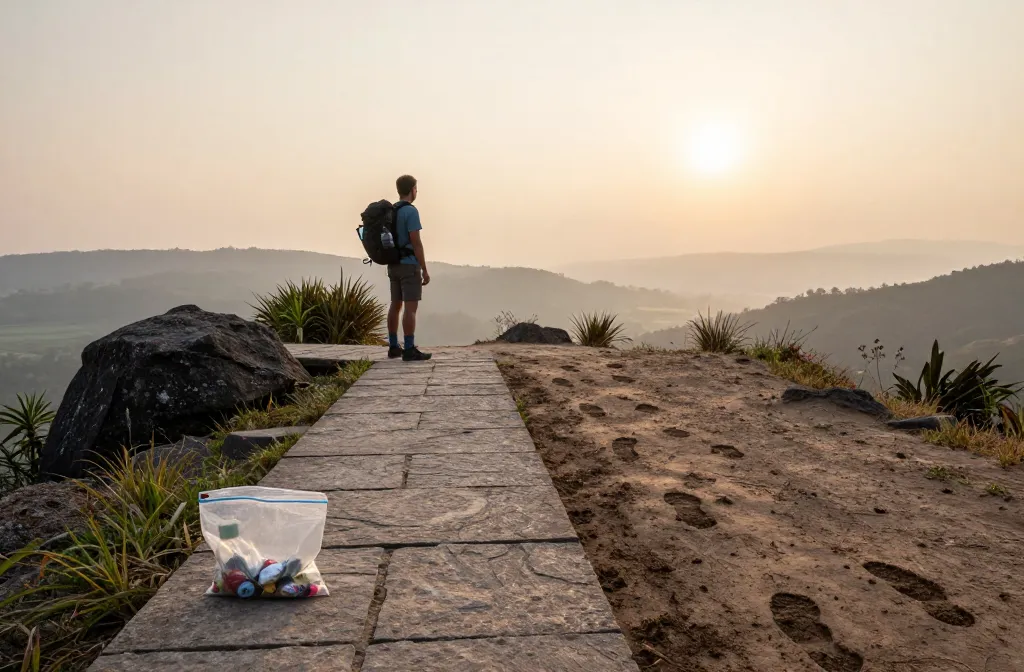
I started geotagging my favorite overlooks to help friends find them, then watched those quiet spots turn into trampled dirt and overflowing bins within a season. If you’ve ever shared a trail photo or planned a picnic from a pin, you’ve felt this tension. This guide shows exactly how to enjoy, share, and care for places without leaving a mark — online or on the ground. You’ll learn simple, household-level habits that protect soil, plants, wildlife, and everyone else seeking the same view.
Plan Your Outing Like a Steward, Not a Tourist
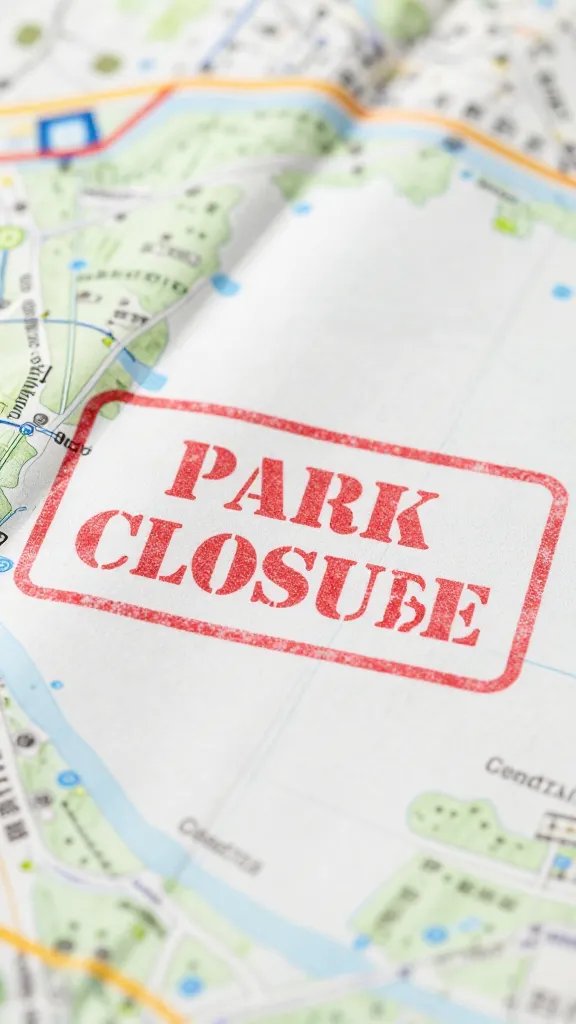
Most damage happens before boots touch dirt — it starts when we pick a crowded hot spot at peak time and show up unprepared. I plan around capacity: shoulder seasons, weekdays, and sunrise starts. I check official park pages for closures, burn bans, and parking limits and save key info offline.
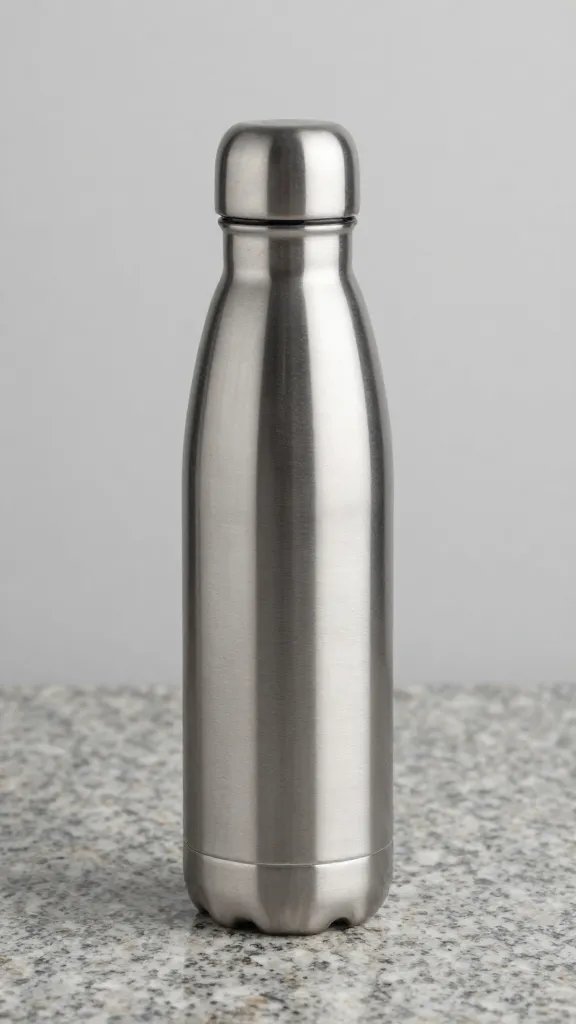
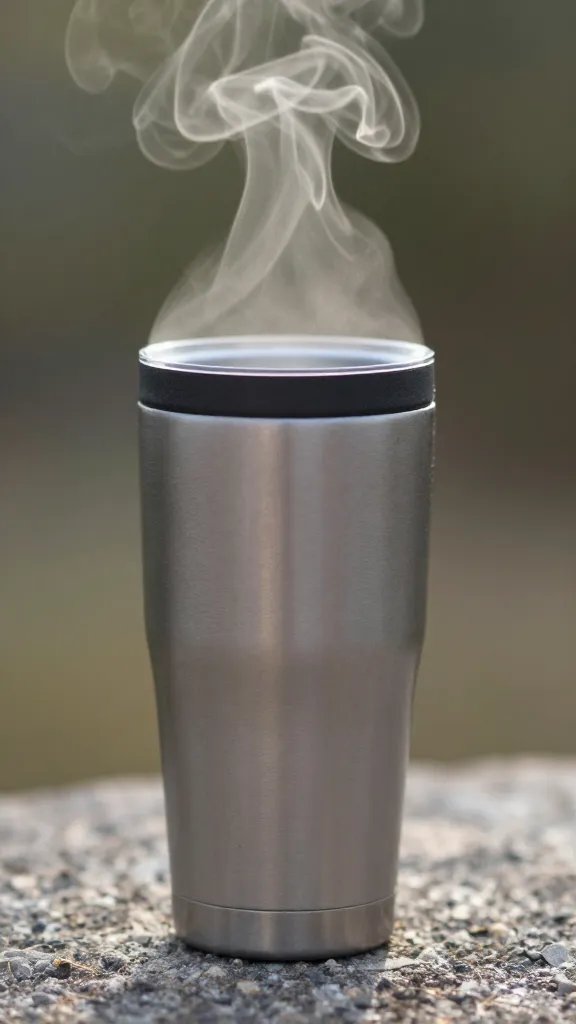
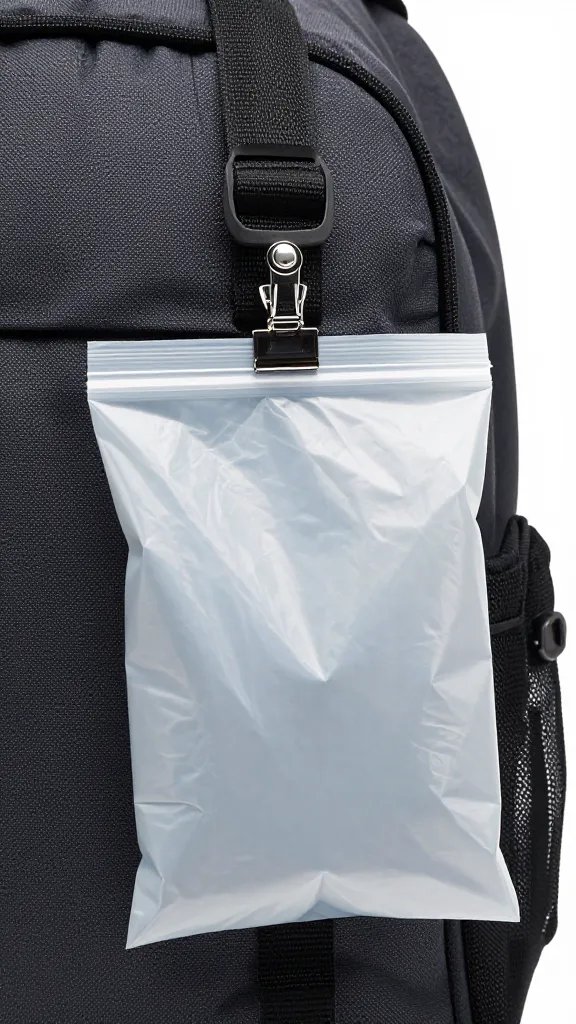
I pack using a simple rule: bring what creates less waste and more flexibility. That means a reusable water bottle, a lidded mug, a zip bag for trash, and a spare for micro-litter like tea tags and snack crumbs. I add a small roll of dog waste bags even if I’m pet-free — I always find an orphaned one.
Action today: Add two gallon-size zip bags and a small hand towel to your daypack so you never rely on site bins or single-use wipes.
Stick to Durable Surfaces — Your Feet Decide What Survives
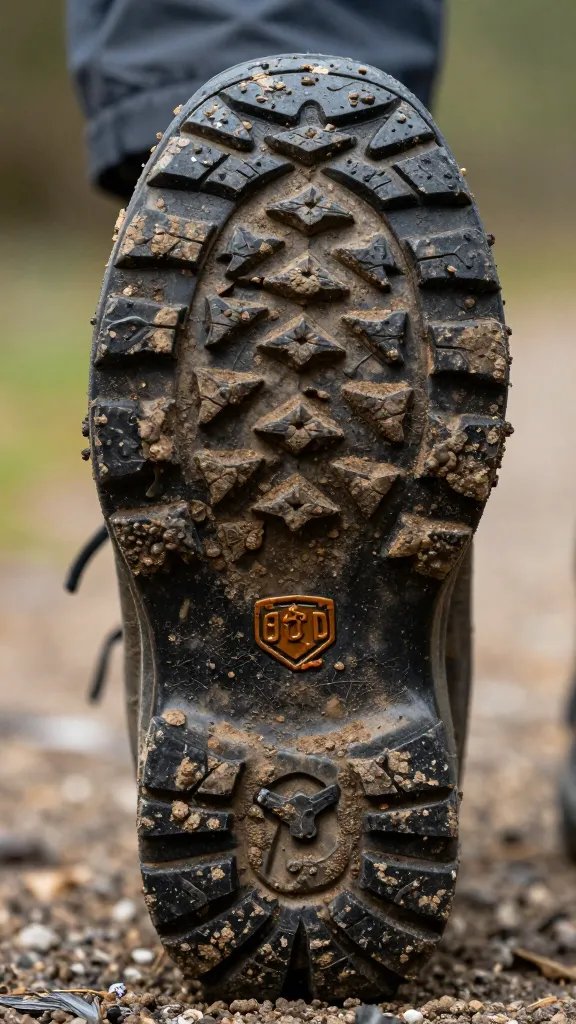
Every shortcut carves ruts that funnel water and kill roots. I stay on marked trails, rock, gravel, dry grass, or snow. I avoid cryptobiotic soil, spring mud, and fragile moss like they’re wet paint.
When a trail is muddy, I walk straight through with firm steps. Skirting edges widens the path and doubles the damage. If a viewpoint is packed, I wait my turn rather than stepping onto plants for a new angle.
Warning Signs You’re Off The Durable Path
- Flattened plants with exposed roots
- Multiple “social” trails spidering from the main path
- Soil that poofs to dust or breaks into crusty plates
Takeaway: Commit to “heels on trail” — if your heels leave the tread, stop and return to the marked route.
Pack Out All Waste — Yes, Even the Tiny Stuff
Trash is not just bottles and wrappers. It’s orange peels, sunflower shells, and tea leaves. Organic waste attracts wildlife, alters soil, and lingers for months in dry climates. I pocket every crumb and strand of floss.
Bathrooms fail, lines form, and sometimes there are none. I carry toilet paper in a small tin and pack it out in a separate zip bag. Where required or best for the terrain, I use a wag bag for solid waste; otherwise, I dig a 6-8 inch cathole at least 200 feet from water, trails, and campsites, and cover it well.
Step-by-Step: Micro-Litter Sweep Before You Leave
- Stand where you sat. Scan knee to shoe height.
- Pick up corners of tape, torn bread tags, tea tabs, and fruit stickers.
- Run your hand over the ground cloth or jacket you sat on; check pockets.
Action today: Tuck a dedicated “outgoing trash” zip bag in your jacket pocket so you never skip the micro-litter sweep.
Respect Wildlife — Your Food and Speed Are the Problem
Feeding animals teaches them to beg, nip, and raid camps. I eat away from trail edges and stash food in sealed containers. I never leave packs unattended; curious critters learn zippers fast.
Speed startles wildlife. I keep dogs leashed where required and under voice control elsewhere. I slow down near dawn and dusk when animals move most. If I spot wildlife, I stay far enough that I don’t change their behavior — if they look up, pause feeding, or shift direction, I’m too close.
Takeaway: Make a hard rule today: no snacks within arm’s reach of wildlife and no approaching for photos, ever.
Camp, Cook, and Fire with Minimal Trace
I choose established campsites first. If none exist, I camp on rock, sand, or dry grass, never on lush meadows or cryptobiotic crusts. I keep tents, chairs, and kitchen on the same compacted footprint to avoid spreading wear.
For cooking, I use a small canister stove and a windscreen instead of a fire. If fires are allowed and safe, I keep them small, use existing rings, and burn only dead and down wood from the ground. I douse and stir until ashes are cool to the touch. I pack out foil, twist ties, and half-burned bits — “out of sight” isn’t gone.
Material Recommendations from Any Hardware or Garden Centre
- Folding trowel: For catholes and covering tent stakes
- Metal mug with lid: Cuts single-use cups and doubles as a pot
- Compact stove + fuel canister: Safer and cleaner than a campfire
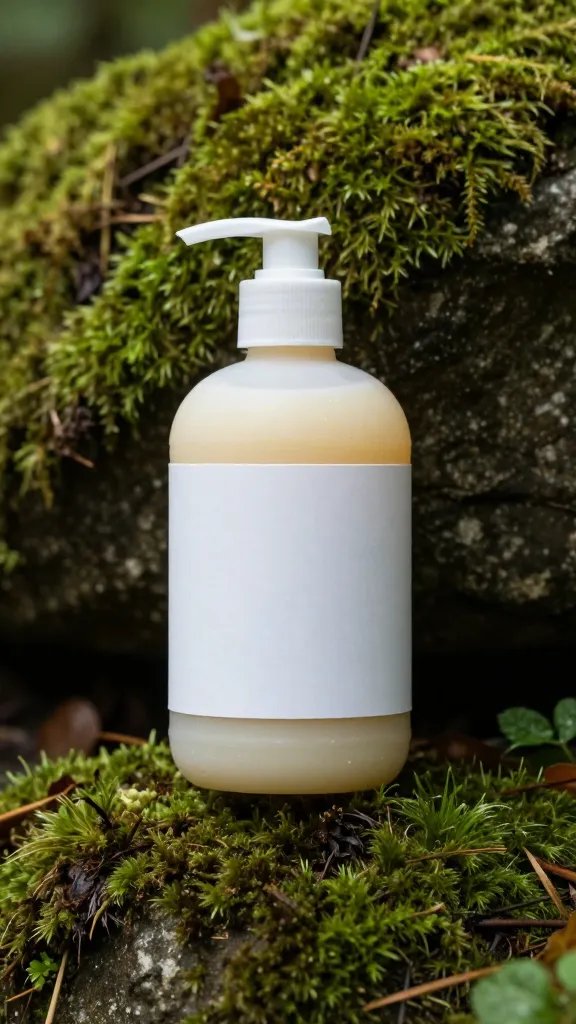
- Biodegradable soap: Use a few drops 200 feet from water, then scatter
Action today: Move “fire optional” — plan a meal you can eat cold or stove-cook so you’re never pressured into an unnecessary fire.
Share Pins and Posts Without Sacrificing the Place

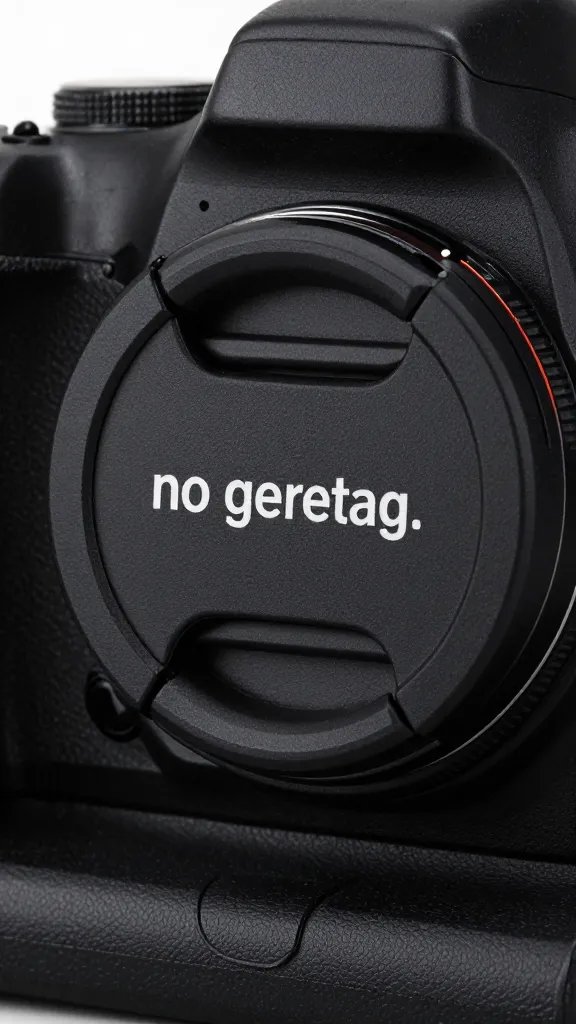
Geotags steer crowds. I use region-level tags (like “Columbia River Gorge”) instead of dropping exact pins for small, fragile sites. I add stewardship notes in captions: parking limits, pack-out reminders, and seasonal closures.
I never reveal unmarked waterfalls, cultural sites, or tiny swimming holes. If friends ask, I share privately with context: trail conditions, parking etiquette, and a request to visit off-peak and pack out every crumb. I update old posts when rules change.
Step-by-Step: Ethical Posting Checklist
- Crop out social trails and sensitive plants.
- Use broad location tags unless it’s a hardened, high-capacity site.
- Add one stewardship tip in the caption (e.g., “No bins — pack out”).
- Turn off directions for fragile spots; share details 1:1.
Takeaway: Edit your last three outdoor posts to swap exact pins for area tags and add a clear pack-out note.
Leave What You Find — Even “One” Rock Matters
Small removals add up fast: a pocket of shells, a handful of wildflowers, one antler. I take photos, sketch, or note GPS-free descriptions instead. I skip stacking rocks — those stones shelter insects and stabilize streambeds.
For graffiti or carvings, I don’t scrape or wash — that often worsens damage. I report it with a photo and location description to the land manager. For kids, I set a “touch, observe, replace” rule and bring a nature journal to make the moment feel complete.
Action today: Add “camera first, pockets empty” to your pre-hike checklist so you default to taking images, not objects.
Frequently Asked Questions

Is it okay to throw orange peels or pistachio shells in the bushes?
No. Food waste attracts wildlife, alters their behavior, and can take months to break down in dry or cold environments. Keep a small zip bag for peels and shells and empty it into your home bin. If you hate the mess, switch to snacks without shells and pre-peel at home over a compost bin.
What should I do when the trail is a muddy mess?
Walk straight through the center, even if you get dirty. Stepping to the sides widens the trail, crushes plants, and creates long-term erosion. Wear waterproof shoes or pack dry socks so you’re comfortable committing to the durable line. If mud depth is unsafe, turn around rather than making a new path.
How do I handle dog waste if bins are full or far away?
Bag it, tie it, and pack it out the same as your trash. Clip a small carabiner to your pack and hang the bag from it, or store it in a dedicated odor-resistant pouch or a second zip bag. Never leave bags “for pickup later” — many get forgotten or animals tear them open.
Is geotagging always bad?
No. It’s helpful at large, hardened destinations designed for crowds. For small, fragile places, use area tags and share exact spots privately with context about timing, parking, and pack-out. When in doubt, ask the land manager’s social pages or trail association for guidance.
What’s a simple leave-no-trace kit I can build from home items?
Use a tote or daypack with two zip bags (trash and micro-litter), a small hand towel, a folding trowel, dog waste bags, a lidded mug, and a reusable water bottle. Add a bandana for napkins and a tiny dropper bottle of biodegradable soap. This covers 95% of outings without buying specialty gear.
Conclusion
You don’t need special equipment to leave places better than you found them — you just need a plan, two zip bags, and the discipline to stay on durable ground. Start with one change on your very next outing: swap exact pins for area tags and pack out every crumb. When that feels normal, add the mud rule and the micro-litter sweep. Stewardship scales fast when we make it habit, and you’re already set to lead by example.
Leave a Reply