Genius 5 Tips for Smoothing Linens by Hand Without an Iron
· Samantha Jones
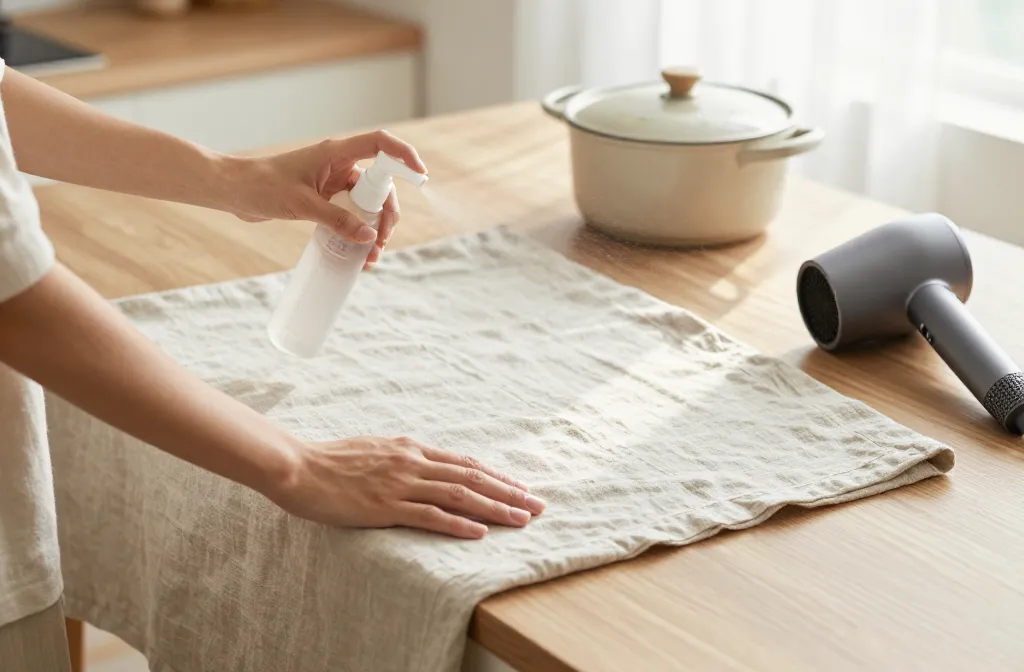
I host dinners in a small apartment with no room for a full ironing setup, so I learned to get tablecloths and pillowcases crisp using only water, heat, and a few household tools. If your linens come out of the cupboard wrinkled and you dread the ironing board, this is for you. You’ll learn five reliable, fast methods that use common items like a spray bottle, a hair dryer, and a pot of hot water. The goal: presentable, smooth linens you’ll be proud to put on the table or bed, with almost no gear.
Set the Fabric Up for Success: Proper Dampness

Wrinkles release when fibers relax and realign, and that happens best when the fabric is evenly damp, not soaking wet. I use a clean spray bottle filled with water that tastes clean, not salty, and mist the linen until it’s cool and slightly heavier, with no dripping. Then I smooth the cloth on a flat surface and use my palms to press from the center outward.
Warning Signs and Fixes
- Blotchy drying: You sprayed unevenly. Re-mist the dry patches and smooth again to even the moisture.
- Persistent creases: Increase dampness slightly along the crease line and add gentle tension with your hands.
- Water spots on colored linen: Use filtered water and spray a fine mist instead of big droplets.
Action today: Fill a spray bottle and test on one pillowcase corner until it feels evenly cool and pliable, then hand-smooth it flat.
Steam Without an Iron: Kettle, Pot, or Shower Method
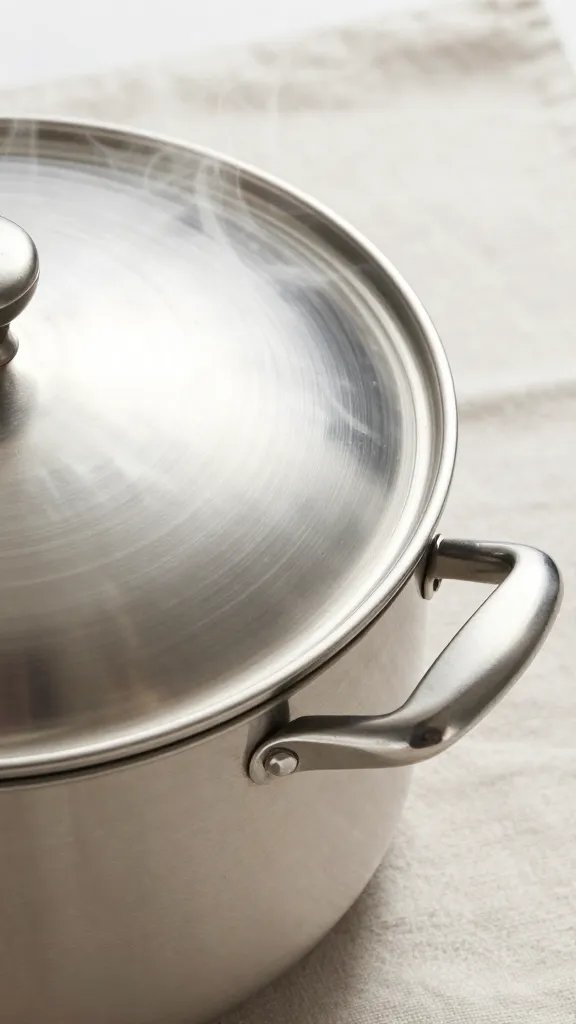
Steam loosens wrinkles fast. I hang the linen on a sturdy hanger or over a shower rod, then use steam from a just-boiled kettle or a pot. I pass the steam 4–6 inches from the fabric, keeping the spout moving to avoid wet spots, and lightly tug the bottom edge to create tension while the fibers relax.
Step-by-Step: Kettle Steam
- Boil water in a kettle or covered pot.
- Hang the linen so it can hang freely with some weight at the bottom (clip a couple of wooden clothespins if needed).
- Hold the steam source 4–6 inches away. Sweep from top to bottom in overlapping passes.
- Hand-press with your palm after each pass while still warm.
- Let it hang 10–15 minutes to dry and set.
Action today: Steam a stubborn fold line for 10–15 seconds while gently pulling the hem, then palm-press to lock it in.
Use Heat You Already Own: Hair Dryer or Clothes Dryer Reset

A hair dryer acts like a handheld finisher. I lay the linen flat, mist lightly, then use medium heat and high airflow 2–3 inches above the surface while my other hand smooths the fabric. Keep the nozzle moving to avoid scorching and focus on seams and hems where wrinkles anchor.
If you have a tumble dryer, you can “reset” wrinkles fast. Toss the linen in with two ice cubes or a damp, clean washcloth. Run 5–10 minutes on medium heat, then remove immediately and smooth on a flat surface or hang with light tension to set the drape.
Action today: Treat one wrinkled napkin: mist, blow-dry for 60–90 seconds while palm-pressing, then hang for five minutes to cool flat.
Press Without an Iron: Heavy Books, a Hot Pot, and a Flat Surface

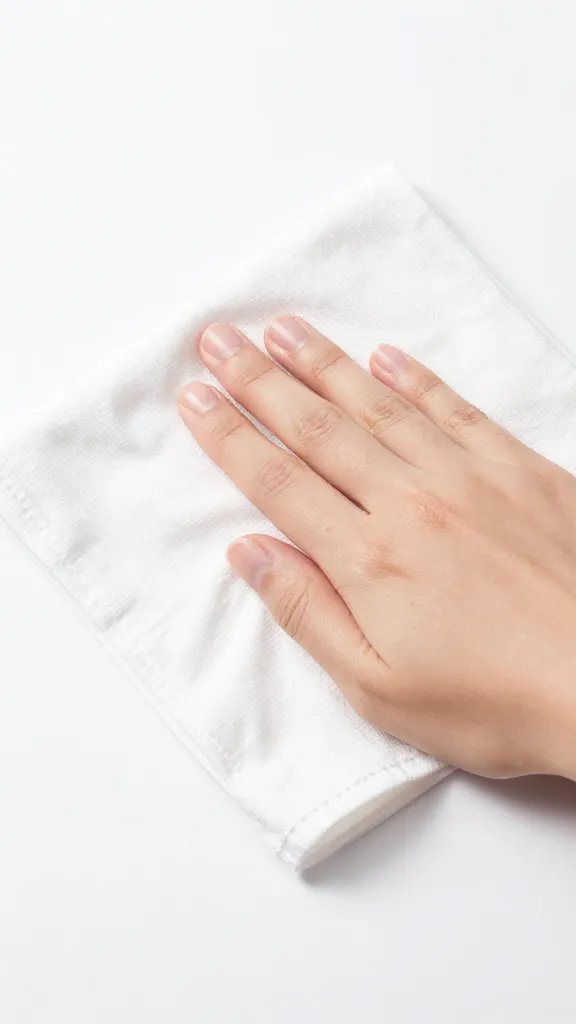
Pressure plus mild heat gives crisp results. For flat items like placemats or napkins, I dampen them lightly, sandwich them between two clean cotton tea towels, and stack two heavy books on top for 20–30 minutes. The fibers cool under pressure and hold a flatter shape.
You can also use a hot pot bottom as a stand-in for an iron. Fill a clean, heavy pot with very hot water, wipe the base dry, place a pressing cloth (cotton tea towel) over the linen, and glide the warm pot bottom in short strokes. Re-warm as needed by topping up hot water.
Material Recommendations
- Pressing cloth: Plain white cotton tea towel to prevent shine or color transfer.
- Weights: Two or three hardcover books or a flat cutting board with a water jug on top.
- Surface: A dining table or kitchen counter cleared and wiped completely dry.
Action today: Stack two dampened napkins between tea towels under a heavy book for 25 minutes, then check the difference side-by-side.
Leverage Tension and Time: Smooth While Hanging
Gravity is your helper if you hang linens correctly right after washing. I shake each piece hard 3–4 times to loosen twists, then snap the edges to align the weave. I hang the linen by two corners so it drapes on the bias, clip small weights like wooden clothespins to the bottom edge, and hand-smooth every 15 minutes as it dries.
Step-by-Step: Post-Wash Routine
- Remove from washer promptly. Do not let it sit.
- Shake and snap edges to square the corners.
- Lay flat, palm-smooth, then hang with light weights at the hem.
- Return twice while drying to re-smooth stubborn areas.
- Bring indoors before fully dry, then finish with a fine mist and palm-press.
Action today: Rehang your tablecloth by two corners with clothespins on the hem for gentle tension and smoother drying.
Finish Like a Pro: Starch Alternatives and Setting the Drape

Light structure helps linen keep a crisp look. I make a simple spray: 1 cup water, 1 teaspoon cornstarch, shaken well. I mist lightly from 12 inches away, smooth, then apply gentle heat with a hair dryer or the hot-pot method through a pressing cloth to set. For a commercial option, use a fabric sizing spray from the hardware or grocery store.
To set hems and edges, I run my thumbnail or a spoon handle along the fold while the fabric is warm. Edges dry flatter and hold their line longer on the table or bed.
Action today: Mix a small cornstarch spray and test on the fabric’s corner; once dry, compare feel and stiffness to the untreated side.
Frequently Asked Questions

How do I prevent deep creases when storing linens?
Fold on different lines each time to avoid setting permanent creases. Store linens rolled around a cardboard tube or a clean gift wrap core for fewer fold marks. Slip the roll into a cotton pillowcase to keep dust off while allowing airflow. When you take it out, shake and hang for 10 minutes before smoothing.
Can I use vinegar or fabric softener to relax wrinkles?
Use a small splash of white vinegar in the rinse to soften fibers, then rinse once more with plain water to remove the smell. I avoid liquid fabric softener on linen because it can leave residue that dulls the fabric. For hand-smoothing, plain water or light cornstarch sizing gives better control. Always test on a corner first.
What if my linen has a shiny spot from previous ironing?
Shine comes from compressed fibers. Mist the area, place a damp cotton cloth over it, and apply gentle heat with a hair dryer while lifting the fibers with your fingertips through the cloth. Let it dry under a towel stack for 20 minutes. It won’t disappear entirely, but it will look more matte and even.
How do I smooth embroidered or hemstitched linens without flattening the details?
Work from the wrong side. Place a folded towel underneath to give the embroidery some cushion, then mist lightly and use only palm pressure. If you use the hot-pot method, keep a thick pressing cloth over the area and avoid dragging across raised stitches. Let it cool flat before moving.
My tablecloth edges curl. How do I get them to lay flat?
Mist the hem, then press it between two tea towels with a stack of books for 30 minutes. After that, hang the cloth and clip light weights along the hem until fully dry. A light pass of cornstarch spray on the underside of the hem helps it keep a crisp line for the meal. Re-set right before guests arrive with a quick palm-press.
Is it okay to use a garment steamer if I have one?
Yes, treat it like the kettle method. Hang the linen, apply steam from 4–6 inches away, and pull gently on the hem while you sweep the steamer downward. Finish with a palm-press and let it hang 10–15 minutes to set. Use a pressing cloth for dark colors to prevent water drips from marking.
Conclusion

You don’t need an ironing board to get crisp, confident linens—just water, controlled heat, pressure, and a bit of tension. Pick one item today, like a napkin, and run it through the mist-and-hair-dryer routine so you can feel exactly how the fabric changes under your hand. Once you see that result, scale it up to your tablecloth before your next dinner and enjoy a smooth, polished setup without pulling out an iron.
Leave a Reply