The Secret to How to Fold a Napkin Into a Heart for a Romantic Sunset Picnic
· Samantha Jones
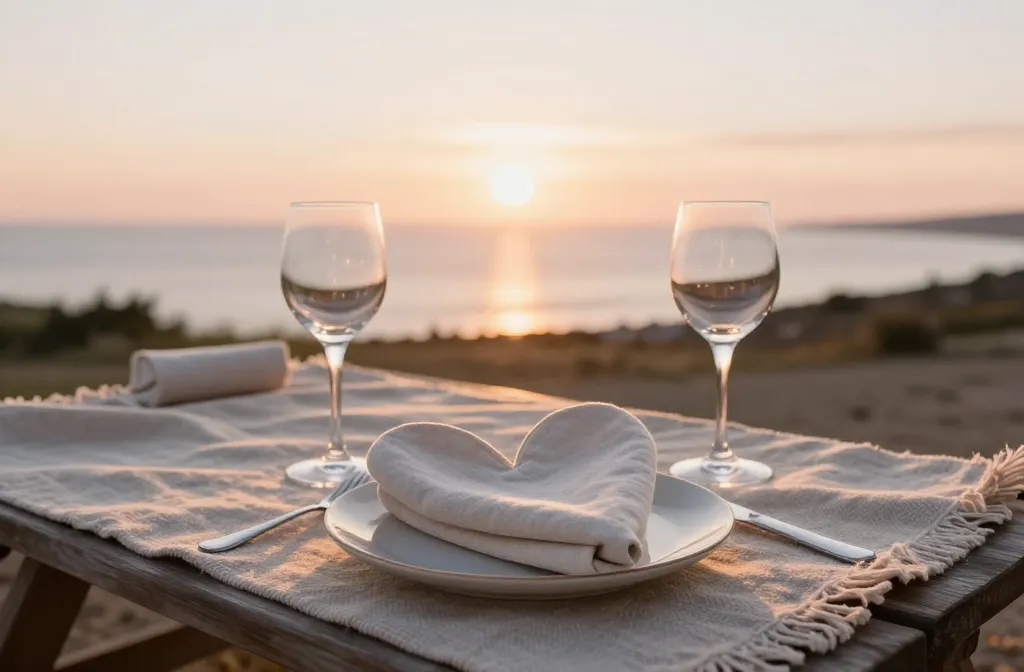
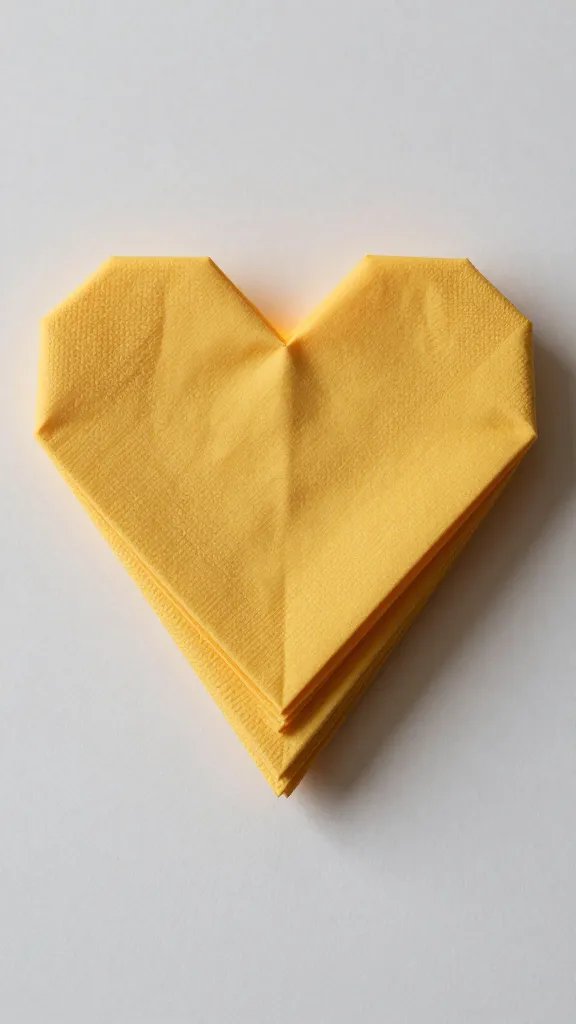
I’ve set up more picnics than I can count, and I’ve learned that small details make the whole scene feel intentional. If you’ve fumbled with floppy napkins or a fold that won’t hold its shape, I’ve been there too. In this guide, I’ll show you how to fold a napkin into a crisp, sturdy heart that survives a light breeze and looks beautiful at golden hour. You’ll learn the exact steps, the right napkins to buy, and how to transport and plate them so they look perfect on arrival.
Choose the Right Napkin So the Heart Holds Its Shape
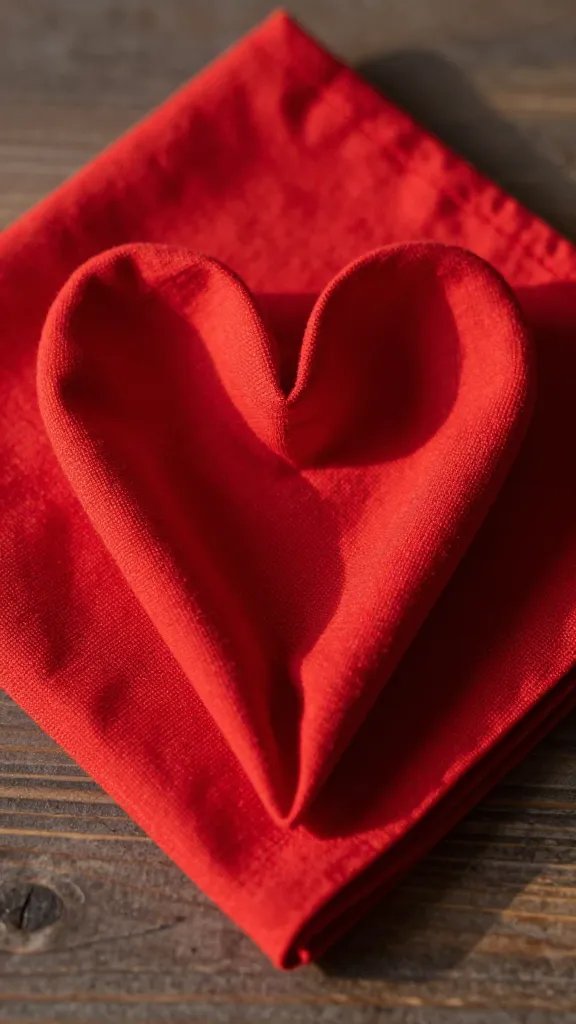
The fold lives or dies on fabric. A napkin that’s too slippery or too tiny won’t form sharp creases, and the heart will sag.
Pick a square napkin between 16–20 inches. Cotton or a cotton-linen blend works best because it creases cleanly without springing open. If you only have paper, choose 2‑ply dinner-size paper napkins with a smooth finish.
Warning signs: If the fabric feels silky, slides off your table, or shows deep wrinkles that won’t press out with your hand, it won’t hold a crisp heart. If the napkin is smaller than a standard dinner plate, the finished fold will look cramped.
Action today: Lay out your options and pick the firmest 16–20 inch square you own; avoid anything shiny or stretchy.
Prep the Napkin: Square, Smooth, and Lightly Starched
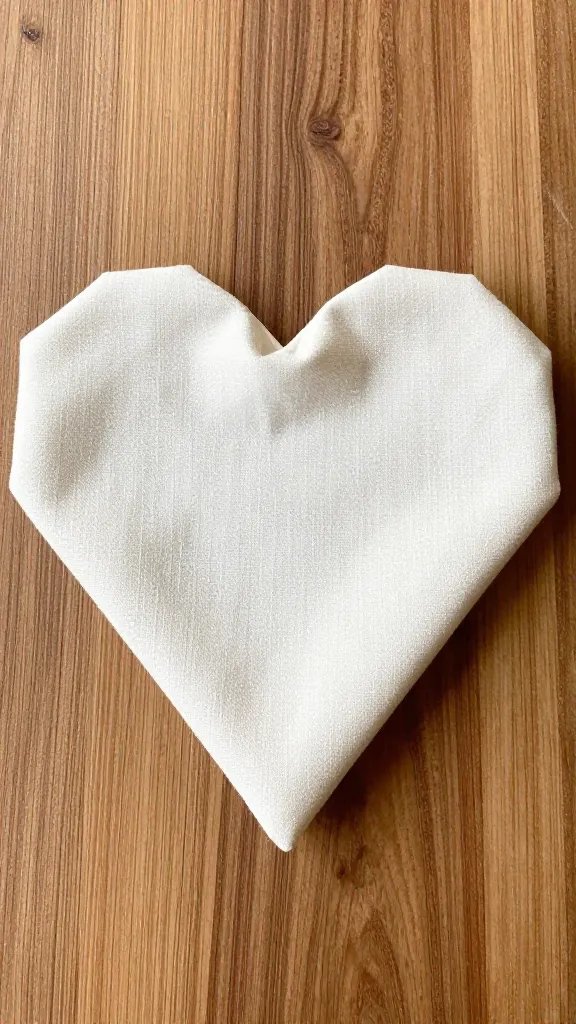
Good prep prevents bulky corners and messy edges. You don’t need an iron, but a few minutes of smoothing makes all the difference.
Spread the napkin flat on a clean table. Align edges so it’s a true square. If it’s floppy, mist lightly with clean water and smooth with your palms. For extra structure, spray a light mist of laundry spray starch from the supermarket and let it dry for 60–90 seconds before folding.
Action today: Test one corner: fold, crease with your thumbnail across the edge. If the crease stays sharp for 5 seconds, you’re ready to fold.
Fold the Heart: Clear, Breeze-Proof Steps
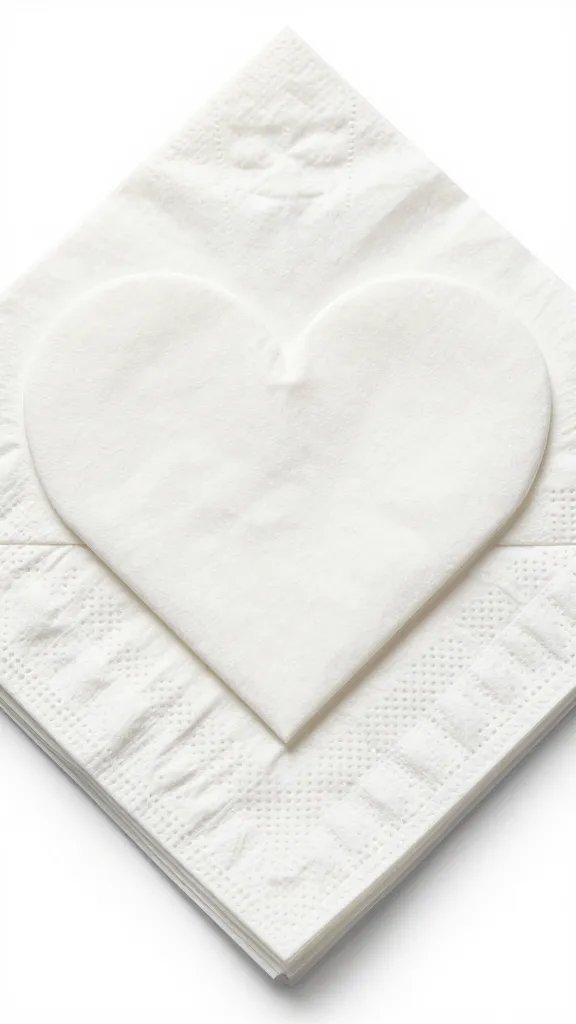
This sequence creates a symmetrical heart with a flat base that sits steady on a picnic plate. Work on a hard surface for crisp creases.
- Place the napkin flat like a diamond (one point toward you).
- Fold the bottom point to the top point to make a triangle. Crease firmly along the long edge.
- Bring the left point of the triangle up to meet the top point. Crease the new edge. Repeat on the right point, bringing it up to meet the top point. You now have a diamond shape with a vertical seam down the center front.
- Fold the bottom point of the diamond straight up so its tip lands about 1 inch below the top edge. Crease firmly. This creates the heart’s bottom.
- Flip the napkin over carefully, keeping edges aligned.
- Soften the two top corners: fold the top-left corner diagonally down a small amount to round the heart’s lobe (about 1–1.5 inches). Repeat on the top-right corner so both lobes match.
- Round the side “shoulders”: fold the upper-left side corner inward slightly to smooth the curve; repeat on the right. Adjust so the top line looks evenly rounded.
- Flip back to the front. Pinch the center seam gently and press all edges with your fingertips or the side of a spoon to lock the creases.
Action today: Finish by sliding the heart onto a plate and tapping the bottom point—if it tips, refold step 4 so the bottom edge sits flatter.
Make It Picnic‑Proof: Weighting, Transport, and Wind
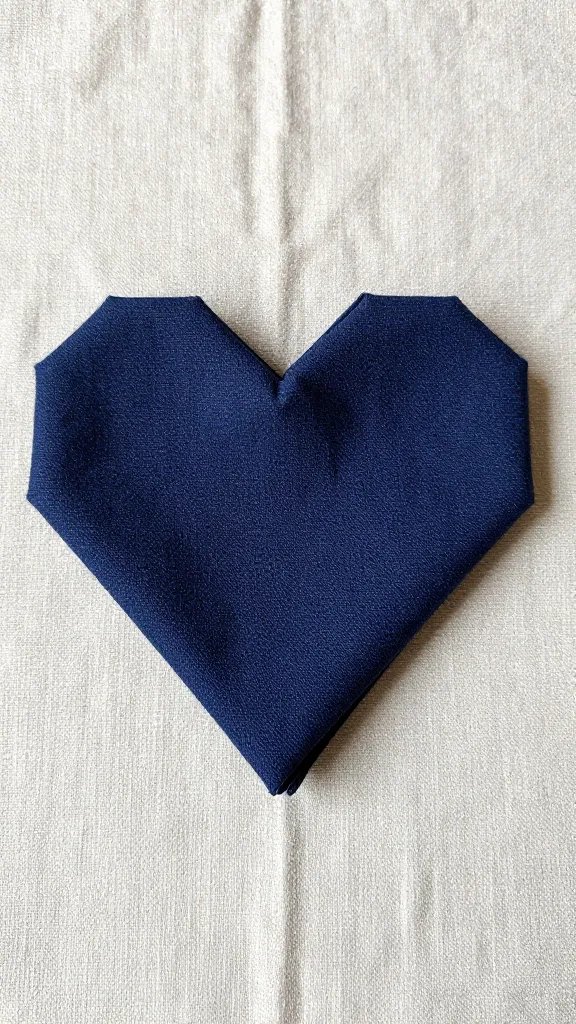
A smart setup keeps your hearts intact from kitchen to park. I stack finished hearts between two dinner plates for transport so they don’t shift.
At the picnic spot, set plates down first, then place hearts. To anchor in a breeze, tuck a fork horizontally across the heart’s lower third or set a small grape, cherry tomato, or wrapped chocolate at the center notch. Avoid tall, top-heavy garnishes that act like sails.
Action today: Pack a rubber band around the transport plate stack and a tea towel on top—remove both only when you’re ready to plate.
Add Smart Accents Without Unfolding the Heart
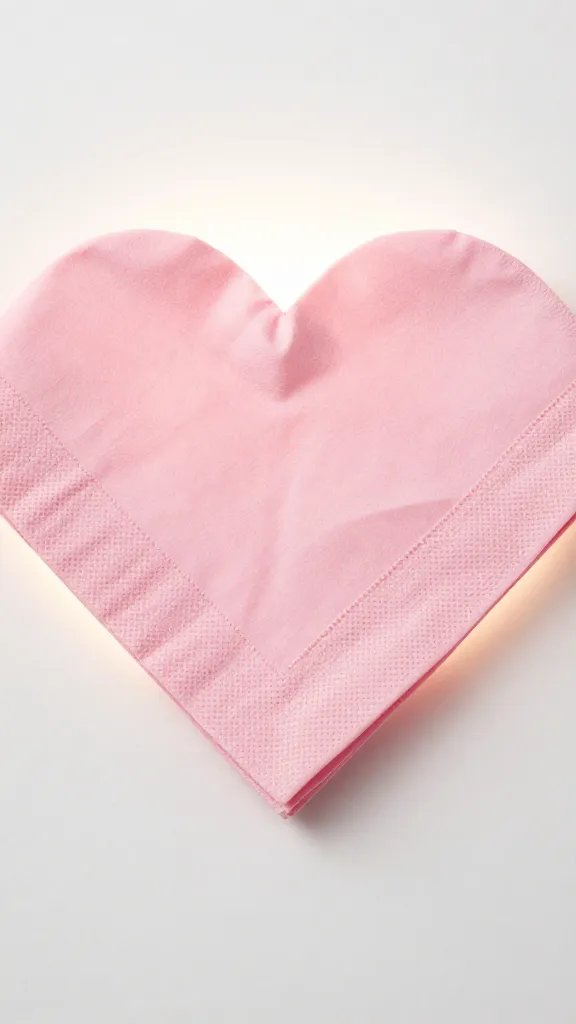
Keep decorations light and low so you don’t crush the lobes. Choose items you already have in the kitchen drawer.
Slip a place card or love note into the top notch. Tie a thin natural twine bow around the center, snug but not tight. For color, tuck a small herb sprig—like rosemary or mint—into the center seam. Skip anything wet or oily that can stain, like cut strawberries without a barrier.
Action today: Test your accent by tilting the plate 30 degrees; if the heart or accent slides, remove it or shorten the tie.
Match the Heart Fold to Your Picnic Menu and Setting
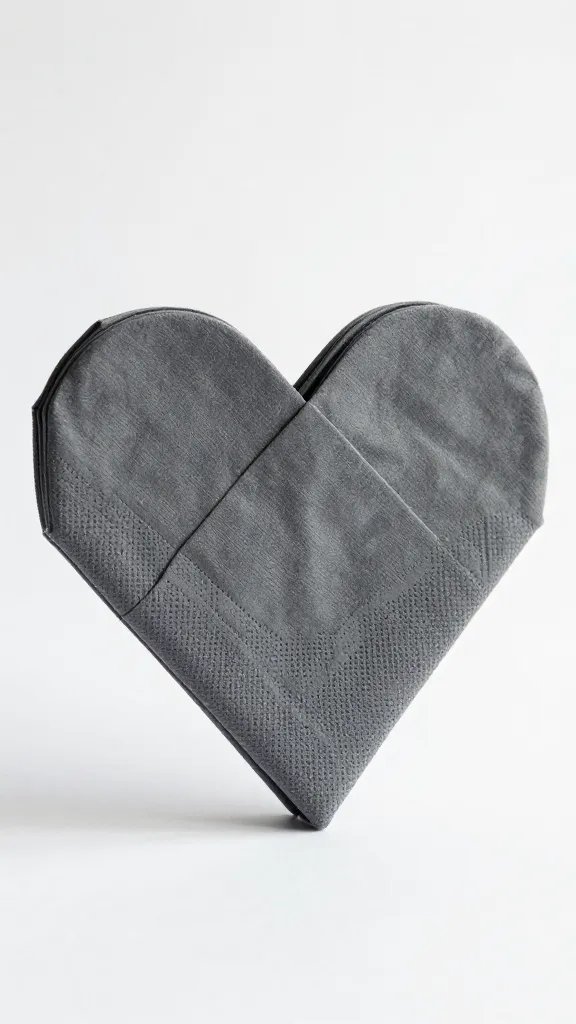
The heart should frame what you serve, not compete with it. For finger foods, place the heart at the top of the plate so the base points to the cutlery. For a single shared board, line a tray with two hearts side by side, bottom points touching to form a larger motif.
For sunset lighting, choose napkin colors that pop: soft blush, cream, or dusk blue read warm in golden light. Avoid dark navy or black outdoors; they hide the heart’s curves.
Action today: Hold your chosen napkin under a warm lamp for 10 seconds—if the creases look defined and the color glows, it will photograph well at sunset.
Common Fixes: Wrinkles, Uneven Lobes, and Slouching
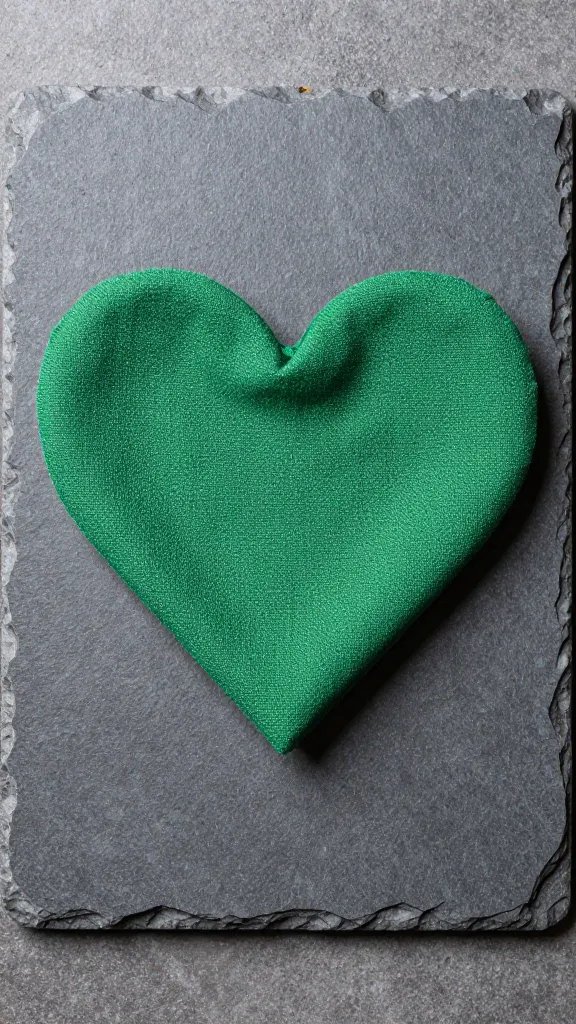
Most problems trace back to alignment or weak creases. You can fix them in under a minute without starting over.
Step-by-Step Fixes
- Wrinkled center: Open back to the triangle (after step 2), smooth with a damp palm, then continue.
- Uneven lobes: At step 6, fold one corner first and use it as a template for the other. Nudge by 1/8 inch until they match.
- Slouching heart: Refold step 4 so the bottom fold sits higher (1.25–1.5 inches from top). A higher base stiffens the front.
- Visible raw edges: When flipping, keep the center seam straight; hide stray corners behind the rounded folds.
Action today: Time yourself on a practice run—aim for a clean heart in under 90 seconds so assembly feels relaxed before sunset.
Frequently Asked Questions
Can I use paper napkins for this heart fold?
Yes, but use dinner-size 2‑ply paper napkins. Thin cocktail napkins tear at the center seam and won’t keep a crease. Pre-crease every fold with the back of a spoon to lock the edges, and transport between two plates to prevent crumpling.
What if my napkin isn’t a perfect square?
Trim paper napkins with scissors using a ruler edge as a guide. For fabric, fold the longer side under slightly in step 1 to fake a square before you make the first triangle. Keep the tucked edge on the back so it doesn’t show in the final heart.
How do I stop the heart from opening during the picnic?
Set the finished heart on the plate and place a fork horizontally across its lower third. The weight pins the layers without hiding the shape. If it’s breezy, add a small grape or wrapped truffle in the top notch as a second anchor.
What size napkin makes the best-looking heart?
Use 18-inch squares for a generous, plate-filling heart with defined curves. Sixteen-inch works well for smaller plates, but anything under 14 inches looks cramped and tips easily. Larger than 20 inches creates bulky corners that are hard to round cleanly.
How can I keep fabric napkins crisp without an iron?
Mist lightly with water mixed with a small spray of laundry starch, smooth on a table, and air-dry flat for five minutes. Press creases with your thumb or the side of a spoon during folding. Store finished hearts stacked between plates until you serve.
What colors look best at sunset in photos?
Warm neutrals like cream, blush, terracotta, and dusk blue hold detail in golden light. Pure white can glare, and very dark tones hide the curves. If you want a bolder look, use a soft red or coral and keep the plate simple so the heart remains the focal point.
Conclusion
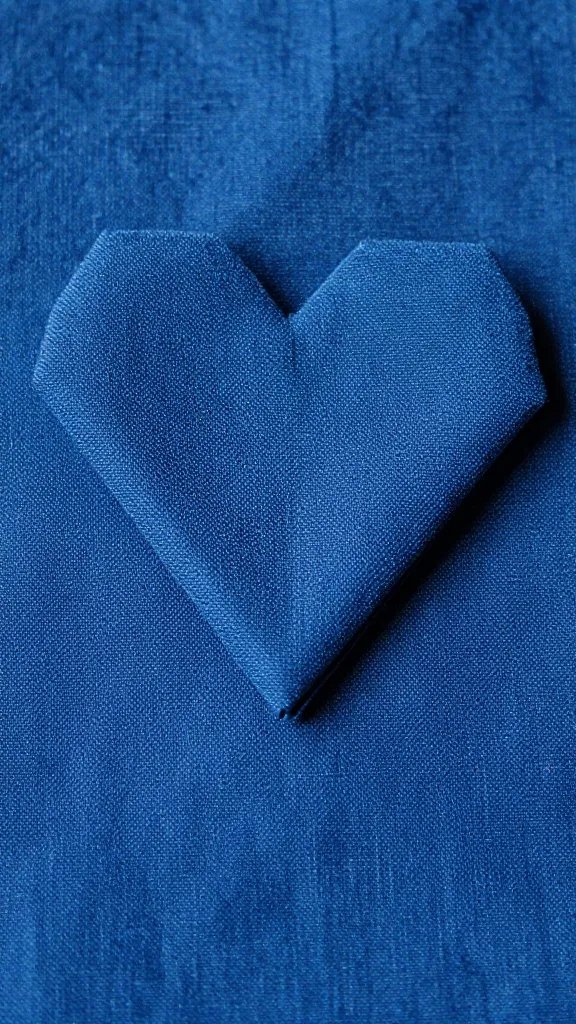
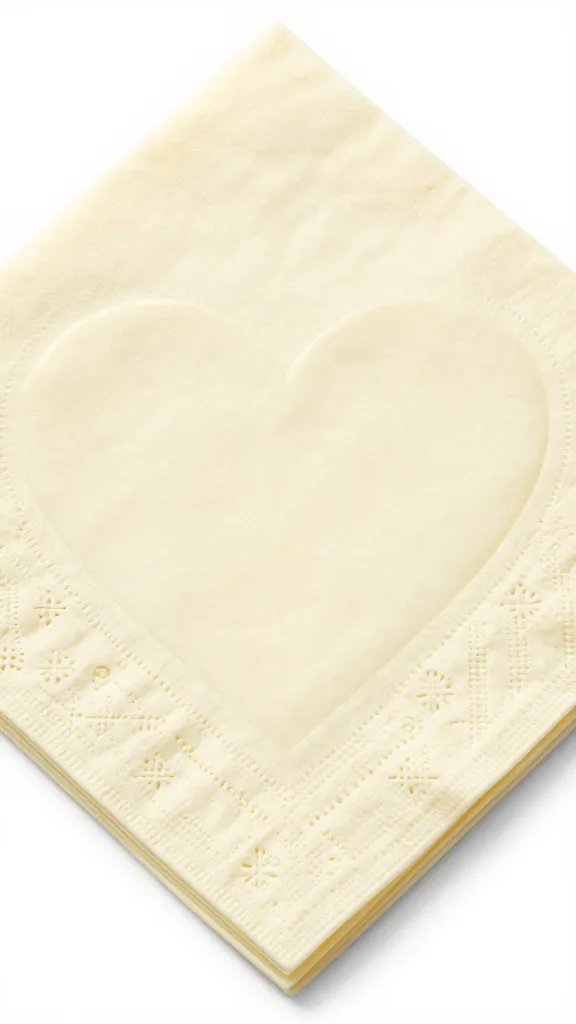
You now have a reliable heart fold that stays crisp, sits flat, and looks elegant on a picnic plate. Practice it once this afternoon, pack a pair between two plates, and plan a simple accent like a rosemary sprig or handwritten note. When the sun drops and the light turns warm, you’ll unfold a small detail that makes the whole evening feel intentional and memorable.
Leave a Reply