Absorbency Vs. Aesthetics: Which Fabric Wins for Outdoor Entertaining? Test Results Revealed
· Samantha Jones
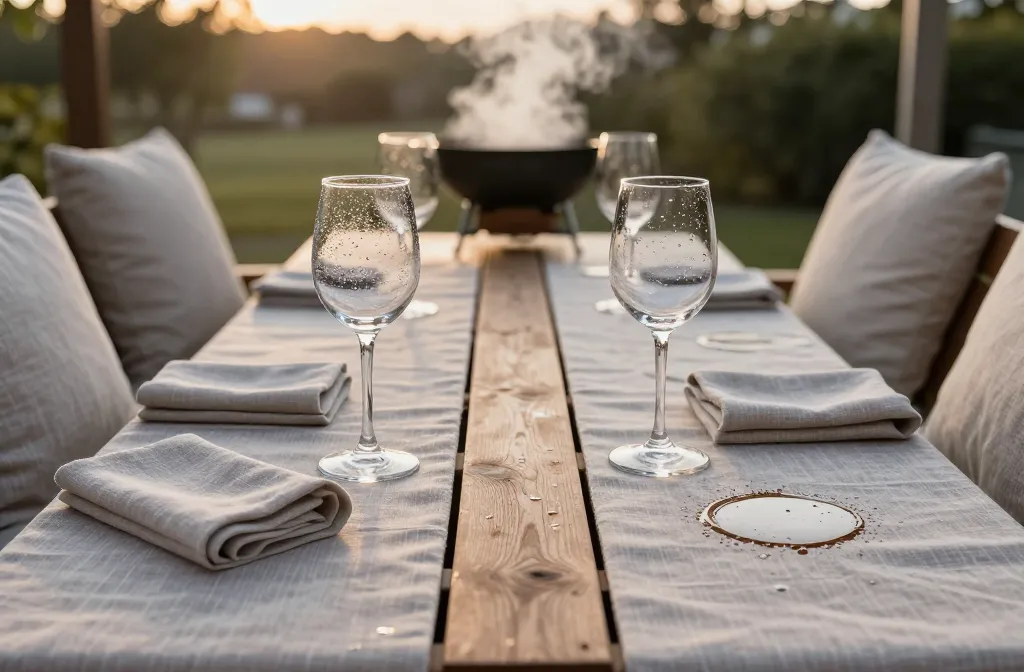
My first backyard dinner looked lovely right up until the wine glasses started sweating and everyone’s sleeves stuck to damp cushions. I’d chosen beautiful indoor linen because it photographed well — and then spent the evening swapping out soaked napkins and blotting chair pads. I’ve since tested fabrics the same way I test potting mixes: in real weather, with real spills and dew. Here’s how to choose materials that look sharp, manage moisture, and survive an apartment balcony or a small patio without special tools.
What “Absorbency” and “Aesthetics” Actually Mean Outside
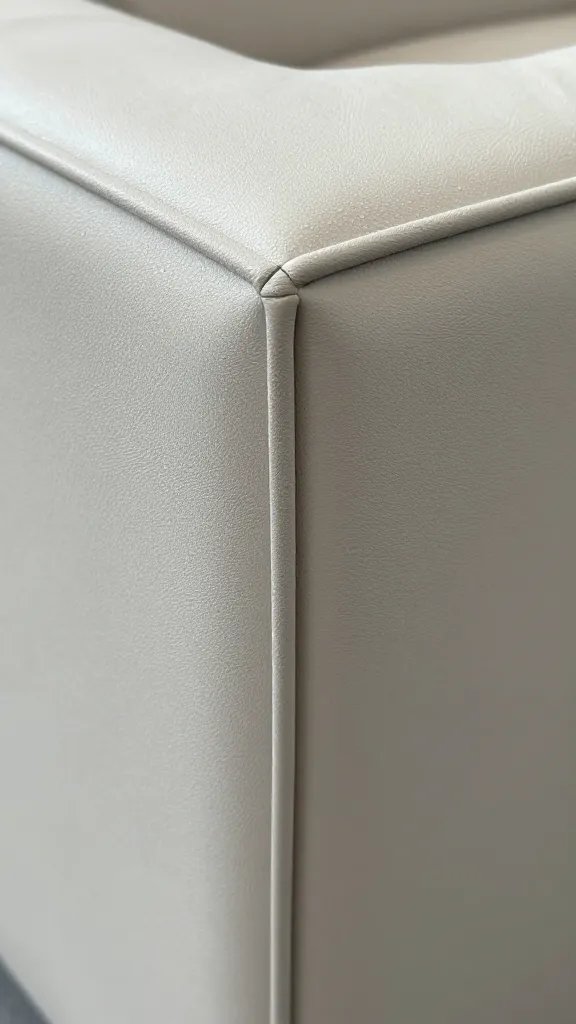
Absorbency is how fast a fabric takes in liquid and how quickly it lets that moisture go again. On a patio, this decides if a spill spreads, stains, or dries before your next guest sits down.
Aesthetics covers color, texture, and shape — and how well those hold under sun, pollen, BBQ grease, and repeated washing. A fabric that looks great on day one but fades or mildews by week three fails the outdoor test.
Takeaway: Define success before you shop: do you want fast-drying utility for frequent use, or a dressy look for occasional dinners? Write that down and let it steer every choice.
Fabric Showdown: Where Each Material Wins Outside
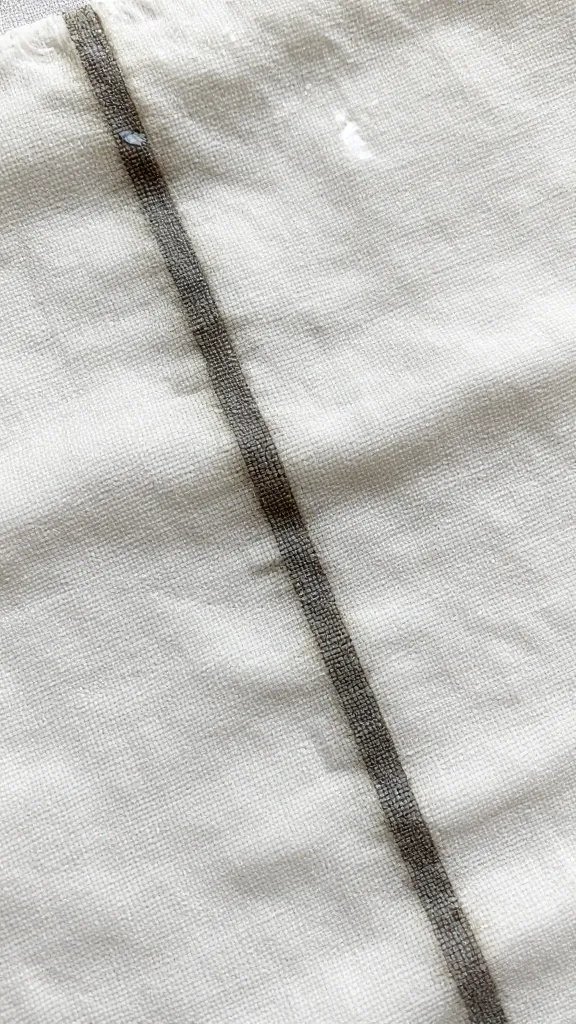
I group outdoor textiles into three useful buckets you’ll actually find at a garden centre or hardware store: solution-dyed synthetics, blends, and natural fibers.
- Solution-Dyed Acrylic/Polyester (e.g., “outdoor” canvas): Color is locked into the fiber, so it resists fading. It repels water, dries fast, and shakes off stains. Feels slightly stiff until broken in.
- Poly-Cotton and Performance Blends: Softer hand-feel, looks more “indoor.” Light rain beads initially but fabric can wet out with time. Easier to sew and cheaper, but shorter lifespan outside.
- Cotton/Linen (Natural): Beautiful drape and texture. Highly absorbent, which feels nice for napkins but leads to slow drying, stains, and mildew on cushions. Best as washable table linens you bring inside.
Action today: Go to your local garden centre and feel a labeled “outdoor” cushion cover — that slightly waxy, tight weave is what you want for chairs and bench pads that live outside.
Where Absorbency Helps — And Where It Hurts
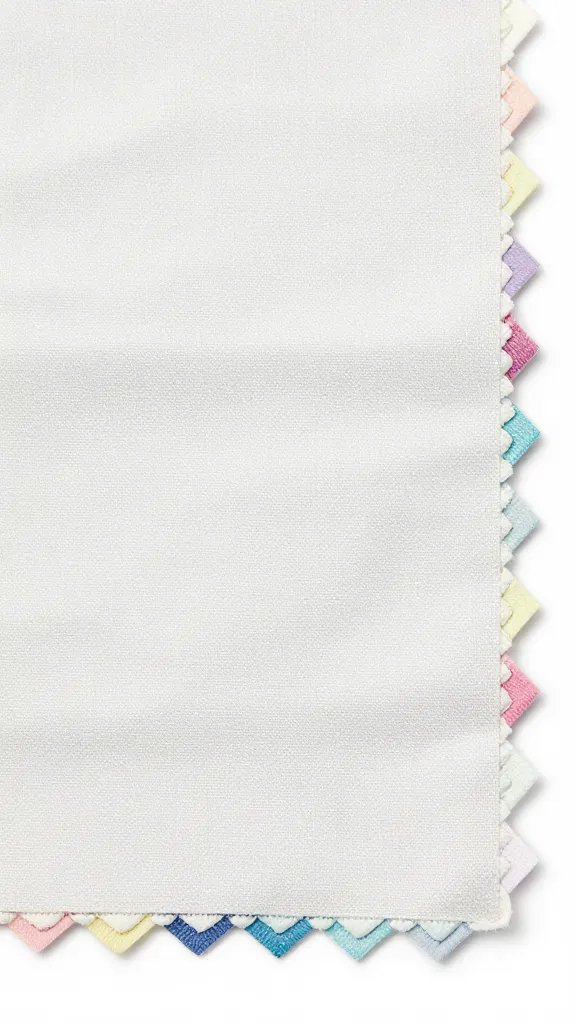
Absorbent fabrics shine for napkins and hand towels because they pick up spills quickly and feel comfortable. I use 100% cotton napkins for seated dinners, then toss them straight in the wash.
Absorbency is a problem for seat cushions, throw pillows, and table runners. Cushions stay damp after dew or a light shower, and runners wick spills across the table. That’s when you want water-shedding synthetics.
Quick Material Map
- Napkins: Cotton or linen, medium weight, tightly woven.
- Seat Cushions/Pillows: Solution-dyed acrylic or polyester covers, zippers for easy removal, foam wrapped in a water-resistant insert liner.
- Tablecloth/Runners: Outdoor polyester with a wipeable finish or a coated cotton you can sponge clean.
Takeaway: Put absorbency in items you launder the same day; put water resistance on anything that stays outside or touches foam.
Color, Texture, and Sun: Make “Pretty” Last Past July
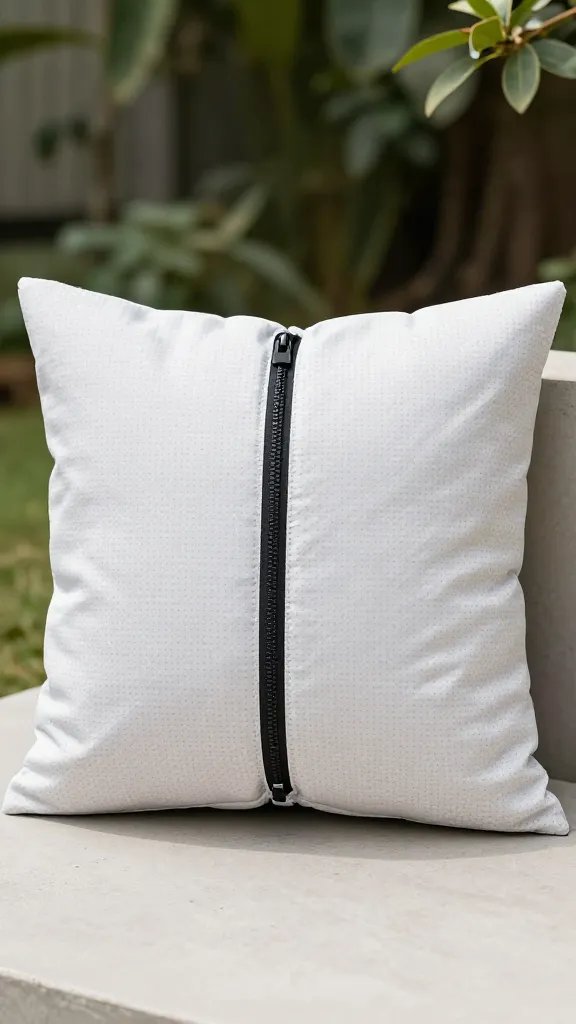
Sun does two things: it fades dye and weakens fibers. Solution-dyed acrylic/poly holds color for several seasons; printed cotton fades fastest, especially reds and dark blues.
Solid mid-tones and small patterns hide pollen, dust, and splash marks better than flat darks or bright whites. A tight weave looks crisp longer and resists snagging from wicker and rough wood.
Action today: If you already own bright cotton cushions, add inexpensive neutral outdoor slipcovers and store the colorful ones for special occasions — you’ll double the time they look fresh.
Drying Time and Mold: Beat the Dew Cycle
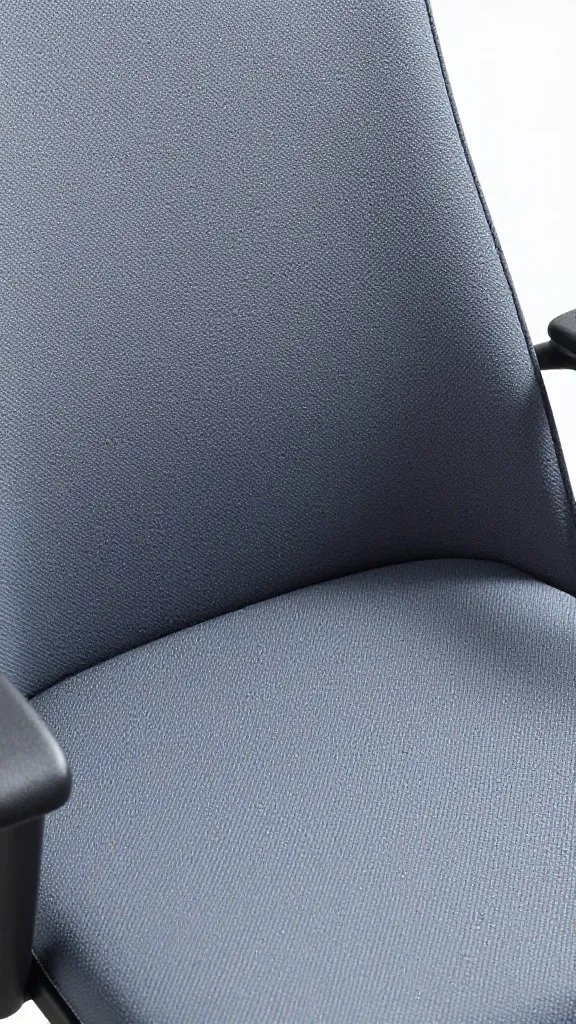
On balconies and patios, overnight dew does more damage than the occasional spill. Fabrics that repel water dry with a breeze; absorbent ones stay clammy, inviting mildew.
For cushions, use removable covers and line the foam insert with a basic water-resistant pillow protector from the bedding aisle. It blocks most moisture, and you can wipe it if needed.
Warning Signs You’re Fighting Mildew
- Musty odor after one cool night.
- Shadowy gray specks at seams and piping.
- Cushions feel heavier a day after light rain.
Step-by-Step Fix When Things Get Damp
- Unzip covers and remove inserts the same day.
- Sun-dry inserts on their side for airflow; rotate every 30 minutes.
- Scrub covers with a soft brush and a bucket of warm water plus a small squeeze of dish soap.
- Rinse with a garden hose or shower, then hang to dry fully before reassembly.
Takeaway: Keep a large outdoor storage box or a covered shelf within 10 steps of your seating; stash cushions there every evening and they’ll last twice as long.
Spills, Stains, and Grease: Real-World Cleaning That Works
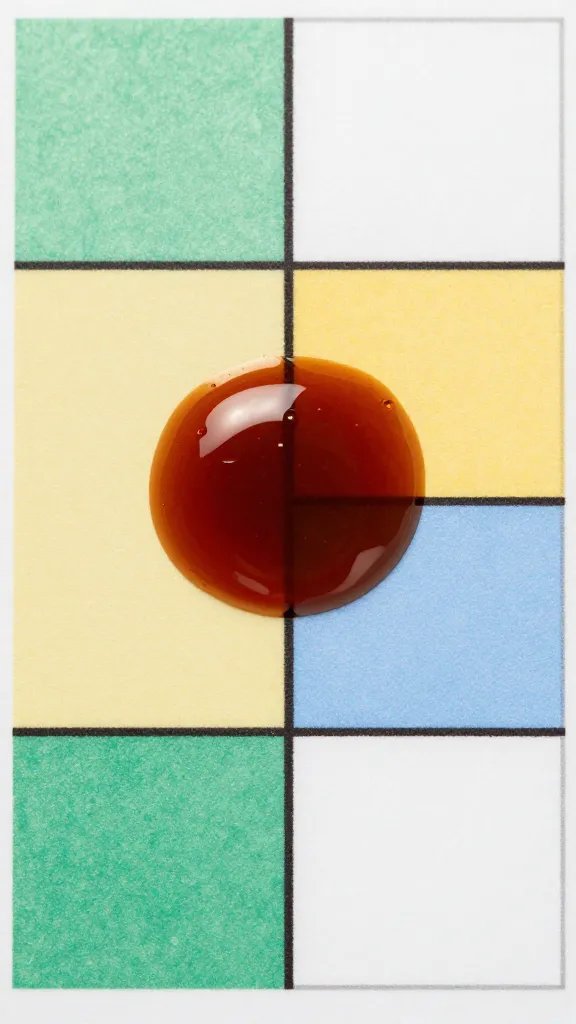
Red wine and salad dressing are the outdoor enemies. On synthetics, blot — don’t rub — with paper towels, then sponge with dish soap and warm water. Most stains release if you act within 10 minutes.
On cotton or linen, treat oily spots with a tiny dab of clear dish soap directly on the stain before washing. Avoid bleach on colored natural fibers; it weakens them and leaves rings.
Material Recommendations You Can Buy Locally
- Outdoor cushion covers: Labeled “solution-dyed acrylic” or “outdoor polyester,” zippered, removable.
- Inserts: Foam wrapped with a water-resistant liner or “outdoor” polyester fill.
- Table coverings: Wipeable outdoor polyester or coated cotton, medium weight so wind doesn’t flap it.
- Napkins: 100% cotton, tight plain weave; buy two sets and rotate.
Takeaway: Stock a small caddy outdoors with paper towels, a spray bottle of warm water and dish soap, and a soft brush — fast cleanup prevents set-in stains.
Comfort vs. Durability: Make Seats Guests Actually Enjoy
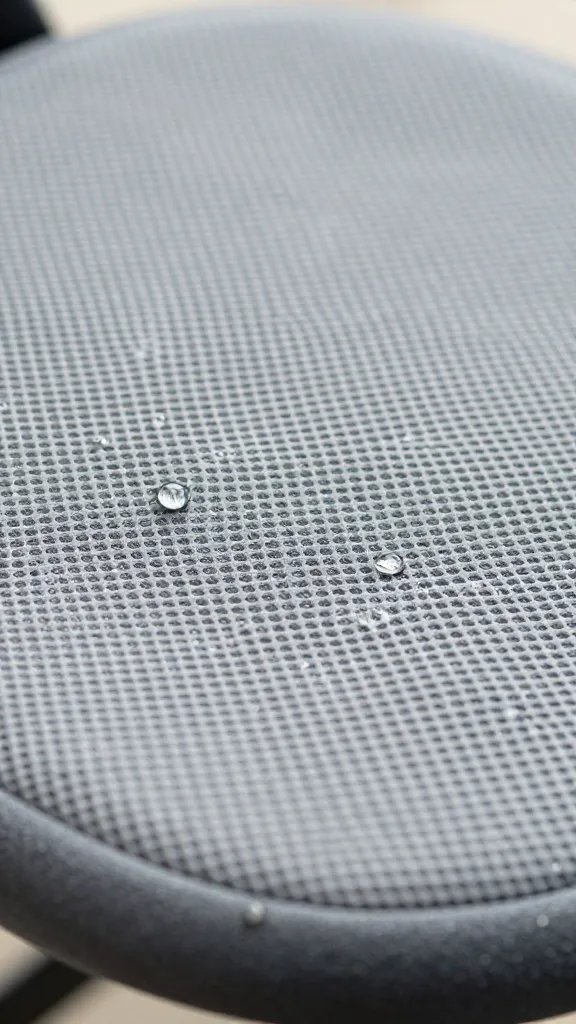
Slick, water-resistant fabrics can feel plasticky on bare legs. I solve this with layering: outdoor cushions for structure, plus a thin, soft throw or pad that I bring out only during use.
Choose cushions at least 5–7 cm thick with firm foam so you don’t bottom out on slatted chairs. Add non-slip pads under covers to stop shifting on metal or wood.
Action today: Sit on your current chair for five minutes. If you feel slats or pressure points, add a firmer outdoor cushion and a washable cotton topper for comfort.
Cost, Lifespan, and Simple Storage Habits
Outdoor-rated fabrics cost more up front but last several seasons if you store them dry. Cheaper blends work for covered balconies with little sun but need replacing sooner.
Make storage automatic. I hang a sturdy hook by the back door for a tote that holds napkins and throws, and a lidded deck box for cushions. If putting items away takes under one minute, you’ll actually do it.
Takeaway: Price your setup over two years: one set of outdoor covers plus a storage box often costs less than replacing “pretty” indoor textiles every summer.
Frequently Asked Questions
Can I waterproof my existing cotton cushions instead of buying new ones?
You can improve resistance with a spray-on fabric protector from the hardware store, but it’s a partial fix. Apply two light coats outdoors, let dry fully, and reapply every 4–6 weeks in sunny weather. It helps beads form on the surface but won’t stop cushions from soaking through in dew or a shower. Use it alongside a storage habit for best results.
What fabric is safest for a sunny, uncovered balcony?
Choose solution-dyed acrylic or polyester labeled for outdoor use. These resist fading and dry quickly after morning dew. Pick medium colors or small patterns to hide dust and pollen. Pair with water-resistant insert liners and store cushions overnight.
How do I stop my tablecloth from flapping in the wind?
Use a medium-weight outdoor polyester or coated cotton rather than a thin cotton sheet. Add tablecloth clips from the garden centre or use discreet binder clips under the table edge. You can also sew or clip small weights at the corners. A tighter weave fabric also catches less wind.
Are linen napkins a bad idea outside?
Not at all — linen feels great and absorbs well. Keep them for napkins or hand towels you can wash the same day. Avoid linen on cushions or runners that stay outside because it dries slowly and stains easily. Pre-treat oil marks with a drop of dish soap before laundering.
How do I clean mildew spots on outdoor cushions?
Brush off dry spores outdoors first so you don’t spread them inside. Mix warm water with a squeeze of dish soap and scrub gently with a soft brush. Rinse thoroughly and sun-dry until completely dry before reassembling. If stains persist on light-colored synthetics, spot-treat with an oxygen-based cleaner, not chlorine bleach.
Conclusion
You don’t have to choose between beauty and practicality — you just need each fabric in the right job. Put fast-drying, outdoor-rated covers on anything that lives outside, and save absorbent, tactile textiles for napkins and throws you bring in the same night. Today, swap your cushion covers to solution-dyed outdoor fabric and set up a one-minute storage routine — you’ll host more, stress less, and your space will look good all season.
Leave a Reply