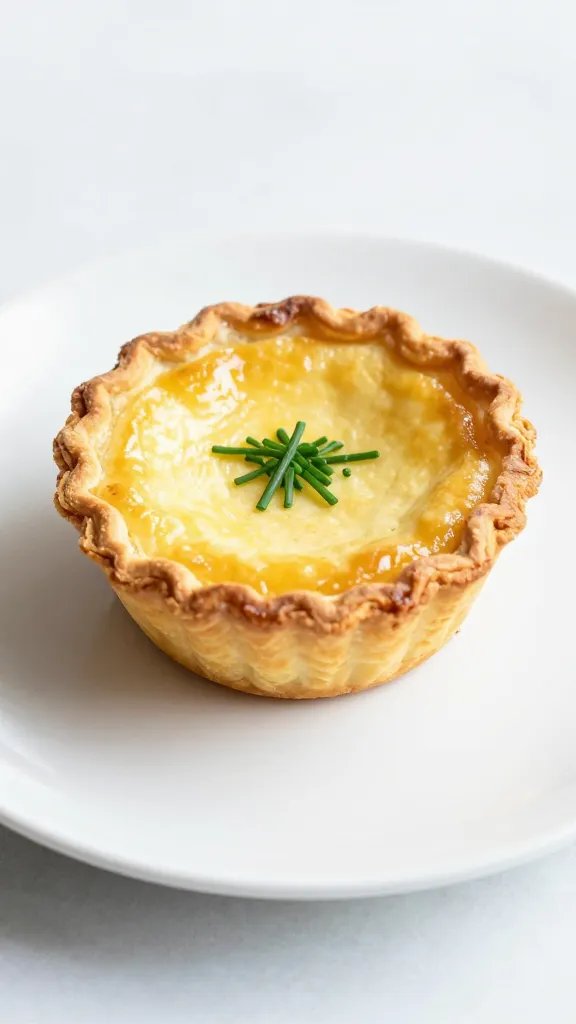
Individual Mini Quiches: the Perfect Portable Picnic Protein Recipe
· Samantha Jones
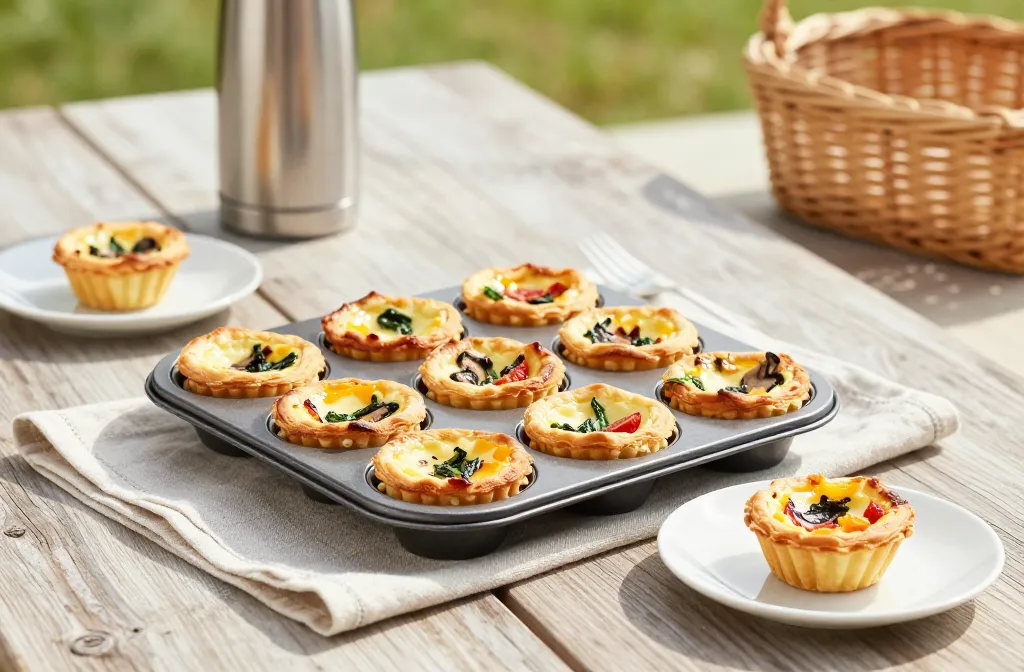
I started packing mini quiches for park days after too many soggy sandwiches died in my backpack. The first batch taught me what every home cook learns fast: watery fillings, rubbery eggs, and greasy crusts ruin the picnic. After dozens of rounds, I dialed in a method that bakes cleanly, transports well, and stays tender at room temp for 4–6 hours. Here’s how to get reliable, high-protein mini quiches from a standard kitchen — no special tools, no fuss.
What Makes Mini Quiches Picnic-Proof

Picnic food has to travel, sit out, and still taste good. Mini quiches work because eggs set into a gentle custard that holds moisture without weeping when you cool them properly.
I keep the custard lean enough to carry well but rich enough to stay silky: a 1:1 ratio of eggs to dairy by volume hits the sweet spot. Bake small so each piece cools fast and cuts clean.
Action today: Grab a standard 12-cup muffin tin and plan on 8 large eggs plus 1 cup dairy for a dozen minis — that ratio prevents rubbery results.
The Fail-Proof Base Formula (And Why It Works)

I use a simple formula you can scale up or down without thinking. Per 12 mini quiches: 8 large eggs, 1 cup dairy, 1 teaspoon kosher salt, 1/2 teaspoon black pepper, and 1 packed cup total of cooked, dry fillings.
Critical: Keep fillings dry. Excess water from spinach, mushrooms, or tomatoes turns the custard spongy and leaks into the crust or cups.
Action today: Write this on a sticky note for the inside of your cabinet: “8 eggs + 1 cup dairy + 1 cup dry fillings + 1 tsp salt — for 12 minis.”
Crust Options That Don’t Get Soggy

You have three good paths: store-bought pie crust, puff pastry, or crustless with a protein crumb base. For crusted versions, I cut 3.5-inch rounds from chilled dough and press gently into a greased muffin tin. Dock the bottoms with a fork.
If you want crustless, I make a quick base of 1/2 cup fine breadcrumbs or crushed crackers mixed with 2 tablespoons melted butter and 2 tablespoons grated hard cheese. Press 1 tablespoon into each cup and bake 5 minutes to set before adding custard.
Material recommendations
- Pie crust: Standard refrigerated rolled crust from the supermarket; it browns predictably.
- Puff pastry: Bake straight from chilled, not warm; it shrinks if it softens.
- Crustless: Use a nonstick muffin tin and a light spray of oil to release cleanly.
Action today: Decide crusted vs. crustless before you shop — it changes how you prep the pan and how dry your filling must be.
Fillings That Stay Flavorful After a Car Ride

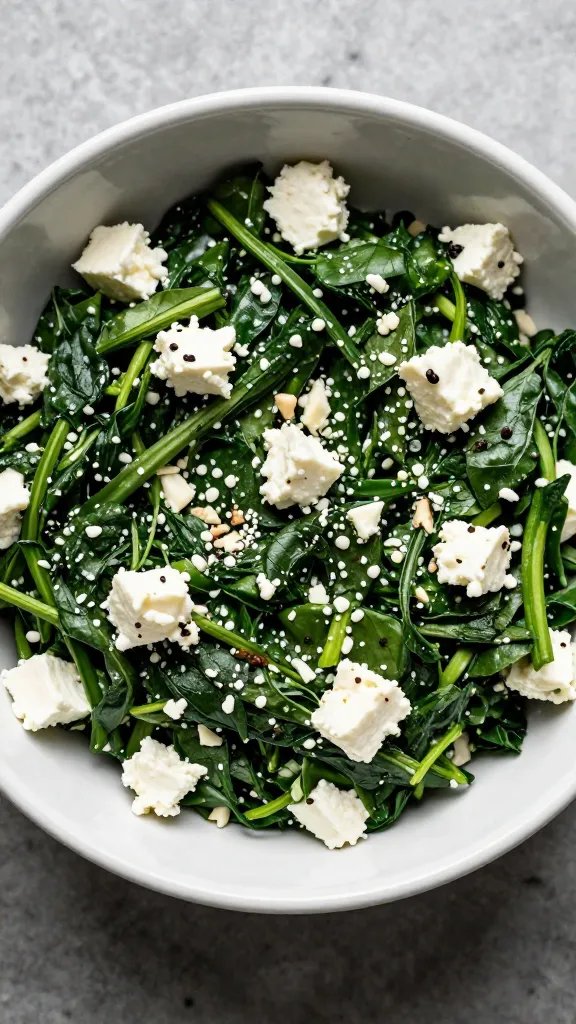
Cook and dry your fillings before they meet the eggs. I sauté mushrooms until they squeak and leave no liquid in the pan, squeeze thawed spinach bone-dry in a clean towel, and blot roasted peppers or sun-dried tomatoes.
I keep total fillings to 1 packed cup for 12 quiches so the custard can set around them. For protein, aim for 4–6 ounces cooked meat or legumes across the batch.
Reliable filling combos
- Spinach + Feta + Scallion: 1 cup squeezed spinach, 1/2 cup crumbled feta, 2 sliced scallions.
- Mushroom + Gruyère + Thyme: 1 cup sautéed mushrooms, 1/2 cup grated Gruyère, 1 tsp fresh thyme.
- Ham + Cheddar + Mustard: 1/2 cup diced ham, 1/2 cup cheddar, 1 tsp Dijon.
- Roasted Red Pepper + Goat Cheese + Basil: 1/2 cup peppers (blotted), 1/3 cup goat cheese, 6 torn basil leaves.
- Broccoli + Parmesan + Chili Flake: 1 cup finely chopped steamed broccoli (very dry), 1/3 cup Parmesan, pinch chili flake.
Action today: Sauté or steam fillings now and store them dry in the fridge — prep tonight makes tomorrow’s bake hands-off.
The Custard Ratio, Dairy Choices, And Seasoning
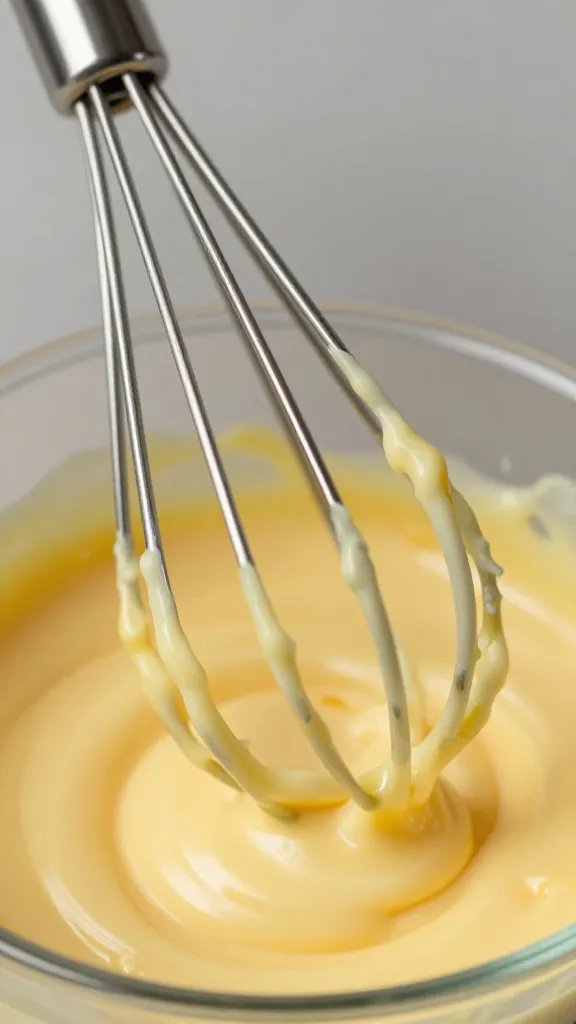
Whisk 8 large eggs with 1 cup dairy and 1 teaspoon kosher salt until smooth but not foamy. I use half-and-half or whole milk for portability; heavy cream makes a richer quiche that can feel greasy when cold.
Add 1/2 teaspoon black pepper and optional 1/4 teaspoon garlic powder or smoked paprika. Stir in 1/2 to 3/4 cup grated cheese for body; choose firm cheeses that melt cleanly like cheddar, Gruyère, or Monterey Jack.
Action today: If you only have skim milk, add 2 tablespoons melted butter to the custard for tenderness without buying cream.
Baking Times, Temperatures, And Doneness Cues

Heat the oven to 375°F (190°C). Grease a 12-cup muffin tin well. For crusted versions, pre-bake the lined cups 5 minutes; for crustless crumb base, pre-bake 5 minutes as noted.
Divide fillings evenly, then pour custard to just below the rim. Bake 16–20 minutes until the centers jiggle slightly but a knife near the edge comes out clean. They finish setting as they cool.
Warning signs and fixes
- Rubbery texture: Overbaked. Pull them when the centers still wobble gently.
- Wet bottoms: Fillings not dry enough. Next time, cook off moisture and blot.
- Sunken centers: Overfilled with dense fillings. Stick to 1 packed cup total.
Action today: Set a 15-minute timer and check every 2 minutes — visual cues beat strict timing in your oven.
Cooling, Transporting, And Food Safety
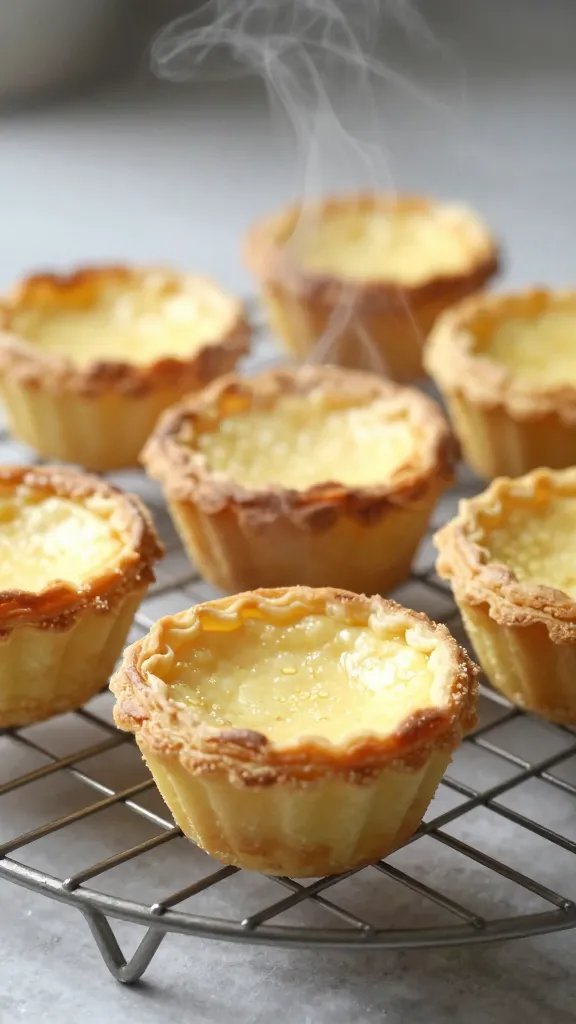
Let quiches cool in the pan 5 minutes, then loosen edges with a thin spatula and move to a rack. Cool until just warm before packing so steam doesn’t condensate in your container.
For transport under 4 hours in mild weather, I pack in a lidded container with a paper towel on the bottom. In hot weather or for longer trips, chill fully and use a small ice pack. They eat best at cool room temp or lightly chilled.
Action today: Line your container with a paper towel before packing — it keeps bottoms from going slick.
Make-Ahead, Freezing, And Reheating Without Drying Out
Refrigerate baked mini quiches up to 4 days. For freezing, cool completely, wrap individually, and store up to 2 months.
Reheat from chilled at 325°F (165°C) for 8–10 minutes, or from frozen for 18–20 minutes, covered loosely with foil. I add a few drops of water to the pan to create gentle steam and keep the custard soft.
Action today: Bake a double batch and freeze half — future you will thank you on a rushed picnic morning.
Frequently Asked Questions
Can I use milk alternatives like almond or oat milk?
Use unsweetened, unflavored barista-style oat milk for the best texture; it has enough body to mimic dairy. Avoid thin almond milk — it bakes spongy and bland. Add 2 tablespoons olive oil to the custard for richness if skipping dairy entirely. Season a touch heavier because plant milks mute salt and spice.
How do I prevent sticking in the muffin tin?
Use a nonstick tin and grease each cup thoroughly with neutral oil or softened butter, including the rim. Paper liners work if you go crustless, but peel them off while still slightly warm. If a quiche sticks, run a thin offset spatula or butter knife around the sides before lifting. Avoid letting them cool completely in the pan — that cements the edges.
What if I only have medium or extra-large eggs?
For medium eggs, use 9 instead of 8 to hit the same volume. For extra-large, use 7. The goal is roughly 2 cups total custard once you add dairy; adjust dairy slightly to reach that line. If you overfill, bake a few minutes longer and expect a higher dome.
Can I make them gluten-free?
Yes. Go crustless or use a gluten-free pie crust from the supermarket. For a crumb base, swap in crushed gluten-free crackers or almond flour mixed with grated Parmesan and butter. Ensure any add-ins like cured meats are labeled gluten-free.
How do I keep the tops from browning too fast?
Lower the rack to the middle-lower position and bake at 350°F (175°C) for 18–22 minutes. If they still darken early, tent loosely with foil at the 12-minute mark. Using a lighter-colored muffin tin also helps; dark tins brown quicker. Avoid broiling at the end — it toughens the custard.
Conclusion

You now have a dependable mini-quiche framework that survives a backpack, a sunny blanket, and an afternoon without turning soggy or rubbery. Pick one filling combo, prep it dry, and bake a dozen this week — then refine the seasoning and dairy to your taste. When you’re ready to branch out, try a crustless batch for speed or a puff-pastry round for extra flake, and make mini quiches your default portable picnic protein.
Leave a Reply