Why Picnics Are the Ultimate Tool for “Authentic Social Connection” in 2026
· Yogi
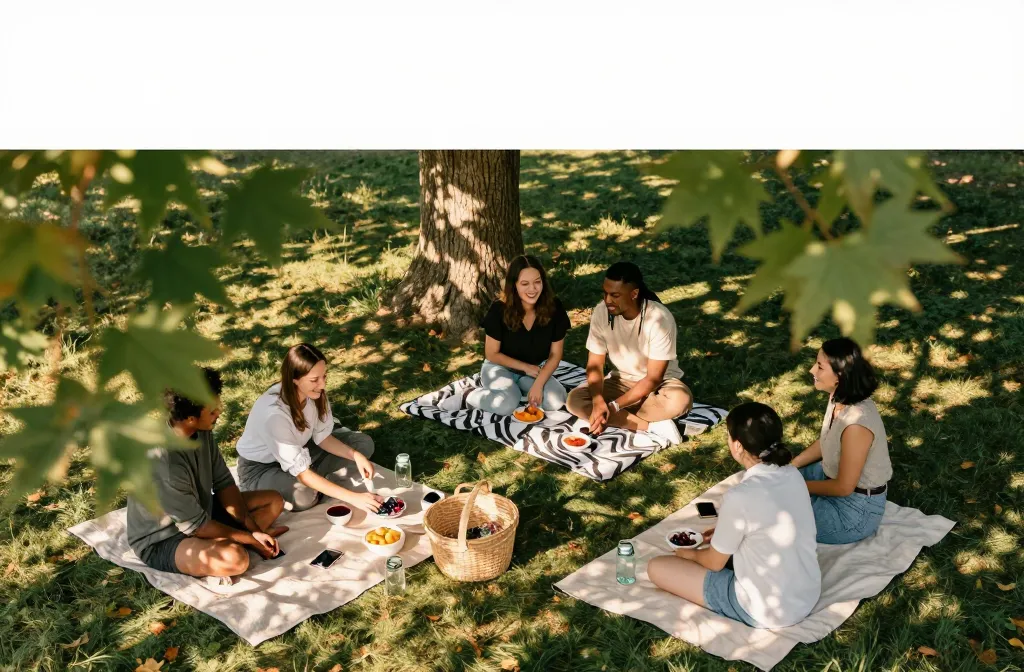
I host a small neighborhood picnic every other month, and it started because my living room felt too cramped for friends to relax. The first time we spread a blanket under the maple tree, people who barely nodded in the hallway stayed for two hours and swapped plant cuttings. You’ll learn why picnics work better than dinner parties or group chats for real connection, and exactly how to run one that feels natural, affordable, and welcoming. By the end, you’ll be ready to plan a picnic that turns acquaintances into friends.
Why Picnics Lower Social Pressure And Make Talking Easier

Chairs around a table lock people into fixed roles. A blanket invites shifting groups, side conversations, and quiet moments that let shy guests participate at their own pace.
Outside, ambient sound and open space soften the intensity of eye contact. That lowers anxiety and keeps conversations from feeling like interviews.
Shared, simple food on a blanket removes the formality of courses and plating. Everyone contributes without comparing.
Action today: Choose a park spot with dappled shade, space for two blankets, and a bathroom within a three-minute walk.
The Phone-Light Zone: How Picnics Break The Scroll Reflex

Phones fill silence because chairs and screens train us to consume instead of relate. A picnic gives people constant, easy micro-tasks that replace phone-checking: passing berries, refilling water, nudging the blanket, shifting into sun or shade.
Natural rhythms—birds, distant dogs, shifting light—offer low-stakes attention breaks. People can pause, look around, then return to the thread without losing face.
Set the expectation up front with a warm frame: “Let’s do a phone-light two hours so we can actually hang out.” Provide a visible basket for devices and one person’s watch or a small travel clock to handle time.
Action today: Add one sentence to your invite: “Phone-light hang (ringers on vibrate; quick photos okay, then into the basket).”
The Right Mix Of Food: Modular, Shareable, And Stress-Free

Food should be finger-friendly, sturdy, and fine at room temperature for two hours. Think firm fruits (apples, grapes), cut veggies, hard cheeses, hummus, pita, nuts, and cookies. Skip mayo-heavy salads and anything that bleeds or wilts fast.
Modular food invites interaction. Build-your-own wraps or bowls spark small talk and sharing without a formal “serving.” Label components with painter’s tape: “gluten-free wrap,” “contains nuts,” “dairy.”
Bring more water than you think: two liters per four people for two hours. Pack a small trash bag and a gallon zip bag for recycling so cleanup takes five minutes, not twenty.
Simple Packing Checklist
- Two blankets (one for sitting, one as backup or shade)
- Water (reusable jug + cups or individual bottles)
- Food tubs with tight lids + painter’s tape labels
- Wet wipes and a small hand towel
- Trash and recycling bags
- Phone basket and a small analog timer or watch
Action today: Pre-pack a picnic tote with wipes, tape, trash bags, and a spare blanket so “let’s meet” becomes a five-minute grab, not a 45-minute chore.
Conversation That Flows: Set Gentle Structures, Then Get Out Of The Way
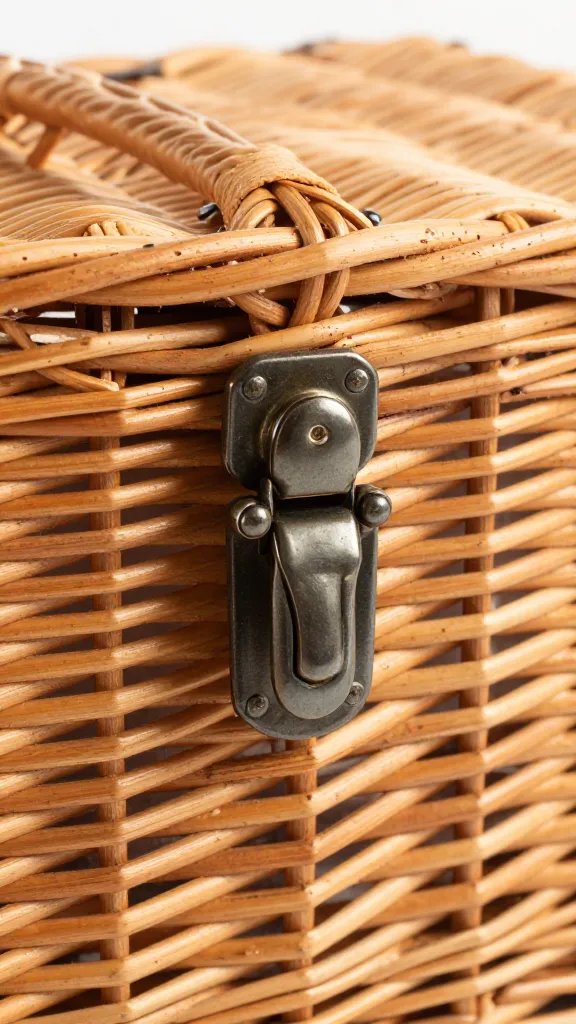
People talk more when there’s a light activity. Bring a deck of open-ended prompt cards, a pouch of seed packets for swapping, or a small cutting-exchange box if your group gardens. You don’t need a program—just frictionless openings.
Use the “two-blanket” method: one blanket for folks chatting, the other for an optional activity (sketching leaves, tasting herbs, trading cuttings). Movement between blankets naturally reshuffles the group every 15-20 minutes.
Seed the first 10 minutes with one low-stakes question: “What plant surprised you this season?” Then let the group carry it.
Action today: Write three prompts on an index card and tuck it in your tote. Use only if conversation stalls.
Weather, Bugs, And Comfort: Small Tweaks That Keep People Longer
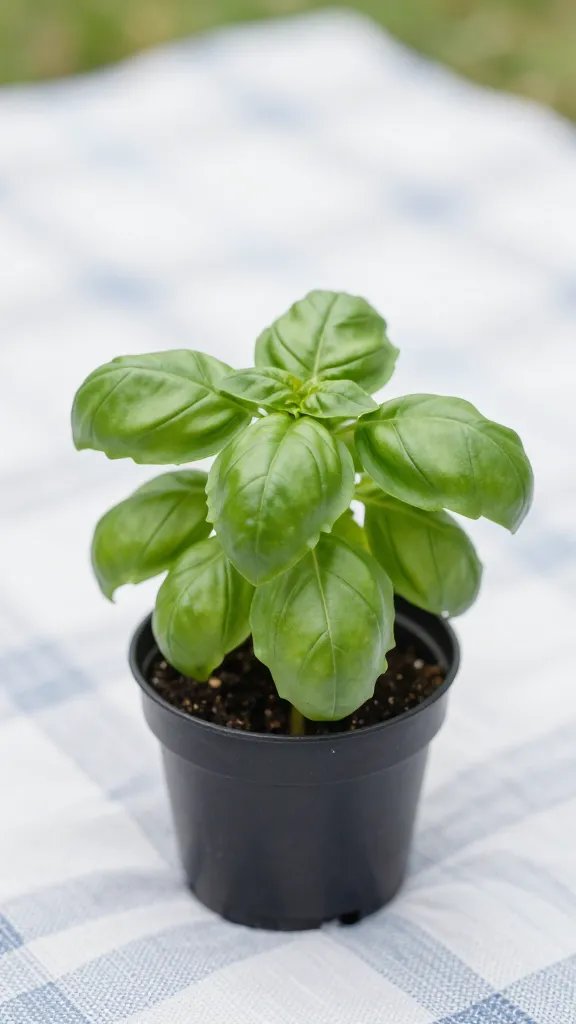
Comfort keeps people present. Aim for light shade and sit where a breeze crosses your blankets. In hot months, plan for 10 a.m.–noon or 5–7 p.m.; in cool months, catch the warmest two hours.
Pack two light layers and a spare hat in your tote. For bugs, bring unscented wipes and a lemon-eucalyptus spray. Sprinkle a thin line of cinnamon around the blanket edge to discourage ants.
Always choose a spot with dry ground and a quick exit route if weather flips. A nearby picnic shelter or your car becomes Plan B.
Action today: Check your park’s shade at your planned hour this week—stand there for five minutes and note breeze, noise, and ant traffic.
Invites That Actually Get Yeses

People say yes when the plan is clear and light. Use a message with four specifics: time window (two hours), location pin, phone-light note, and “bring one simple shareable.” Offer one clear role for anxious guests: “Can you bring fruit?”
Cap at 6–8 people for easy conversation. If more want in, schedule a second date—not a bigger group.
Follow up the morning of with a one-line reminder and a photo of the spot so latecomers can find you fast.
Action today: Draft a reusable invite template in your notes app with those four specifics and one role line to copy-paste.
Make It A Habit Without Burning Out

Consistency builds trust. Set a recurring “first Saturday” or “third Thursday evening” picnic. People plan around predictable rhythms.
Rotate two simple themes to keep it fresh: “Breads & Spreads” one month, “Tea & Treats” the next. Keep supplies in the tote and restock during your regular grocery run.
Measure success by linger time and follow-up, not attendance. If two people stay an extra half hour and swap numbers, you hit the goal.
Action today: Put a repeating 90-minute calendar block for the next three months, with a 24-hour prep reminder to refill water jugs and grab fruit.
Frequently Asked Questions

What if I don’t have a big park nearby?
Use whatever green pocket you have: a building courtyard, a shared rooftop, or a sunny patch by a community garden. Bring two blankets to define the space and sit a few meters from foot traffic. If shade is scarce, clip a light cloth to a low fence for dappled cover. The clarity of your setup matters more than the size of the lawn.
How do I handle dietary needs without cooking multiple dishes?
Go modular. Bring plain bases (pita, plain rice cakes) and separate toppings in labeled tubs: “dairy,” “contains nuts,” “gluten-free.” Keep a clean knife for each tub so there’s no cross-contact. Ask guests to label their dish with painter’s tape when they arrive.
What if my friends default to phones anyway?
Frame it before you start: “Two hours, phone-light, basket’s here.” Offer a quick photo moment in the first five minutes, then pass the basket. Give people small jobs—pour water, set out napkins—to keep hands busy. If someone drifts back to the screen, start a simple group task like “build-your-own wrap” to re-engage attention.
How do I keep things affordable?
Pick one anchor item you provide—water and a big bowl of grapes—and ask each person to bring one shareable snack. Buy store-brand staples and reuse containers from your kitchen. Skip specialty items and aim for foods that stretch: hummus, carrots, pretzels, and apples feed many for little.
What’s a good length for a picnic?
Two hours hits the sweet spot: long enough for real conversation, short enough to avoid fatigue. Set a clear start and end in the invite, and bring a small watch to stay on track. If the vibe is strong at the two-hour mark, invite those who can to continue with a short walk.
How do I include neighbors I don’t know well?
Post a simple note in the lobby or community board three days ahead with the time, location, and “bring one snack.” Greet newcomers by name as they arrive and introduce them to two people with a shared interest: “Sam grows basil on her balcony too.” Keep the first ask light so they feel welcome to try it once without pressure.
Conclusion


You don’t need a big house, a perfect menu, or a charismatic host voice to build real connection. You need a blanket, simple food, a clear invite, and a phone-light container that lets conversation breathe. Pick your spot this week, send the template invite, and run a two-hour pilot. After that first picnic, you’ll have the trust—and the rhythm—to make it a monthly anchor for your community.
Leave a Reply