The Secret to Why You Should Use “Melamine” and “Heavy-Duty Plastic” for Kids’ Picnics
· Samantha Jones
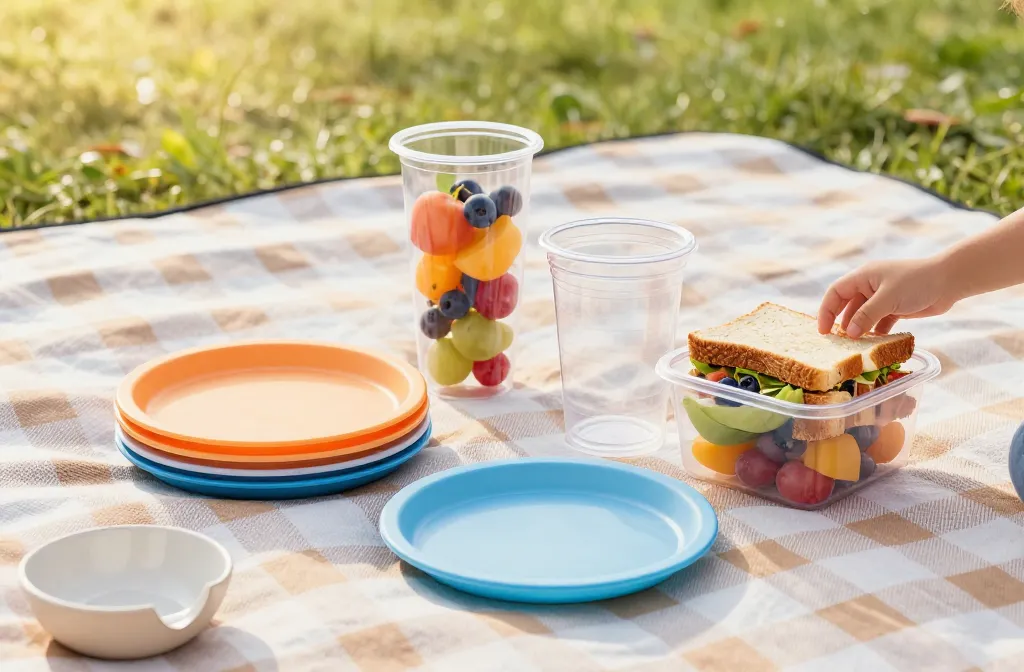
I host park picnics for a swarm of nieces and nephews, and I’ve watched ceramic bowls shatter on concrete like it’s their hobby. After switching to melamine plates and heavy-duty plastic cups and tubs, the cleanup time dropped, the food stayed put, and nothing broke in the grass. In this guide I’ll show you exactly why these materials outlast glass and paper outdoors, how to choose safe options, and the best ways to pack and clean them so you spend the day playing, not policing tableware.
Why Melamine and Heavy-Duty Plastic Beat Ceramic, Glass, and Paper Outside
Picnics are rough on gear: droppy hands, uneven ground, and wind. Melamine and heavy-duty plastic don’t shatter, bend under a sandwich, or soak through like paper plates. They stay light in your tote and don’t clink or chip during the walk to the park.
Durability matters with kids. One solid set replaces dozens of disposables, and you can pass plates around without worrying about sharp shards. That reliability turns a chaotic lunch into a routine you trust.
Action today: Retire the wobbly paper plates and keep one 4-pack of melamine plates in your picnic bag full-time.
Safety Basics You Actually Need to Know
Melamine and plastic get a bad rap because of heat and scratching. Used correctly, they’re safe for cold and warm picnic foods. I follow three rules and teach kids to do the same.
Simple Safety Rules That Prevent Problems
- No microwaves or ovens: Don’t heat food on melamine or most plastic. Warm food placed onto them is fine; direct heating is not.
- Hand-wash or top-rack only: If the label allows a dishwasher, keep it top rack. Heat rises; the bottom rack can warp or fade.
- Retire scratched gear: Deep scratches trap grime. If a fork groove catches your nail, replace that piece.
Action today: Flip your plates and cups over. If the label doesn’t say “Dishwasher Safe” or “Top Rack Only,” plan to hand-wash to extend their life.
What to Buy: Plates, Bowls, and Cups That Survive Real Use
You’ll find melamine and heavy-duty plastic in any big-box store or garden centre’s seasonal aisle. I choose pieces that nest tightly, rinse clean in a splash of water, and stack flat in a tote.
Material and Design Recommendations
- Plates: Melamine, 9–10 inch, with a slight lip to stop grapes from rolling. Matte or lightly textured finishes hide fork marks.
- Bowls: Melamine or thick polypropylene, 16–20 oz, for fruit and pasta salad. Look for a stable base wider than your palm.
- Cups: Heavy-duty plastic tumblers or lidded straw cups. Clear walls help you see whose is whose; add a rubber band in a color per child.
- Serving Tubs: Food-grade, BPA-free plastic with snap lids. Shallow, wide containers won’t tip on grass.
- Utensils: Thick reusable plastic or nylon. Avoid thin picnic forks that flex under watermelon.
Action today: Assemble a 12-piece “park set”: 4 plates, 4 cups, 4 bowls, all stackable, and store it in a single tote so it’s always ready.
Keeping Food at the Right Temperature Without Fancy Gear

Kids forget to eat when they’re playing, so food sits out. I keep it safe using insulation and shade, not special meters or gadgets. Cold stays cold with ice and airflow; hot stays warm with wraps and timing.
Cold Food, Simple Setup
- Use a small soft cooler with two frozen water bottles as ice packs. They become drinks later.
- Nest melamine plates on top of the cooler contents to create a cold “shelf.”
- Keep dairy, cut fruit, and meat in sealed tubs in the cooler; open only when serving.
Warm Food Without Microwaves
- Heat at home, then pack in a towel-wrapped, lidded plastic container. Don’t pour hot food into melamine straight off the stove; let it sit 5–10 minutes first.
- Serve onto melamine plates right before eating, then close lids to hold residual warmth for seconds.
Action today: Freeze two water bottles tonight and store them in your picnic tote, ready to drop into the cooler for any last-minute outing.
Pack to Prevent Spills and Lost Pieces
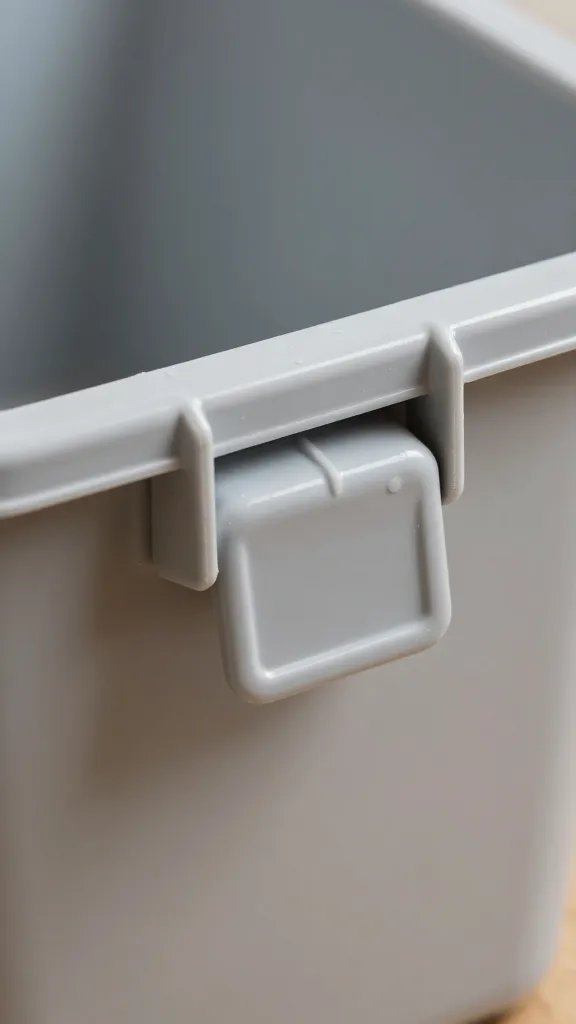
Smart packing beats chasing cups across the field. I build a stable stack that opens in the order we use it. Plates go on the bottom to act as a tray, cups clip together, and small items ride inside bowls.
Step-by-Step Packing Method
- Stack plates at the bottom of your tote; slip a clean dish towel between every two plates to prevent scuffs.
- Nest bowls on top; tuck forks and spoons inside the top bowl in a zip bag.
- Snap cups together by alternating them or use a silicone band to keep the stack tight.
- Place lidded food tubs upright in a small cooler; set the cup stack beside them to fill gaps.
- Lay a second towel on top as a work surface and crumb-catcher at the park.
Action today: Add two clean dish towels to your picnic tote—one for packing stability, one as a placemat.
Cleanup That Doesn’t Eat Your Afternoon
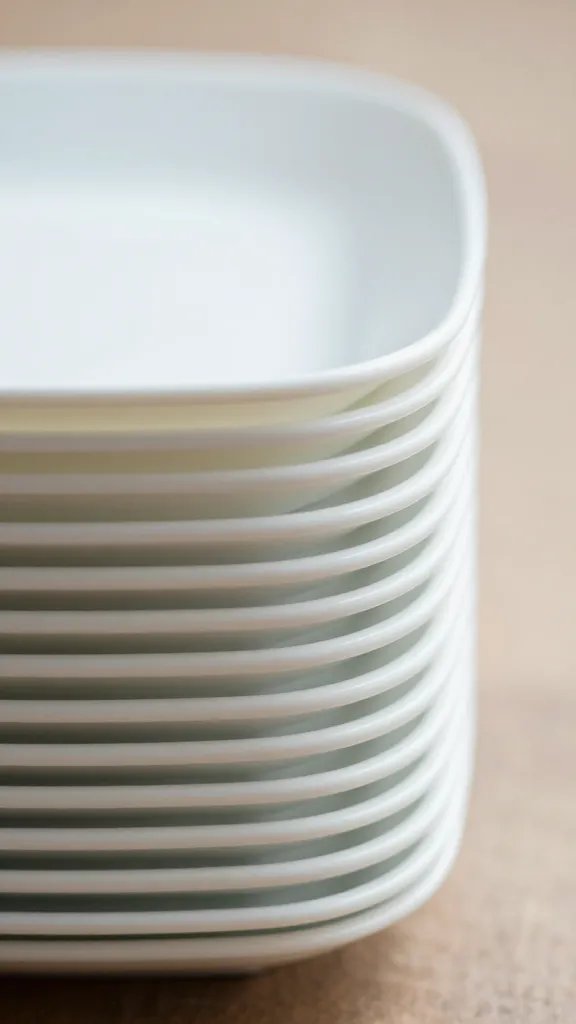
Outdoor dishes collect dust and grass. I do a fast pre-clean on-site and finish at home so nothing ferments in the car. A simple kit makes it automatic.
On-Site Wipe and Seal
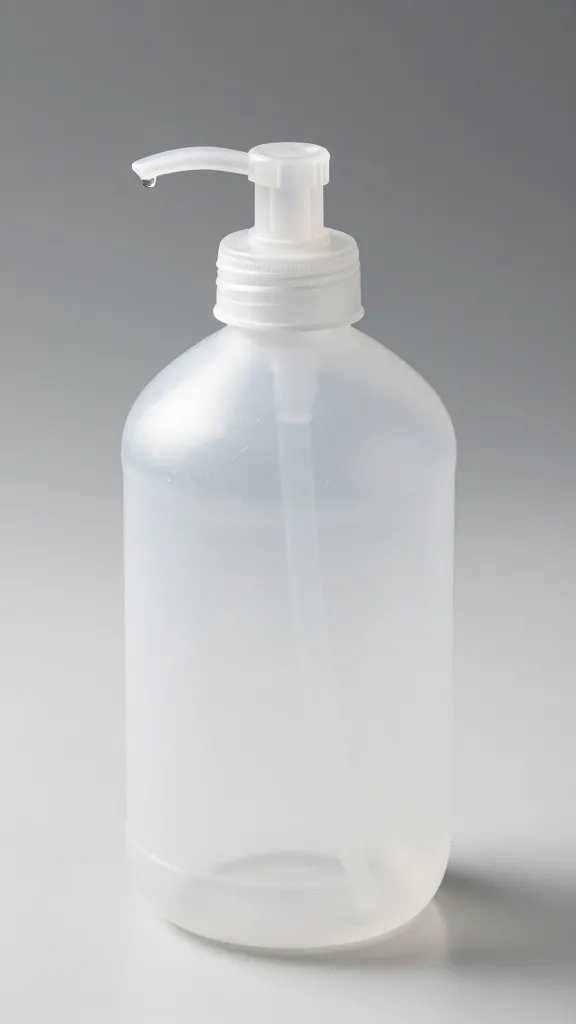
- Bring a small spray bottle with a drop of dish soap and water, plus a sponge and a few compostable towels.
- Scrape with a silicone spatula into a trash bag. Spray, wipe, and stack plates with the towel between each.
- Snap lids back on tubs immediately after serving to keep bugs out and leftovers safe.
At-Home Finish
- Rinse everything under warm water to remove grit. Hand-wash or place top-rack only as labeled.
- Air-dry on a rack; store stacked with a paper towel between plates to prevent rub marks.
Action today: Build a quart-size “cleanup kit” bag: mini dish soap, sponge, silicone spatula, and 4 paper towels—leave it in the tote.
Cost, Sustainability, and When to Replace
A basic melamine set pays for itself after a handful of picnics by replacing stacks of disposables. You also cut down on overflowing park bins and windy litter. When a piece reaches the end of its life, dispose of it correctly and restock selectively.
When to Retire and How to Restock
- Replace any item with deep scratches, chips, or warping. Scratches harbor grime and are a sign the plastic has thinned.
- Keep a small “spares” box with one extra plate and cup, not a whole second set. That covers surprise guests without extra bulk.
- Choose solid colors or speckles; patterns hide minor scuffs and look good longer.
Action today: Inspect your current pieces under bright light—pull any scratched plate from rotation and note which single item you actually need to rebuy.
Frequently Asked Questions
Is melamine safe for kids to eat from?
Yes—when you don’t use it for cooking or microwaving. Serve cold or warm foods onto melamine plates and bowls, not boiling-hot items straight from the stove. Hand-wash or keep top-rack only, and retire pieces with deep scratches. Follow the product label and you’ll stay within its safe use.
What’s the difference between heavy-duty plastic and disposable plastic?
Heavy-duty plastic is thicker, stiffer, and labeled for repeated use, often dishwasher safe on the top rack. Disposable plastic bends under weight and warps with warm water, which leads to spills and short lifespans. For kids’ picnics, the sturdier material prevents tip-overs and saves money over the season. Look for BPA-free and food-safe labeling on the bottom.
Can I put hot food in heavy-duty plastic containers?
You can place hot—but not boiling—food into food-grade plastic containers if the label allows it. Let soups or sauces sit for 5–10 minutes off heat before ladling in, then close the lid and wrap in a towel to hold warmth. Don’t microwave in melamine or non-microwave-safe plastics. For very hot items, line the container with parchment to reduce contact.
How do I stop plates and cups from blowing away?
Use melamine plates with a bit of weight and a raised lip, and keep them stacked with a towel on top when not in use. Set the stack on a tray or cutting board to create a flat base on grass. For cups, choose lidded tumblers or weigh the stack with a water bottle. Eating in the shade behind a windbreak (tree or bag) helps too.
What’s the easiest way to label kids’ cups at the park?
Carry a small roll of colored rubber bands and assign a color to each child. Slip the band around the cup or handle; it holds through condensation and washing. For bowls and plates, a strip of painter’s tape on the underside with a name works and peels off cleanly. Keep the bands and tape in your cleanup kit.
Conclusion
Melamine and heavy-duty plastic turn kids’ picnics from a juggling act into a dependable routine—no breaks, fewer spills, faster cleanup. Start with a compact, dedicated set and a simple packing and cleaning system, and you’ll be ready for any sunny afternoon. Next step: stock your tote this week and schedule a park lunch—you already know exactly how to make it run smoothly.
Leave a Reply