The Truth Behind Why “Individual Picnic Boxes” Are the Best Solution for Large Groups
· Samantha Jones
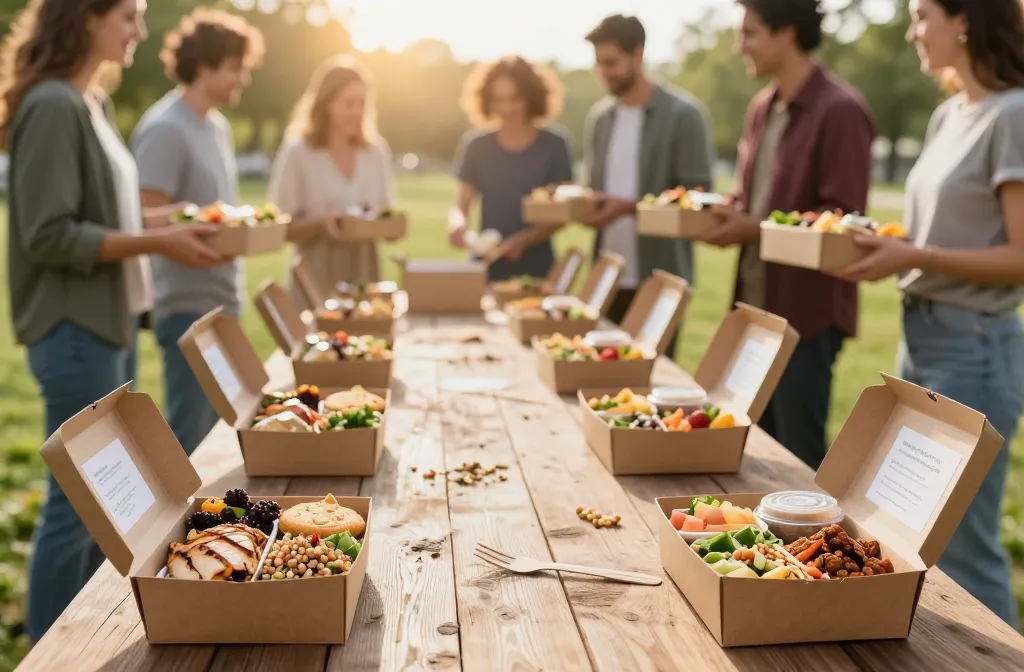
I stopped hauling buffet tubs to the park after one community garden meetup turned into a line of hungry people and wilted salads. With individual picnic boxes, I kept food safe, portions fair, and cleanup painless — and nobody waited. In this guide, I’ll show you how individual picnic boxes solve the exact problems that sink large-group events and how to plan them with simple supplies from a supermarket and hardware store. You’ll finish with a ready-to-use checklist and menu framework that works for 10 or 200.
The Real Problems Large Groups Create: Lines, Waste, and Food Safety
Buffet-style service creates bottlenecks, uneven portions, and high waste. The first 20 people overfill plates while the last 20 pick through leftovers.
Heat and sun also push food into the danger zone. Mayo-based salads, cut fruit, and proteins spoil within 60–90 minutes at warm park tables. You can’t fix that with decorative ice bowls.
Individual picnic boxes solve these by locking in portion control, speeding handout, and keeping lids closed until eaten. Less oxygen and handling means slower spoilage and fewer pests.
Action today: Decide your headcount and commit to one box per person — no shared bowls, no top-ups.
What Goes Into a Balanced, Travel-Proof Box
A good box survives transport, stays appetizing at room temperature for 2–3 hours, and delivers a satisfying meal. Aim for four parts: a protein, a sturdy carb, a crunchy veg/fruit, and a treat.
Choose items that don’t weep, wilt, or demand last-minute assembly. Favor dry rubs, oil-based dressings, and crisp produce that holds: carrots, snap peas, grapes, apples, shredded cabbage.
Reliable Menu Builder
- Protein: Roast chicken thighs (boneless), falafel, firm tofu strips, nitrate-free turkey, chickpea salad (oil-based), hard-boiled eggs.
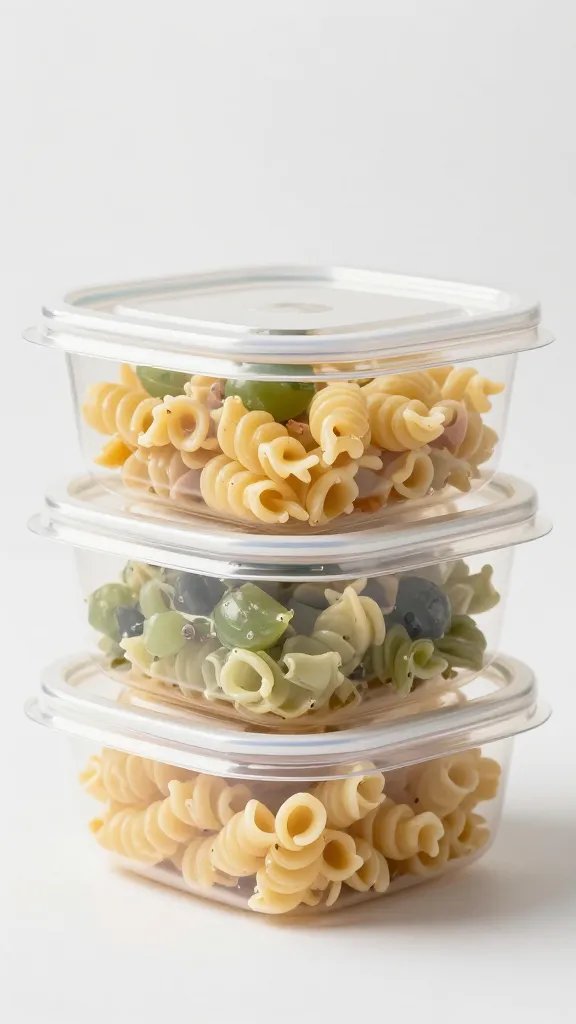
- Carb: Mini ciabatta, pita halves, olive oil couscous, brown rice pilaf, sturdy pasta salad with vinaigrette.
- Crunch/Fresh: Slaw (cabbage + carrot + vinaigrette), cucumber spears, cherry tomatoes, grapes, apple slices with lemon.
- Treat/Bonus: Brownie square, oatmeal cookie, cheddar cube, small pickle, roasted nuts (in a cup).
Action today: Draft your four-part box with exact items and quantities per person on one sheet — this becomes your packing list.
Portioning That Actually Feeds Everyone (Without Overbuying)
Large groups amplify portion creep. Pre-portion everything before you pack the boxes. Use a kitchen scale for proteins and a measuring cup for carbs.
My standard per adult: 120–150 g cooked protein; 1 cup cooked carbs or 1 small roll; 1 cup crunchy veg/fruit; 1 small dessert (30–50 g). Kids under 10: half those amounts.
For mixed diets, set a simple ratio before shopping: 60% omnivore, 25% vegetarian, 15% vegan/gluten-free. Label boxes clearly so people grab what suits them without opening lids.
Action today: Print labels with Protein, Allergens, and Date and stick them on every lid before packing.
Packaging That Keeps Food Safe and Presentable

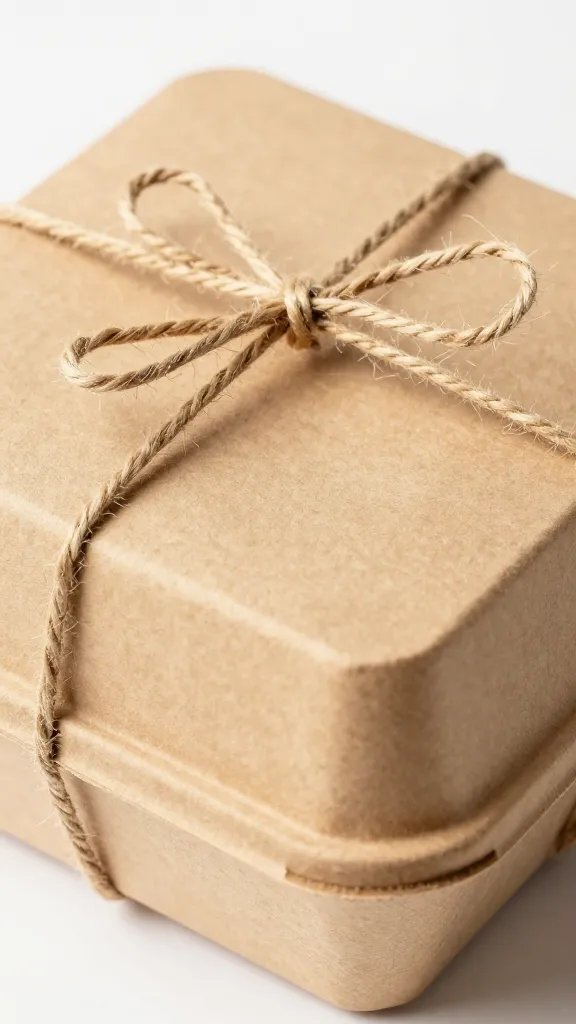
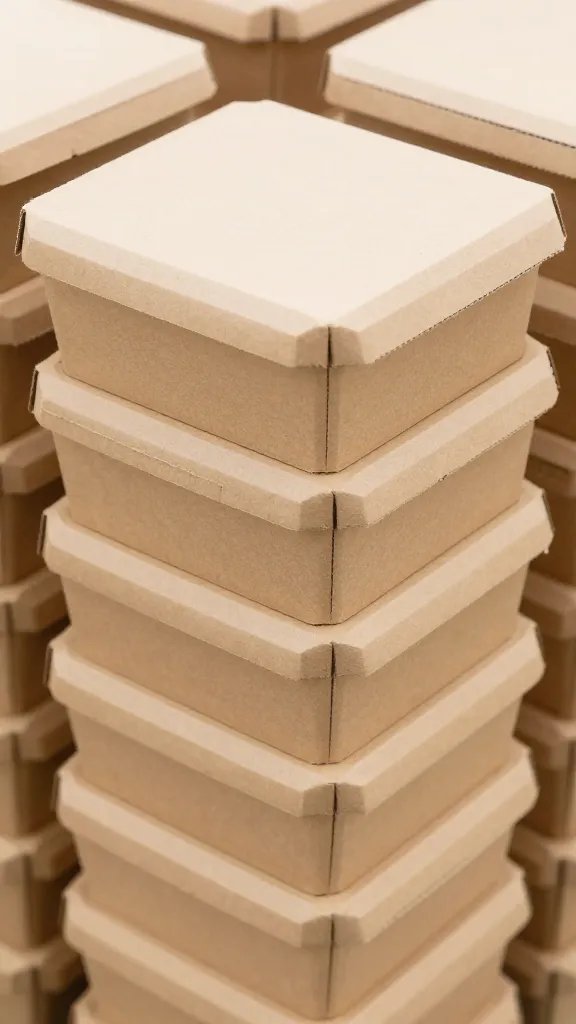
Skip flimsy clamshells. Use medium kraft paper lunch boxes or shallow lidded containers that stack without crushing. Line each box with parchment to stop oil soak-through.
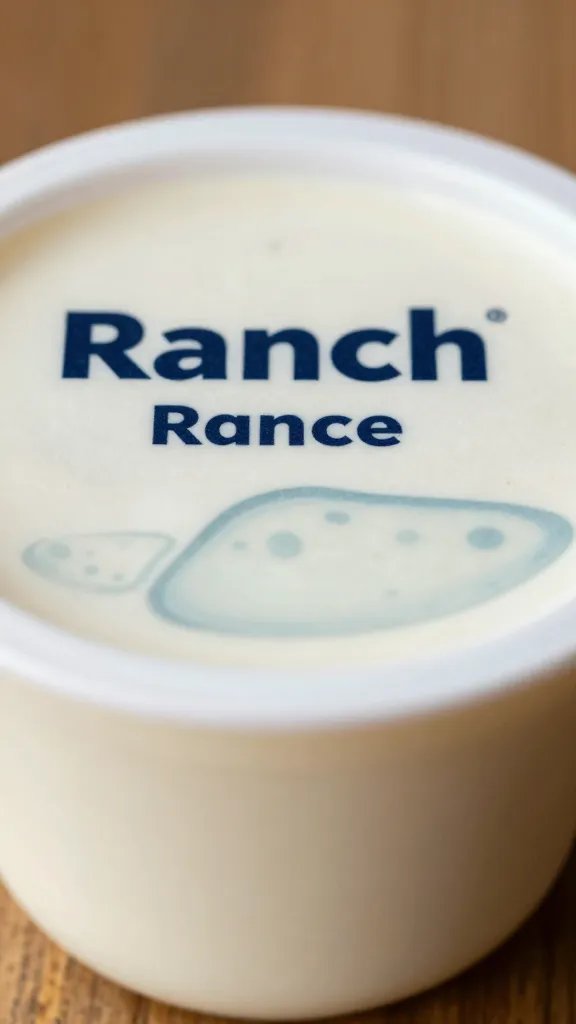
For sauces, use 1–2 oz lidded cups inside the box. Oil-based dressings only. Keep wet away from crisp items by bagging chips/crackers separately or tucking them in a small paper sleeve.
Materials You Can Buy Today
- Kraft boxes sized for 24–32 oz with tuck-in lids.
- Parchment sheets or baking paper to line bottoms.
- Small sauce cups with snap lids (1–2 oz).
- Ice packs and a basic cooler; freeze water bottles to double as drinks + cold source.
- Permanent marker and colored stickers for diet codes (G=gluten-free, V=vegan, D=dairy-free).
Action today: Test-pack one box and shake it gently; if anything leaks or shifts, add a parchment wrap or move sauces to cups.
Timeline: Prep, Pack, and Keep Cold Without a Commercial Kitchen
You don’t need pro gear — just a clear schedule. Cook proteins the day before and chill them flat on trays so they cool fast. Assemble cold salads and wash produce the same day you cook.
On event day, pack boxes straight from the fridge. Stack in coolers with ice packs under and between layers. Keep coolers closed until distribution. At the park, place coolers in full shade and rotate open coolers so only one is exposed at a time.
Step-by-Step Packing (For 50 Boxes)
- Two days out: Shop to the list; freeze 25–30 water bottles.
- One day out morning: Cook proteins; chill on trays; portion into containers.
- One day out afternoon: Make carbs/salads; cool completely; portion dry where possible.
- Event morning: Line boxes with parchment; add protein, carb, veg/fruit, dessert; add sealed sauce cups; close and label.
- Load into coolers with ice packs/water bottles; transport; distribute within 2 hours of leaving the fridge.
Action today: Block 90 minutes on your calendar per 25 boxes for assembly — and assign one helper per 25 boxes.
Dietary Needs and Allergen Safety Without a Headache
Cross-contact ruins events. Dedicate one clean surface for allergen-free boxes first. Use new gloves or washed hands and separate utensils. Pack and seal these boxes before anything else.
Design inclusive menus that don’t need last-minute swaps: vinaigrette instead of creamy dressing, rice or potatoes instead of pasta for gluten-free sets, and a vegan protein like falafel or tofu that tastes good cold.
Color-code lids so guests don’t open boxes to “check.” Announce where each color is when you start handout.
Action today: Choose one base menu and create two variants: Vegetarian and Gluten-Free/Dairy-Free, then color-code them on your shopping list.
Distribution That Eliminates Lines and Awkwardness
Handing out boxes takes minutes when you separate by color and place clear signs. Don’t stack everything on one table. Create three lanes: omnivore, vegetarian, allergen-friendly.
Give one volunteer a single job: pass one box and a napkin set per person. Keep extras in a closed bin to avoid “just one more cookie” situations that deplete stock before everyone eats.
Action today: Pack napkin, wooden fork, and hand wipe in each box so you don’t need a utensil station.
Cost Control and Cleanup You Can Count On
Individual boxes look pricier but waste less. You buy to exact portions, not buffet “just in case” volumes. Leftover sealed boxes store safely in the fridge for 24 hours or deliver easily to absent guests.
Cleanup shrinks to one recycling bag and a cooler. No serving bowls, no half-used dressings, no soggy platters. The site stays tidy, and you leave on time.
Action today: Set a per-person budget ceiling (for example, $7–$9 for homemade; $12–$14 for catered) and build your menu to fit it before you shop.
Frequently Asked Questions
How many hours can a picnic box stay safe without refrigeration?
Keep boxes under 5°C/41°F until distribution, then serve within 2 hours at room temperature. If it’s hotter than 27°C/80°F, shorten that to 1 hour. Use coolers with ice packs and keep them in full shade. When in doubt, rotate smaller batches out of the cooler rather than setting everything on a table.
What are the best make-ahead proteins that taste good cold?
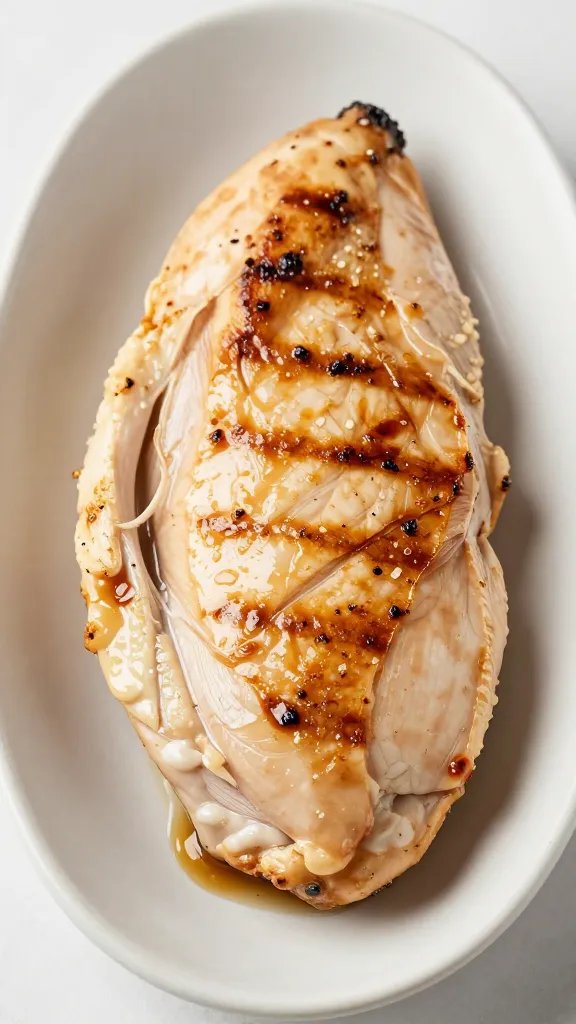
Roast chicken thighs (lightly salted, olive oil, paprika), sliced flank steak with chimichurri on the side, falafel, baked tofu with soy-ginger glaze, and hard-boiled eggs hold texture and flavor when chilled. Season boldly the day before so flavors develop. Avoid saucy items that gel or leak like creamy chicken salad in heat. Slice proteins across the grain for easy eating with a wooden fork.
How do I estimate vegetarian and allergen-friendly counts accurately?
Send a one-question RSVP asking for “Omni / Vegetarian / Vegan / Gluten-Free / Dairy-Free” and close responses 5 days out. Add a 10% buffer across vegetarian and allergen-friendly boxes — they disappear first. Label lids clearly and store special-diet boxes in a separate cooler so they aren’t handed out by mistake.
Can I include salads without them getting soggy?
Yes — choose sturdy bases like shredded cabbage, kale (massaged with a little oil), or couscous. Dress lightly with oil-and-vinegar in a sealed cup and instruct guests to drizzle right before eating. Keep wet ingredients like tomatoes and cucumbers in a separate corner or cup inside the box. Avoid lettuce mixes, which wilt fast.
What’s a simple packaging setup for 100 people?
Use four large coolers, 25 boxes each, with two layers of ice packs. Pre-label lids the night before. At the site, set three tables: two for main flows and one for allergen-friendly. Assign four volunteers: two to hand out, one to manage coolers, one to handle trash and recycling.
How do I keep costs down without the boxes feeling skimpy?
Center the menu on affordable proteins like chicken thighs, beans, or tofu, and use flavorful carbs like herbed rice or pasta. Portion with a scale so every box looks full but consistent. Add value with a colorful slaw, seasonal fruit, and a small homemade dessert. Buy packaging in bulk packs from a warehouse store or restaurant supply aisle.
Conclusion
Individual picnic boxes turn a chaotic group meal into a smooth, safe, and efficient handout that people actually enjoy. Start by locking your four-part menu, labeling for diets, and scheduling a simple assembly line. If you’re ready to scale, draft your headcount and box variants tonight — your next large event won’t just run better, it will finish with a clean table and zero guesswork.
Leave a Reply