The Secret to How to Find a Secluded Picnic Spot for a Romantic Anniversary
· Samantha Jones
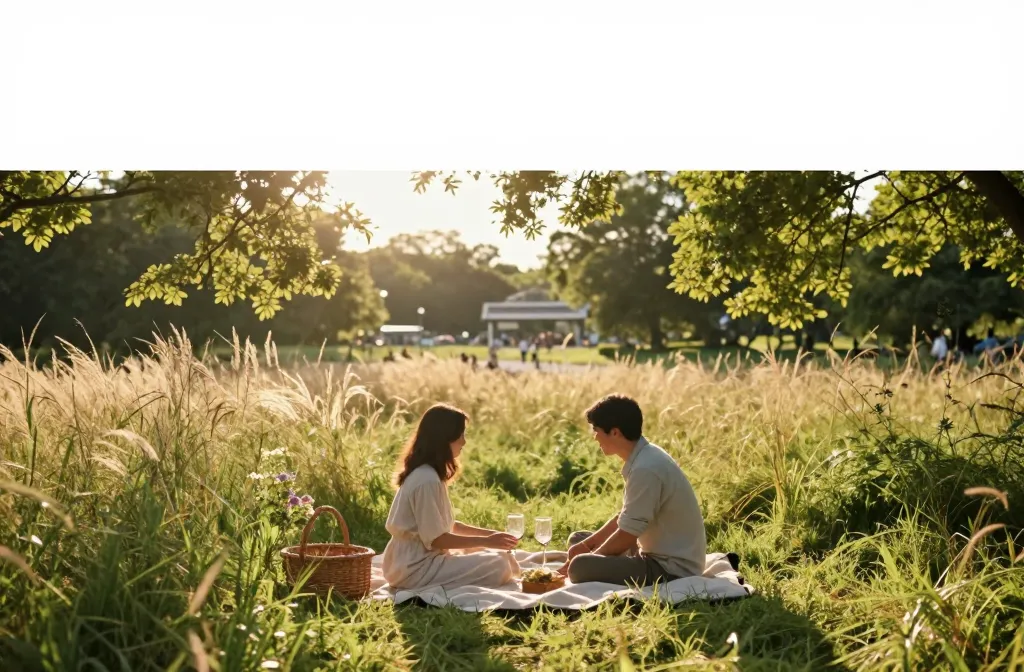
I’ve planned anniversary picnics in busy cities and far-flung countryside, and the best ones never happened by accident. They came from a few deliberate checks that kept us away from crowds, wind tunnels, and muddy surprises. If you’ve ever arrived at a “perfect” park only to find a birthday party and a leaf blower, this guide is for you. I’ll show you how to choose, scout, and secure a truly private-feeling spot using only common-sense tools and what you already own — so you can focus on each other, not logistics.
Choose Locations That Naturally Deter Crowds
Seclusion starts with terrain and access. I look for places that require a short walk (5–15 minutes), have limited parking, or sit just beyond the most photographed viewpoint. Crowds cluster near gates, playgrounds, visitor centers, and the first lake edge you see from the path.
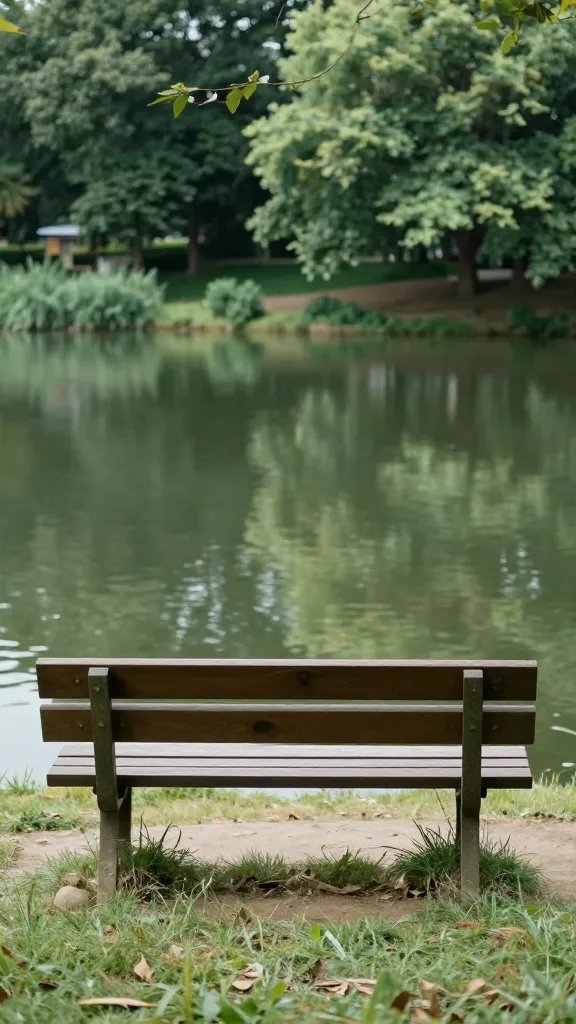
Good targets include the far side of a neighborhood park’s pond, lesser-known entrances to a large city park, the second meadow beyond the main loop, or a small public garden midweek. If you live coastal, aim for coves reached by stairs rather than wide ramps; inland, target riverside greenways past the first bridge.
Warning signs you’re picking a hotspot
- Large parking lots right at the lawn edge
- Event infrastructure like gazebos, bandstands, or concession huts
- Tour bus drop-offs or frequent ride-hail stops on the map
Action today: Open your city’s largest park in a map app and pin three spots at least a 10-minute walk from the nearest main parking area.
Use Maps the Right Way: Layers, Lines, and Light
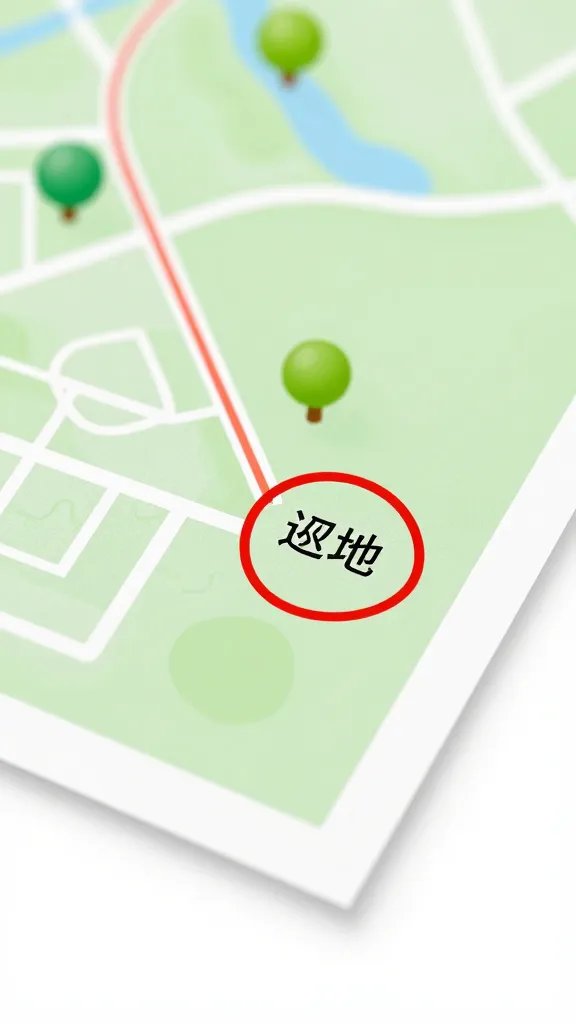
Most people stop at pinning a park name. I switch to satellite view to spot shade trees, open lawns, and natural windbreaks like hedges or small hills. I zoom until I can see informal footpaths and desire lines where locals actually walk — then I choose the path that peels away from them.
Next, I check the sun angle. For a late afternoon picnic, I want western shade from trees or a slope so the sun sits behind a screen by 4–6 pm. In the morning, I do the opposite and favor eastern shade.
Step-by-step map check (5 minutes)
- Switch to satellite and mark clusters of trees near open grass.
- Look for natural edges: waterlines, hedgerows, embankments.
- Trace informal paths and pick a fork that thins out after 200–300 meters.
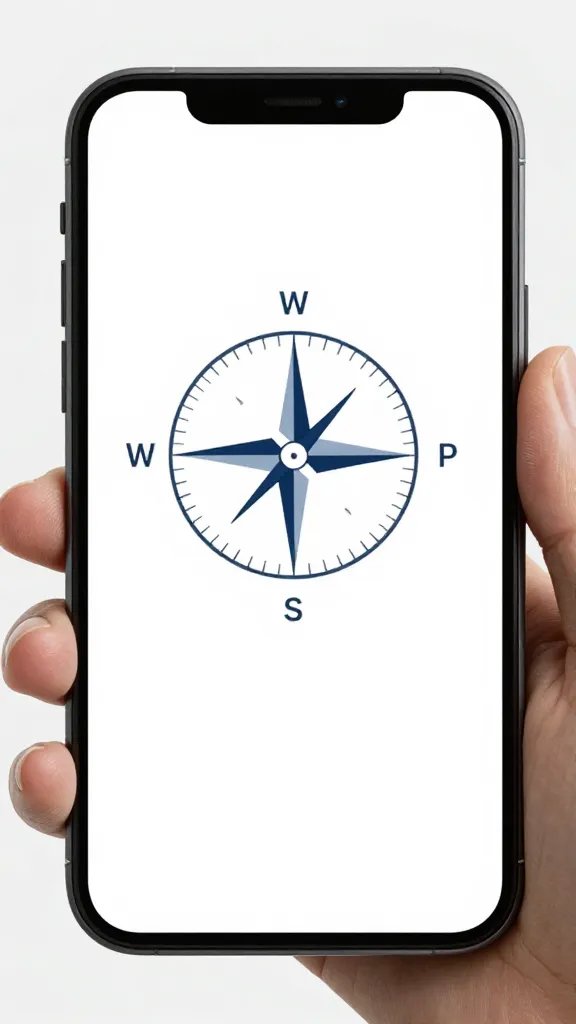
- Use your phone’s compass to note west-facing shade for late-day picnics.
Action today: Save one satellite screenshot that shows your target tree line and the exact approach path — you’ll navigate faster and with less second-guessing.
Time It to Miss Dog Walkers, Joggers, and Mowers
I plan around routine use, not just weather. Parks fill on sunny Saturdays 11 am–3 pm and thin again after 5 pm. Dog walkers dominate early mornings, and maintenance crews mow midweek late mornings.
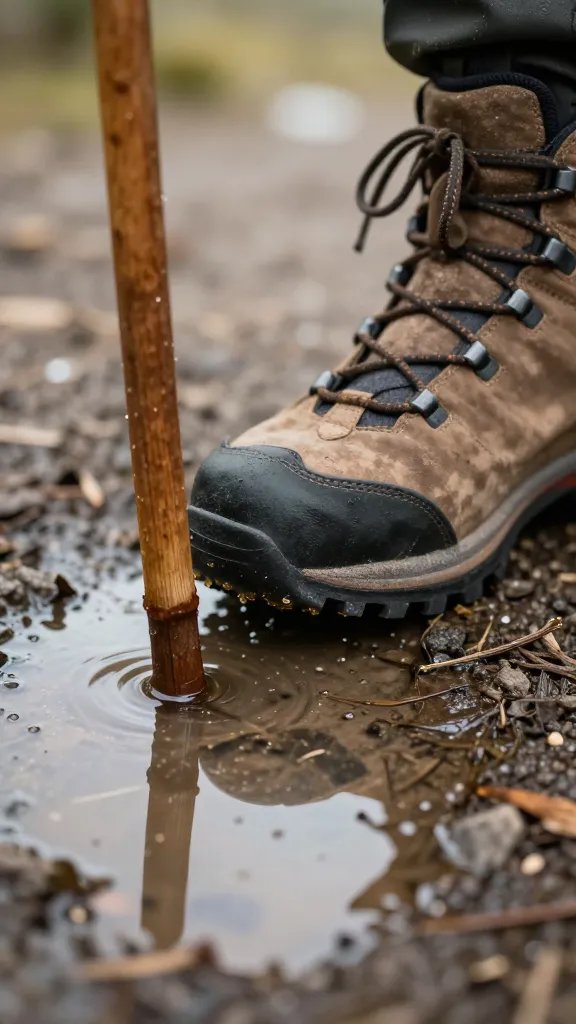
For quiet, I favor weekday sunsets or weekend golden hour on cooler or slightly breezy days. If a holiday weekend looms, I pick the day before or after. After rain, give lawns 24 hours to drain; choose gravel paths to avoid mud and slipping.
Local noise calendar to check
- Park events page or social feed (fairs, runs, concerts)
- Sunset time for your date — aim to arrive 90 minutes before
- Weather wind 6–12 mph is fine; above 15 mph needs a windbreak
Action today: Set a calendar reminder to check the park’s event page 72 hours before your date and shift by one day if needed.
Scout Once, Commit Later: A 15-Minute Dry Run
I always do a quick recon a few days before, ideally at the same time of day. I walk with my phone and sit for two minutes to listen. I note: foot traffic frequency, nearby voices, and any maintenance sounds.
I test the ground with my hand — is it even, dry, and free of ants? I check cell service for music or a photo share. I also identify a Plan B within a 5-minute walk: a second lawn under trees or a bench nook with privacy hedges.
What to look and listen for on-site
- Wind funneling between buildings or along open water
- Sprinkler heads and wet arcs on lawn edges (avoid those zones)
- Hidden footpaths behind hedges that put people right next to you
Action today: Do a 15-minute walk-through at your target time and drop two pins: your A-spot and a backup within 300 meters.
Pack Light, Look Local: Gear That Blends In and Sets the Mood

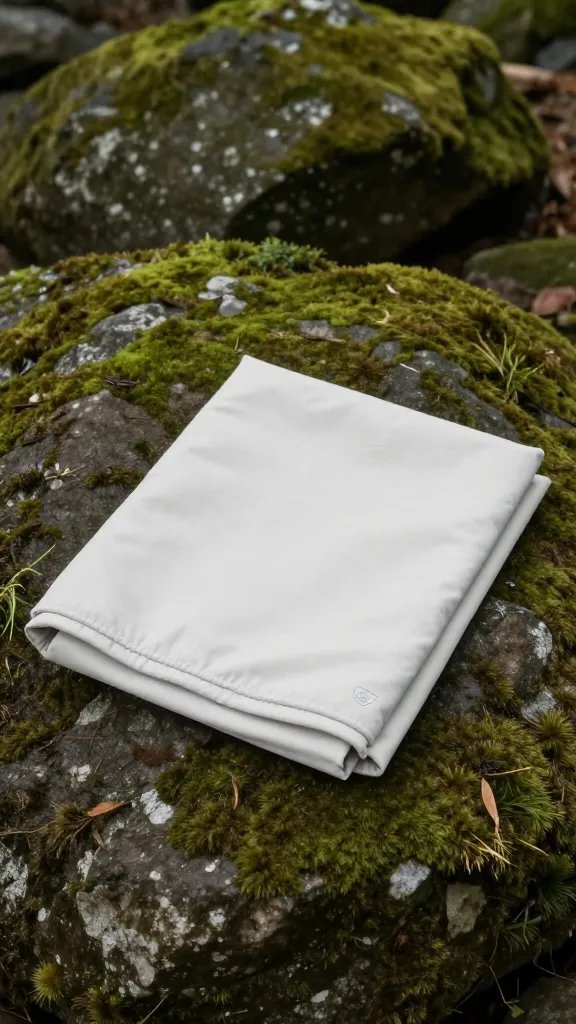
Seclusion also feels like not calling attention to yourself. I skip oversized coolers and neon blankets. I carry a simple tote, a folding picnic blanket with waterproof backing, and a small soft cooler or lunch bag.
For comfort, I add two folding seat pads or low-profile camp chairs from a hardware store. For ambiance, I bring a small battery tea light and a cotton scarf to weigh napkins. I pack food in screw-top containers to avoid spills and bees, and a trash bag so I can leave without scanning for bins.
Simple, store-available packing list
- Waterproof-backed blanket and two seat pads
- Soft cooler with two freezer packs
- Cloth napkins, two forks, two knives, one small cutting board
- Resealable jars for salads, berries, olives; a wrapped baguette; a hard cheese
- Bug wipes and a compact first-aid strip pack
- Trash and zip bags for easy pack-out
Action today: Lay out your blanket and all items on your floor; if it doesn’t all fit on the blanket with a 6-inch edge clear, edit until it does.
Create Privacy on the Spot Without Breaking Rules
I build a subtle “room” using placement, not props that get you told off. I sit with my back to a hedge or tree trunk and angle the blanket so the open side faces a view, not a path. I set the cooler and bag on the path side to create a low visual screen.
For wind, I position us on the leeward side of a bush or slight rise. I avoid staking anything or tying to branches. If the ground is damp, I add a thin plastic sheet under the blanket and keep it tucked in so it stays invisible.
Micro-adjustments that change everything
- Rotate the blanket 30 degrees to clean up sightlines past nearby paths
- Lower your profile by sitting cross-legged on pads, not tall chairs
- Use headphones splitter for music instead of a speaker
Action today: Practice the layout at home: cooler on the “public” side, backs to a wall, and plates oriented toward the view — you’ll deploy it in under two minutes on-site.
Mind Safety, Rules, and Weather So Nothing Breaks the Spell
Secluded doesn’t mean isolated. I stay within sight of occasional foot traffic and keep valuables zipped. I check park rules: no glass where posted, no alcohol where restricted, and no open flames. I swap wine bottles for canned spritzers or pour at home into a metal flask if rules allow.
For weather, I bring a light windbreaker, a compact umbrella for shade or drizzle, and a thin extra layer for when the sun dips. I store a rideshare pickup pin at the nearest park exit, not the middle of the park, so leaving is simple.
Quick safety and comfort checklist
- Tell a friend your park and time if heading somewhere new
- Keep one flashlight or phone light charged to 50%+
- Carry tissues and a small hand sanitizer for comfort
Action today: Screenshot the park rules sign from the website and pack one legal drink option and one non-alcoholic backup.
Frequently Asked Questions
How do I find a quiet spot in a small, busy city park?
Arrive 60–90 minutes before sunset on a weekday and walk to the farthest corner from the main entrance. Sit with your back to a hedge or tree and face away from paths. Use a smaller blanket and keep bags on the path-facing edge to create a visual barrier. People naturally avoid approaching when they see a “bounded” setup.
What if the spot I planned is already taken?
Always pre-mark a Plan B within a five-minute walk. On arrival, give your A-spot 60 seconds: if it’s occupied or noisy, switch immediately rather than hovering. Keep your gear minimal so you can relocate fast. A confident pivot keeps the mood relaxed.
How do I handle bugs without dousing everything in spray?
Choose ground that’s dry and slightly elevated, not right beside standing water or dense shrubs. Wipe ankles and wrists with individual bug wipes, then keep food in lidded containers and open one dish at a time. Bring a light scarf or napkin to drape over plates between bites. Pack out scraps in sealed bags to avoid attracting bees.
What foods travel well and feel special?
Think firm, packable items: a wedge of Manchego or Comté, a small baguette, marinated olives, cherry tomatoes, and a jar salad with dressing at the bottom. Add two chocolates or macarons in a hard container so they don’t crush. Pour sparkling water into chilled reusable bottles, or pack canned spritzers if allowed. Bring one small knife and a board for easy serving.
How can I make it feel romantic without decorations?
Keep it tactile and intentional. Wrap utensils in a cloth napkin with a ribbon, bring a handwritten note, and play a shared playlist with a headphone splitter for intimacy. Use a battery tea light inside a small jar for a warm glow. End with a short walk to a viewpoint you scouted — that transition seals the memory.
Is it safe to picnic after dark?
Plan to finish by dusk unless you know the park’s evening patterns. Stay in well-kept areas within occasional sight of others, and keep valuables minimal and zipped. If you stay later, sit near a path light but not directly under it, and keep a charged phone and a defined exit route. When in doubt, relocate to a bench closer to an exit as the light fades.
Conclusion
You don’t need a hidden meadow to feel alone together — you need a smart pick, a quick scout, and a calm, compact setup. Choose the spot that most people skip, time it for quiet, and bring only what enhances the moment. If you’re ready to act, open your map now, drop two pins, and do a 15-minute walk-through this week. Your anniversary will feel effortless because you did the simple work no one else bothers to do.
Leave a Reply