The Film Picnic Photoshoot: Shooting on 35mm and Making Every Frame Worth Keeping
· Yogi
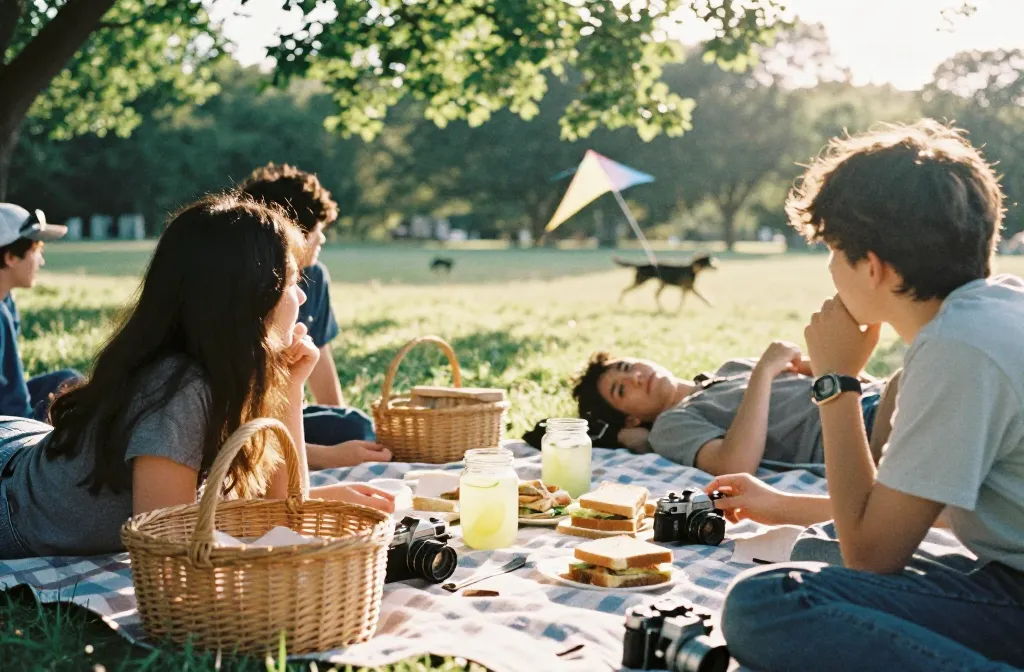
- Best for: A photo essay about a casual outdoor film shoot with friends
- Make ahead: Yes — prepare film, cameras, and snacks a day before
- Serves: A small-to-medium audience (1–6 people in the photos)
- Key tip: Shoot with an eye for candid moments and natural light to maximize 35mm grain and charm
The Film Picnic Photoshoot: Shooting on 35mm and Making Every Frame Worth Keeping is all about turning a laid-back afternoon into a rolling gallery. With film, those everyday moments gain texture, color, and memory—frame by frame. You’ll learn how to plan a sun-drenched picnic, choose the right film stock, and shoot with intention so each shot feels deliberate. By the end, you’ll have a handful of keepers and a practical workflow you can reuse for future shoots.
The Core Idea: Why 35mm Film Elevates a Picnic
– Film adds texture you can’t fake with a phone or digital camera. The grain, the color shifts, and the way light bends through a lens give every frame a story.
– A picnic setting naturally leans toward candid, imperfect moments—laughter over sandwiched crusts, a dog chasing a kite, a hand reaching for a lemonade. 35mm captures those imperfect, human details beautifully.
– Shooting on a simple, deliberate setup keeps you focused. You’re not chasing every modern feature; you’re chasing mood, timing, and composition.
1) Prep Your Gear for an Easy, Playful Shoot

- Choose the camera: A lightweight 35mm body with a reliable meter.
- Film stock: start with balanced color and moderate contrast (Color 400 or 200 for sunny days).
- Lenses: A standard 50mm and a short tele (85mm) cover most picnic scenes without swapping often.
- Accessories: Extra batteries, a soft cloth for lens wipes, a small tripod for group shots, and a notebook for shot ideas.
2) Lighting and Composition: Make Every Frame Worth Keeping
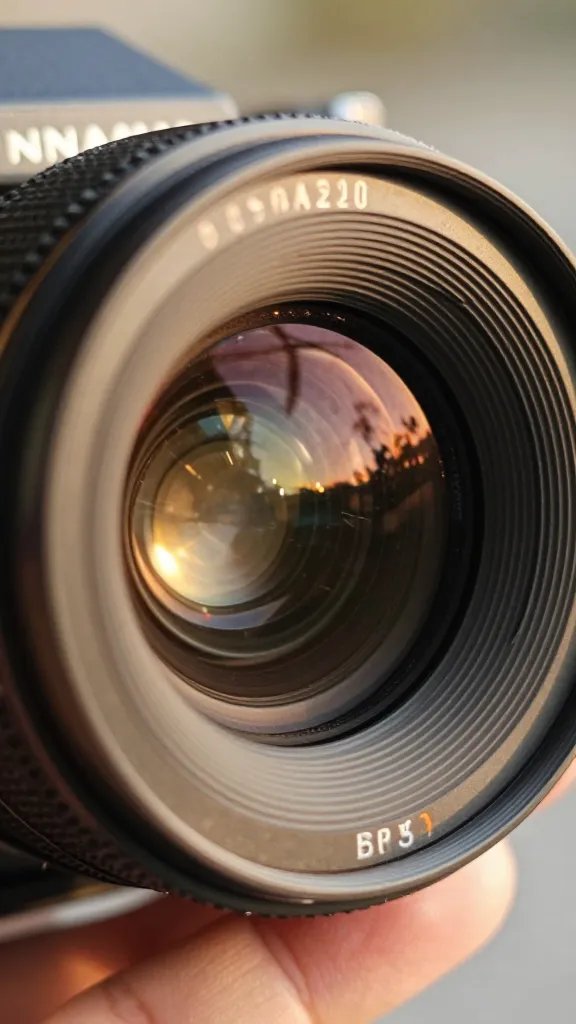
- Golden hour wins: Shoot early morning or late afternoon for warm light and softer shadows.
- Natural backdrops: Grass, blankets, and picnic baskets frame subjects without shouting “photo shoot.”
- Rule of thirds with a twist: Place people along grid lines, but let their gestures and interactions lead the frame.
3) Capturing the Moment: Thematic Shots That Tell a Story

Think in mini scenes rather than isolated portraits. A plate of strawberries becomes part of a conversation; a bottle of soda becomes a prop for a shared joke. Use 35mm to draw the eye toward authentic moments—someone laughing, a breeze lifting napkins, a dog sniffing the camera lens in curiosity.
Shot ideas to get you started
- Close-up of hands passing a sandwich, with a shallow depth of field to blur the background.
- A candid group shot as everyone leans toward a shared blanket corner.
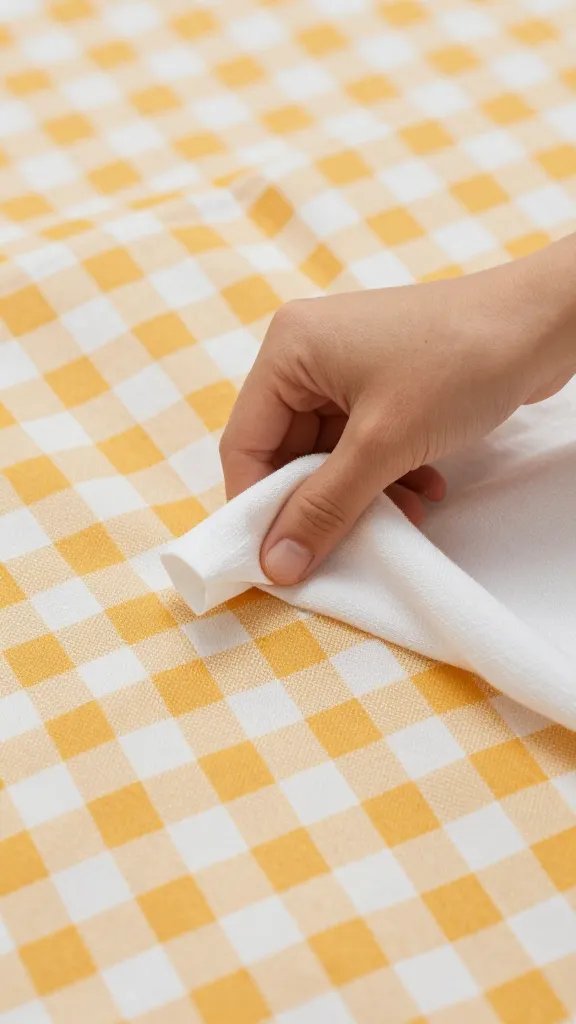
- Detail capture: sunlight on a glass, the grain of a wooden picnic table, the texture of a woven blanket.
4) Managing Exposure on the Fly
- Meter thoughtfully: In bright sun, switch to spot metering on skin tones, then compensate with exposure compensation if needed.
- Contrast control: If scenes feel too bright, consider film with lower ISO or overexpose slightly by one stop to keep highlights from clipping.
- Shadow detail: Open up slightly for interior moments or shade to retain texture in shadows.
5) From My Kitchen: What Actually Works
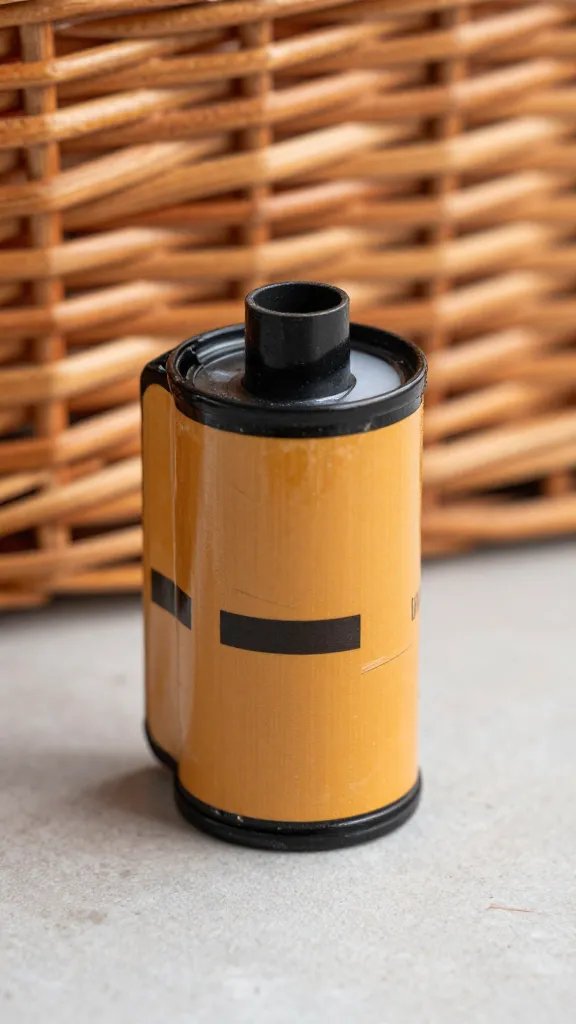
When I shot a sunny picnic with 35mm, I found that keeping a simple routine matters as much as the camera. I always load two fresh film caddies and sample a frame every few minutes to check the lighting. The biggest lesson: don’t force a shot. If the moment doesn’t feel right, reposition or wait for a more telling expression. For crowds, I count on natural pauses for group photos rather than crowding everyone into a single frame. It’s easier to capture sincerity when people aren’t posing too hard.
6) Post-Production: From Frames to a Cohesive Gallery
- Developing and scanning: Start with a neutral scan to preserve the original characteristics of the film.
- Curating the sequence: Arrange images by moment, not by subject; let the picnic story unfold.
- Color balance: Expect warm tones; correct any severe color cast while keeping the film’s personality.
7) How to Shoot 35mm for a Picnic: A Step-by-Step

- Scout a location with natural light and comfortable seating.
- Set up a central prop—a blanket, a basket, or a frisbee—that anchors the scene.
- Take a few test frames at varying depths to understand how the lens renders distance.
- Move slowly through the scene and capture candid interactions before posing enters.
- Review occasionally, but don’t over-think. The magic is in the flow.
8) Internal Link: Related Techniques and Inspiration

For broader flavor, explore more on this topic through two related guides: this chimichurri recipe for vibrant color palettes that echo bold picnic scenes, and another article on vintage camera care and maintenance to keep your gear reliable on long shoots.
Frequently Asked Questions

How long does the Film Picnic Photoshoot keep on 35mm stock?
Developed and scanned properly, your negatives can last decades with minimal color shift. It’s also a reason many shooters keep proofs and a digital backup in the first year after the shoot.
Can I make this 35mm picnic shoot ahead of time?
You can plan the location, props, and shot list ahead. The actual photos happen on-site, but prep reduces stress and helps you focus on light and candid moments.
What’s the best way to serve this Film Picnic concept for a crowd?
Frame group moments around shared activities: passing a drink, tossing a frisbee, or gathering for a toast. Use a longer lens sparingly to compress space in busy scenes and maintain clarity in faces.
Can I freeze a 35mm film project for a picnic photoshoot?
Film stock doesn’t freeze; keep it cool and dry before exposure. If you mean saving the plan, keep a written shot list and a rough map of the location for future use.
The Bottom Line
Shooting a picnic on 35mm turns everyday moments into a tactile memory. With careful prep, light handling, and patient observation, you’ll walk away with frames that feel earned, not curated. Planning to try this? Save this post so you can find it when you need it — and tag us when you make it.
Leave a Reply