The Secret to How to Fold a Napkin Into a Lotus Flower for Spring Brunches
· Samantha Jones
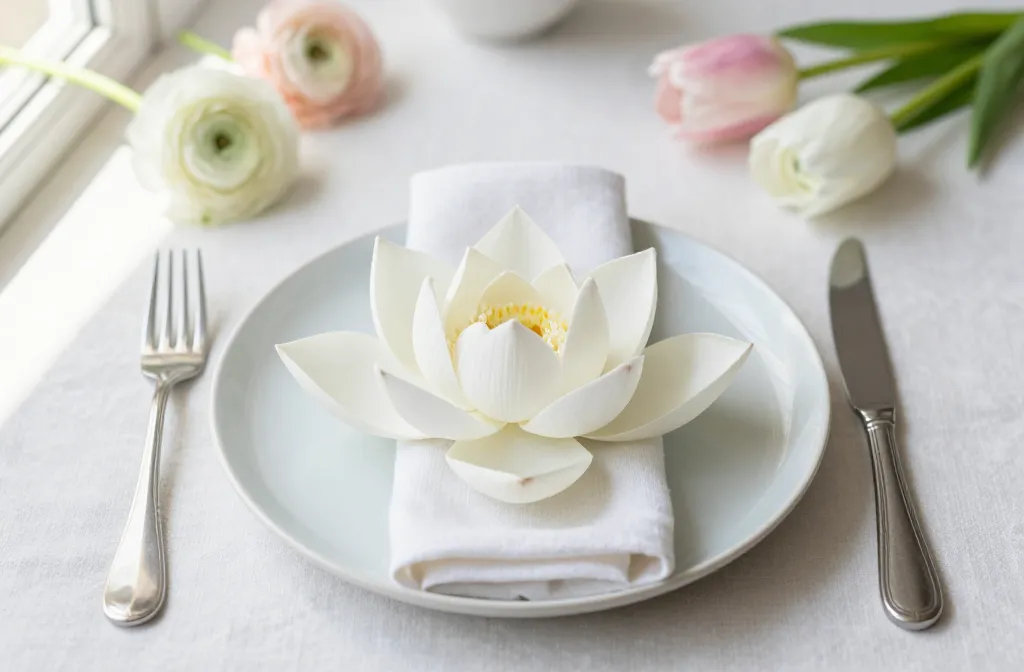
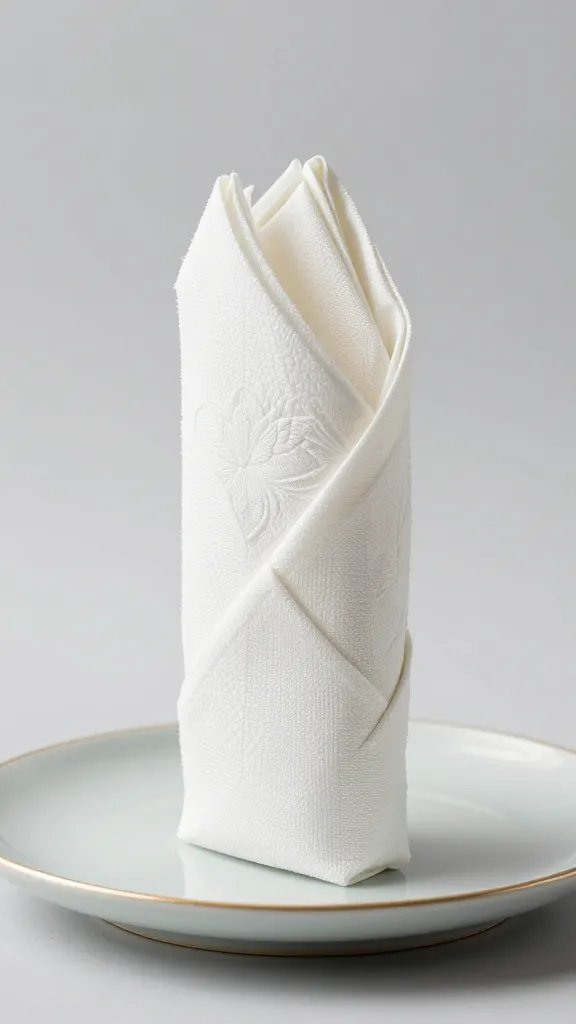
I learned the lotus fold the night before hosting a spring brunch when my linen napkins looked flat and joyless on pastel plates. I didn’t have fancy rings or ironed creases — just square napkins and ten spare minutes. Once I cracked the sequence, my table looked intentional, not improvised. In this guide I’ll show you a reliable method, how to choose the right napkin, and the small adjustments that make the lotus stand tall and stay crisp through the meal.
Choose the Right Napkin: Size, Fabric, and Starch That Make or Break the Fold
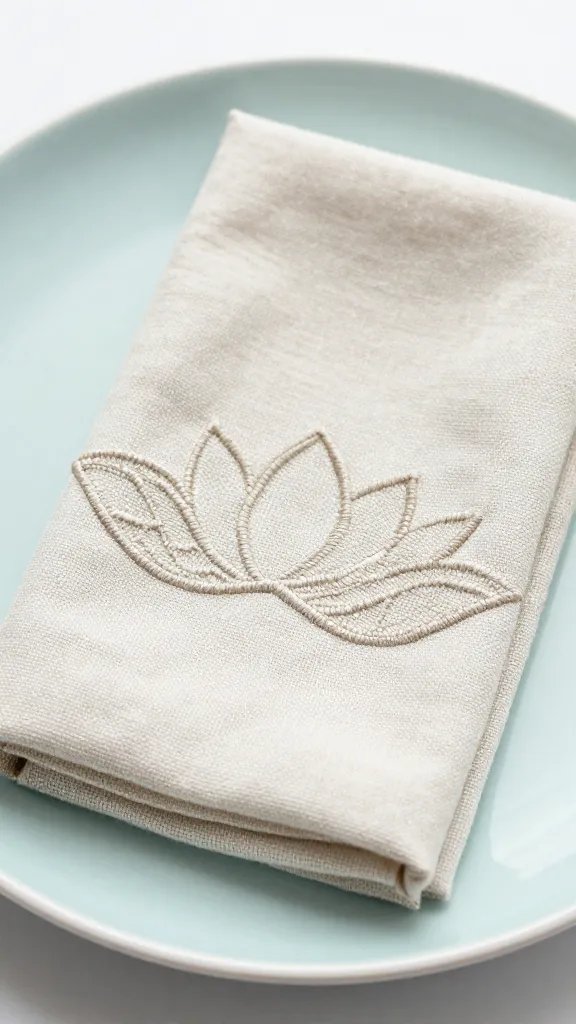
The lotus needs a square napkin that holds a crease. I use 18–20 inch squares for dinner plates and 16 inch squares for side plates. Smaller than 16 inches looks cramped and loses petal definition.
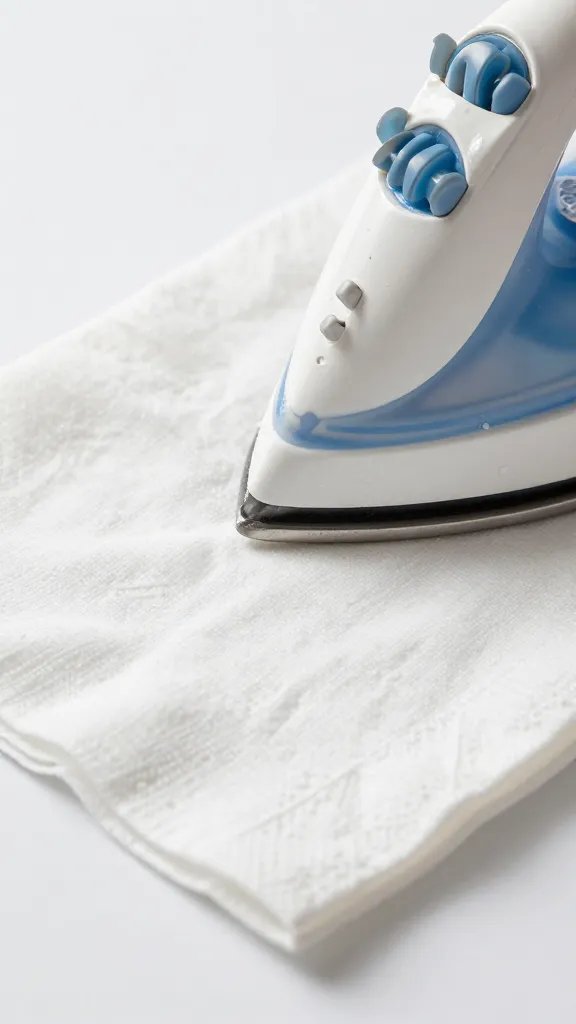
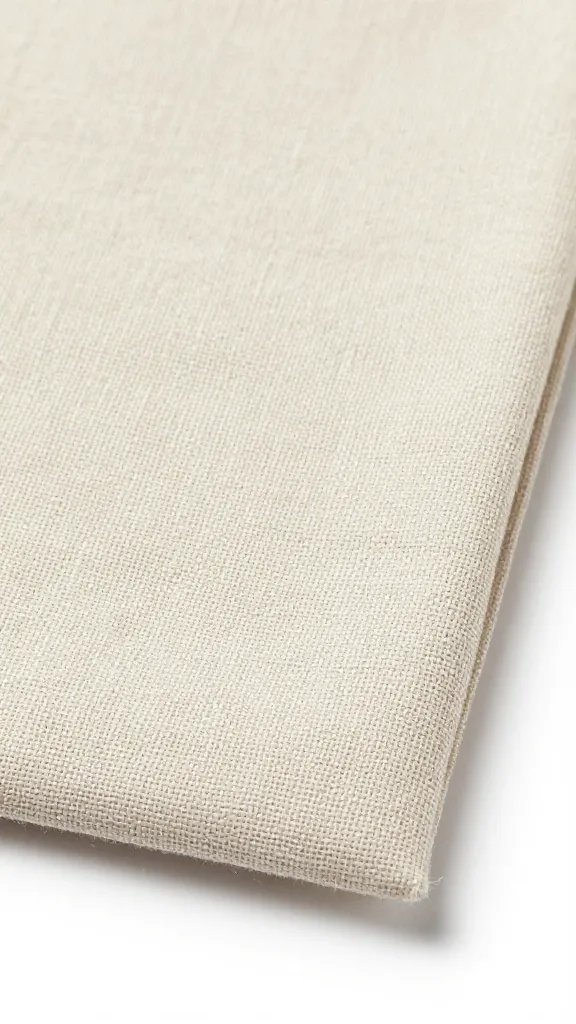
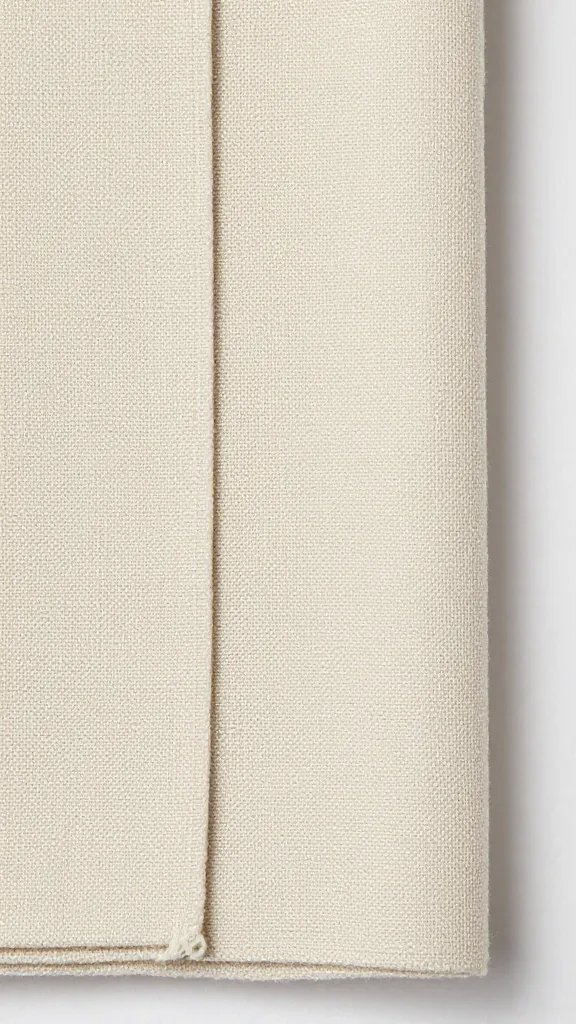
Fabric matters more than color. Cotton or linen works best; thin polyester slides apart and collapses. If your napkins feel floppy, spray a light laundry starch and press them flat with a warm iron. You don’t need a perfect press — one smooth pass removes wrinkles and adds body.
Action today: Grab one square cotton or linen napkin at least 16 inches wide and give it a quick starch-and-press to prep for folding.
Set Up Your Workspace So Folds Stay Sharp and Aligned
I fold on a clean tabletop or a large cutting board so the corners meet squarely. Soft surfaces, like a couch or bed, blur the creases and throw off the symmetry. Keep your hands dry and free of lotion; slick fingertips cause the layers to spring apart.
Lay the napkin face down so the side you want visible as petals faces the table. This hides any tags or hems on the underside of the finished flower.
Action today: Clear one placemat-sized area on a hard surface, dry your hands, and place the napkin face down with a corner pointing up (diamond orientation).
Fold the Lotus Flower: Precise Steps That Lock the Petals
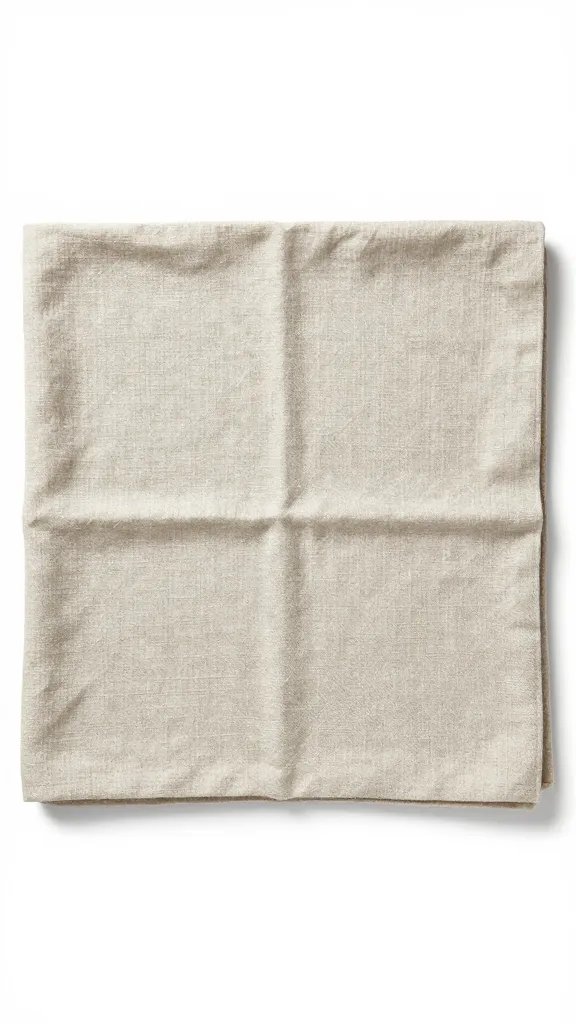
This sequence creates inner and outer petals with a stable base. Follow the order and press each crease firmly with your fingers.
- Start face down in a diamond. Bring the bottom corner up to meet the top corner. Crease lightly, then unfold. Repeat side-to-side to mark center. Unfold to flat.
- Fold all four corners into the center point. Press each edge crisp. You now have a smaller square.
- Again, fold all four new corners into the center. Press firmly. The square shrinks again.
- Flip the whole napkin over, keeping it square and aligned.
- For the third time, fold all four corners into the center. Press hard along each edge — this layer creates structure.
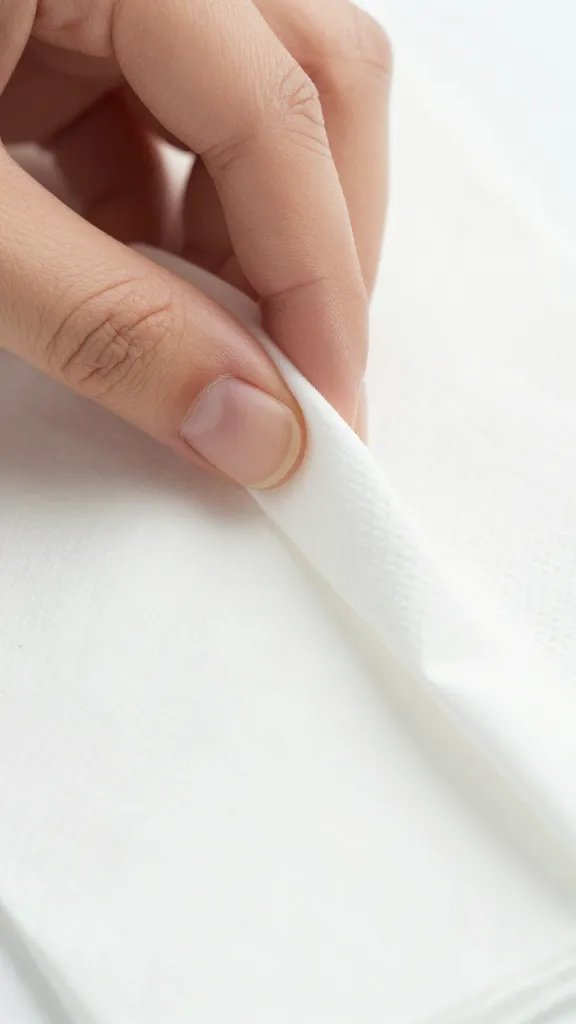
- Hold the center with one hand. With the other, reach under the square at a corner and gently pull out the hidden flap to form a petal. Do this for all four main corners.
- Create secondary petals. Still holding near the center, find the small hidden flaps between the main petals and pull them out gently. That gives you eight petals total.
- Set the lotus down and press the center slightly to seat it. Fluff the petals by pinching their edges upward to a shallow bowl shape.
Action today: Complete one full lotus fold, then lift it by sliding a hand under the base to check stability; if it sags, press the center and re-crease the outer edges once more.
Make It Stand: Simple Adjustments That Keep the Lotus Open During Brunch
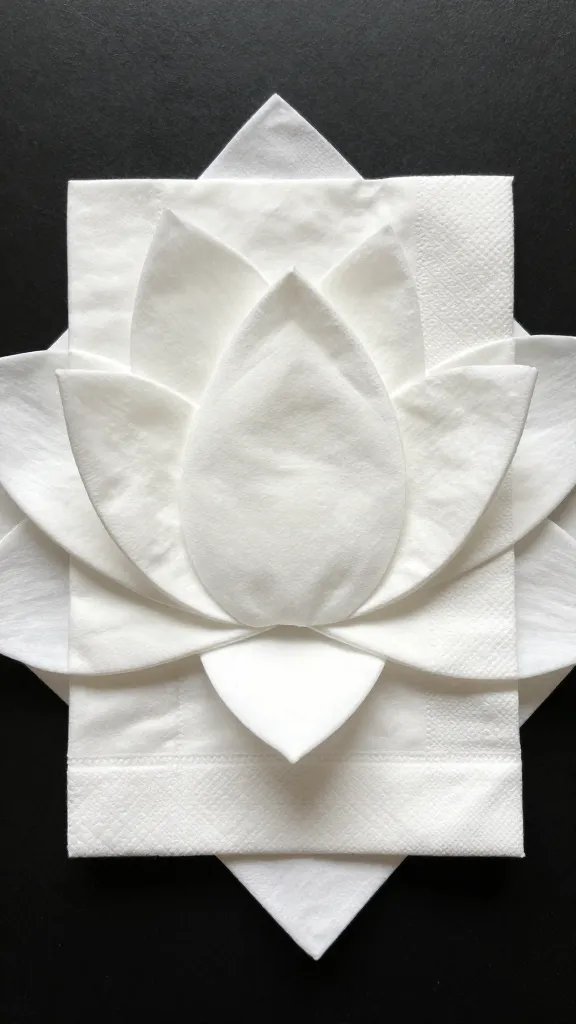
Two things collapse the lotus: slippery fabric and shallow creases. If petals relax, re-pinch each edge from tip to base, then press the center with your thumb to lock layers together. A tiny spritz of water on cotton or linen helps the fibers hold shape as they dry.
Plate size matters. A lotus looks best when its outer petals sit just inside the rim. If it spreads too wide, refold starting with tighter corner-to-center folds, or switch to a slightly larger plate.
Action today: After folding, set the lotus on the actual plate you’ll use and pinch each petal once more so it fits just inside the rim.
Add Place Settings and Fillers Without Crushing the Petals
I tuck a small egg (real or faux), a quail egg, or a wrapped chocolate in the center. Light items keep the petals open; heavy objects flatten the bowl. For color, slide a short sprig of herb like thyme or rosemary between two petals, angled outward.
Place cards work best as slim tags tied to a short piece of twine looped around a center petal. Avoid thick cardstock wedged into the middle — it pries the layers apart.
Action today: Test your chosen centerpiece by placing it for 10 seconds, then removing it to confirm the petals spring back and the base stays seated.
Common Problems and Fast Fixes
Warning signs
- Petals splaying flat: Fabric too slippery or under-creased.
- Uneven petals: Corners didn’t meet at center; misaligned folds.
- Center popping up: Layers not compressed; base too tight.
Step-by-step fixes
- If fabric slips, lightly spray with water or starch and iron briefly. Refold from step 2.
- For symmetry, re-open to the first square, align each corner exactly to the crease crosshair, and press. Use your thumbnail to sharpen edges.
- If the center won’t seat, press your palm flat over the middle for three seconds, then pinch each main petal base to create a tiny valley fold that anchors the bowl shape.
Action today: Check symmetry by tapping the lotus at four points; if it wobbles, re-press the center for three seconds and re-pinch each petal base.
Prepare Ahead and Transport Without Losing Shape
I fold the day before and store each lotus in a shallow baking tray, covered loosely with a clean tea towel. Cotton and linen hold shape overnight, especially if they were lightly starched. Avoid plastic wrap — trapped moisture relaxes the creases.
For transport, nestle each lotus in a small bowl or ramekin. Unpack onto plates and give each petal one quick pinch at the tip to refresh the edges.
Action today: Do a trial fold tonight and store it under a tea towel; in the morning, time how long it takes to refresh — it should be under 30 seconds per place setting.
Frequently Asked Questions
Do I need an iron to get a crisp lotus fold?
No, but it helps. If you skip the iron, use clean, dry cotton or linen and press each crease firmly with your fingers or the flat edge of a spoon. A quick spritz of water adds grip. If the petals relax, re-pinch edges and press the center for three seconds.
Can I use paper napkins for the lotus?
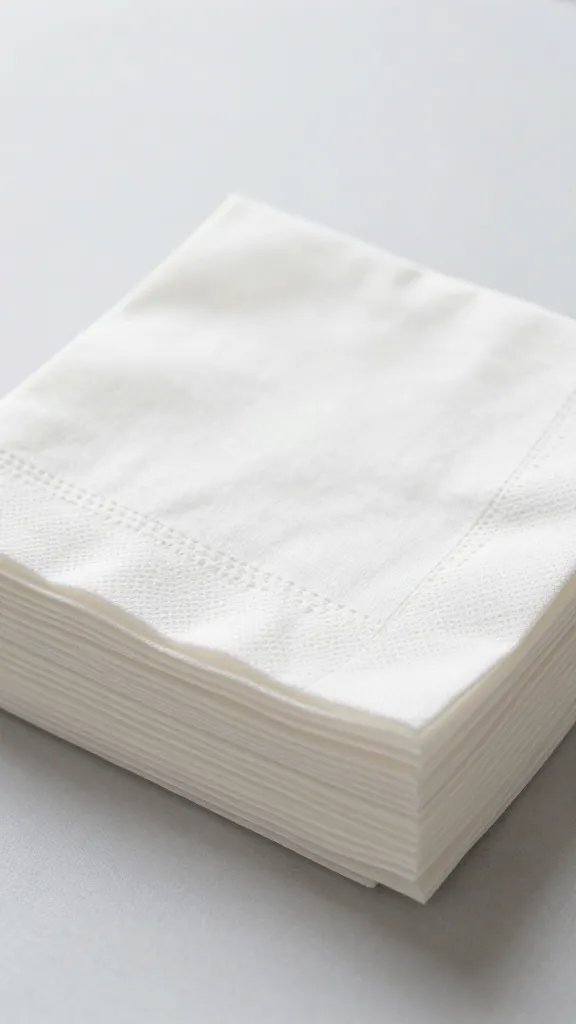
Yes, but choose high-quality, dinner-size paper napkins with a soft, cloth-like feel. Thin lunch napkins tear when you pull the hidden flaps. Fold gently, and skip heavy center decorations. Expect a one-time use only.
What size napkin works best for standard dinner plates?
Use 18–20 inch squares for full dinner plates. This size gives tall petals and a stable base that sits neatly inside the rim. For side plates, step down to 16 inches to keep proportions right.
How do I keep the lotus from opening during the meal?
Lock the center after folding by pressing your palm over it for three seconds. Use only light fillers like a wrapped truffle or herb sprig. If the room is humid, a light starch before folding gives all-day hold.
My corners don’t meet in the center — does it matter?
Yes. Misaligned corners lead to uneven petals and a tilted base. Unfold to the first square, find the crease crosshair, and align each corner precisely to that point before pressing again. Sharpen each edge with your thumbnail.
Can I wash and reuse starched napkins without residue?
Yes. Wash in warm water with your normal detergent, then tumble dry or line dry. Any light starch rinses out easily. Re-press before your next fold to restore crispness.
Conclusion
With the right napkin, a firm crease, and a steady sequence, the lotus flower becomes a reliable centerpiece you can fold on autopilot. Fold one tonight, store it under a tea towel, and tomorrow place it on a plate with a small herb sprig. Once you see how well it holds, set a goal: finish your entire table one hour before guests arrive and spend those saved minutes on the food — not fiddling with napkins.
Leave a Reply