10 Mistakes to Avoid When Shopping for High-Quality Table Linens Exposed
· Samantha Jones
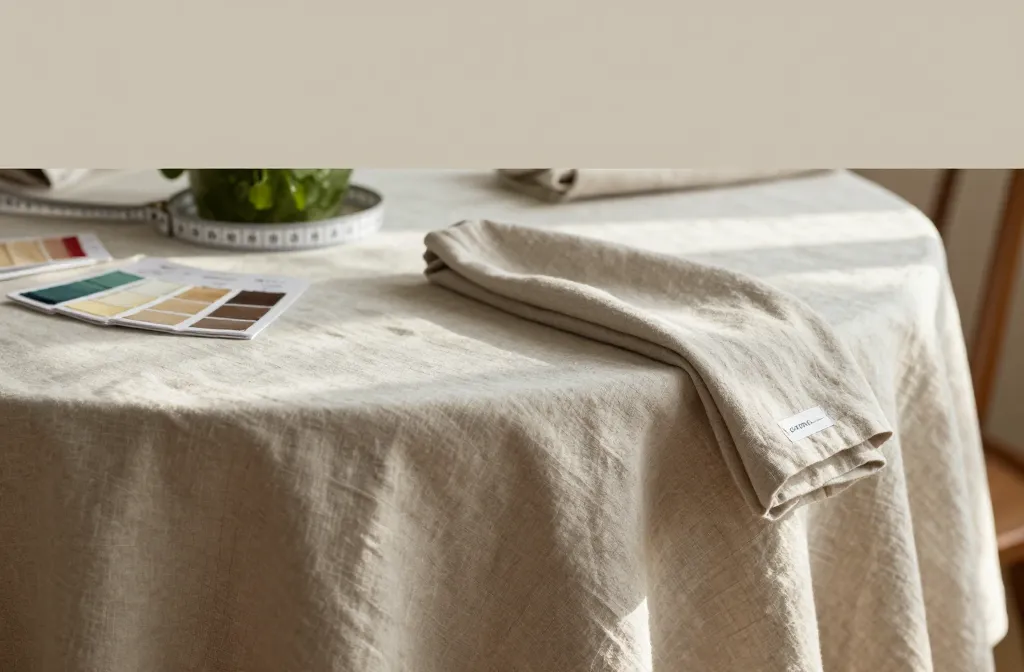
I learned the hard way that a gorgeous tablecloth online can feel like a beach towel and wrinkle like tissue when it arrives. Friends kept asking why their “hotel look” never survived dinner — I’d been there too. In this guide, I’ll show you how to judge quality in minutes, avoid the common traps, and buy linens that wash well, drape beautifully, and last for years. If you host even twice a year, these choices matter.
Mistake 1: Ignoring Fabric Content Labels
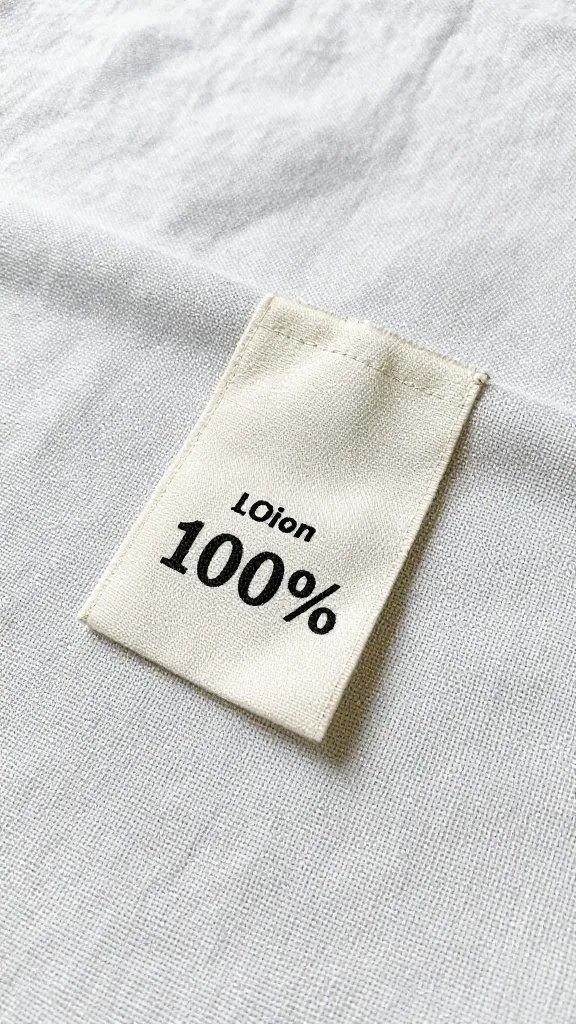
Fabric drives feel, drape, and longevity. I see people buy by color and pattern, then discover the cloth is 100% polyester that shines under daylight or cotton so thin it shows the table underneath.
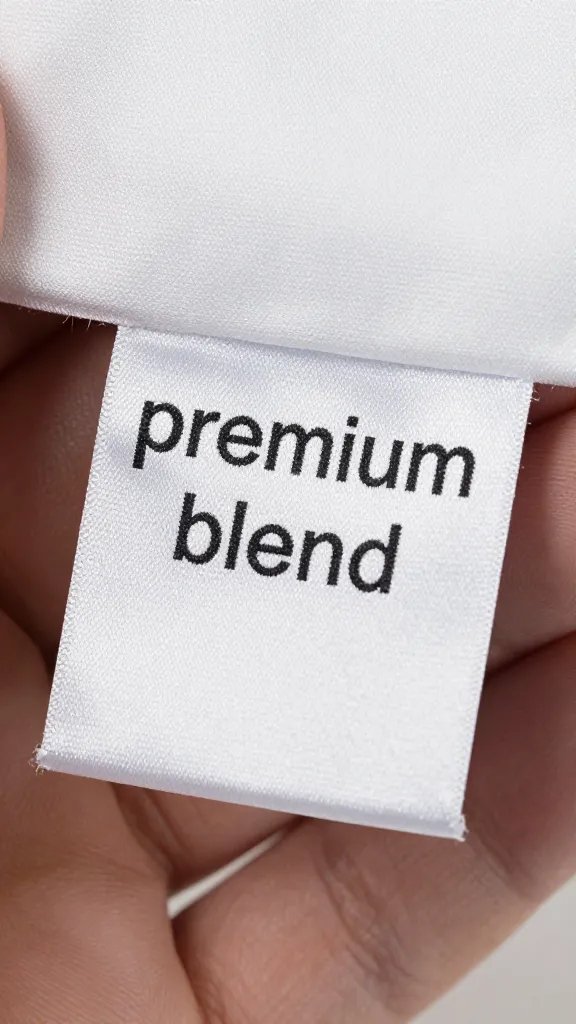
Look for clear labels: 100% linen for heirloom texture and cool hand, cotton or cotton-linen blends for softness and easy care, or performance polyester blends for stain resistance in busy households. Ambiguous names like “premium blend” usually mean lower-grade synthetics.
Action today: Check the label on a cart item — if fiber content isn’t listed clearly, skip it.
Mistake 2: Buying the Wrong Size and Drop
A beautiful cloth looks sloppy if it’s too small or trips guests if it’s too long. Beginners eyeball it and end up with corners that barely cover the edge.
Measure your table length and width and add a drop (the overhang) of 8–12 inches on each side for everyday dining; 12–15 inches looks formal. For round tables, measure diameter and add 16–24 inches total. Rectangular tables need an extra 12–20 inches in length if you use extensions.
Action today: Grab a tape measure and write your table’s dimensions plus your ideal drop in your phone notes before browsing.
Mistake 3: Confusing Weight With Quality
Heavy does not equal durable. I’ve tested thick polyester that felt “substantial” but pilled after two washes, and midweight linen that softened and strengthened over time.
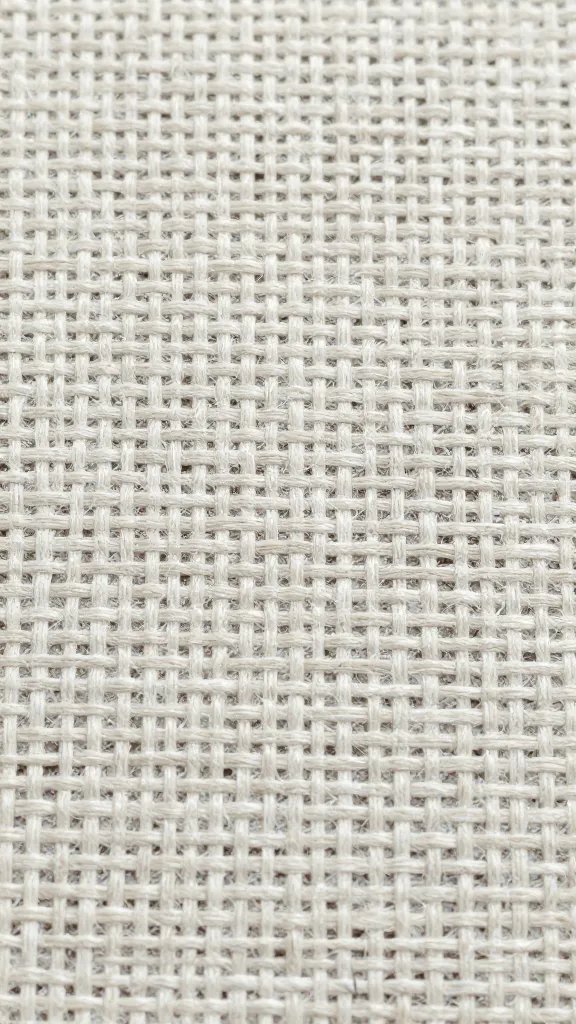
Judge by weave density and fiber grade. For cotton, look for percale or twill weaves; for linen, seek medium to heavy plain weave. If you can see the table through the cloth under bright light, it’s too thin for primary use. If shopping in-store, scrunch a corner: quality fabrics recover quickly with minimal creasing.
Action today: Hold a sample or napkin up to a window — if light pours through and the yarns look loose, choose a denser option.
Mistake 4: Overlooking Finish and Handfeel
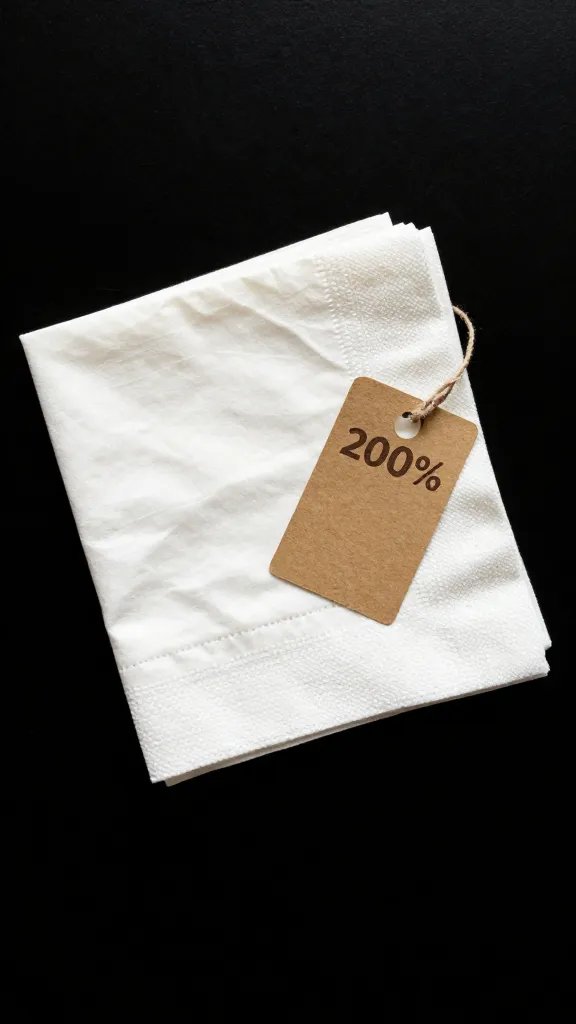
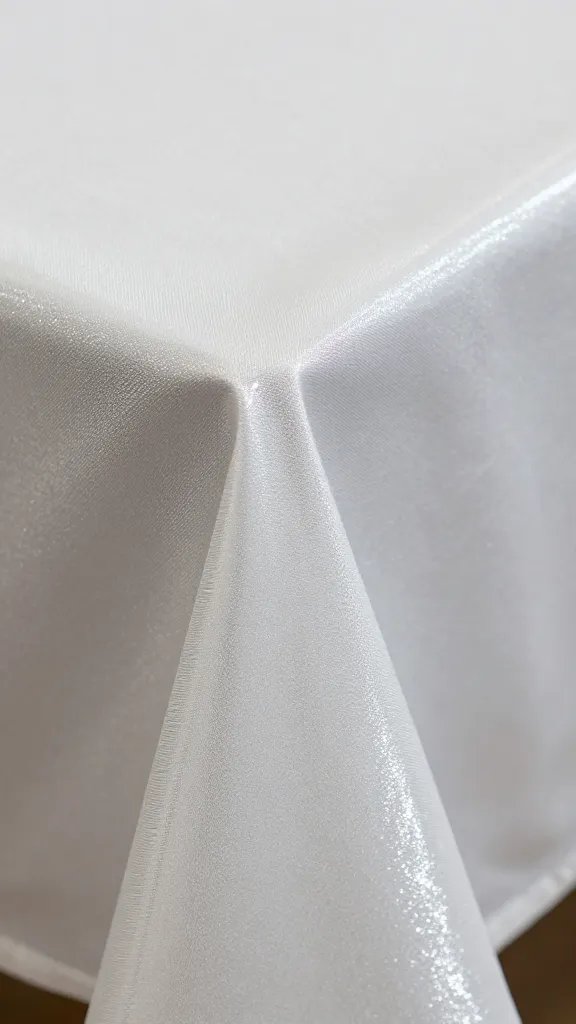
Two fabrics with the same content can behave completely differently because of finishing. I avoid waxy “stain shield” coatings that crack after a few washes.
Run your fingers across the cloth. Quality linen feels dry and cool with a slight slub; quality cotton feels smooth, not fuzzy, with body. If a polyester blend squeaks or shines, it will look cheap on the table. Look for terms like pre-washed, stonewashed, or mercerized cotton for softer hand and stable size.
Action today: Order a single napkin from the line you’re considering and launder it once to test handfeel and finish before buying a full set.
Mistake 5: Ignoring Hem Construction and Seams
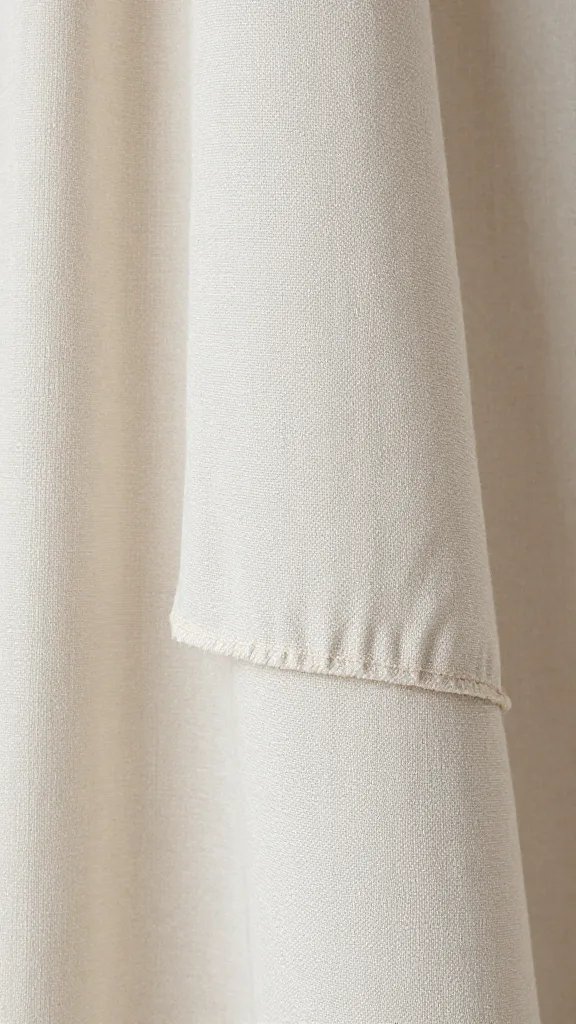
Edges tell the truth. Narrow, loose hems twist in the wash and make the cloth sit crooked. I check hems before anything else.
Look for mitered corners on tablecloths and napkins — the diagonal seam shows care. A double-fold hem at least 1 cm wide with tight, even stitching prevents fray. For patterned cloths, check that seams run straight and patterns align; misalignment signals rushed manufacturing.
Action today: Zoom in on online photos of corners and hems. If the seller doesn’t show corners, move on.
Mistake 6: Buying Colors That Don’t Survive Real Life
Bright whites and saturated darks look stunning, then reveal every stain or fade line after a season. I match color to the way the table gets used.
Choose mid-tone neutrals (oatmeal, stone, soft gray) for everyday use — they hide crumbs and minor stains. For white, prefer bleach-safe cotton or hotel-grade cotton-poly blends. For darks, look for yarn-dyed fabrics rather than piece-dyed prints; yarn-dyed holds color longer.
Action today: Pick one versatile mid-tone tablecloth and add color with interchangeable napkins you can rotate.
Mistake 7: Skipping Pre-Wash Shrinkage Checks

Natural fibers shrink. I’ve seen a “perfect fit” linen cloth lose an inch per side after the first wash and suddenly expose table edges.
Check labels for pre-washed or pre-shrunk. If not specified, expect 2–5% shrinkage for cotton and 3–7% for linen. Wash cold and line-dry the first time to set the fabric, then reassess fit before hosting.
Action today: If you’re buying last-minute, choose an item marked pre-washed so size doesn’t change before the event.
Mistake 8: Forgetting Real-World Care Requirements

Some linens need ironing; some don’t. People buy crisp linen, then hate the wrinkles or spend an hour at the ironing board.
Choose stonewashed linen if you like a relaxed, purposeful rumple that needs no ironing. Choose mercerized cotton percale for a smoother look that presses fast with a standard iron on medium heat. Avoid “dry clean only” for everyday dining unless it’s a special-occasion heirloom.
Action today: Read the care tag online; if it requires dry cleaning or low heat only, decide if that fits your weekly routine.
Mistake 9: Underestimating Napkin Size and Stitching
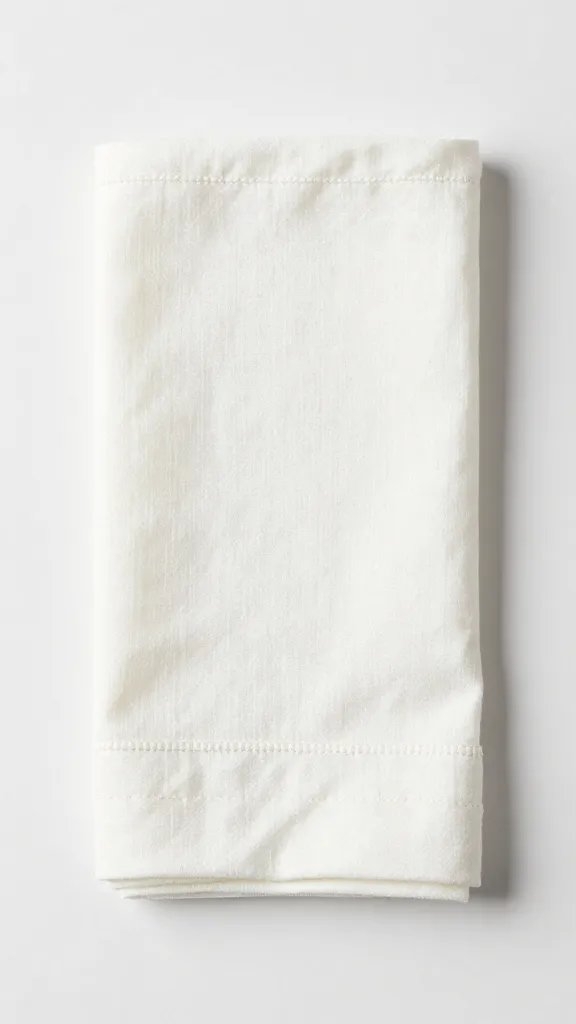
Small napkins feel flimsy and look out of scale. I see people buy 16-inch napkins that can’t cover a lap.
For adults, choose 18–20 inch napkins for casual meals and 20–22 inch for formal settings. Check for mitered corners and a firm, even weave that won’t fray. If the napkin won’t hold a crisp fold when you test it in-store, the fabric is too limp.
Action today: Measure a napkin you own that feels too small and upgrade by at least 2 inches on your next purchase.
Mistake 10: Paying for Brand Over Build
Big names don’t guarantee better yarns or hems. I compare mid-tier brands that quietly use higher-grade fibers and construction at half the price.
Evaluate on specifics: fiber content, weave, weight feel vs. density, hems, and care. If a lesser-known brand publishes GSM (fabric weight) and shows macro photos of corners and weave, they usually care about quality.
Action today: Make a short checklist — fiber, weave, hems, pre-wash, size — and buy the item that checks most boxes, not the flashiest label.
Frequently Asked Questions
What’s the best everyday fabric if I have kids and frequent spills?
Choose a cotton-poly blend labeled stain-resistant or hotel-grade. It feels soft but releases spills in a cold wash, and you can tumble-dry on low. Keep a spray bottle of diluted dish soap (1 teaspoon in 1 cup water) to treat stains at the table before they set.
How do I remove red wine or tomato sauce from linen without ruining it?
Blot immediately with a clean cloth — don’t rub. Rinse the back of the stain with cool water, apply a small amount of liquid dish soap, and let it sit 10 minutes. Wash cold with an oxygen-based powder, then air-dry; heat sets stains, so avoid the dryer until the stain is gone.
Do I need a table pad under my tablecloth?
Yes if you want better drape, sound dampening, and heat protection. A basic felt or foam pad from a home store prevents slipping and hides table seams and leaf joints. Trim to 1–2 inches smaller than the tabletop so the cloth falls cleanly.
How many napkins should I buy for a family of four?
Buy at least 12 napkins in your main color. That covers two to three meals before laundry and gives you backups when guests visit. Add a second set in a pattern that coordinates with your tablecloth to stretch your rotation.
What’s the difference between stonewashed linen and regular linen?
Stonewashed linen is pre-softened and relaxed at the mill, so it arrives supple with a matte finish and casual drape. Regular linen starts crisper and softens after 3–5 washes. If you prefer a smooth, ironed look, choose regular; if you want low-maintenance texture, choose stonewashed.
How do I store table linens to prevent yellowing and creases?
Wash and dry completely, then fold along seam lines and place in a breathable cotton bag or pillowcase. Avoid plastic bins for long-term storage — they trap moisture and can cause yellowing. Tuck a sheet of acid-free tissue between folds to reduce creases.
Conclusion
You don’t need a designer’s eye to buy linens that look and feel premium — you need a checklist and five minutes of inspection. Start with the table measurement and drop, confirm fiber and hem quality, and test one napkin before committing. Do that today, and your next dinner will look intentional, feel comfortable, and clean up easily — no buyer’s remorse, just a table you’re proud of.
Leave a Reply