The Etiquette of Alcohol in Public Parks: What You Need to Know Today
· Yasmine Taljaard
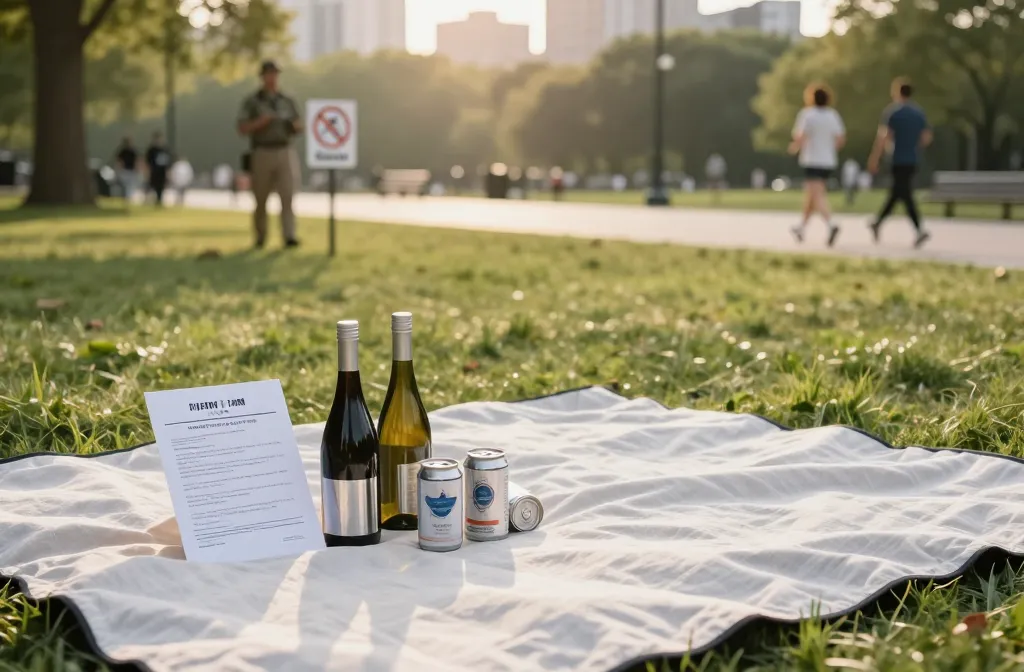
I’ve hosted more park picnics than I can count, and the smoothest ones all had one thing in common: we planned the drinks with the rules in mind. If you’ve ever arrived with a chilled bottle only to second‑guess whether you’re allowed to open it, you’re not alone. In this guide, I’ll show you how to enjoy a responsible drink outdoors without fines, side‑eye from other visitors, or awkward run‑ins with rangers. You’ll learn exactly how to check local rules, set up discreetly and safely, and leave the space better than you found it.
Know the Law Before You Pack the Cooler
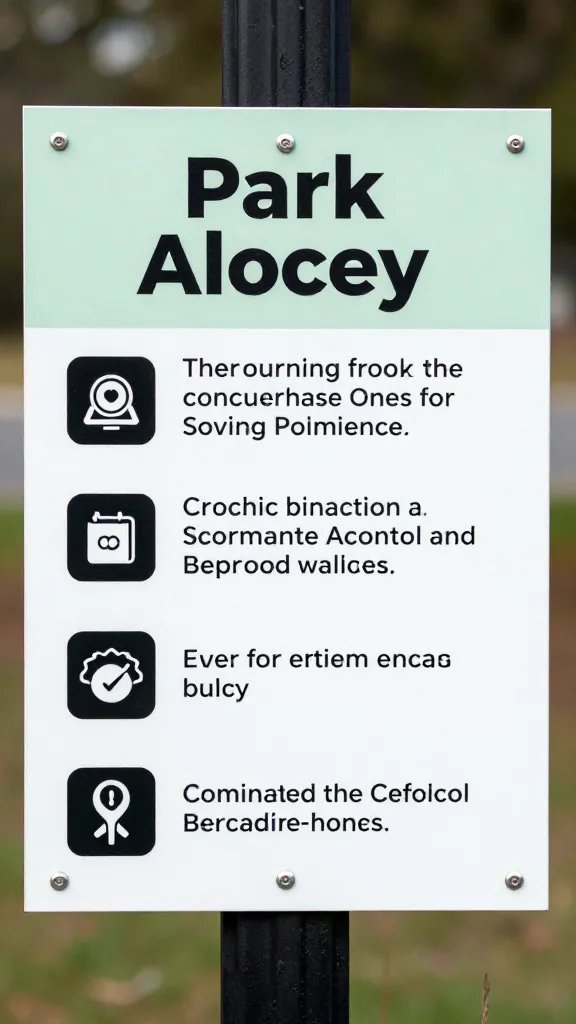
Public park alcohol rules vary by city, county, and park type. Some allow beer and wine in designated picnic areas; some require a permit; others ban alcohol entirely. One park can have different rules from the next park two blocks away.
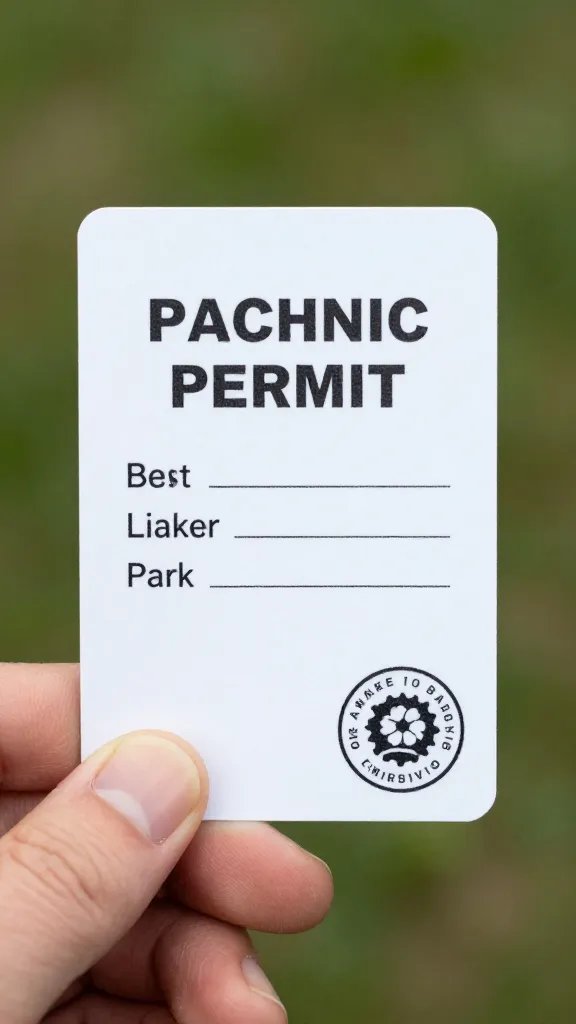
Look up the park’s official page, not just a citywide summary. Search “[Park Name] alcohol policy” and check posted signs at entrances. If your park requires a permit, apply at least 7 days in advance and keep a digital or printed copy on hand.
Action today: Pick your park and spend two minutes on its official webpage confirming alcohol rules and any permit requirements.
Choose the Right Drinks and Containers
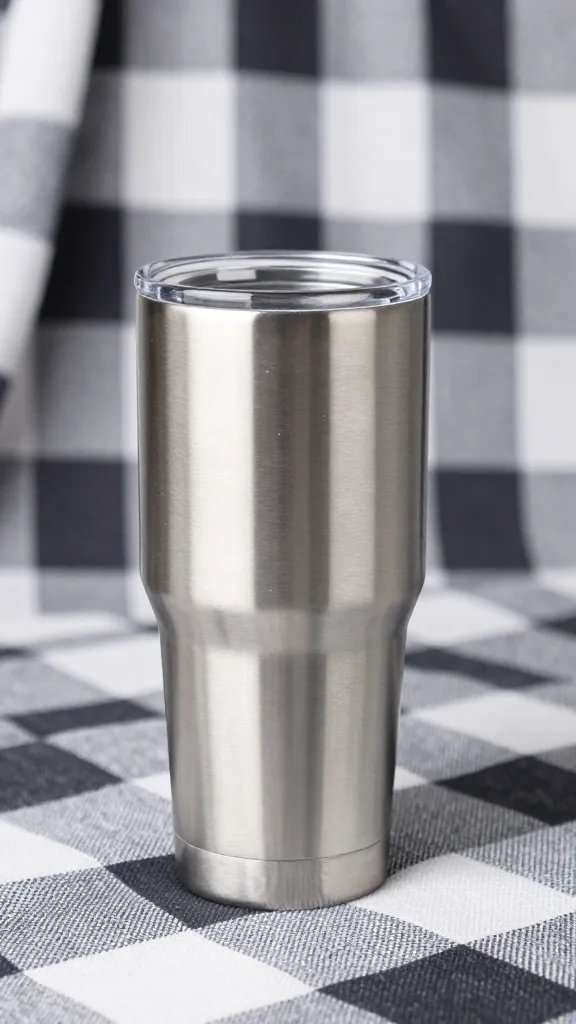
Even where alcohol is allowed, glass is often banned because it breaks and injures people and pets. Bring beverages in cans or transfer wine to a stainless steel or BPA‑free plastic bottle with a tight cap.
Skip hard liquor unless rules explicitly allow it. Stick to lower‑ABV options like beer, cider, hard seltzer, or spritzes. If you plan cocktails, pre‑batch them in a labeled, non‑glass container and leave the shaker at home.
Material recommendations
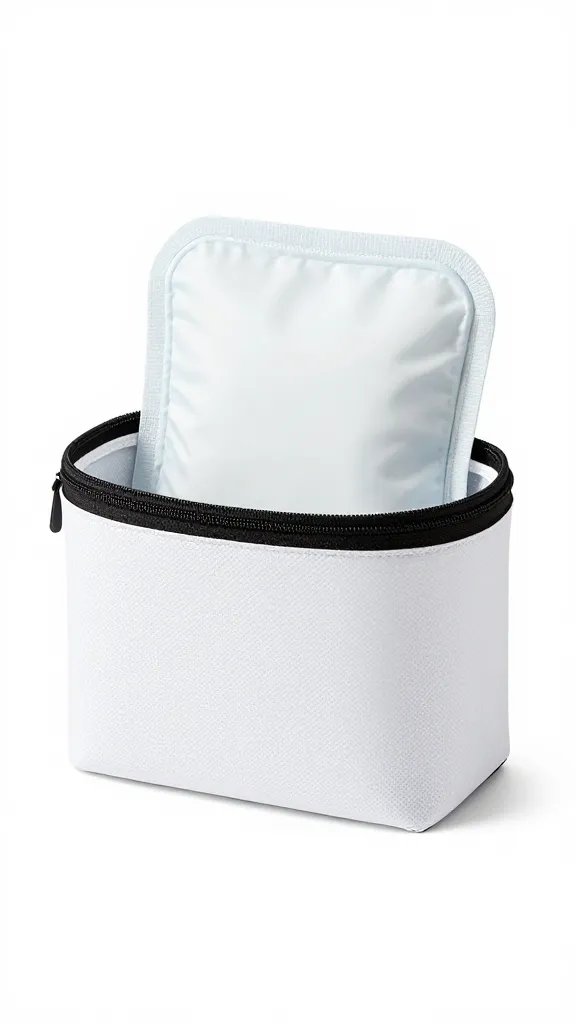
- Insulated can coolers to keep cans cold without messy ice.
- Stainless steel growlers or wine canteens with leakproof lids.
- Reusable plastic cups with lids for kids and splash control.
Takeaway: Pack non‑glass, low‑ABV drinks and use reusable, unbreakable containers.
Pick a Spot That Respects Others’ Space
Set up away from playgrounds, sports fields during games, and high‑traffic paths. Shade is great, but never tie anything to trees or block access to benches or grills others reserved.
Keep your blanket or table tidy and the cooler closed. Open containers where allowed are fine, but displays that look like a bar invite complaints. Discretion keeps the vibe friendly and relaxed.
Action today: On arrival, walk 60 seconds past the busiest area and choose a spot downwind of others.
Serve Responsibly and Set a Pace
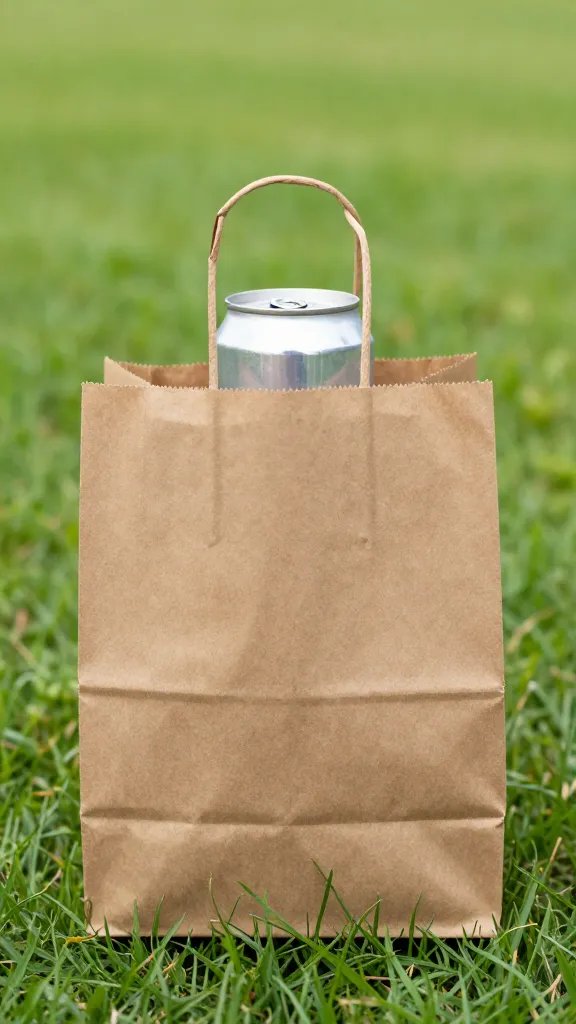
A park is a shared space. Set a steady pace so no one becomes loud or unsteady. Offer food with every round—sandwiches, chips, fruit, and a large jug of water reduce dehydration and litter from single‑use bottles.
Stop serving anyone who shows slurred speech, unsteady walking, or confrontational behavior. That’s your cue to switch to water, extend the picnic with snacks, or wrap up.
Warning signs to stop pouring
- Volume spikes: voice gets loud and carries.
- Balance slips: wobbling when standing or stumbling on grass.
- Poor judgment: trying to climb structures or wander into restricted areas.
Takeaway: Pair each drink with food and water; stop serving at the first clear signs of impairment.
Mind Noise, Music, and Park Quiet Hours
Most parks set quiet hours—often starting at dusk or 10 p.m. Keep music at a level where you can converse without shouting at arm’s length. Use a small Bluetooth speaker aimed inward, not a boombox blasting across the lawn.
Respect reserved areas and scheduled events. If a ranger or neighbor asks you to turn it down, do it immediately and politely. The fastest way to keep a good day good is to de‑escalate with a smile.
Action today: Set your phone volume to 50% max and place the speaker in the center of your group, facing in.
Handle Trash, Recycling, and Spills Like a Pro
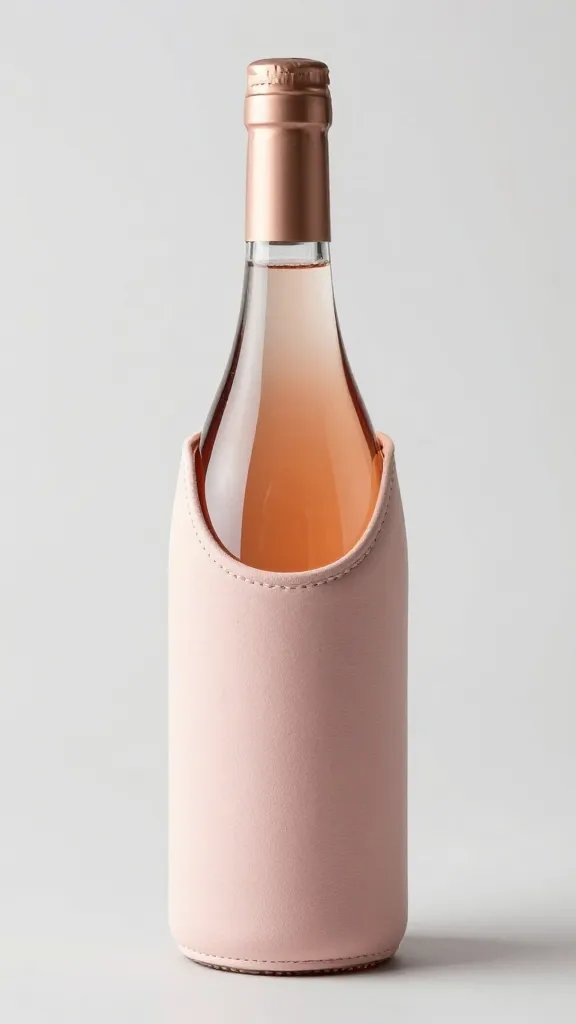
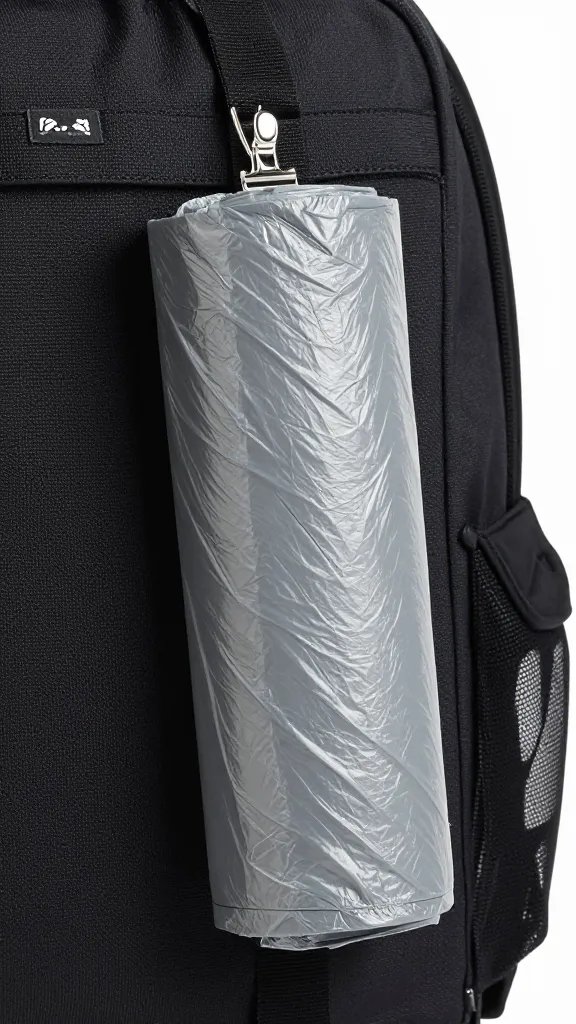
Bring a dedicated trash bag and a separate bag for recycling. Many park bins overflow on weekends; if they’re full, pack everything out. Wipe up spills promptly—sweet drinks attract bees and create sticky patches for the next family.
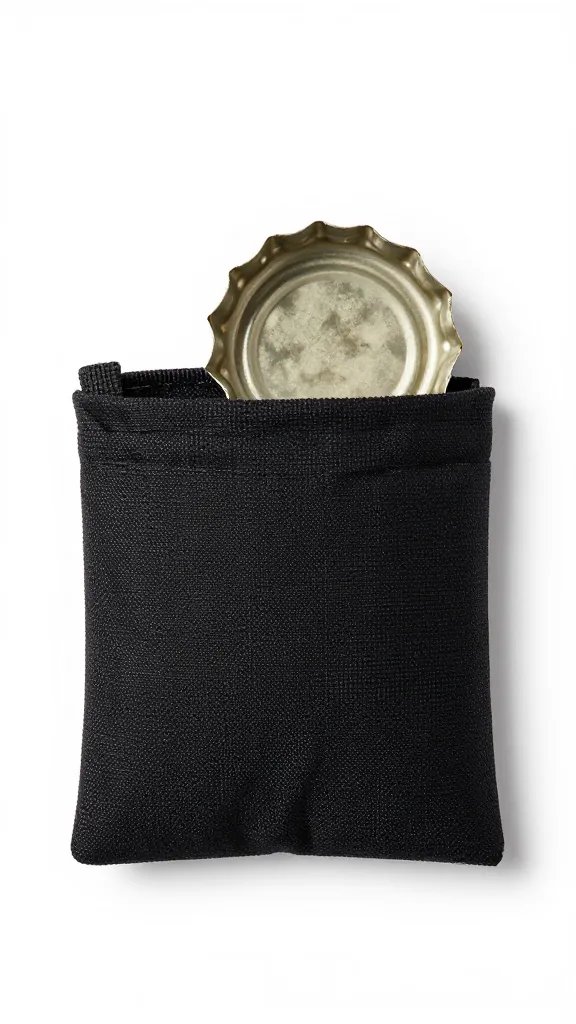
Carry a small roll of paper towels and a zip‑top bag for used napkins and bottle tabs. Caps, can rings, and straw wrappers are the litter most people overlook, and rangers notice.
Takeaway: Pack two bags—one for trash, one for recycling—and take them home if bins are full.
Designate a Safe Way Home
Open spaces and sunshine mask how much you’ve had. Drinking in a park still counts as drinking in public, and DUI laws apply once you get to a car, scooter, or bike. Decide your exit plan before the first pour.
Use rideshare, public transit, or a sober driver. If you brought a bike, lock it and return for it later. For long days, set a phone alarm as a “last drink” reminder an hour before you plan to leave.
Action today: Before you crack a can, confirm who’s staying sober or book your ride home in the app.
What to Do If You’re Approached by Park Staff
Stay calm and cooperative. Show your permit if required, recap any open containers if asked, and adjust your setup on the spot. Arguing never helps and can escalate to fines.
If you’re told alcohol isn’t allowed, stop serving, cap containers, and put them away. You can continue your picnic with food and non‑alcoholic drinks without packing up entirely.
Takeaway: Keep a polite one‑liner ready: “Thanks, we’ll cap these and adjust right now.” Then do it.
Frequently Asked Questions
How do I quickly check if my park allows alcohol?
Search “[Park Name] rules alcohol” and look for a .gov or the park’s official site. Scan for “Alcoholic Beverages,” “Permits,” and “Glass Containers.” If unclear, call the posted ranger station number; they’ll confirm in under two minutes.
Are discreet cups enough if alcohol is technically banned?
No. If a park bans alcohol, discretion doesn’t make it legal. You risk citations if staff check or if another visitor complains. Choose a different park that allows it, or switch to non‑alcoholic options.
What’s a smart, simple drink menu for parks?
Bring canned beer, cider, or hard seltzer plus one pre‑batched spritz in a stainless bottle. Pack reusable plastic cups and a large water jug with a spout. Add salty snacks, fruit, and a simple sandwich tray to balance the alcohol.
Can I drink near a grill or barbecue area?
Many parks allow beer and wine at picnic tables and grills, but rules vary. Check posted signs at the shelter or grill station for container and permit rules. Keep drinks off the grill surface and assign one person to cook who stays alcohol‑free.
What’s the etiquette with kids and dogs around?
Set up well away from playgrounds and keep drinks low‑key. Store cans and cups on the center of a table or in a soft cooler to prevent spills. For dogs, bring a water bowl, keep them leashed as required, and clean up promptly so other visitors aren’t impacted.
How much is “too much” for a casual park afternoon?
Cap it at two standard drinks per adult over two hours, with food and at least 16 ounces of water. Sun and heat amplify alcohol’s effects, so pace slower than you would indoors. End service one hour before departure so everyone leaves steady and safe.
Conclusion
You don’t need special gear or insider status to enjoy a drink in the park—just clear rules, simple prep, and steady hosting. Pick your park, confirm its policy, pack cans and water, and choose a sober ride home. Do that, and your picnic stays relaxed, legal, and welcome in any shared green space you visit next.
Leave a Reply