How to Be a Helpful Guest Without Rearranging the Host’S Setup Guide
· Yasmine Taljaard
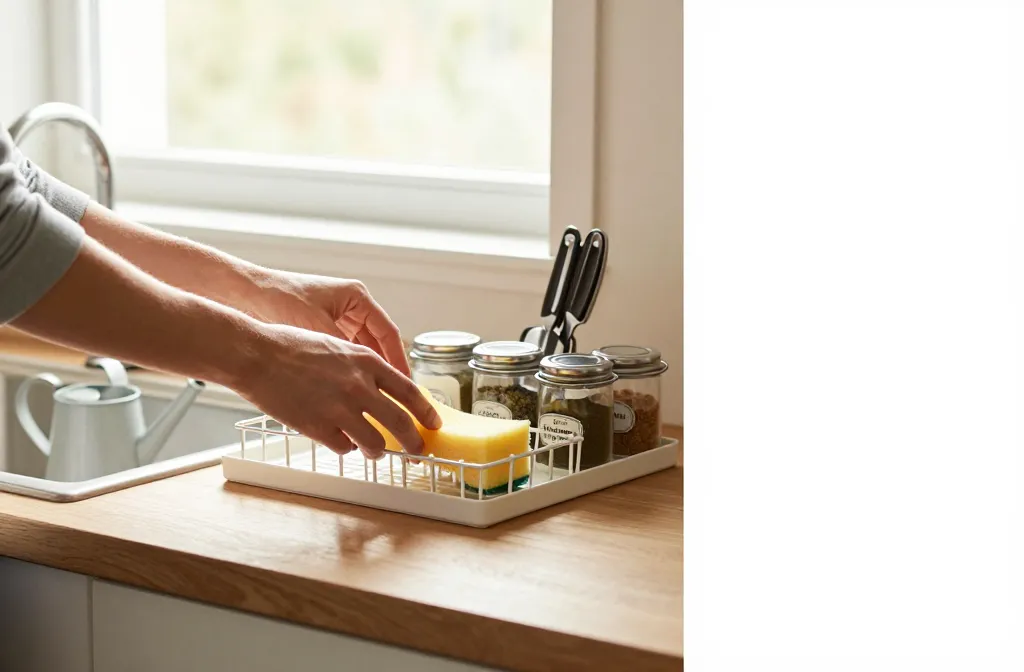
I’ve hosted enough dinners and weekend stays to know the difference between help and disruption. The guests I remember fondly pitched in without touching the systems I rely on: the knife lives in the same drawer, the watering can sits by the sink, the compost bin stays lidded. This guide shows exactly how to help in a home or garden you don’t run — so you leave things better, not “different.” You’ll learn clear moves that reduce your host’s workload while respecting their routines.
Start With Permission, Not Assumptions
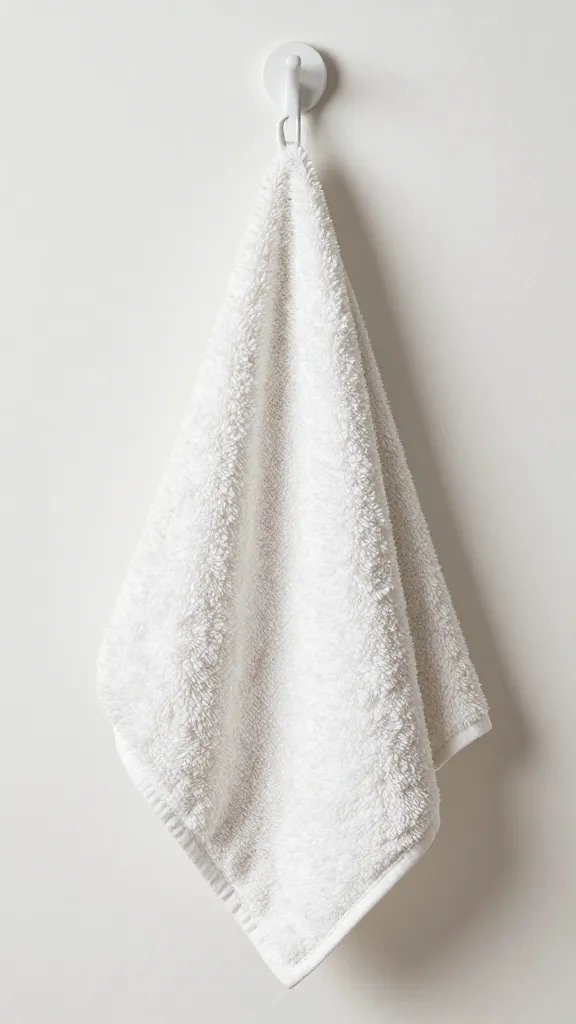
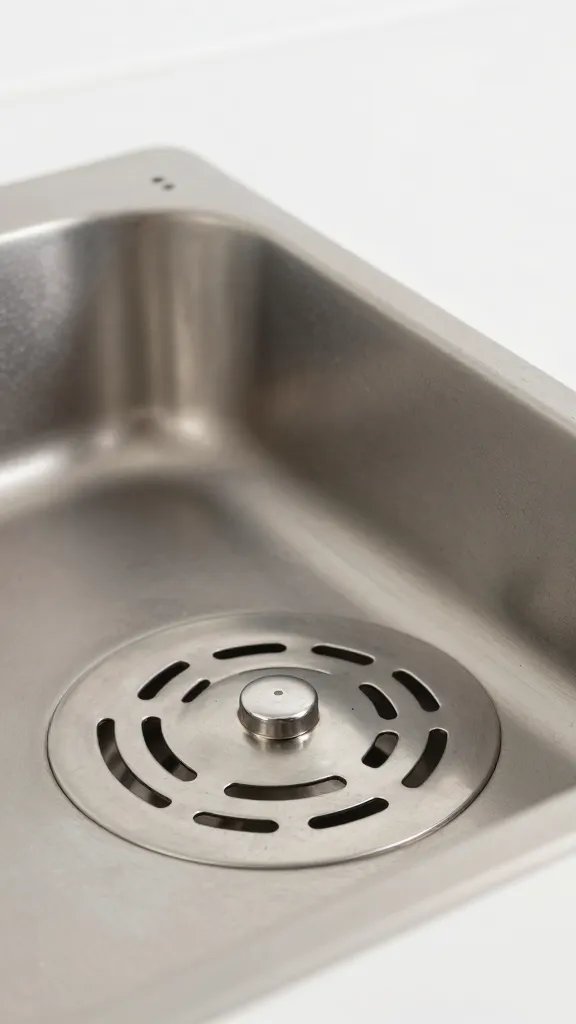
I always ask the same simple question when I’m the guest: “Where can I be useful?” Hosts have workflows — where towels dry, how the dish rack drains, which sink is for produce — that make sense once you ask.
Skip silent guesses. One minute of questions saves thirty minutes of fixing “help.”
Action today: Before doing anything, ask: “What’s one task you’d love off your plate, and how do you usually do it?”
Mirror the System You Find
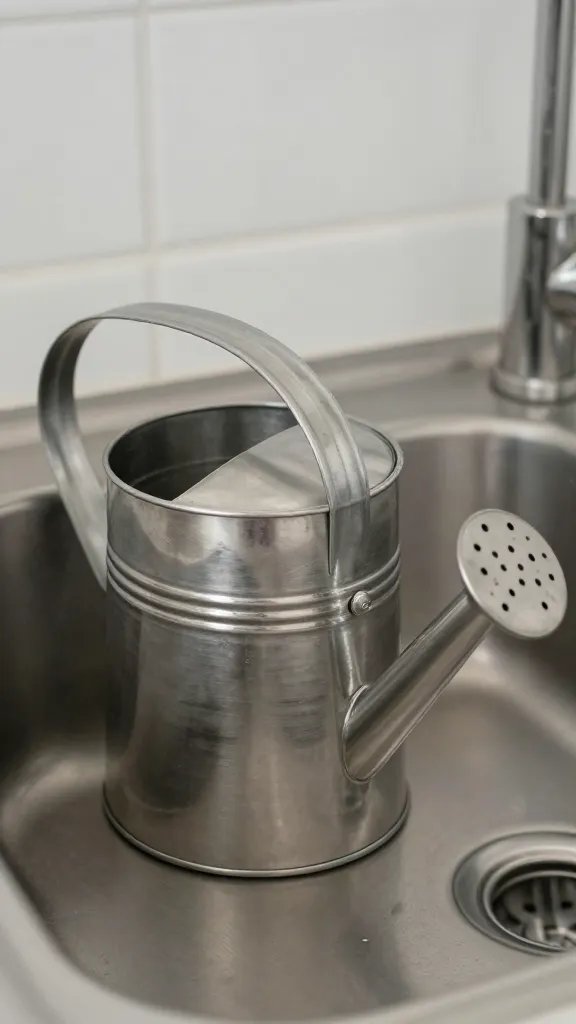
I copy the exact placement I see. If the sponge sits scrub-side up on the left, I return it scrub-side up on the left. If labels face forward on the spice rack, I match that.
This works outdoors too. If stakes are stored tips-down in a bucket or the hose hangs in a wide loop, I put them back the same way to avoid kinks and splinters.
Action today: Before moving an item, snap a quick phone photo of the setup. Put everything back to match the picture.
Choose Low-Risk Help That Never Alters Layouts
I pick tasks that reduce mess without changing organization. Indoors: wash, dry, and stack dishes; wipe counters; empty visible bins; fold laundry into neat piles without reorganizing drawers.
In the garden: sweep hard surfaces, coil hoses, gather fallen leaves into garden-center paper bags, and pick obvious weeds from paths only — not from beds where “weeds” might be self-seeded herbs.
Safe Task Ideas
- Wash and dry dishes, then leave them on a towel or rack for the host to shelve.
- Take out compost, recycling, and trash using the existing liners and bins.
- Wipe the stovetop and table; leave specialty pans as-is if they look seasoned.
- Sweep patios and steps; avoid moving pots or trellises even if they look “off.”
Takeaway: Help with cleaning and resetting, not reorganizing. If it has a “place,” do not redefine it.
When Watering or Plant Care Is Requested, Follow Simple, Visible Rules
If a host asks me to water, I ask for their schedule and a quick tour. I use their watering can, not a mixing jug, and I water only the plants they point out.
I stick to two household checks: soil should feel cool and slightly damp one knuckle down, and leaves should look perked, not floppy. I avoid fertilizing, pruning, repotting, or “fixing” pests unless the host left products and instructions.
Warning Signs To Respect
- Special soil or labels: Cacti, orchids, and carnivorous plants each have precise needs. Do not improvise.
- Sticky notes on pots: “Skip this week” or “water from the bottom” means follow exactly.
- Unusual setups: Reservoir planters, drip kits, or capillary mats already meter water. Don’t top-water unless told.
Action today: Water only the plants your host identified and stop when excess drips through the drainage holes once. No extra “for luck.”
Contain Your Help With Temporary Tools And Labels
I use what I bring or what’s clearly spare. A roll of painter’s tape and a marker solves everything: label a bag “Recycling,” tag a wrapped loaf “For Freezer,” or mark a container “Leftovers — Friday.”
Temporary solutions keep the host’s system intact. I never create a “better” drawer for tea towels or a new shelf for pots.
Lightweight Gear I Pack
- Painter’s tape + marker: Leaves no residue and makes locations obvious.
- Two reusable shopping bags: For hauling bins, groceries, or garden waste without borrowing baskets.
- Microfiber cloth: Handles glass and steel without rearranging caddies.
Takeaway: Add clarity, not infrastructure. Labels over layouts.
Reset Surfaces Exactly As You Found Them
After cooking or potting up a plant your host asked you to help with, I restore every surface to a familiar state. Knives go back in the same slots, cutting boards dry upright if that’s what I saw, and potting scoops return to the same bucket.
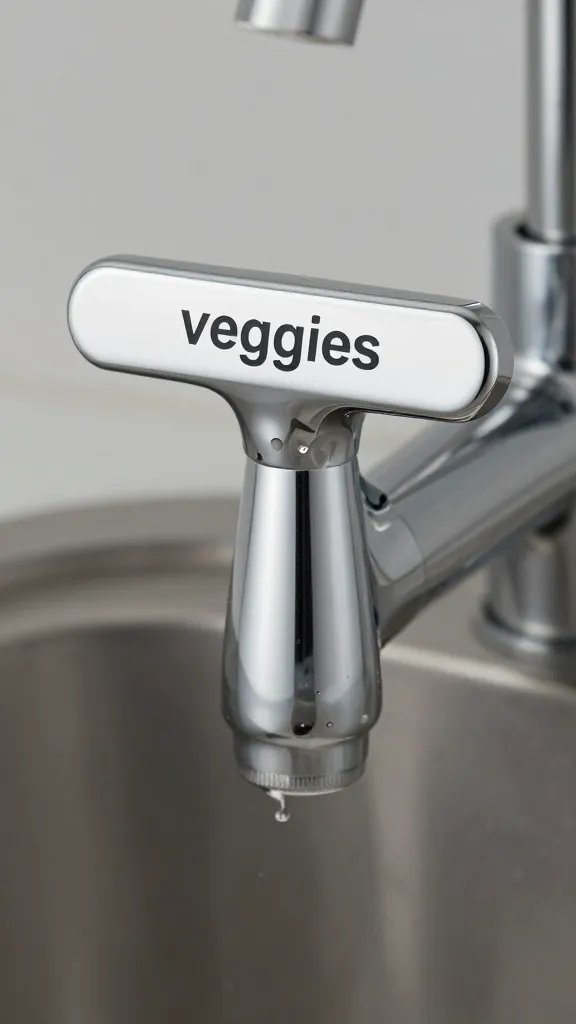
I wipe handles, faucet bases, and light switches — the high-touch spots hosts notice first.
- Return items to original positions using your photo.
- Clean the work triangle: prep area, sink, bin lids.
- Do a two-minute “eye level scan” from the host’s usual standing spot.
Action today: Before you leave a room, stand in the doorway and compare it to your photo. Fix any differences you created.
Offer A Menu Of Help — And Accept “No” Gracefully
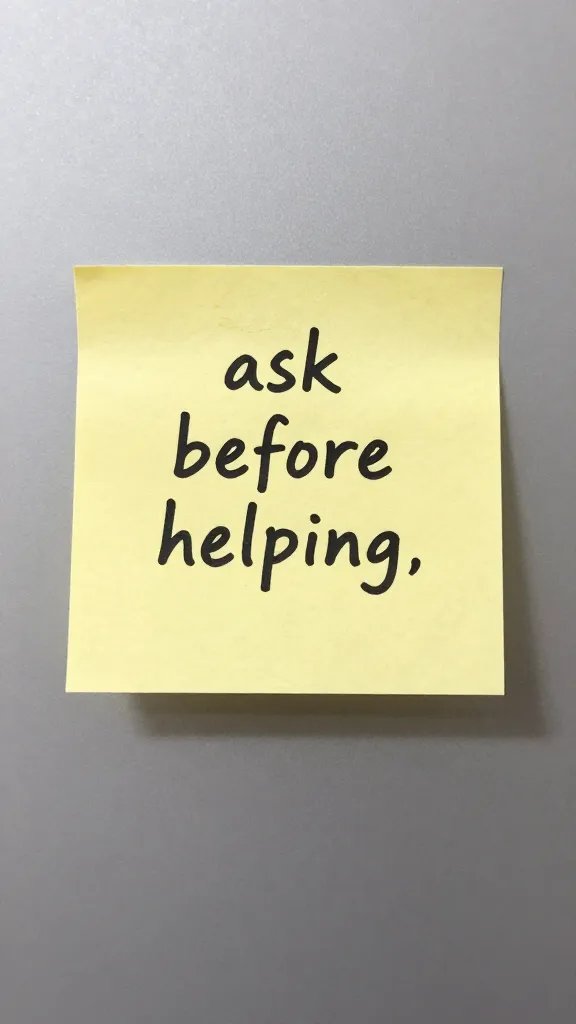
I give the host three clear options so they can pick what feels safe: dishes, floor sweep, or trash run. If they decline, I drop it and enjoy the visit.
Choice lowers the risk of stepping on systems they care about, especially in gardens where plant placement and tool order matter.
Takeaway: Say, “I can wash up, sweep, or take bins out — what works?” Then follow their pick only.
Frequently Asked Questions
Is it helpful to reorganize a messy spice drawer or tool shelf?
No. Reorganizing forces the host to relearn muscle memory they rely on, which adds work later. If you want to help, wipe the shelf, align labels forward, and leave the order. If they ask you to reorganize, take a photo first and confirm categories before moving anything.
What if I notice a plant that looks thirsty or droopy?
Ask before watering. Some plants droop daily in heat and recover at dusk, and watering them mid-afternoon can cause root issues. If you get the green light, water at the base until a little drains out, then stop. Leave a note saying which plant you watered and when.
How can I help after a shared meal without guessing where things go?
Wash, dry, and stack clean items on a towel. Wipe counters and the stove, and take out trash if the bin is near full. Tell the host, “Everything’s washed and stacked for you to put away.” This saves time without changing their storage.
Is it rude to label leftovers in someone else’s fridge?
Labels are helpful when they prevent waste. Use painter’s tape to mark the date and contents, then place containers where you found similar items. Avoid rearranging shelves or crisper drawers; ask if there’s a “leftovers spot” first.
How do I help in the garden when I don’t know plant names?
Stick to tidying that never changes layouts: sweeping paths, coiling hoses, collecting fallen leaves into paper garden bags, and consolidating empty pots. Do not weed beds unless the host points out specific weeds. If watering, ask for a tour and mirror their method and schedule.
Conclusion
Being a genuinely helpful guest means reducing friction without touching the systems that keep a home or garden running. Offer clear, limited help, mirror what you see, and reset everything exactly. Start with one habit today: take a photo before you start, and leave the space matching that photo when you finish. Your host will feel cared for — and you’ll get invited back.
Leave a Reply