Neo-Deco Outdoor Dining: Using Chrome and Brass Accents for a Modern Vibe Tips
· Yasmine Taljaard
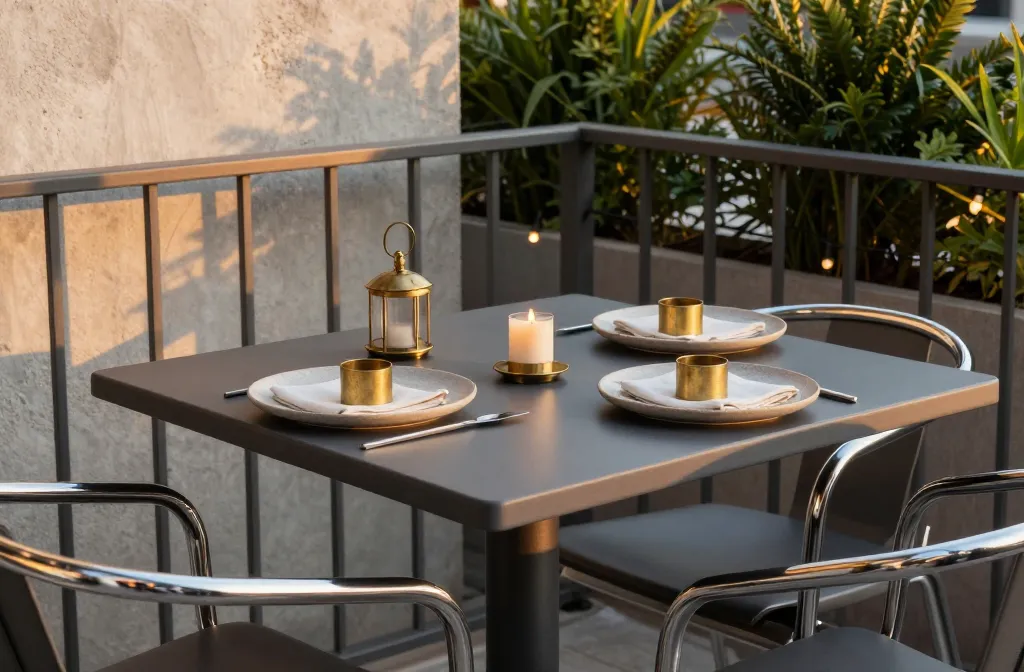
I started updating small balconies for clients who wanted a “dressed” table without babying it every evening. The turning point was learning how chrome and brass behave outdoors and which finishes actually shrug off fingerprints, rain, and sun. In this guide I’ll show you how to combine those metals with durable surfaces, lighting, and plants so your space looks polished after dinner, not tired. You’ll leave with a shopping list, layout rules, and simple upkeep that fits standard tools and a weekend budget.
Understand How Chrome And Brass Really Perform Outdoors
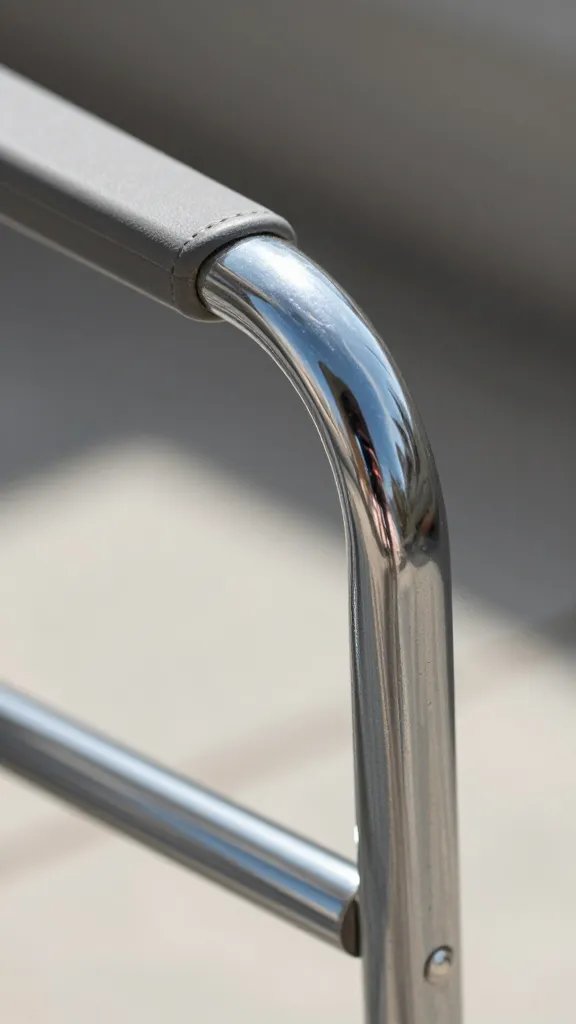
Chrome looks mirror-sharp but shows water spots fast and heats up in full sun. You want electroplated chrome on steel or aluminum with a labeled outdoor rating, not indoor bathroom hardware repurposed for the patio.
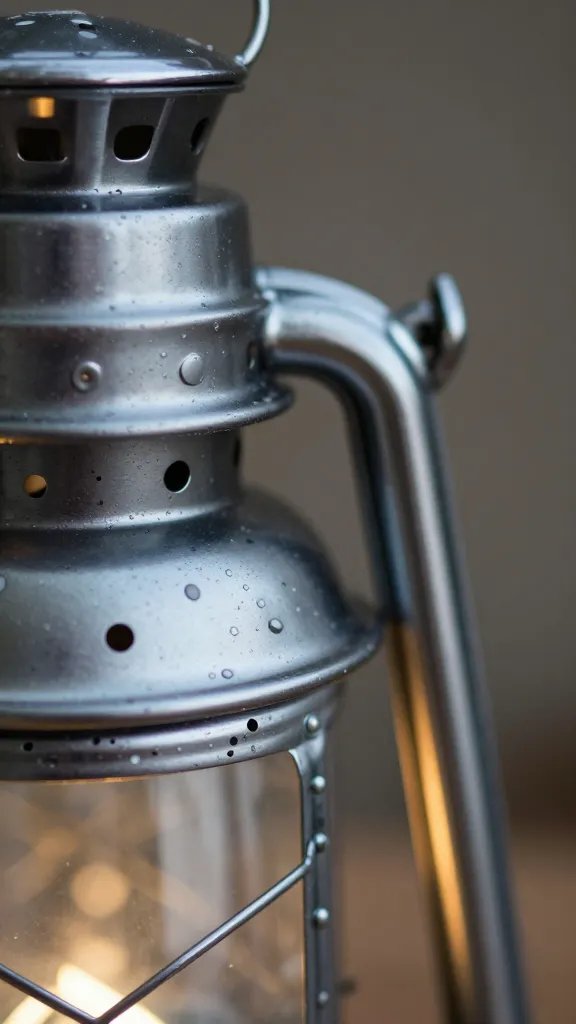
Brass comes two ways: living brass that develops a patina, and lacquered brass that stays shiny until the clear coat wears. Living brass suits coastal air and rain because it ages evenly. Lacquered brass stays glam under covered areas where UV is lower.
Takeaway: Choose outdoor-rated electroplated chrome for railings and chair frames, and living brass for accents like napkin rings and lantern handles where patina adds character.
Pick Weather-Right Surfaces That Make Metals Pop
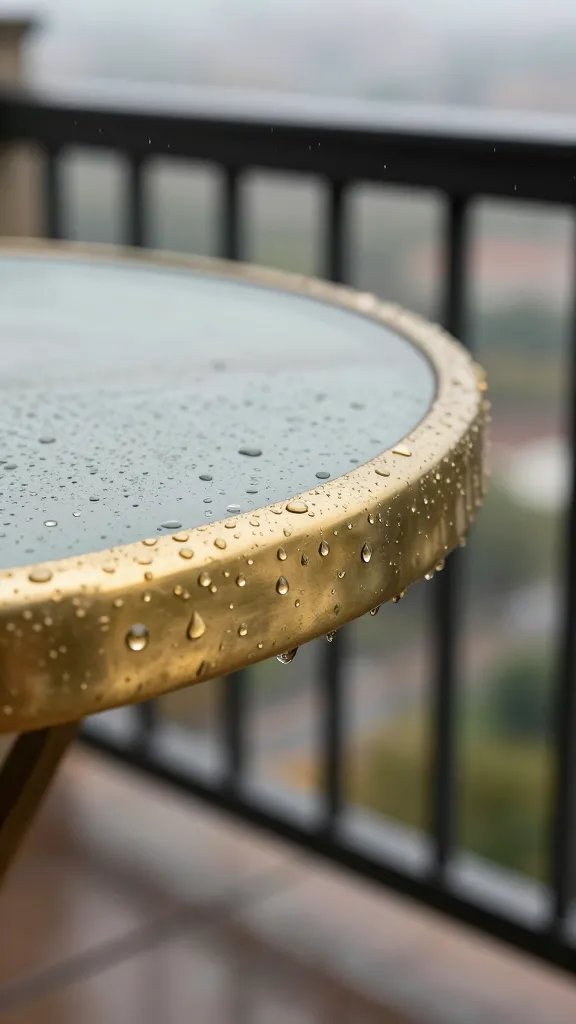
Chrome and brass look best against matte textures. I pair them with powder-coated black, unfinished teak, or porcelain tile that resists stains. Glossy tabletops compete with reflective metals and show every crumb.
For small balconies, a slatted teak or acacia table keeps airflow and dries fast after rain. For patios, a porcelain-topped bistro table resists hot-plate rings and wine spills better than painted metal.
Action today: If your surface is glossy, add a washable, textured outdoor runner (neutral canvas or charcoal) down the center to calm reflections and frame your metal accents.
Create A Balanced Metal Mix: 70/20/10 Rule
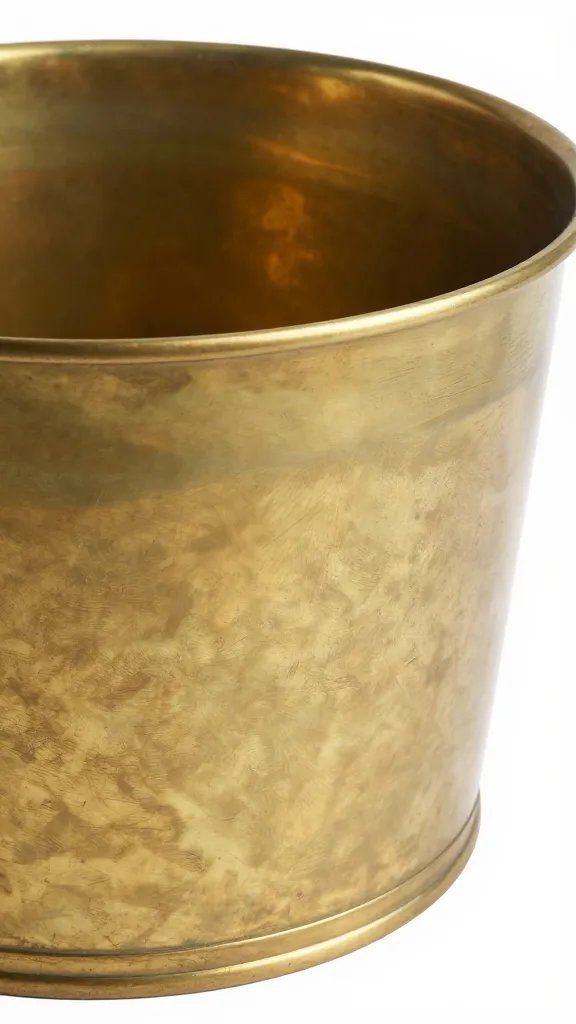
Too much shine reads chaotic; too little looks accidental. I use a simple ratio: 70% matte base (wood, stone, powder-coat), 20% dominant metal, and 10% secondary metal.
Pick brass as the dominant if you want warmth; choose chrome as the dominant for crisp hotel-bar energy. Keep the secondary metal to small, repeatable details so it feels intentional, not random.
Material recommendations
- Dominant brass: brass-rimmed lanterns, flatware with brass necks, planter feet.
- Dominant chrome: chair frames, candleholders, napkin rings.
- Anchors: black powder-coated tray, matte stone coasters, natural fiber placemats.
Takeaway: Choose your dominant metal now and list three repeatable pieces for it, plus one small piece in the secondary metal to repeat twice.
Layout That Feels Luxe In Tight Spaces
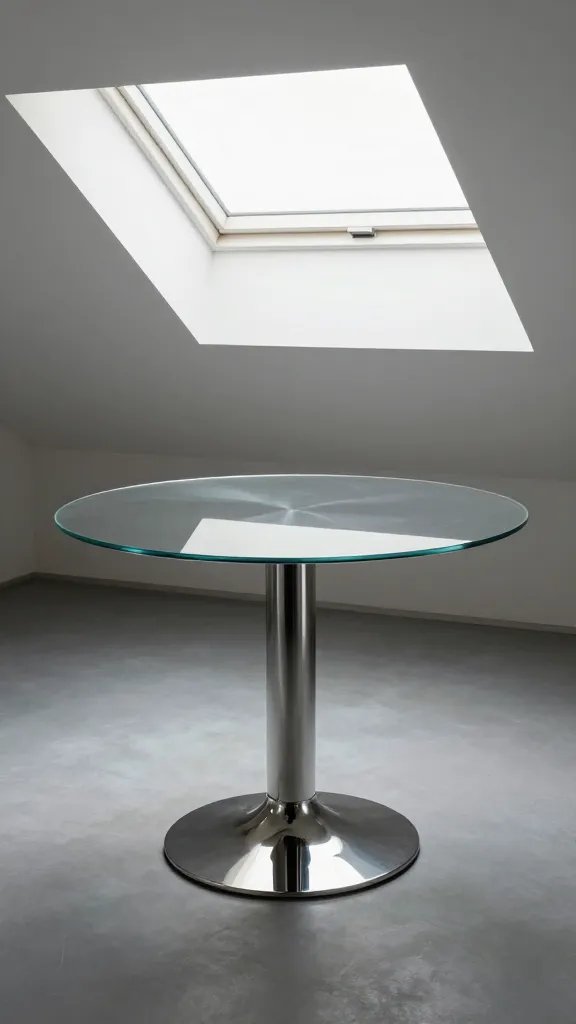
Shine needs breathing room. I keep a 24-inch clear zone around chairs and 12 inches between centerpiece items so reflections don’t merge into glare.
Use a single chrome or brass “spine” down the table: a long tray, a row of low votives, or a slim lantern pair. Keep everything below 8 inches high on small balconies to avoid blocking sightlines; go up to 12 inches on larger patios.
Step-by-step centerpiece build
- Place a matte runner the table length.
- Add a narrow metal tray (dominant metal) centered.
- Set three low planters or candles evenly spaced on the tray.
- Finish with two small accents in the secondary metal at the ends.
Action today: Clear your table and rebuild a single “spine” centerpiece using the four steps above—time yourself to keep it under 15 minutes.
Choose Plants That Love Reflections And Heat
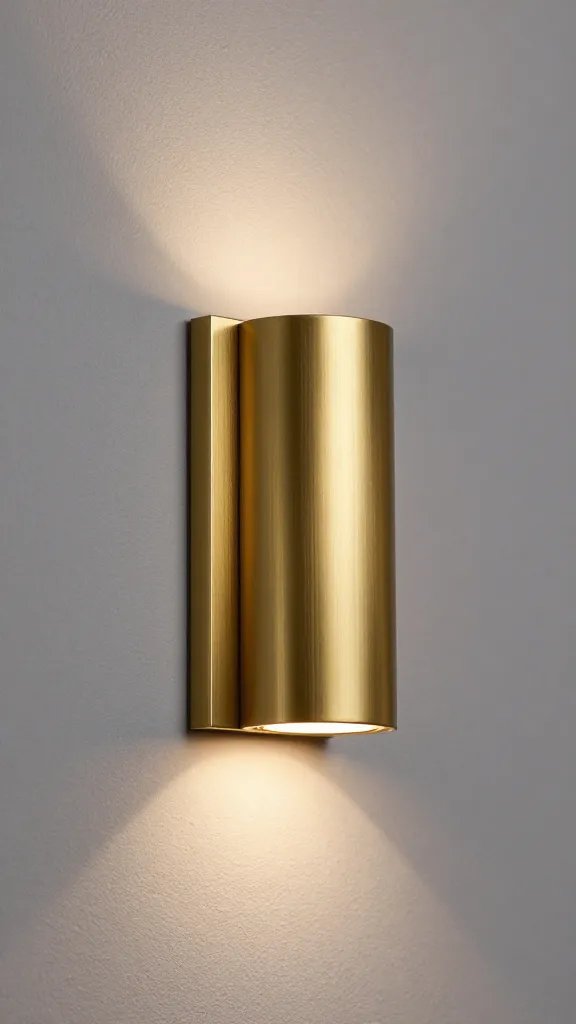
Reflective metals bounce light and raise leaf temps. I choose plants with thick leaves and upright forms that won’t scorch from the extra glare.
Plant list that pairs with chrome and brass
- Sansevieria (Snake Plant): Tall, architectural, tolerates bright light and dry spells.
- Agave attenuata or Aloe ‘Aristata’: Handles heat near metal, needs fast-draining soil.
- Olive sapling in a container: Narrow silhouette, loves sun, silvery leaves echo chrome.
- Heuchera or Carex in shade: If your dining spot stays bright-indirect, these add velvet texture against brass.
Use good quality potting mix from the garden centre with a scoop of coarse sand for succulents. Slip pots into matte planters and raise them on brass or chrome feet to keep water from pooling under them.
Takeaway: Add one tall, narrow plant behind the host chair to frame the scene and test how your metals reflect late-afternoon light.
Lighting: Warm Brass, Cool Chrome, And Flicker Control
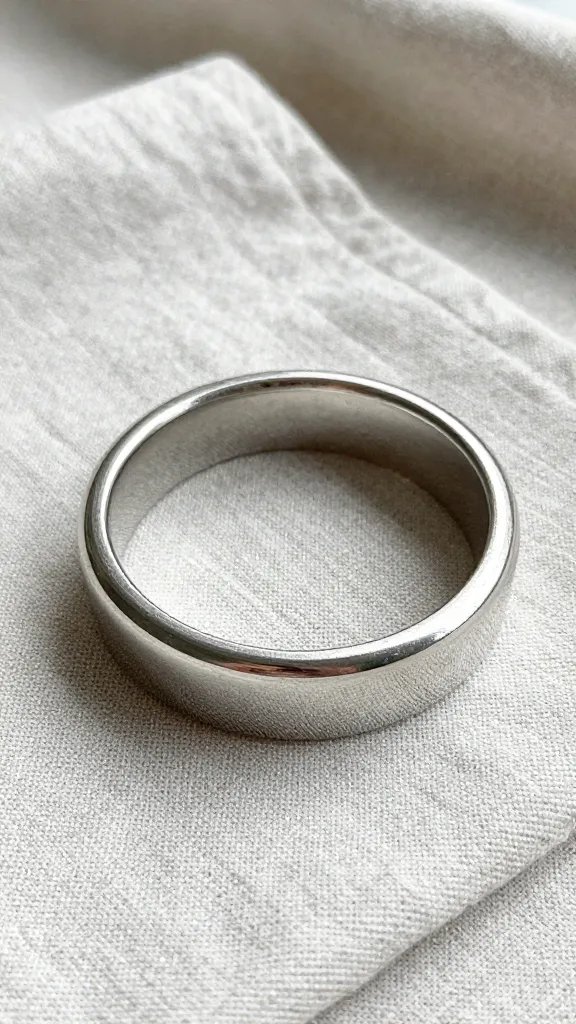
Metal color shifts with bulb warmth. I pair brass with 2700K “warm white” bulbs for golden glow and chrome with 3000K “soft white” for crisp clarity without looking bluish.
Outdoors I use solar stake lights or battery LED candles with IP44 or better for splash resistance. To avoid mirror glare on chrome, keep light sources below eye level and slightly off-center.
Warning signs and fixes
- Harsh hotspots on faces: Lower the lantern height or swap to a frosted bulb.
- Chrome looks cold: Add one warm brass accent near the light source to warm the palette.
- Lantern glass fogging: Crack the door 5 mm to vent; wipe with a drop of dish soap in water to reduce fog.
Action today: Replace any “daylight” bulbs with one pack of warm or soft white and test after sunset for 10 minutes.
Simple Care That Keeps Metals Looking New
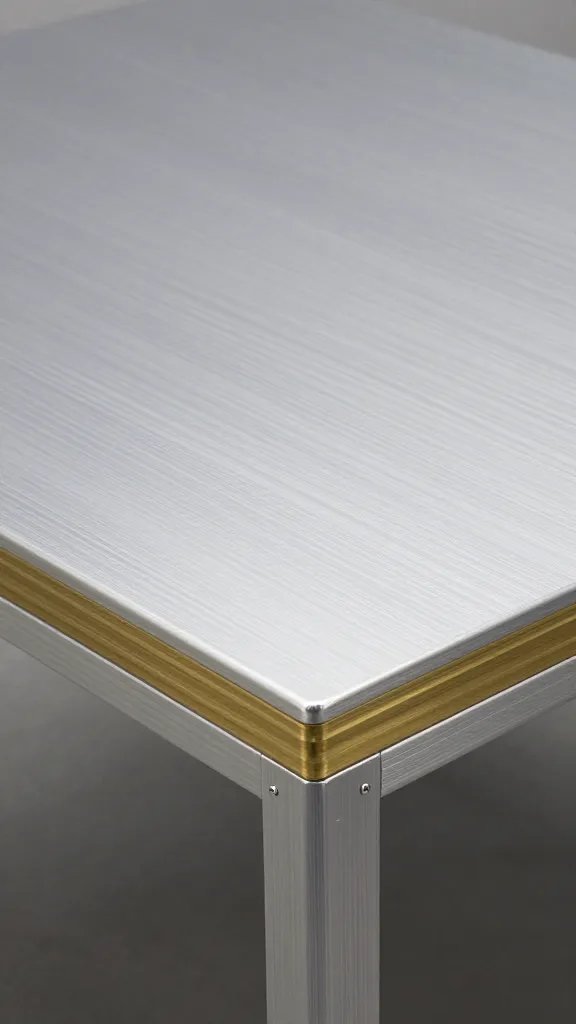
I keep upkeep to a tray-and-towel routine. After guests leave, I wipe metals with a microfiber cloth barely dampened with water and a drop of dish soap, then dry immediately to stop spotting.
For living brass, I let it patinate, then even it out monthly with a soft cloth. For lacquered brass and chrome, I avoid abrasive pads and glass cleaners with ammonia. I store small accents in a dry drawer during multi-day rain.
Step-by-step 5-minute reset
- Lift metal accents onto a tray.
- Wipe table and chair arms with a damp cloth, then dry.
- Wipe metals, dry, and return them to the tray.
- Cover the centerpiece with a cotton tea towel if rain is forecast.
Takeaway: Put a microfiber cloth and small dish soap under the sink today so your 5-minute reset actually happens.
Budget-Smart Sourcing That Still Feels Luxe
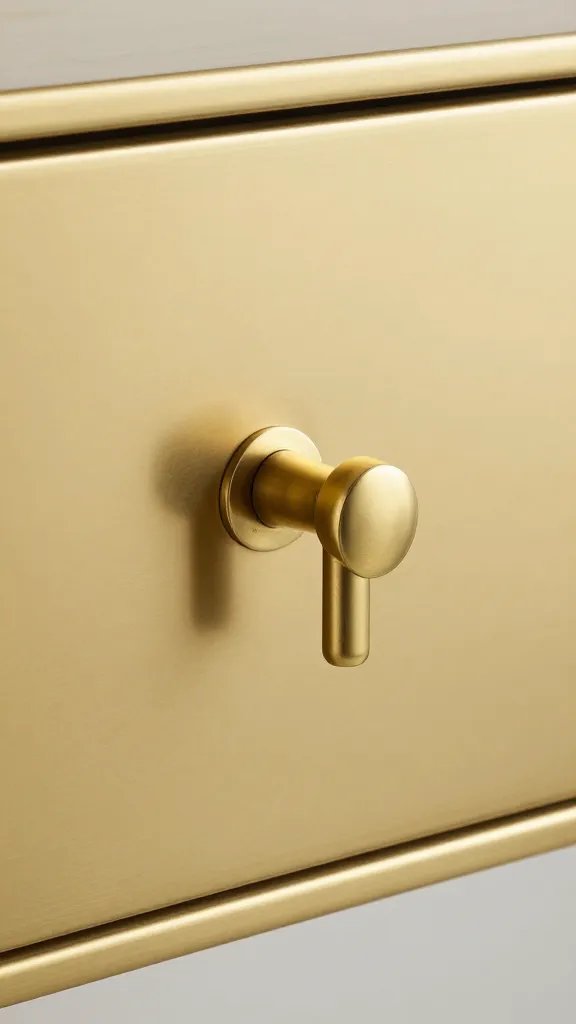
I buy the “touch points” in metal and keep big pieces neutral. Think chrome napkin rings, brass candleholders, and a powder-coated steel tray from the hardware store, paired with a basic wood or porcelain table.
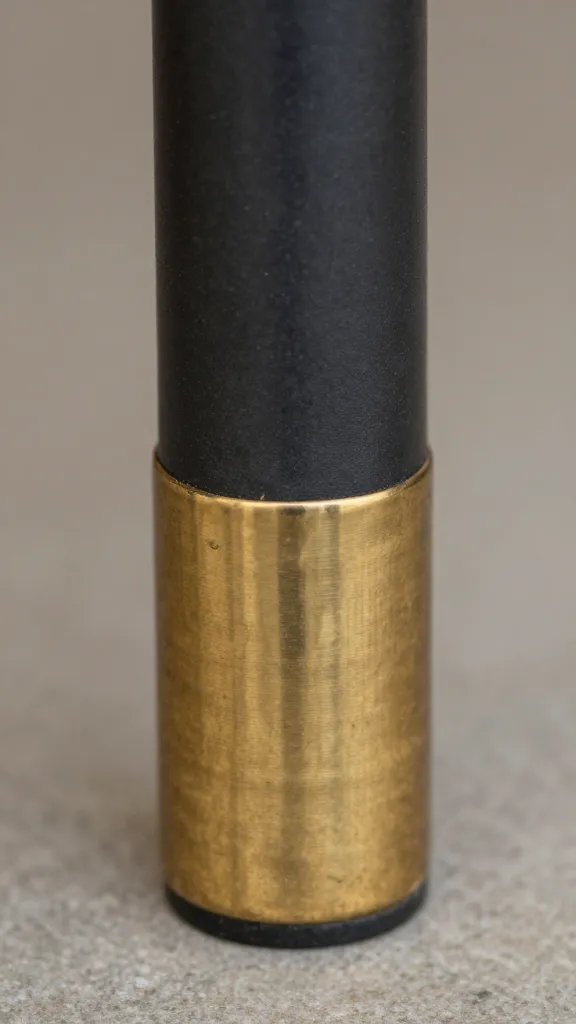
Skip full chrome chairs unless they’re outdoor-rated; get black powder-coated frames and add a chrome footrest bar cover or brass caps for the look at a fraction of the cost.
Action today: Make a 6-item shopping list: runner, tray (dominant metal), 2 small accents (secondary metal), low centerpiece planter, and warm/soft-white bulbs.
Frequently Asked Questions
Will chrome or brass rust or turn green outside?
Outdoor-rated chrome resists rust, but water spots show if you let them dry on the surface—wipe and dry after rain when you can. Solid brass will darken and can show green in salty or wet areas; that’s normal patina, not failure. If you want it to stay bright, choose lacquered brass and keep it under cover to protect the clear coat.
How do I stop fingerprints on shiny chrome during dinner?
Set chrome pieces where guests don’t handle them constantly—think candleholders, not flatware. Before guests arrive, wipe chrome with a microfiber cloth and a single drop of dish soap in water, then buff dry. Add matte coasters and placemats so hands land on fabric, not metal.
Can I mix chrome and brass with black hardware already on my balcony?
Yes—treat black as your 70% matte base. Choose one dominant metal and repeat it at least three times so it reads intentional, then add one or two small pieces in the secondary metal. Keep shapes consistent—sleek, rounded forms echo Neo-Deco better than rustic or industrial pieces.
What plants won’t scorch next to reflective metals?
Use tough, sun-tolerant picks like snake plant, dwarf olive, agave, and aloe. They handle extra reflected light and warm surfaces well. If your spot is bright-indirect, switch to heuchera, carex, and trailing ivy to keep the look lush without sun stress.
How do I clean brass without losing the patina I like?
Dust with a dry microfiber cloth weekly and wipe rain spots with a damp cloth, then dry. Skip metal polishes if you want to keep the patina; they remove the darkening. If an area looks uneven, rub gently with a soft cloth and a pea-sized dab of olive oil, then buff dry to blend tones.
Conclusion
Neo-Deco outdoor dining works when you let chrome and brass do the talking and everything else supports the shine. You now have finish choices, a layout plan, plant partners, and a 5-minute care routine that fits life without a workshop. Next step: pick your dominant metal, buy the tray and runner, and build that single clean centerpiece spine—your patio will look “set” every time you step outside.
Leave a Reply