Afro-Bohemian Picnic Decor: Integrating Nigerian Textiles and Handwoven Baskets Reimagined
· Yasmine Taljaard
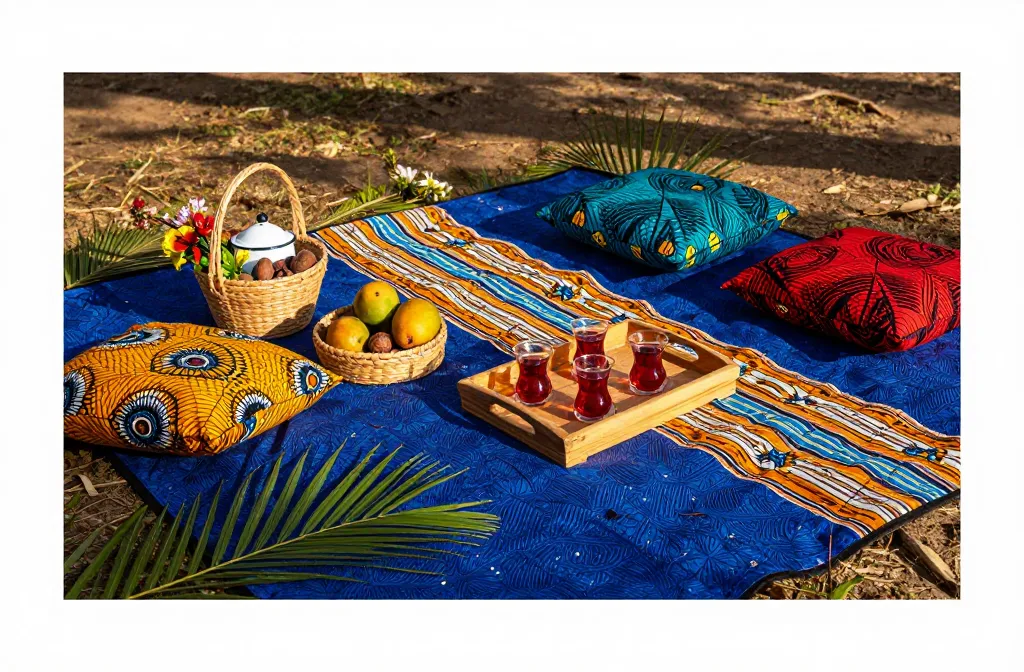
I learned to host picnics in small city parks with nothing but a blanket, a few baskets, and fabric my aunt brought back from Lagos. Friends always asked why the setup felt richer and more grounded than store-bought picnic kits. The answer lives in the textures, colors, and stories of Nigerian textiles and handwoven baskets — and how you layer them with purpose. In this guide, I’ll show you exactly how to build a durable, comfortable, and striking Afro-Bohemian picnic using items you can source from a garden centre, hardware store, and a couple of specialty shops or markets.
Choose Textiles That Work Hard: Aso-Oke, Ankara, and Adire
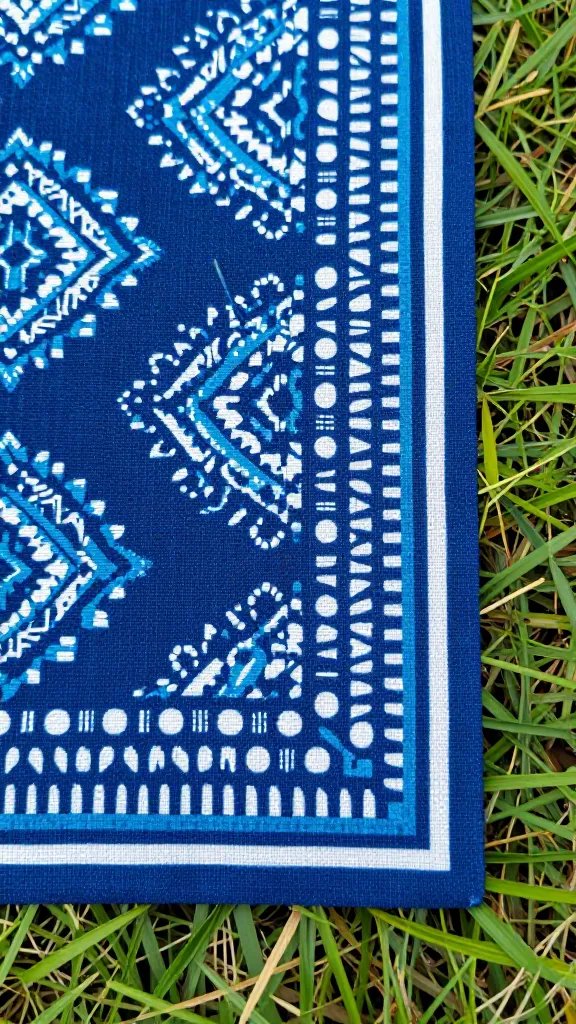
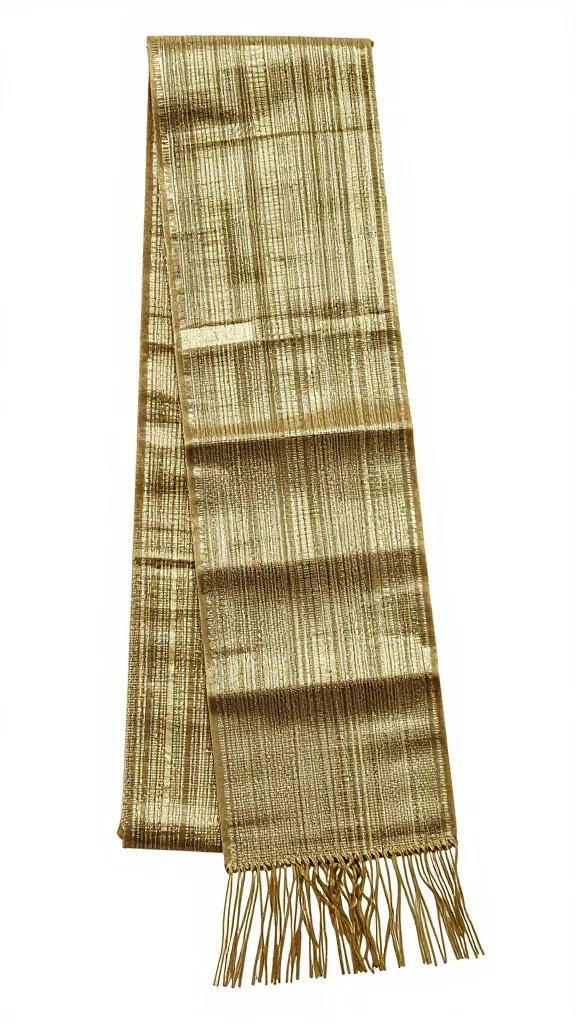
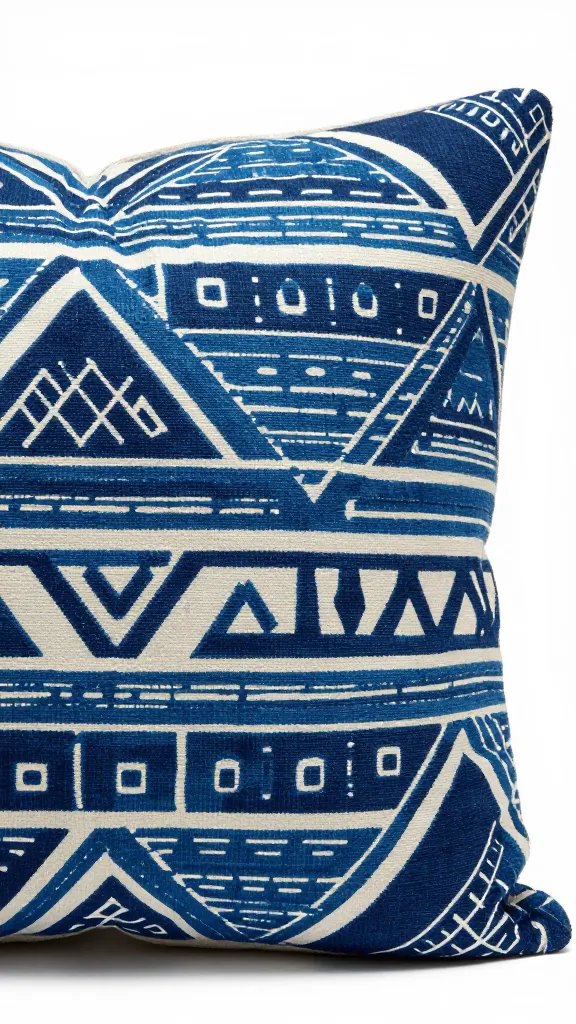
I pick textiles that deliver both pattern and performance. Aso-oke (a dense, handwoven strip cloth) handles foot traffic and rough ground like a champ. Ankara (wax print) adds bold color for table layers and napkins. Adire (indigo resist-dye) introduces depth and a calming base tone.
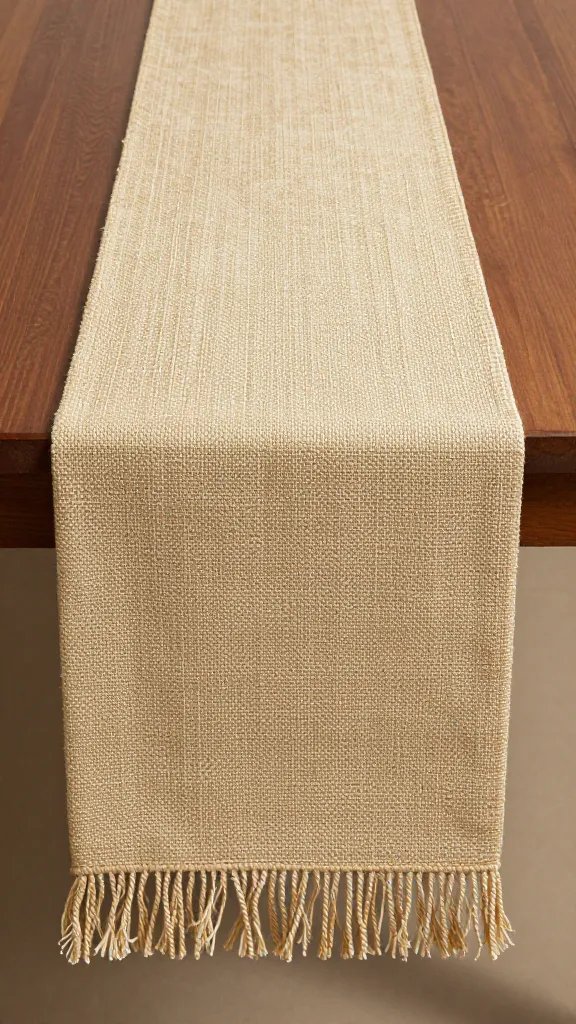
Use the heaviest cloth as your ground layer to keep grass from poking through. Then add a lighter piece for your dining surface. Reserve the most patterned fabric for accents like napkins, cushion covers, and bottle wraps so the scene doesn’t become noisy.
Material Recommendations
- Ground layer: Aso-oke or a thick cotton rug from a garden centre; size at least 5×7 ft.
- Top layer: Adire tablecloth or Ankara yardage; 60×84 in works for 2-4 people.
- Napkins and ties: Ankara offcuts; cut 16×16 in squares and hem with iron-on tape.
Action today: Pick a dominant base textile (indigo adire or neutral aso-oke) and one accent Ankara; lay them together on your floor to confirm they harmonize before you buy more.
Let Handwoven Baskets Do Real Jobs, Not Just Look Pretty
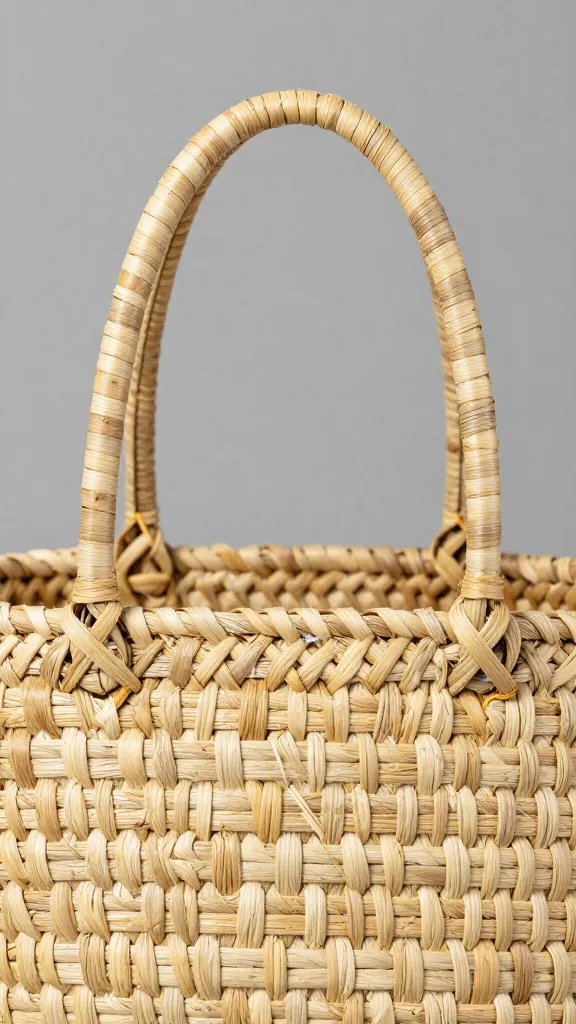
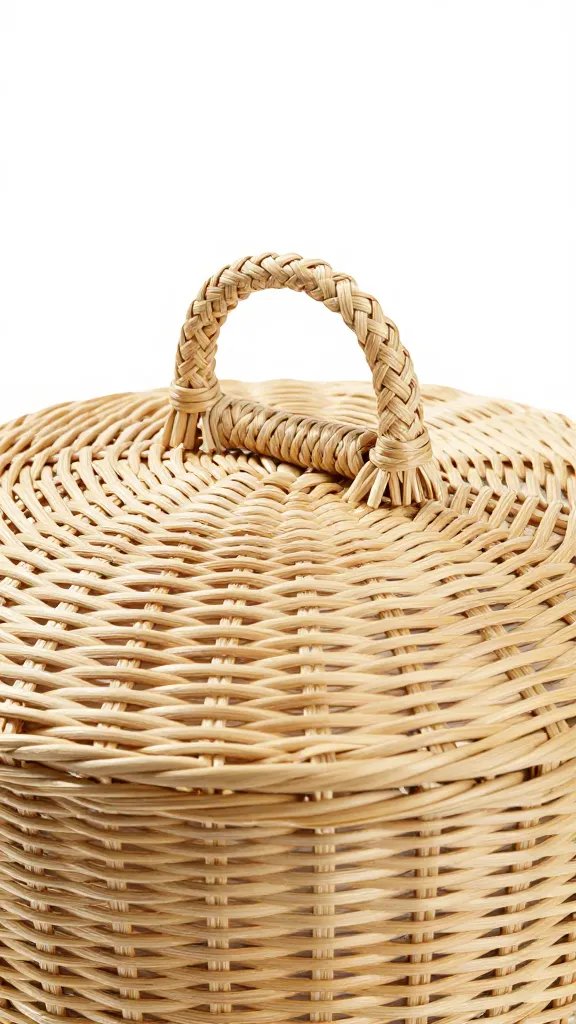
Nigerian and broader West African basketry isn’t just decor — it’s a toolkit. I assign each basket a role: one for food, one for tableware, one for waste, and one for plants or blankets. Lidded baskets protect bread and fruit from insects. Open shallow trays make fast work of serving.
Sturdier coils or tight weaves support weight without sagging. If you can push a finger through the side easily, use that basket for linens, not glass or bottles.
Step-by-Step Setup
- Transport: Pack the heaviest items (drinks, boards) in the stiffest basket. Cross-strap the lid with an Ankara tie.
- Staging: On-site, flip a shallow tray upside-down as a stable mini-table, then lay a flat board on top.
- Serving: Use a low, wide basket for fruit and bread; line with a folded adire napkin to catch crumbs.
- Cleanup: Dedicate one basket with a trash bag liner for waste so breakdown takes two minutes.
Action today: Test your main basket at home: load it with two full bottles and plates, lift by the handles, and walk 30 steps — if it creaks or twists, reassign it to blankets.
Build a Color Story That Feels Collected, Not Chaotic
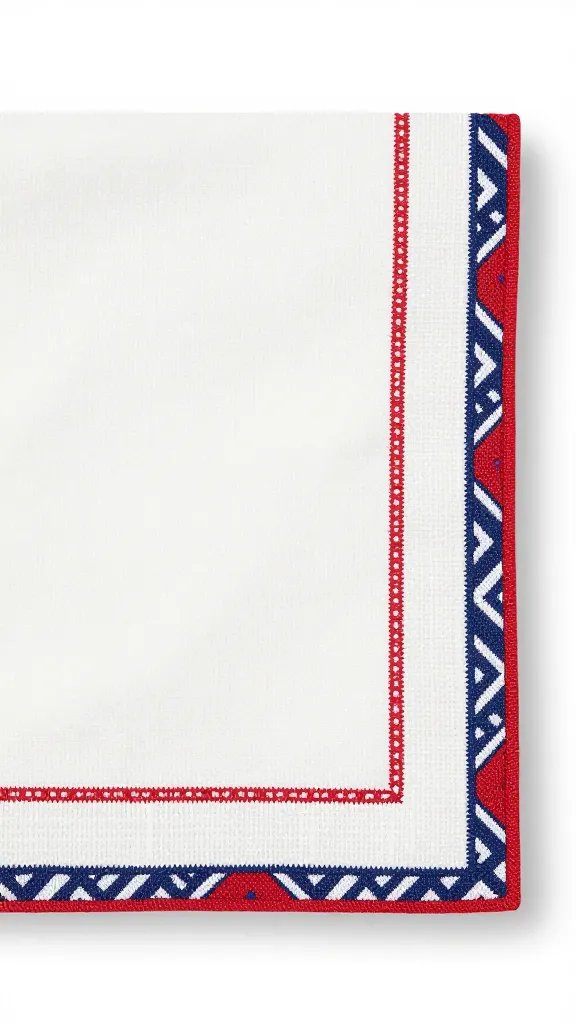
I anchor the palette with one deep tone — often indigo from adire — then add 1-2 saturated accent colors from Ankara prints, like tomato red or gold ochre. Natural straw from baskets becomes the neutral that calms everything down.
Repeat each accent color at least three times: in a napkin, a bottle wrap, and a pillow. This rhythm pulls the eye across the picnic and reads as intentional rather than random.
Warning Signs
- Too many hero prints: If every textile shouts, your food disappears visually.
- Clashing undertones: Bright Ankara with cool indigo works; neon greens against dusty straw don’t.
Action today: Pick one Ankara print you love and extract two colors from it; make those your only accents for napkins and ties.
Comfort First: Cushioning and Low-Tables That Don’t Wobble
Two layers beat any single picnic blanket. I start with a padded base: a folded moving blanket or camping mat under the aso-oke. That gives knees and hips real relief on hard ground.
For a steady surface, I improvise a low table with a flat wooden board from the hardware store (12×24 in, sanded edges) on two upside-down baskets. It won’t rock, and drinks stay upright even on uneven grass.
Step-by-Step Fix
- Lay a waterproof tarp or shower curtain liner if the ground is damp.
- Add the padded layer, then your aso-oke or rug.
- Set the board across two baskets that are similar height; test with a full glass.
Action today: Cut felt pads (or use folded napkins) under your board corners to eliminate wobble on bumpy grass.
Make Food and Drink Service Match the Aesthetic
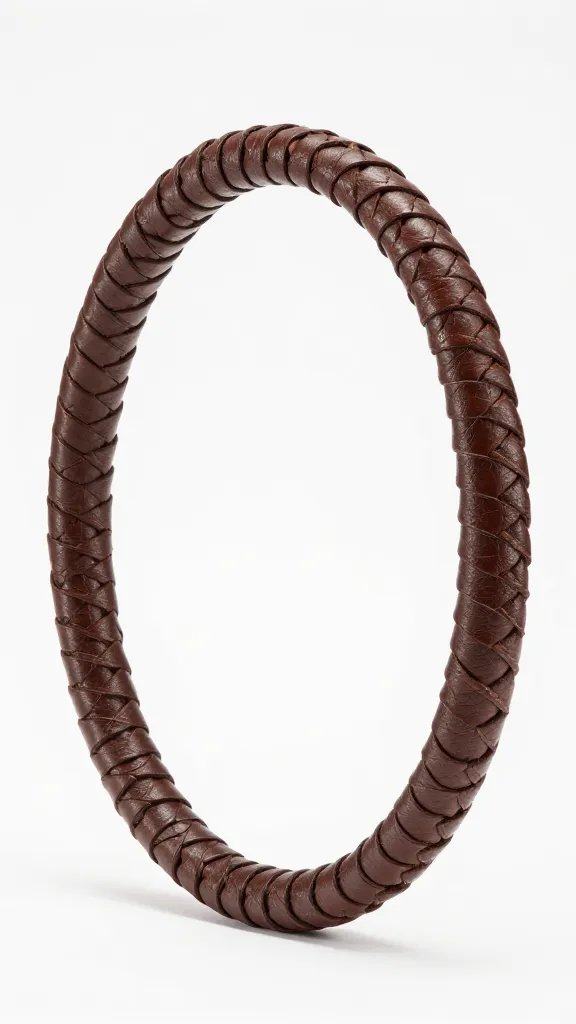
I keep serveware simple so the textiles lead. A single acacia or bamboo board, a small enamel tray, and two knives cover most needs. I wrap bottles with Ankara strips for grip and style, and I use lidded baskets to keep flies off pastries.
Colorful enamel mugs hold hot or cold drinks without breaking. A thermos wrapped in adire tape looks intentional and keeps the palette coherent.
Material Recommendations
- Board: 12×18 in wood or bamboo from the hardware store.
- Covers: Mesh food tents from a garden centre; stash flat in a basket.
- Napkins: Ankara squares doubled as plate liners to reduce washing.
Action today: Pre-pack a “serve kit” in a small basket: board, two knives, opener, two mesh tents, four napkins — leave it ready by the door.
Integrate Plants Without Turning the Picnic Into a Potting Bench
Greenery lifts the whole setup, but I keep it low-maintenance. One or two potted herbs — like rosemary or mint — in woven basket covers add fragrance and utility. I slip the plastic nursery pot into the basket and place a saucer underneath to protect the weave.
For a park-friendly centerpiece, a small snake plant or ZZ plant travels well and won’t shed leaves. Keep plants in bright indirect light at the edge of your setup so you can still stretch out.
Plant List
- Mint: For drinks; water when the top inch feels dry.
- Rosemary: Woody sprigs for bread; water sparingly.
- Snake plant/ZZ plant: Tough, upright structure; wipe leaves before you go.
Action today: Drop a nursery pot into a basket with a saucer, then wrap the pot rim with an Ankara strip to hide plastic.
Weather-Proofing and Care So Your Textiles Last
I treat picnic gear like camping gear — it must survive damp grass and quick packing. I spray the underside of my ground cloth with a fabric protector to repel moisture. After the picnic, I hang textiles to air-dry for 30 minutes before folding, even if they look clean.
Spot clean adire and aso-oke with a damp cloth and mild soap. Handwash Ankara in cold water the first few times to set the dye, then line-dry to preserve color.
Warning Signs
- Dye rub-off: If color transfers to your fingers, rinse in cold water with a splash of white vinegar, then air-dry.
- Mildew risk: A musty smell means you packed damp; sun-dry for one hour and store with a cedar block.
Action today: Pack a large trash bag to act as an emergency moisture barrier under your base cloth if the grass is wet.
Frequently Asked Questions
How do I source authentic Nigerian textiles and baskets without traveling?
Look for fair-trade or African market vendors in your city and ask specifically for adire, aso-oke, or Ankara by the yard. Many sellers list on reputable online marketplaces with clear origins. Ask for close-up photos of weave tightness and edges. If you can, buy one small piece first to test colorfastness and texture before committing.
What size blanket or cloth do I need for four people?
A 5×7 ft base layer works, but 6×9 ft gives room for serving and stretching. If your fabric comes in narrower strips (aso-oke), join two panels with iron-on hem tape from the hardware store. Layer a 60×84 in top cloth for the dining area to keep crumbs controlled and plates level.
How do I keep baskets from getting stained by food and grass?
Line food baskets with a folded textile or parchment. For the ground, place baskets on the top cloth rather than directly on grass. After the picnic, wipe the basket bottoms with a damp cloth and let them air-dry upright. For deeper cleaning, use a soft brush and mild soap, then dry in shade to prevent warping.
What if my Ankara runs or bleeds onto other fabrics?
Pre-wash in cold water with a tablespoon of white vinegar and a small amount of mild detergent. Rinse until the water runs clear. For the picnic, keep Ankara as napkins or ties away from heavy condensation or wet grass. Pack a spare light-colored napkin to test contact before you place Ankara under hot dishes.
How do I make a stable low table without tools?
Use two firm, upside-down baskets of similar height and a flat board from the hardware store. Place felt pads or folded napkins under each board corner to level. Test with a full mug before you set out dishes. Keep the table no higher than mid-calf so it stays stable if someone bumps it.
What lighting works if my picnic extends into the evening?
Battery tea lights in jar lanterns or solar string lights clipped to basket rims add warm light without open flames. Wrap the battery pack in an Ankara strip to blend in. Place lights low and away from food so bugs aren’t invited to the serving zone. Pack spare batteries in the serve kit.
Conclusion
You now have a clear blueprint: anchor with a hardworking Nigerian base textile, assign every basket a job, and repeat a tight color story across accents. Start with one grounded setup this weekend — a padded base, one adire cloth, two baskets as a table — and build from there. When you own the layers and the roles they play, your Afro-Bohemian picnic reads as effortless, travels light, and holds up to real use. Your next step: assemble the pre-packed serve kit and choose your two accent colors — then set a date and enjoy the ease you just designed.
Leave a Reply