Master the Etiquette of “Double Dipping” at a Shared Charcuterie Station
· Yasmine Taljaard
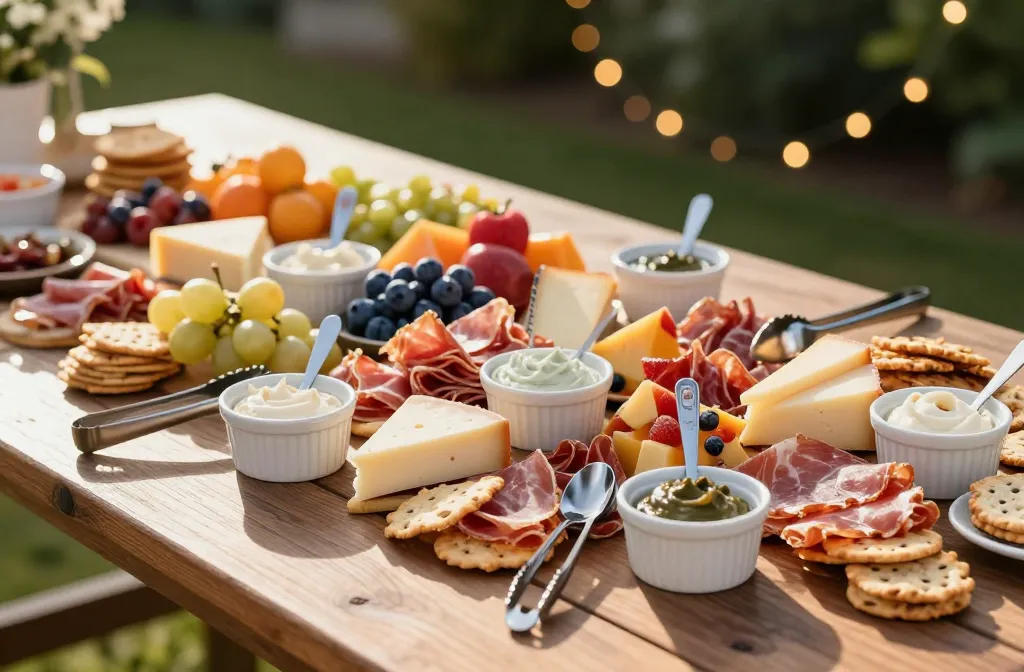
I host a lot of casual garden parties, and I’ve watched a beautiful charcuterie spread stall out the moment someone “double dipped” a crostini. Everyone goes quiet, hesitates, and then starts avoiding half the platter. I learned to prevent that with simple setup tweaks and clear, kind cues. In this guide, I’ll show you how to eliminate double dipping without embarrassing anyone, so your guests feel relaxed, safe, and eager to keep nibbling.
Why Double Dipping Is a Real Hygiene Problem

Double dipping transfers saliva — and whatever rides along with it — back into shared food. That includes common cold viruses and oral bacteria that thrive on soft cheeses and dips.
Moist, protein-rich items like hummus, whipped feta, brie, pâté, and bean dips are perfect growth media. Even a small amount of contamination spreads as guests stir and scoop.
Takeaway: Treat double dipping as a food safety risk, not a pet peeve — design your station to make it unnecessary.
Set the Station to Make Double Dipping Impossible

Most double dipping happens because guests lack an easy way to portion and build a bite. Fix that in your layout.
- Individual ramekins or cups: Offer 2–3 ounce paper cups or small ceramic ramekins for dips, olives, and nuts. Refill discreetly from a back bowl.
- Pre-portioned spreads: Pipe hummus or whipped cheese into teaspoon-sized rosettes on a tray. Think bakery-style dots guests can lift whole.
- Cheese pre-cuts: Slice brie and semi-soft cheeses into 1–2 bite wedges. For gooey rounds, score into a grid and insert picks.
- Two-stage boards: Create a “Build Here” board with plates and cups before the “Grazing” board. Flow prevents lingering and re-dipping.
- Bread, then dip: Place crackers and crostini first, dips last. People reach bread before they reach sauce.
Action today: Add a stack of 3–4 inch appetizer plates and 2–3 ounce cups at the very start of your charcuterie line.
Give Each Item Its Own Tool — And Backups

Shared utensils reduce direct finger contact and discourage dipping with the same piece twice.
- One tool per item: Use spreaders for soft cheeses, small spoons for dips, tongs for cured meats, forks for pickles.
- Short handles work: Shorter tools keep hands out of food, and guests return them more reliably.
- Visible backups: Place a clean utensil jar at each end of the station. Swap when anything falls or gets messy.
- Label tools: A small card that says “For Brie” or “For Hummus” prevents cross-use.
Action today: Count your serving pieces before guests arrive — aim for at least one tool per item plus 30% extra in a clean jar.
Use Polite Signage That Sets the Norm

People follow cues when they’re simple, friendly, and specific. Signs remove the need to correct anyone in the moment.
- Place cards by dips: “Scoop once onto your plate — no re-dips, please.”
- At the line start: “Build your plate here first, then mingle!”
- By utensils: “Fresh tools here — switch if one drops.”
- Tone matters: Keep it warm and inclusive; avoid scolding language.
Action today: Print three small tent cards with short, friendly rules and set them where hands naturally pause.
Pre-Portion the High-Risk Items
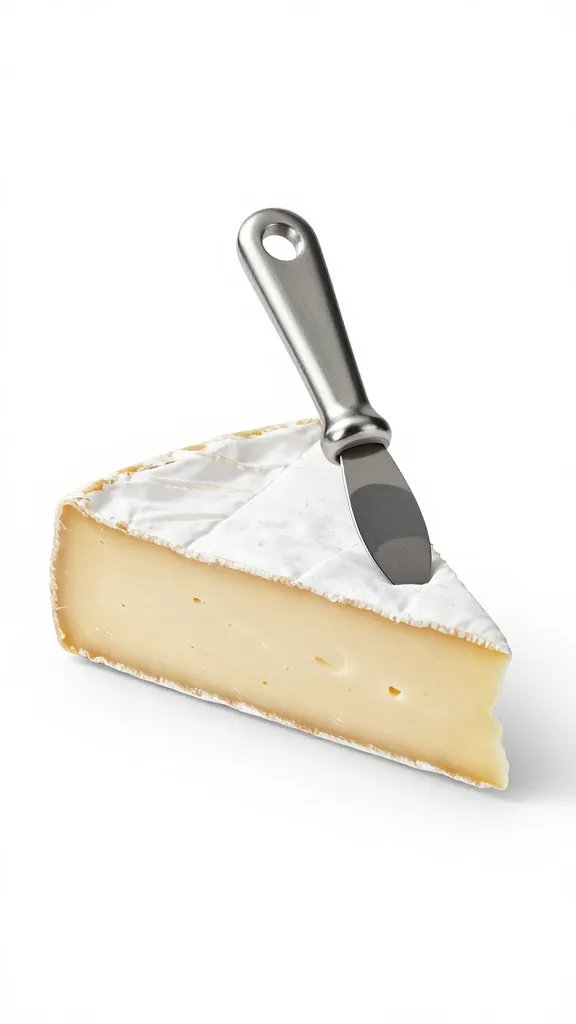
Some foods invite re-dipping by design. Break them into single-bite pieces so the “dip, bite, dip again” pattern never starts.
- Dips: Spoon 1–2 tablespoons into mini cups; top with a cucumber slice or a single pita crisp for easy lifting.
- Soft cheeses: Spread whipped cheese onto crostini ahead of time; finish with a drizzle of honey and a thyme leaf.
- Charcuterie cones: Paper cones or small cups with a few meat slices, a cheese cube, a cornichon, and a breadstick replace plate juggling.
- Fruit and veg: Skewer grape tomatoes, olives, and mozzarella; serve carrots and peppers in short glasses with hummus already in the bottom.
Action today: Pre-assemble one tray of 20–24 bite-size crostini with spread and garnish before guests arrive.
Refresh Quietly and Retire Anything Compromised

Once the party starts, your job is traffic control. Keep the board tidy and safe without calling attention to mishaps.
- Two-bowl method: Keep a clean reserve for each dip out of sight. When surface looks swirled or messy, swap the entire bowl.
- Half-fill dishes: Refill more often; less surface area means fewer opportunities for contamination.
- Wipe and rotate: Every 20–30 minutes, wipe edges, replace messy tools, and rotate fresh items forward.
- Retire with grace: If you see a re-dip, remove that bowl immediately, replace it, and say, “I’ll refresh this one.” No lectures.
Action today: Stage backups in the kitchen on sheet pans so you can swap whole dishes in under 15 seconds.
Coach Your Guests Without Awkwardness

You set the tone. A quick demo prevents confusion and keeps things friendly.
- Model the behavior: Build your plate first in plain view, using tools and cups.
- Offer plates proactively: Hand a guest a plate and say, “Everything’s set up to scoop once and wander.”
- Redirect kindly: If someone hovers with a half-eaten cracker, smile and add, “Grab a little onto your plate — fresh tools are right there.”
- Enlist allies: Ask one or two friends beforehand to follow the script and keep the flow moving.
Action today: Rehearse one friendly line you’ll use at the board, so you sound natural when the moment comes.
Frequently Asked Questions
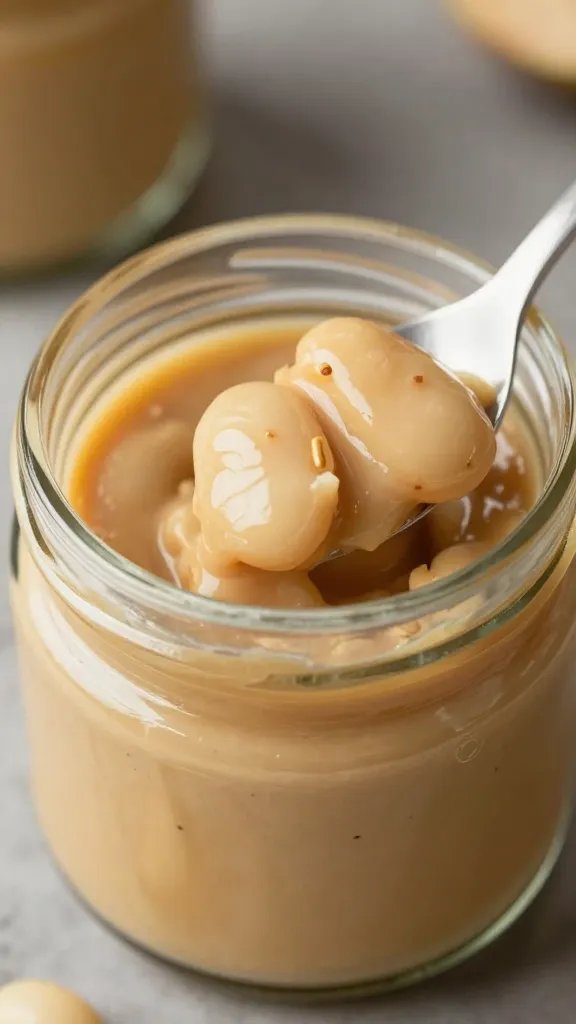
Is double dipping really that risky, or is it just a social no-no?
It’s both. Saliva carries bacteria and viruses that transfer into moist, protein-rich foods where they spread quickly. I treat shared dips like any communal food: set up so one scoop equals one serving. If you wouldn’t share a spoon, don’t share a dip bowl without controls.
What’s the easiest low-cost fix if I don’t have lots of serving tools?
Use mini paper cups or muffin liners as single-serve dip holders and regular teaspoons from your drawer as serving spoons. Pre-slice cheeses and spread soft cheeses on a batch of crostini. A roll of painter’s tape and a marker make instant, clear labels. Keep a jar labeled “Clean Spoons” on the table.
How do I stop kids from double dipping without policing them?
Make kid-friendly snack cups with a bit of dip at the bottom and veggie sticks or pretzel rods already inside. Place these at kid height on their own small tray. Kids love “their” station, and you remove the open-bowl temptation entirely.
What if guests ignore the signs and keep re-dipping?
Swap the shared dip for pre-portioned cups and remove the big bowl. Smile and say, “I refreshed the hummus into cups so everyone can grab their own.” Most guests follow the new format instantly. Keep the tone light and move on.
How much should I pre-portion for a two-hour gathering?
Plan 6–8 bite-size pieces per person, plus 2–3 ounces of dip per guest total. Set out half at the start and refresh at the one-hour mark. Smaller, frequent restocks look abundant and reduce waste and risk.
Conclusion

You control double dipping before the first guest arrives by shaping the flow: portion it small, tool it well, and cue it clearly. Start with plates and cups first in line, pre-portion the risky items, and keep quiet swaps ready in the kitchen. Next time you host, try the two-bowl swap and one friendly sign — you’ll see guests relax and your board stay beautiful to the last bite.
Leave a Reply