How to Handle “Uninvited Guests”: Dealing with Bugs and Ants Gracefully Fast Fixes
· Yasmine Taljaard
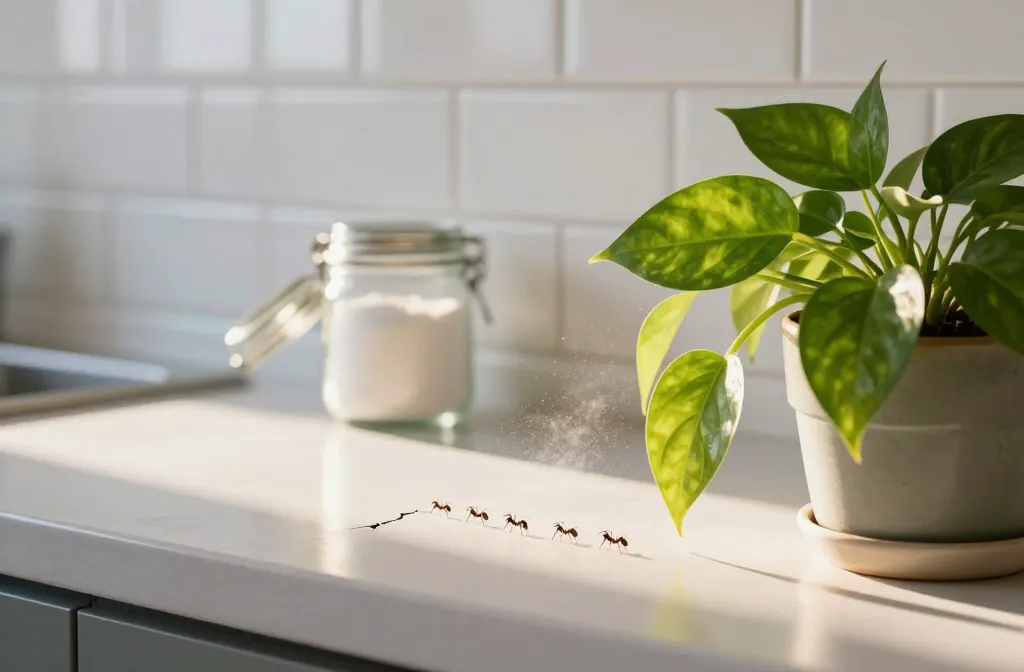
I’ve opened a cupboard to find a sugar trail marching across the counter and I’ve lifted a pothos to see fungus gnats puff out like smoke. I know that jolt of “Where do I even start?” when pests gatecrash a tidy home. In this guide, I show you how I prevent, identify, and remove common bugs and ants without turning the house into a chemistry lab. You’ll learn practical steps that protect your plants, your kitchen, and your sanity.
Why Bugs and Ants Show Up: Food, Water, and Shelter You Didn’t Notice
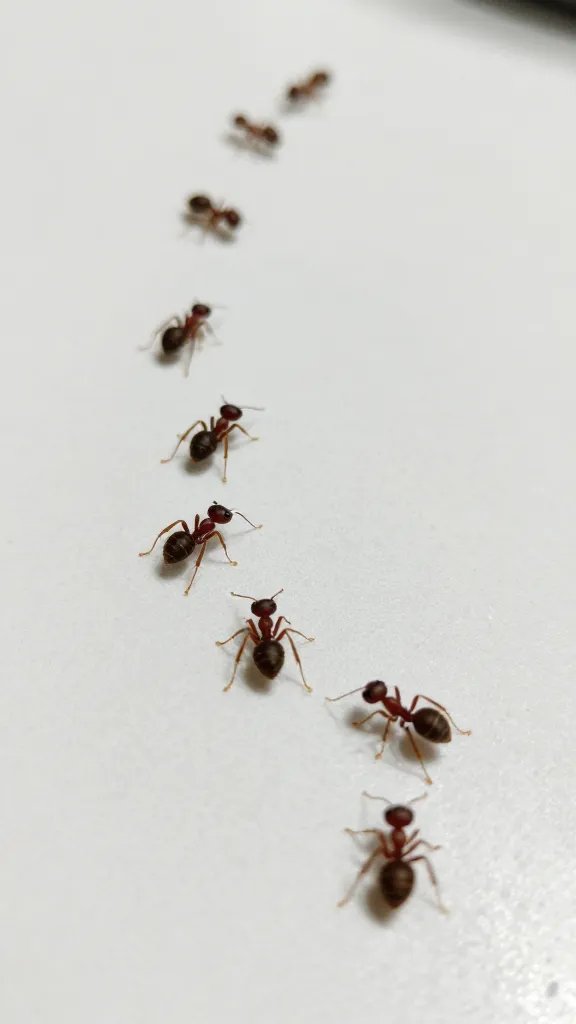
Uninvited guests arrive for three reasons: easy calories, steady moisture, and safe hideouts. Open honey, a compost pail, or pot saucers with standing water act like neon signs. Cluttered sink cabinets and dense potting soil provide cover.
I stop the welcome party by denying those three needs. I store sweet and oily foods in sealed containers, empty and wipe pet bowls at night, and keep counters dry. For plants, I remove catch trays with pooled water and prune dense, touching foliage that creates bug havens.
Action today: Do a five-minute sweep: seal sugar, wipe the counter where you prepped lunch, drain every plant saucer, and hang a hand towel to dry the sink rim.
Spotting the Culprits: Quick ID So You Don’t Use the Wrong Fix
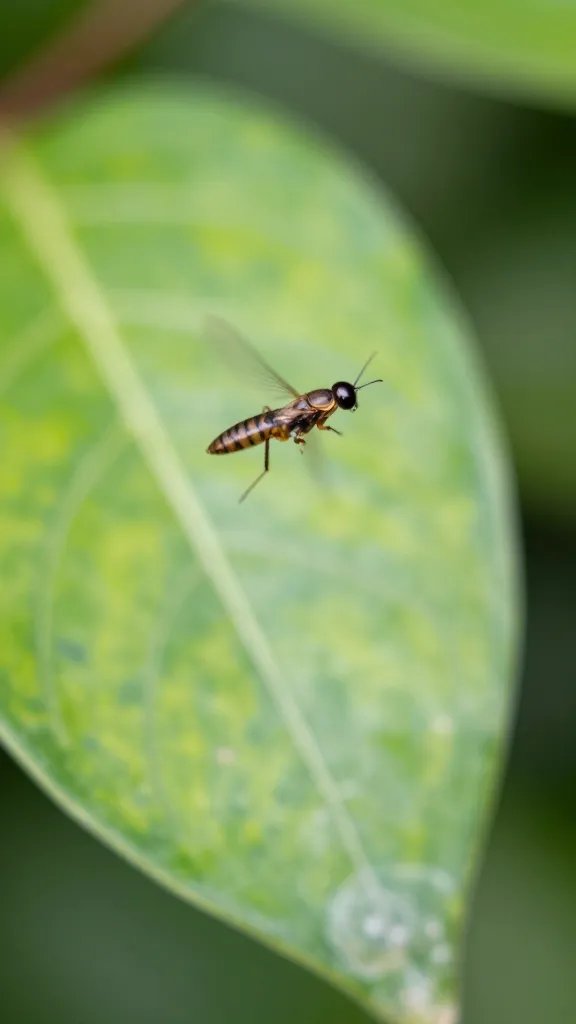
Correct identification saves time and plants. Ants form orderly trails, love sweets or grease, and appear from wall gaps or baseboards. Fungus gnats look like tiny black mosquitoes hovering over moist soil. Aphids cluster on new growth and excrete sticky honeydew. Mealybugs look like white cotton in leaf joints. Spider mites leave fine webbing and stippled leaves.
Warning Signs I Check
- Soil that stays wet for 4+ days = fungus gnat magnet.
- Sticky leaves or surfaces under a plant = aphids or scale.
- Fine webbing between leaves = spider mites.
- Ants “sniffing” the same path daily = a food source nearby or honeydew-farming on plants.
Action today: Take a flashlight and inspect the undersides of leaves and the top 2 cm of soil on any plant near your sink or sunny window.
No-Panic Kitchen Response: Clean, Contain, Then Treat
I use a simple order: remove food, remove water, remove shelter. I wipe surfaces with hot soapy water first, then use a 1:1 white vinegar and water spray to cut odor trails for ants. I empty trash and compost, rinse bins, and dry the sink and drain lip.
For plants, I isolate infested pots in the bathroom or balcony. I trim heavily infested leaves into a sealed bag. I replace sticky, scented cleaners with fragrance-free dish soap to avoid attracting more pests.
Step-by-Step Kitchen Reset (10 Minutes)
- Wipe counters, stove edge, and backsplash with hot soapy water.
- Spray vinegar solution along ant trails, baseboards, and entry points; wipe dry.
- Seal sugar, honey, cereal, and pet food in lidded containers.
- Take out trash and compost; rinse bins and dry.
- Run hot water for 10 seconds, then dry the sink, drain ring, and dish rack.
Action today: Mix a labeled spray bottle: 1 cup white vinegar + 1 cup water. Keep it under the sink for instant trail cleanup.
Ants: Break the Trail, Bait the Colony, Block the Entry
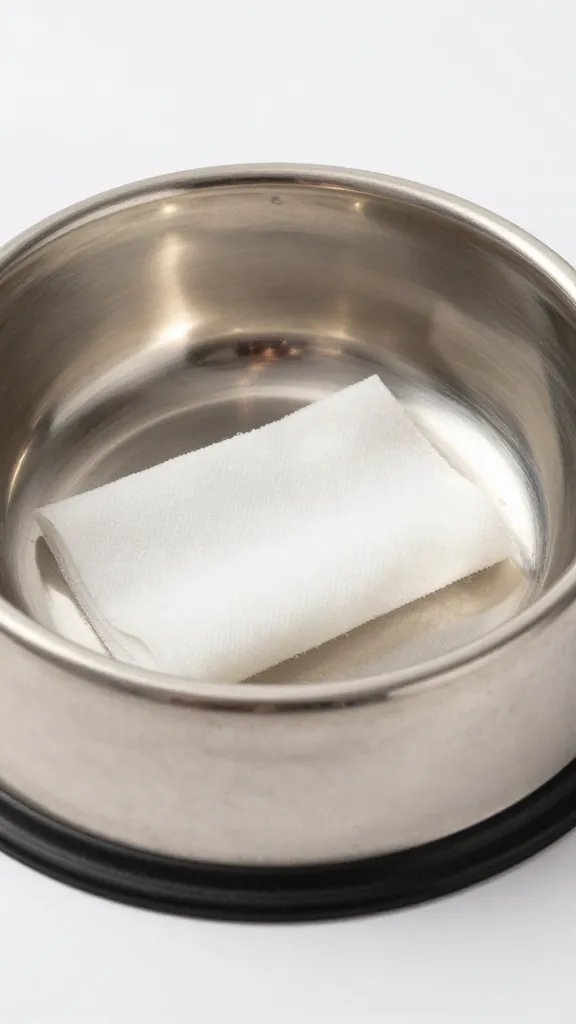
I never just squash the scouts. I erase their pheromone trail, then feed the colony a slow-acting bait. I use a borax-based ant bait station from the hardware store and place it directly on the trail, not beside it. I keep kids and pets away and leave the station undisturbed for 3–7 days.
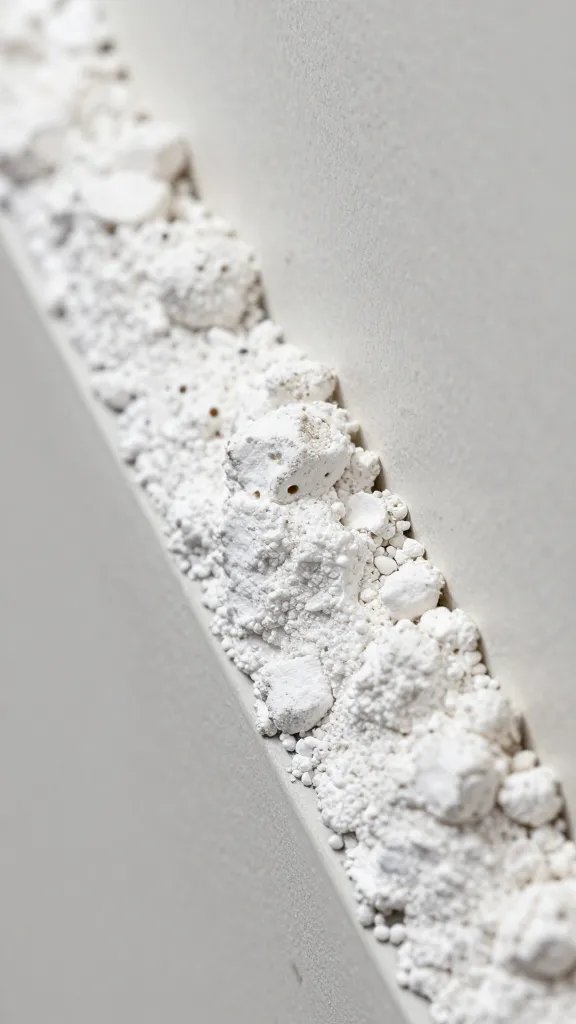
After baiting, I seal entry points with clear silicone caulk or painter’s caulk. I focus on baseboard cracks, gaps around pipes under the sink, and tiny wall seams near windows.
Placement Tips That Actually Work
- One station per 1–2 meters of active trail.
- Don’t clean the area around the bait for 24 hours.
- Refresh bait if it dries out or is emptied.
Action today: Follow one ant trail to its thinnest, most consistent line and place a single bait station right there. Wipe other trails but leave that one undisturbed.
Plant Pests: Soap, Oil, and Timing Beat Most Infestations
I stick to three safe tools from any garden centre: insecticidal soap, horticultural oil (neem or mineral), and yellow sticky traps. I spray in the evening to avoid leaf burn and repeat weekly for 3–4 weeks to catch new hatchlings.
Targeted Fixes by Pest
- Fungus gnats: Let the top 2–3 cm of soil dry. Lay yellow sticky traps at soil level. Water from the bottom once, then top with a 1 cm layer of coarse sand or small aquarium gravel to block egg-laying.
- Aphids and mealybugs: Dab visible clusters with a cotton swab dipped in 70% isopropyl alcohol. Then spray insecticidal soap under leaves and on stems until dripping. Rinse with plain water after 2–3 hours.
- Spider mites: Rinse the plant in the shower, leaves front and back. After dripping dry, apply horticultural oil thoroughly. Increase humidity around the plant and avoid hot, dry air.
Action today: Install one yellow sticky trap per infested pot and trim a single worst leaf cluster into a sealed bag to reduce the population immediately.
Watering and Soil Habits That Shut Down Repeat Offenders
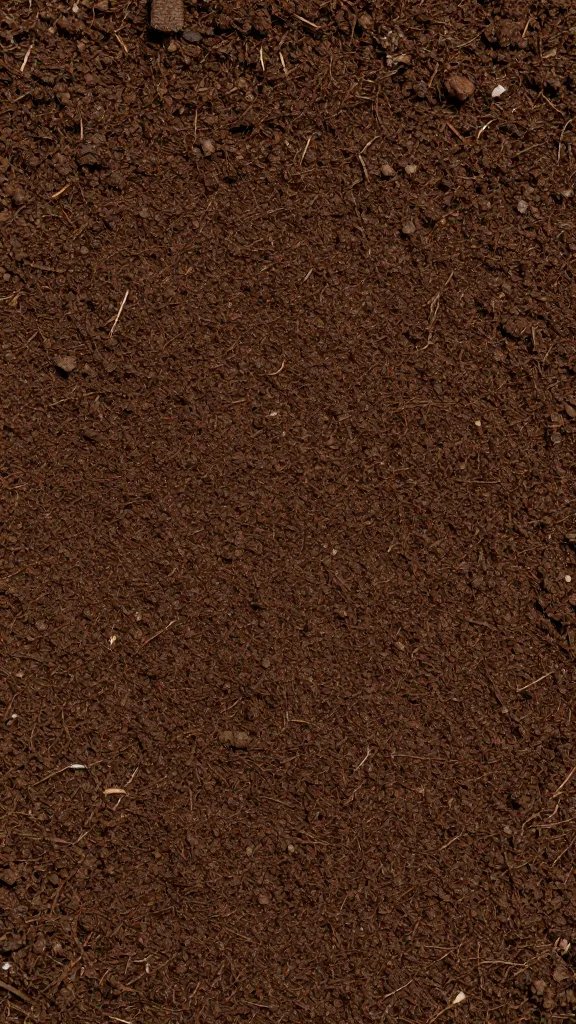
Overwatering feeds both fungus gnats and root-weakening pests. I water only when the top 2–3 cm of soil feels dry and the pot feels lighter. I empty saucers within 10 minutes. If a plant stays wet for a week, I repot into a good quality potting mix and add extra perlite for drainage.
For herbs and succulents, I choose pots with drainage holes, not decorative cachepots that trap water. I group plants with similar needs so I stop “courtesy watering” drought lovers when the tropicals need a drink.
Simple Soil and Pot Upgrades
- Use a bagged indoor potting mix; add a few handfuls of perlite for heavy plants.
- Choose a pot one size larger only when roots circle the bottom.
- Place a mesh or coffee filter over the drain hole to keep soil in but water flowing.
Action today: Stick your finger 2–3 cm into the soil of your thirstiest-looking plant; if it feels cool and damp, wait 48 hours to water.
Seal the Perimeter: Screens, Caulk, and Smart Storage
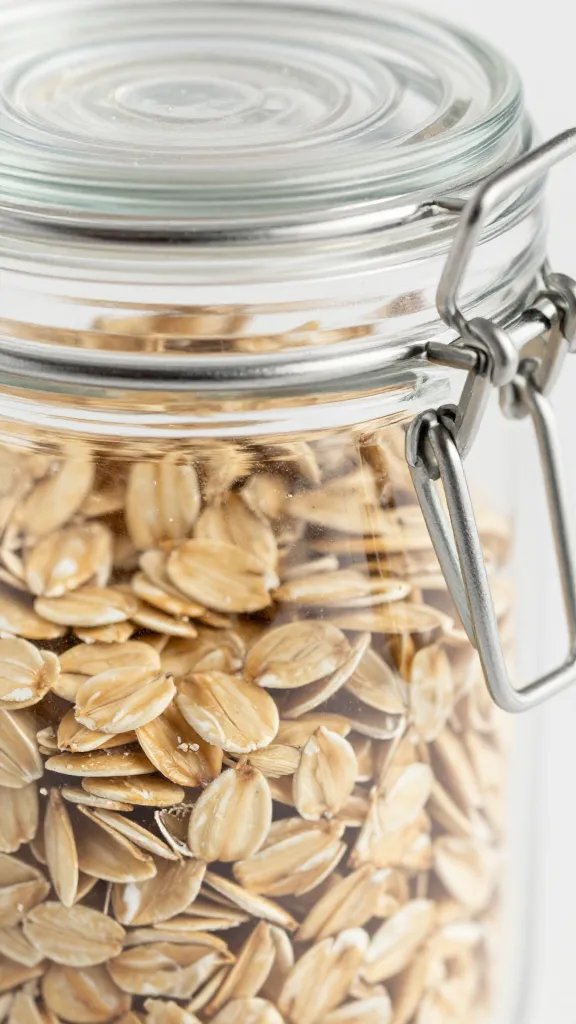
Once the interior is under control, I stop fresh recruits. I repair torn window screens, add door sweeps to exterior doors, and caulk pencil-thin gaps at trim and utility penetrations. I store birdseed, flour, and pet kibble in lidded plastic or glass bins.
For patios and balconies, I sweep fallen leaves and lift saucers after rain. I keep outdoor bins 1–2 meters from doors and rinse them monthly.
Material Recommendations
- Clear silicone or paintable acrylic caulk and a basic caulk gun.
- Adhesive-backed door sweep for the largest exterior door.
- Lidded storage bins for dry goods and pet food.
Action today: Stand outside at dusk and look for light leaking around your door bottom. If you see a line, add a door sweep this week.
Frequently Asked Questions
How do I get rid of ants without spraying chemicals everywhere?
Clean the trails with a vinegar-water spray to erase pheromones, then use a borax-based bait station placed right on an active trail. The workers carry it back to the colony, which solves the source. Seal entry points with caulk after activity drops. Keep sweets and pet food sealed so new scouts don’t return.
Are fungus gnats harmful to my plants or just annoying?
Adult gnats are annoying, but their larvae can stress seedlings and overwatered plants by feeding on fine roots. Let the top 2–3 cm of soil dry before each watering, and add a 1 cm layer of sand or small gravel on top. Use yellow sticky traps to catch adults and break the cycle. If soil stays wet too long, repot into a lighter mix.
Is neem oil safe to use indoors on houseplants?
Yes, when used as labeled. Apply in the evening, coat leaf tops and undersides, and protect surfaces with newspaper or a towel. Ventilate the room and avoid spraying near aquariums. Repeat weekly for 3–4 weeks to catch hatch cycles.
What if ants keep returning even after baiting?
You likely have a second food source or an unsealed entry. Walk the trail to find where it starts, place a fresh bait there, and avoid cleaning around it for 24 hours. Seal baseboard gaps and pipe penetrations with caulk, and store all sweets and pet food in lidded containers. Replace dried or emptied bait stations.
How do I clean plant leaves without spreading pests?
Use a soft cloth dampened with soapy water (a drop of dish soap in 500 ml water) and wipe from base to tip. Rinse the cloth often and switch cloths between plants. For heavy infestations, prune affected leaves into a sealed bag before wiping. Finish with a targeted spray of insecticidal soap on hidden spots.
Conclusion
You don’t need specialist gear to regain control—just a calm sequence: clean, contain, treat, and seal. Start with one trail, one plant, and one entry gap today. Once you see how quickly the kitchen quiets and leaves perk up, keep the momentum with a weekly five-minute sweep and a monthly perimeter check. Your home stays calmer, and your plants grow without sharing their pots with “uninvited guests.”
Leave a Reply