How to Achieve the “My Room, My Rules” Mentality for Your Backyard Oasis Tonight
· Yasmine Taljaard
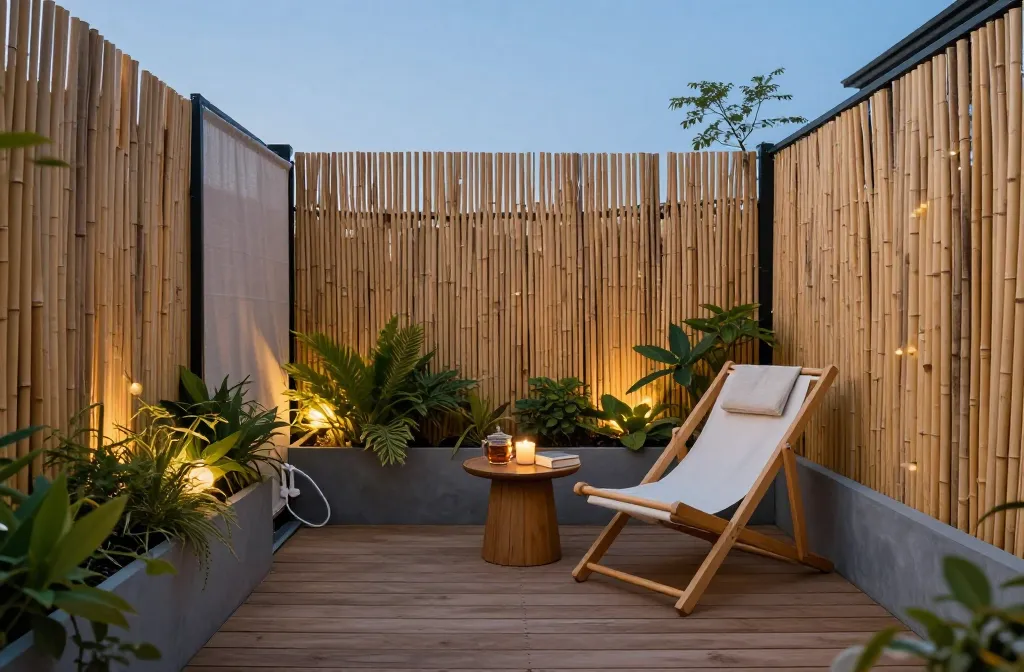
I used to treat my backyard like a shared hallway — nice to pass through, not a place that reflected me. Neighbours’ sightlines, random hand-me-down furniture, and a hose snaking everywhere made it feel borrowed. The day I decided “my room, my rules” outside, everything changed: I set boundaries, simplified care, and built a space I actually used every evening. In this guide, I’ll show you the exact steps to claim control, design with confidence, and keep maintenance low using only standard garden-centre supplies.
Define Your Non‑Negotiables Before You Buy a Single Plant

Indoors, you know the rules: shoes off, no clutter on the table. Outdoors needs the same clarity. I write three non‑negotiables on paper — for example: “Quiet reading zone,” “15‑minute weekly upkeep,” “No mosquitoes.”
That list becomes the filter for every decision. If a plant invites bees to a tight seating corner or a fountain adds noise you don’t want, it’s out. Your space serves you, not the catalogue.
Action today: Write three non‑negotiables on an index card and tape it to your back door — check it before any purchase this month.
Carve Privacy and Boundaries Using Simple, Fast Elements

You can’t relax if you feel watched. I create instant privacy with three basic tools from any hardware store: reed/fence panels, fabric, and vertical planters.
- Screen panels: Attach reed or bamboo fencing to existing chain link or a light timber frame. Height: 5–6 feet for seated privacy.
- Outdoor fabric: Hang UV-stable fabric or a shade sail from wall hooks and a post-in-a-planter to shield one sightline without darkening the whole yard.
- Living screens: Use tall containers with bamboo clumps (Fargesia), switchgrass (Panicum), or clumping fountain grass (Pennisetum alopecuroides) to soften edges.
Step-by-Step: One-Weekend Privacy Fix
- Measure your main sightline from the sitting spot to the neighbour’s window — usually 8–12 feet.
- Buy a 13–16 ft reed panel, zip ties, and two 8 ft garden stakes.
- Drive stakes 18 inches into soil or place in heavy planters with gravel for ballast.
- Zip-tie the panel to the stakes and any existing fence. Trim excess height to just above eye level when seated.
Takeaway: Choose one sightline and block it to seated eye height this weekend — privacy multiplies how often you’ll use the space.
Zone the Yard Like Rooms: One Use per Corner
Indecision kills small outdoor areas. I assign each “room” a single job: lounging, dining, potting, or kids’ play. One job per zone reduces clutter and tells you exactly what belongs there.
I mark zones on the ground with outdoor rug squares, pavers set on sand, or pea gravel edged with plastic lawn edging. Each zone gets one anchor piece: a bench, bistro table, or potting rack. After that, I add only what the anchor needs: two chairs, one side table, a small bin for cushions.
Action today: Lay a tape measure and outline a 6×8 ft rectangle with string for your main “room” — sit a chair in it and confirm the footprint before buying anything.
Choose Plants That Obey Your Rules, Not Theirs

Plants set the tone and the workload. I only select species that thrive in the exact light and watering I can offer, and that match my non‑negotiables (fragrance, pollinators, kid-safe, or low mess).
Plant Lists by Light and Purpose
- Sunny, low‑mess, chill vibe: Lavender (compact varieties), Rosemary ‘Arp’, Sedum ‘Autumn Joy’, Dwarf boxwood, Yucca filamentosa.
- Bright indirect/partial shade: Hosta (slug‑resistant types), Heuchera, Japanese forest grass (Hakonechloa), Ferns (Dryopteris), Fatsia japonica.
- Kids and pets in mind: Avoid oleander, foxglove, sago palm. Choose basil, thyme, calendula, marigold, catmint.
- Mosquito‑lite support: Use citronella‑scented geranium, lemon balm in pots, and remove standing water weekly. Add a small fan near seating for constant air movement.
Warning Signs You Picked High-Maintenance Plants
- Daily watering need in midsummer despite large pots.
- Constant leaf litter on seating areas.
- Powdery mildew after light evening watering.
Takeaway: Pick three plants from one light category above and buy them in pairs — repetition settles a space and simplifies care.
Use Containers and Materials That Simplify Watering
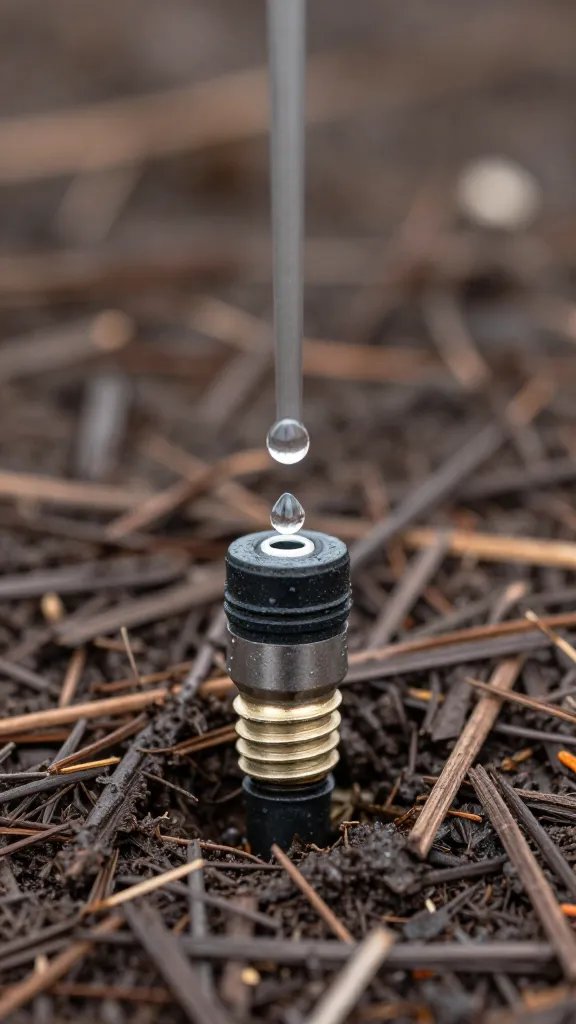
Your backyard oasis fails if you’re a hose hostage. I standardize container sizes and soil to make watering predictable and fast.
- Container size: Use 14–20 inch diameter pots for main plants; they hold moisture 2–3 days longer than small pots.
- Soil: Choose a good quality potting mix with bark and perlite. Mix in a small bag of water-holding crystals for sun-exposed containers if you’re away often.
- Water route: A basic drip kit from the garden centre with a battery timer ends guesswork. If you prefer no kit, use 2-litre watering cans and water in the morning only.
Step-by-Step: 15-Minute Water Routine
- Group containers by sun exposure so they dry at the same rate.
- Press a finger 2 inches into soil. If it feels dry to that depth, water until a small trickle exits the drainage hole.
- Repeat every 2–3 days in hot weather; weekly in spring and fall.
Takeaway: Upgrade two smallest pots to 16-inch containers this week — bigger volume means less watering and steadier plants.
Set Comfort Rules: Shade, Heat, Bugs, and Light
I design for my body first. Afternoon shade over seating, warm light at eye level, and fewer biting insects make the space truly “yours.”
- Shade: Install a 10×10 ft shade sail or a cantilever umbrella where the sun hits hardest from 2–5 pm. Angle it to block glare, not the whole sky.
- Heat: Dark paving stores heat. For hot climates, add an outdoor rug or light gravel underfoot in the seating zone.
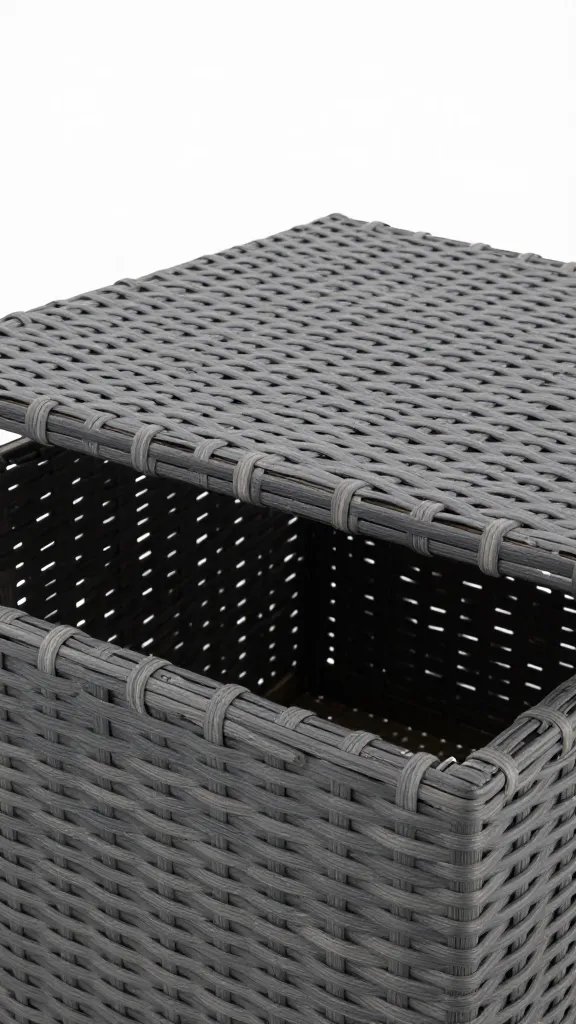
- Bugs: Empty saucers weekly, run a small outdoor fan on low near ankles in the evening, and use a lidded compost caddy.
- Light: String LED lights on a simple timer from dusk to 10 pm. Use warm white at chest height to avoid glare.
Takeaway: Add one outdoor timer today — automating lights or a fan extends your usable hours without any extra effort.
Create a No-Clutter Rule With Outdoor “Drawers”

Visual mess ruins calm. I give everything an outdoor “drawer” using lidded storage benches, waterproof deck boxes, and a single wall hook rail.
Cushions, candles, bug spray, and small tools live in one bench by the seating zone. Hoses wrap on a wall-mounted reel, not on the ground. If it doesn’t fit in these homes, it doesn’t stay outside.
Takeaway: Install one 48-inch hook rail or hose reel this weekend — getting the hose off the ground cleans the whole space instantly.
Build Seasonal Rituals That Keep Control Without Drudgery

Rules stick when they live on a calendar. I run four short rituals: Spring reset (prune and repot), Early summer tidy (stake tall plants), Late summer refresh (shear, feed, and mulch), and Autumn close (store fabrics, clean pots).
Simple Seasonal Checklist
- Spring (1 hour): Repot root-bound containers, top up with fresh potting mix, cut dead stems.
- Early Summer (30 minutes): Add stakes to grasses and tomatoes, check drip fittings.
- Late Summer (45 minutes): Lightly shear spent blooms, add a thin layer of compost, reset timers for shorter days.
- Autumn (1 hour): Wash cushions, coil lights into a labelled bin, move tender plants near the wall for warmth.
Takeaway: Put four 1-hour appointments on your phone for the next year — maintenance becomes automatic when scheduled.
Frequently Asked Questions

How do I know my yard gets “bright indirect” or full sun?
Stand in your main zone at noon and again at 3 pm. If you see clear, hard shadows for 6+ hours across the day, that’s full sun. Soft or broken shadows for 3–5 hours is partial sun/bright indirect. Use sun lovers only in full sun and stick to shade-tolerant picks otherwise.
What’s the simplest way to start if I have only a small balcony?
Create one 5×3 ft “room” with a rug, two chairs, and a small table. Add three 14–16 inch pots with one repeating plant type for cohesion. Hang a single reed screen panel to block the most exposed view. Put a lidded box under the table for candles and a hand sprayer.
How can I cut down on mosquitoes without chemicals?
Remove standing water weekly, including saucers and clogged gutters. Place a small oscillating fan near your legs during dusk — moving air makes it hard for mosquitoes to land. Grow lemon balm and citronella-scented geranium in pots by seating, and keep grass edges trimmed short.
Are shade sails safe to install without special tools?
Yes, if you use proper anchor points. Fix two corners to sturdy wall anchors and one to a steel post set in a heavy planter filled with gravel and a bag of ready-mix concrete or sand for ballast. Keep the fabric taut and angled to shed rain. Check tension every month in windy seasons.
What potting mix should I buy for low effort?
Choose a reputable, all-purpose potting mix with bark and perlite on the label. Avoid “garden soil” for containers, which compacts and drowns roots. For sunny spots, blend in a handful of water-holding crystals per pot to extend time between waterings by a day or two.
How do I stop the space from becoming a storage zone again?
Limit yourself to one deck box and one hook rail. If a new item doesn’t fit those homes, donate or discard something the same day. Do a 10-minute Friday reset: coil hose, clear table, and empty saucers so Saturday starts fresh.
Conclusion

Your backyard becomes an oasis the moment you set rules and back them with simple, repeatable actions. Start with one sightline to block, one room to define, and three plants that thrive in your light. When you control privacy, comfort, and clutter, you’ll actually use the space every week — and enjoy enforcing “my room, my rules” with zero apologies. Next step: measure and stake out your main 6×8 ft zone today, then shop with your non‑negotiables card in hand.
Leave a Reply