Wow Guests with the “Pinwheel” Fold: Adding Movement to Your Picnic Tablescape
· Yogi
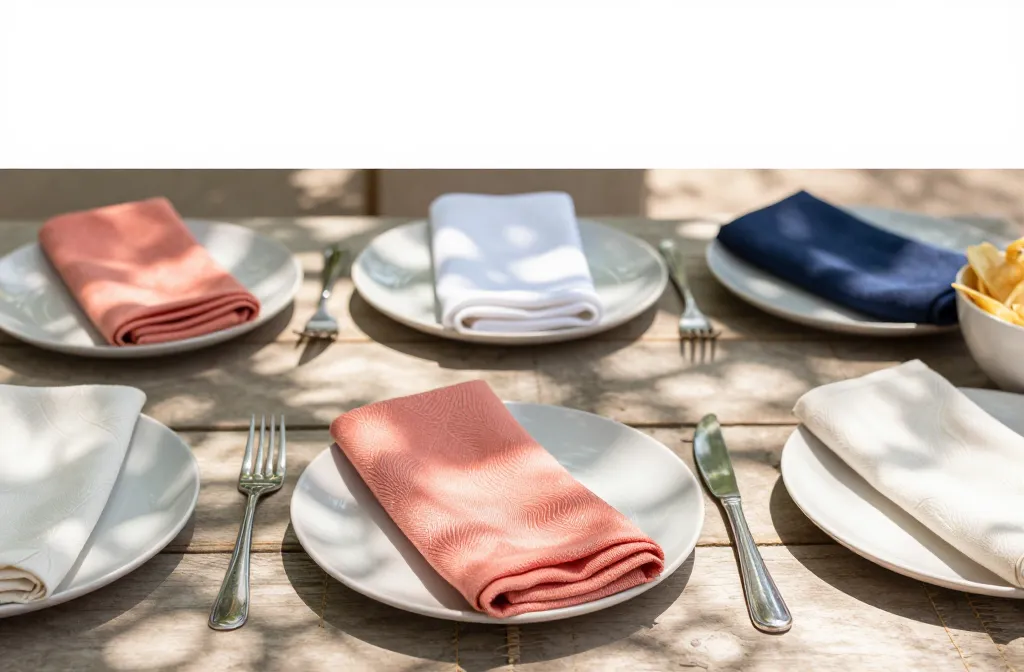
I started using the pinwheel fold after too many picnics looked like a pile of crumpled tea towels. The first time I set out bright pinwheels, friends reached for their seats faster than the food. Small movement cues make an outdoor table feel intentional, even if you’re serving chips from the bag. In this guide, I’ll show you the exact fold, how to keep it crisp outdoors, and how to pair colors and textures so the whole table looks finished.
What Makes the Pinwheel Fold Look Dynamic
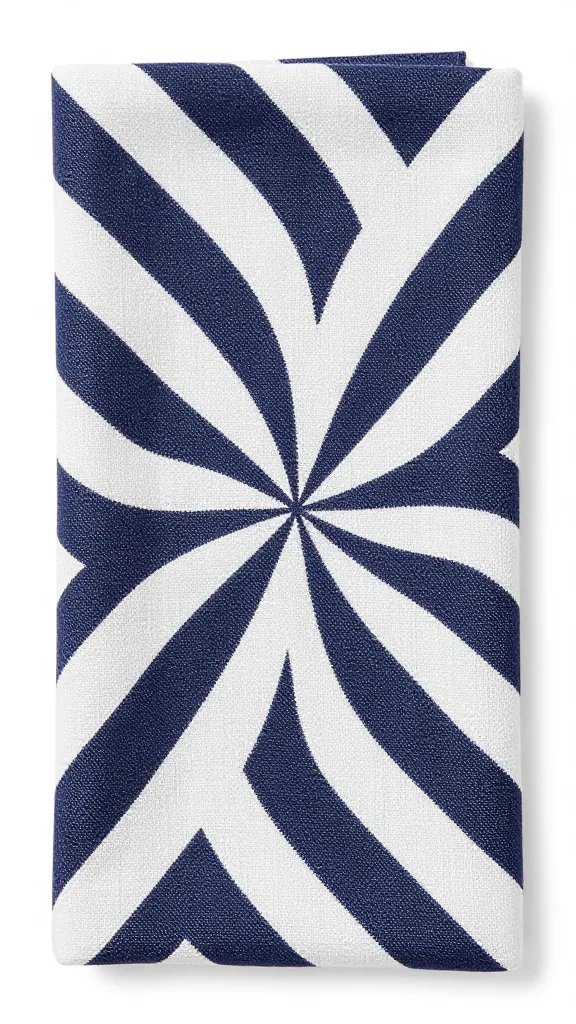
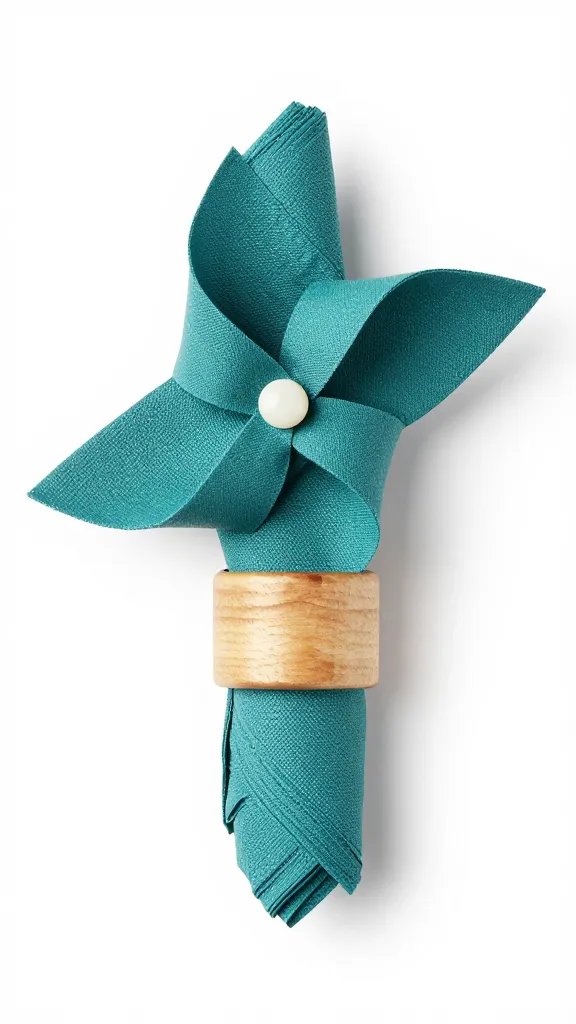
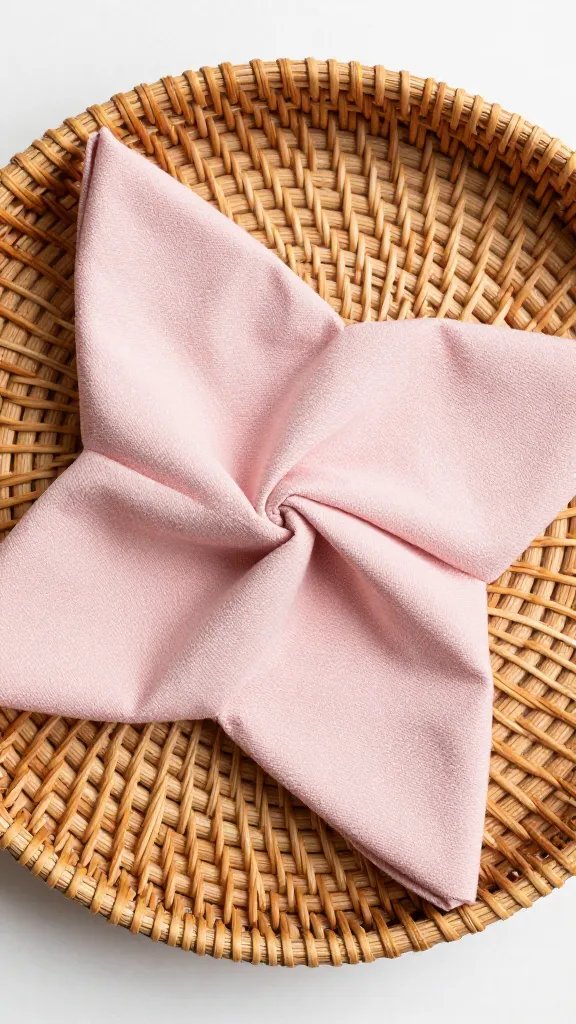
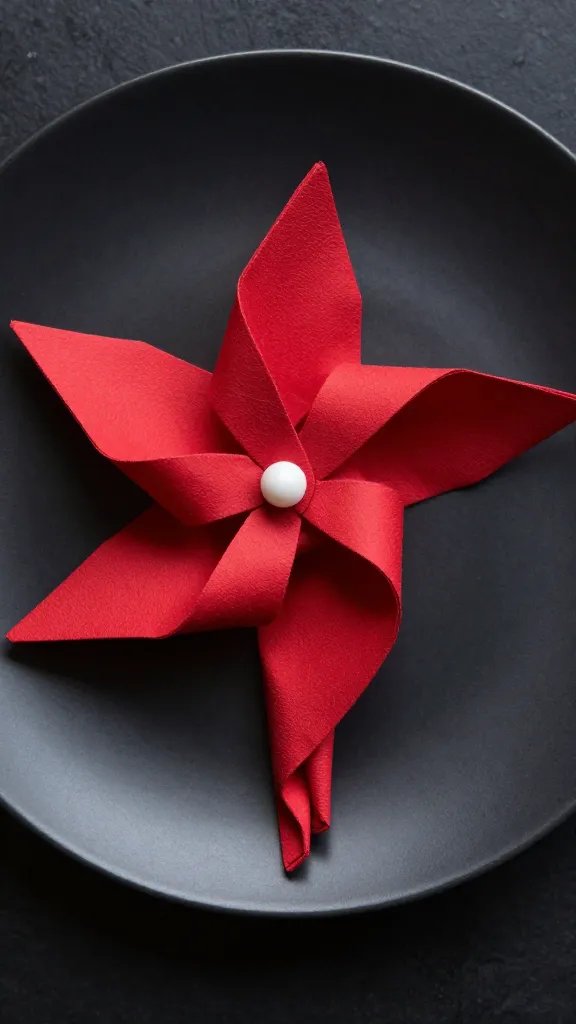
The pinwheel reads as motion because its arms radiate from a clear center. On a picnic table, that spiral breaks up straight lines from boards, platters, and benches.
The fold also creates small pockets of shadow and highlight. In bright indirect light under a tree or umbrella, those ridges catch the eye without needing fussy centerpieces.
Action today: Pull two contrasting napkins from your drawer and stack them — the pinwheel shows best when the layers create a subtle outline.
Materials That Hold Their Shape Outside
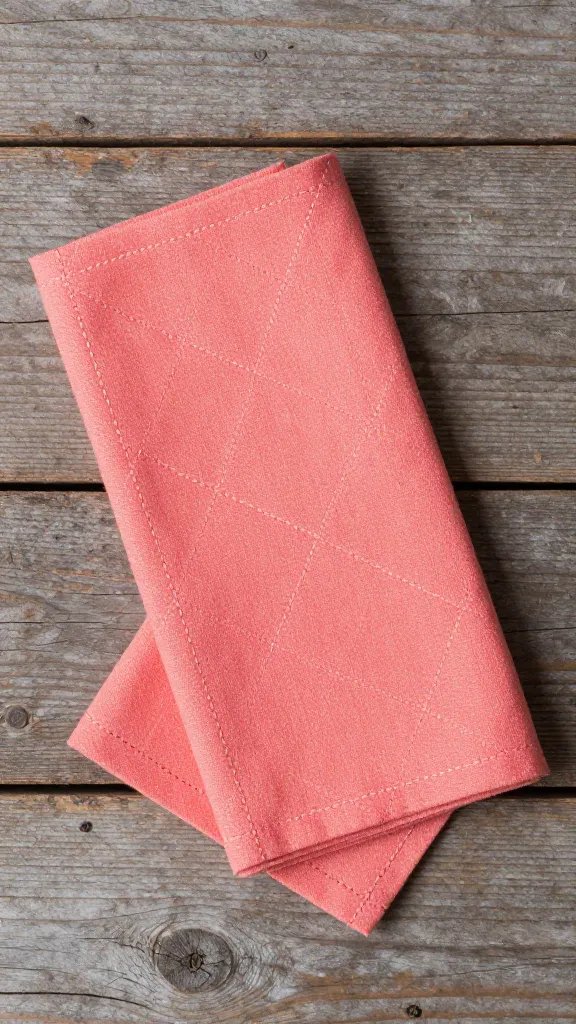
Use everyday cloth napkins or bandanas. Target sizes: 16–20 inches square. Smaller squares look tight and perky on side plates; larger ones work as charger-sized underlays.
Choose fabric with some “grip.” Cotton, cotton-linen blends, or polyester-cotton hold creases better than slippery satin. If your napkins feel floppy, mist lightly with water and iron on medium heat with steam. For windier days, spray a light coat of starch on both sides and iron once — the napkin will stay crisp for hours.
Action today: Test one napkin with starch and one without; fold both and gently shake — choose the finish that holds best for your setup.
Step-By-Step: The Classic Pinwheel Fold
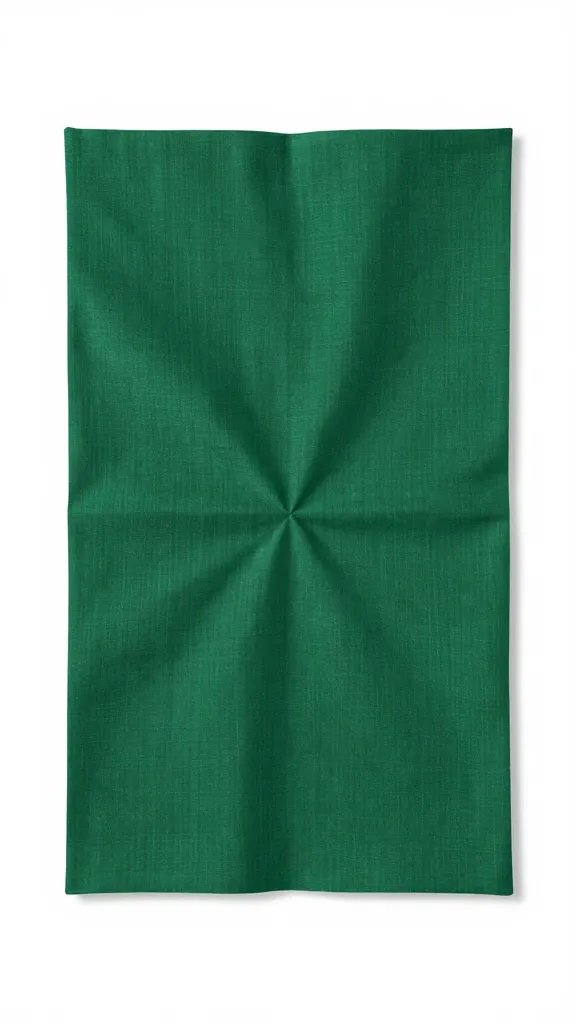
I fold these standing at the counter to keep edges square and creases sharp. Work with clean, flat fabric and clean hands.
- Lay the napkin flat like a diamond, one point facing you.
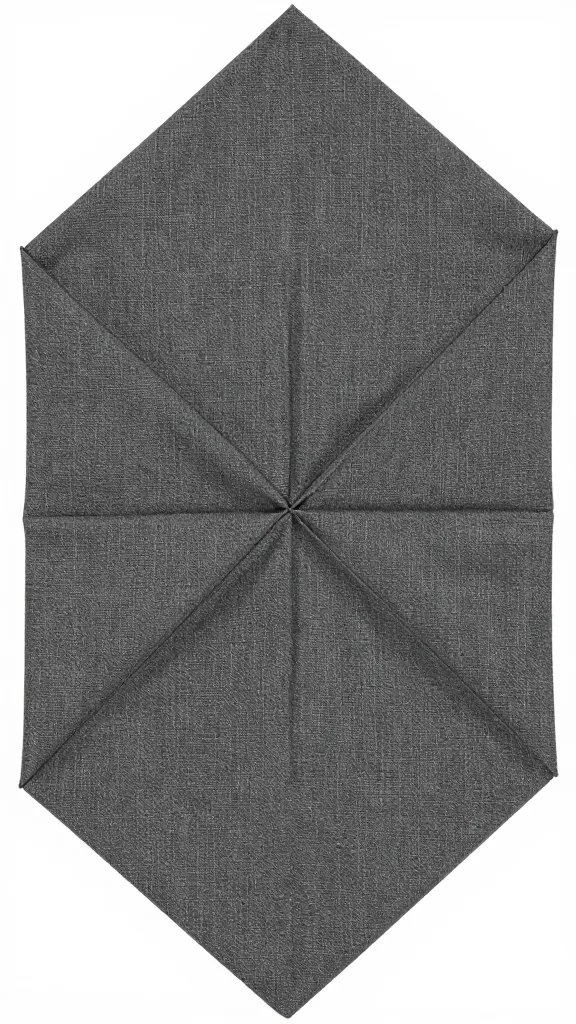
- Fold the bottom point to meet the top point, making a triangle. Smooth the crease.
- Bring the right corner of the triangle to the top point; crease. You now have a kite shape.
- Bring the left corner to the top point; crease. You’ve formed a tall diamond with layered flaps.
- Hold the center with one finger. Starting at the right side, roll the outer edge inward about 1 inch to form the first arm.
- Move clockwise, rolling the next side inward the same amount, keeping tension even.
- After four rolls, tuck the last edge under the first roll to lock the spiral. Adjust the “arms” so they’re even.
- Press the center with your palm for two seconds to set the shape.
Fixes When It Unravels
- Use a hidden safety pin on the underside at the center for windy patios.
- Slip a wooden clothespin on the back while transporting; remove at the table.
- If the fabric fights the roll, re-mist and iron, then cool for 2 minutes before folding.
Action today: Time yourself — you should hit a consistent 45–60 seconds per napkin after three tries.
Color Pairings That Read “Picnic,” Not “Wedding”
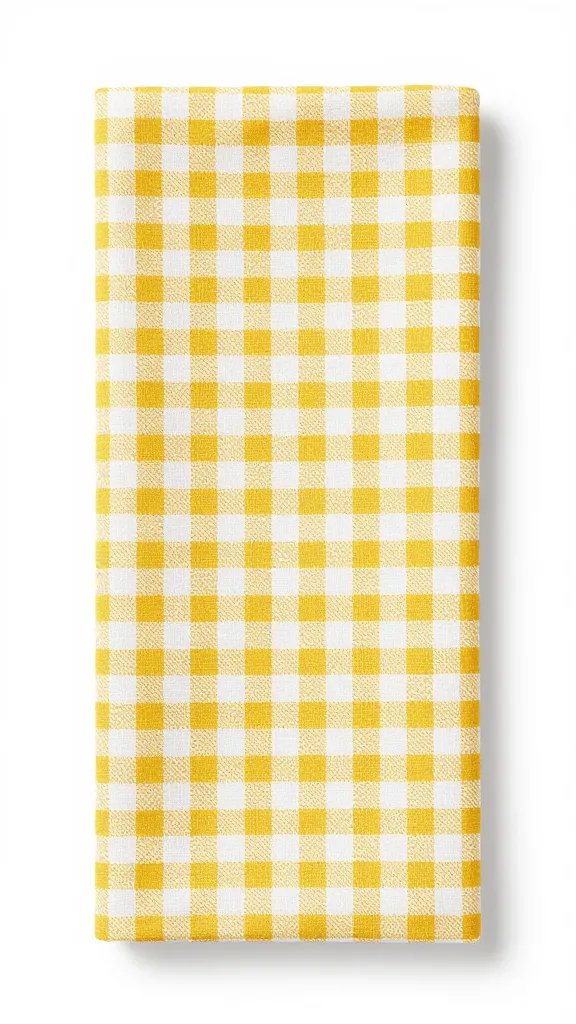
Outdoors, color shifts brighter. Patterns that look loud indoors balance well against grass, wood, and sunlight. Aim for one “quiet” and one “fun” element.
- Gingham + Solid: Red or navy gingham napkins with white plates, or flip it.
- Botanical + Neutral: Leaf print napkins with tan or oatmeal tablecloth.
- Two-Tone Stack: Place a 12-inch colored square on top of a 16-inch white one before folding for a two-ring pinwheel.
Limit the table to three main colors: base cloth, napkin, and one accent from food or flowers. That keeps the motion of the pinwheel from becoming visual noise.
Action today: Pull all candidate napkins and plates into daylight by a window; choose the trio that still looks good from six feet away.
Where to Place Pinwheels for Real Impact
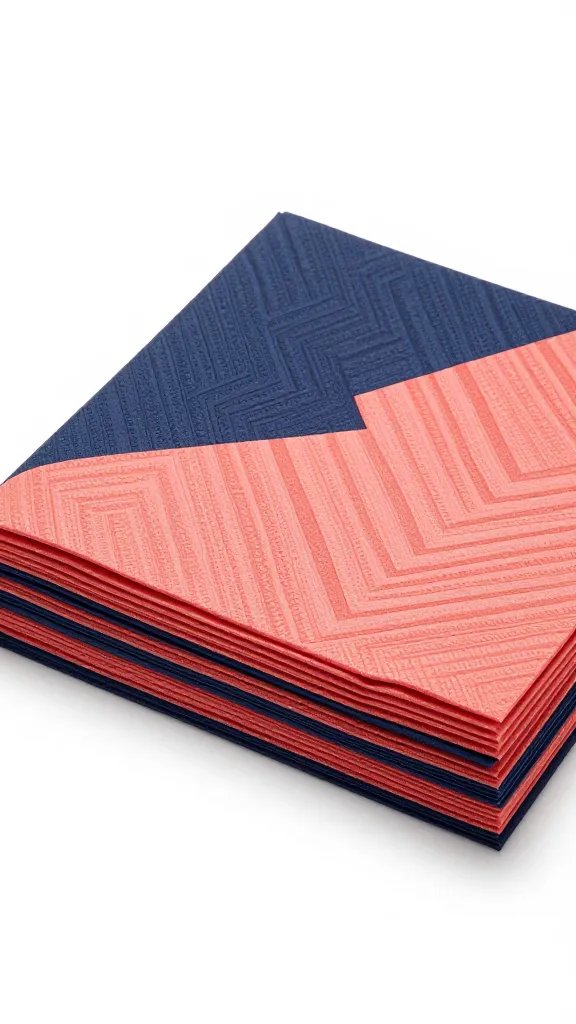
Use pinwheels as invitations to sit. Place one on each plate with an arm pointing toward the seat. The subtle “arrow” draws guests to their spots.
For buffet-style picnics, line a row of pinwheels down the table center like stepping stones, spacing 10–12 inches apart. They guide traffic without signage and hold utensils neatly underneath.
Action today: Set two test places on your table and snap a phone photo from standing height; adjust angles until the arms visibly fan in the same direction.
Wind, Spills, and Transport: Make It Picnic-Proof
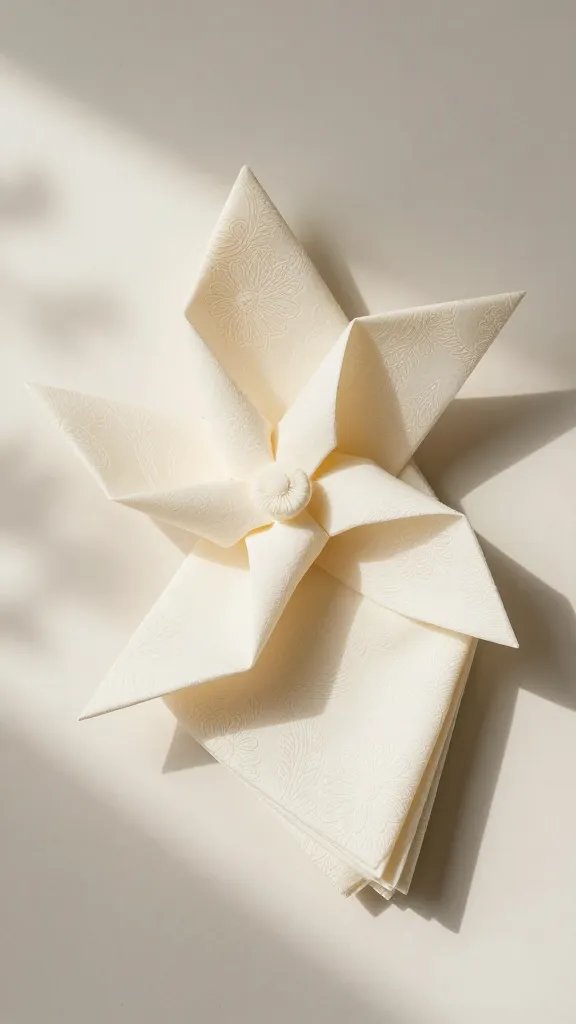
Wind first. Weigh each pinwheel with flatware crossed on top or a small river stone you rinse and dry beforehand. The weight disappears into the design and stops lift.
For spills, pre-treat with a stain-repellent spray the night before. If something splashes, dab club soda and blot with a white cloth on-site. Avoid rubbing, which lifts fibers and ruins the crisp edges.
Transport folded pinwheels in a shallow baking dish lined with parchment. Stack in one layer, lay another sheet of parchment, then another layer. Cover with a tea towel to prevent sliding in the car.
Action today: Pack one trial pinwheel and drive around the block; if it shifts, add parchment and a tea towel layer.
Variations: Simple Tweaks for Different Menus
The pinwheel adapts to what you serve. For messy barbecue or saucy pasta, make a deeper roll so the arms act like mini handles. For delicate tea sandwiches, roll looser and nest a sprig of rosemary or thyme in the center for scent.
Hosting with paper napkins? Choose a heavyweight 2‑ply. Work slowly and skip starch. Lock the final tuck with a tiny dot of removable double-sided tape on the underside.
Action today: Match your fold to the menu—tighter roll for finger food, looser roll for formal plates—and note what guests actually use.
Frequently Asked Questions
Can I make pinwheels the day before without them flattening?
Yes. Starch and iron the napkins the evening before, let them cool fully, then fold. Store them in a single layer in a baking dish with parchment between layers and a tea towel on top. Avoid stacking more than three layers to prevent compression. At the picnic, fluff the arms with two fingers in five seconds per napkin.
What size napkin works best for the pinwheel fold?
Use 16–18 inch squares for standard plates and 20 inches for oversized chargers or as centerpiece accents. Smaller than 16 inches looks cramped and won’t hold the roll well. If you only have large napkins, fold the square in by one inch on all sides before starting to reduce bulk. Keep edges aligned so the spiral stays even.
How do I stop the last tuck from popping open?
Increase the tension of your final roll by an extra quarter turn, then press the center with your palm for two seconds. If wind is a concern, add a tiny safety pin on the underside or a dot of removable double-sided tape where the last edge meets the first roll. Crossing flatware on top also anchors the tuck invisibly. Avoid thick hems at the tuck point; rotate the napkin so a thin edge finishes the spiral.
Do I need matching napkins for a cohesive look?
No. Aim for a shared color family or repeated motif. For example, mix different blue patterns—stripes, florals, checks—but keep the plate and tablecloth neutral. The consistent pinwheel shape unifies the table even with varied prints. Keep to three dominant colors so the motion reads clean.
Will the pinwheel work with paper napkins at a big picnic?
Yes, if you pick heavy 2‑ply or “guest towel” weight. Work with a light touch to avoid tearing, and secure the final tuck with a tiny piece of removable double-sided tape underneath. Transport them in a flat box lid and avoid stacking more than two layers. Weigh them on the table with flatware or a small stone.
Conclusion
You can change the feel of any picnic table in ten minutes with a confident, repeatable fold and a smart color trio. Practice three pinwheels today, photograph them in daylight, and set a two-place mock table. When that looks balanced from standing height, you’re ready to scale the same decisions to a full picnic without second-guessing a single detail.
Leave a Reply