Vibrant Picnics: Why the “All-White Everything” Era Is Officially Over in Picnic Decor
· Yasmine Taljaard
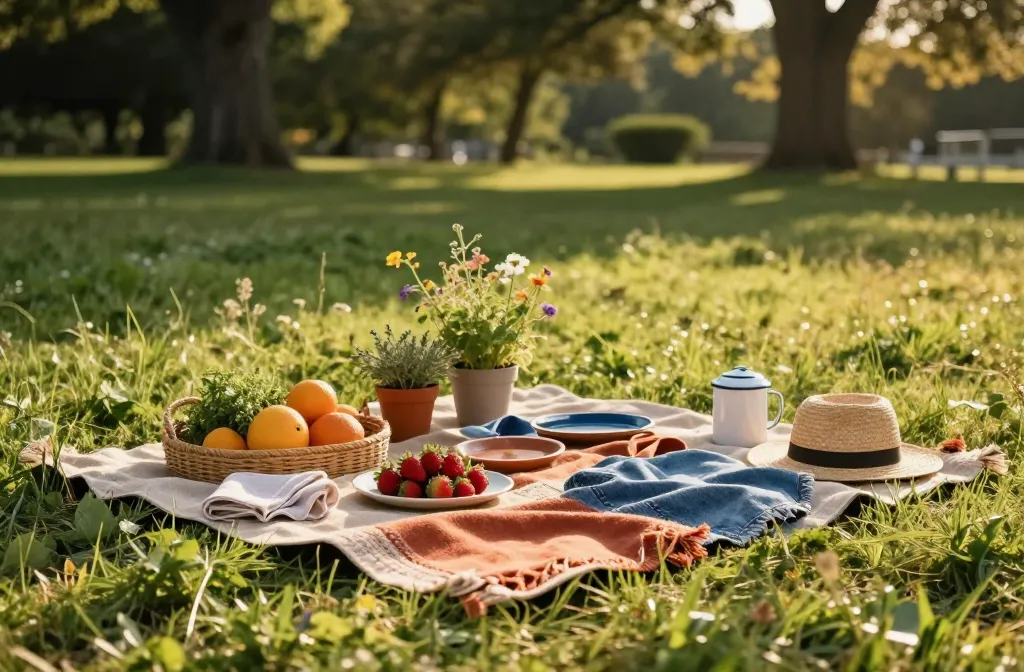
I used to haul a white blanket, white enamel plates, and a white bouquet to every picnic, convinced it looked “clean.” It looked great for ten minutes, then the grass stains, berry smudges, and sun glare made the whole setup feel flat and fussy. When I started adding color, texture, and real plants, friends stayed longer and cleanup got easier. In this guide, I’ll show you exactly how to upgrade from all-white to a practical, vibrant picnic style that survives grass, wind, and spills — with supplies from a standard garden centre or hardware store.
Why All-White Picnics Fail Outside

White reflects harsh midday light and photographs blown-out. Grass stains, dirt, and berry juice show instantly, so hosts hover with stain wipes instead of relaxing. A monochrome palette also flattens the scene — no visual anchors, no depth, and nothing that signals the food or plants you worked hard to bring.
Color and natural materials add contrast, hide wear, and point the eye to what matters: fresh herbs, seasonal fruit, and simple food. That mix looks better at noon and still looks pulled-together at sunset.
Action today: Retire the white base blanket and swap in a mid-tone woven throw in olive, rust, denim, or terracotta to cut glare and disguise stains.
Build a Durable Base: Layers That Beat Stains and Wind
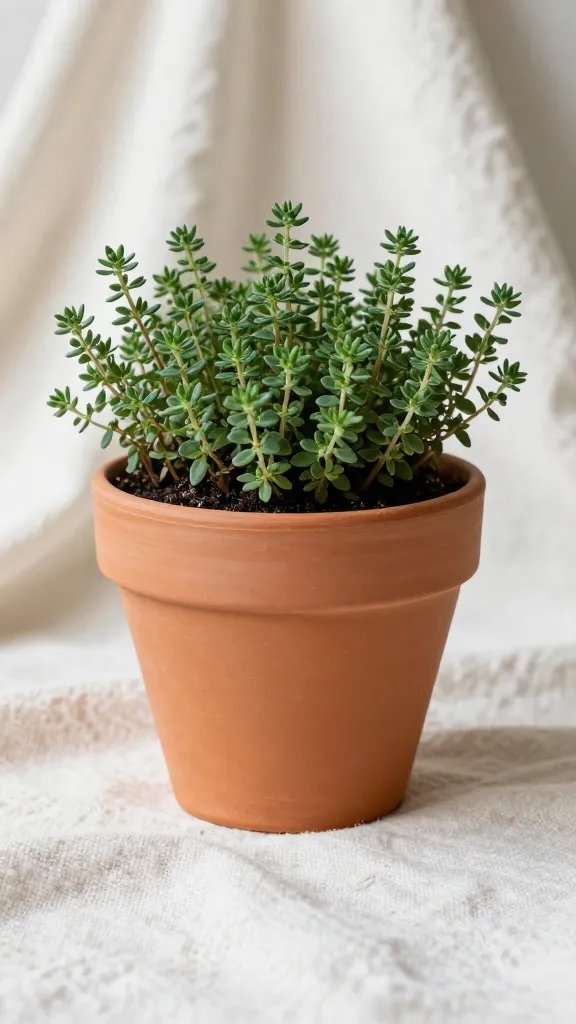
I start with a waterproof layer, then a textured cloth that grips plates. White cotton slides and stains; a darker weave stays put and forgives spills.
- Bottom layer: A folded tarp, picnic mat with waterproof backing, or a vinyl tablecloth from the hardware store. Size to extend 10–15 cm beyond your top layer on all sides.
- Top layer: A washable woven throw or cotton rug in mid-to-dark tones. Look for a tight weave so chair legs and stems don’t snag.
- Anchors: Four tent stakes or landscape staples at the corners through the bottom layer so wind doesn’t flip your setup.
Action today: Test your current blanket: pour a tablespoon of water on it. If it soaks through in seconds, add a waterproof underlay before your next picnic.
Use Color With Intent: A Simple, Fail-Proof Palette
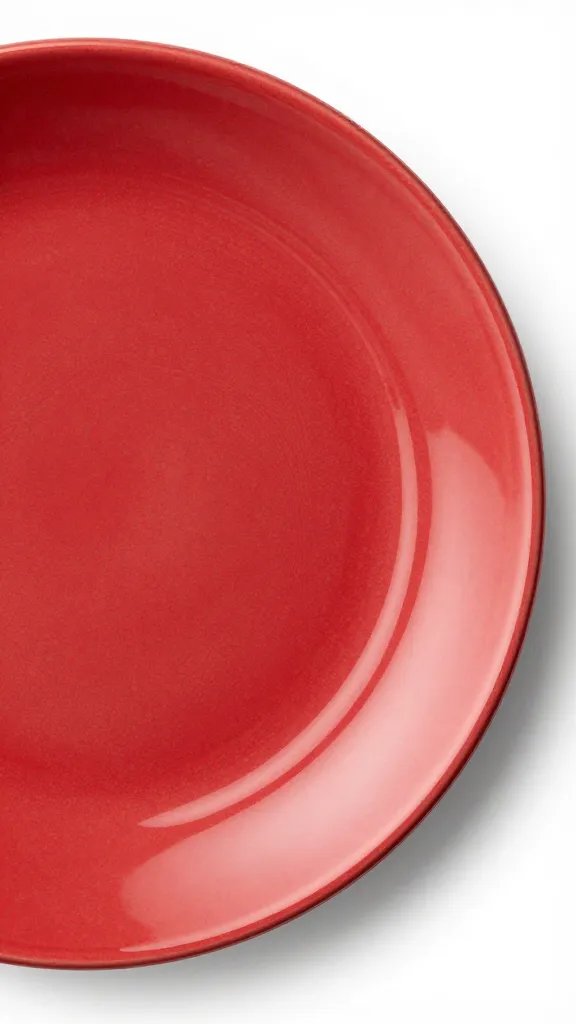
I pick one earthy base, one lively accent, and one natural neutral. This keeps the look cohesive without forcing a theme. Earth tones ground the scene; a single accent color carries across napkins, fruit, and flowers.
- Base: Olive, clay, denim, or charcoal for blankets and baskets.
- Accent: Marigold, coral, cobalt, or sage for napkins, ribbons, and one serving bowl.
- Neutral: Unfinished wood, rattan, or galvanized metal instead of white plastic.
Repeat each color at least three times in small hits: one napkin stack, a fruit choice, a vase ribbon. That repetition reads intentional without feeling matchy.
Action today: Choose one accent you already own — a cobalt bowl or coral napkins — and echo it with matching fruit (blueberries, oranges) and a single ribbon around your bouquet.
Bring Living Green: Hardy Plants That Travel Well
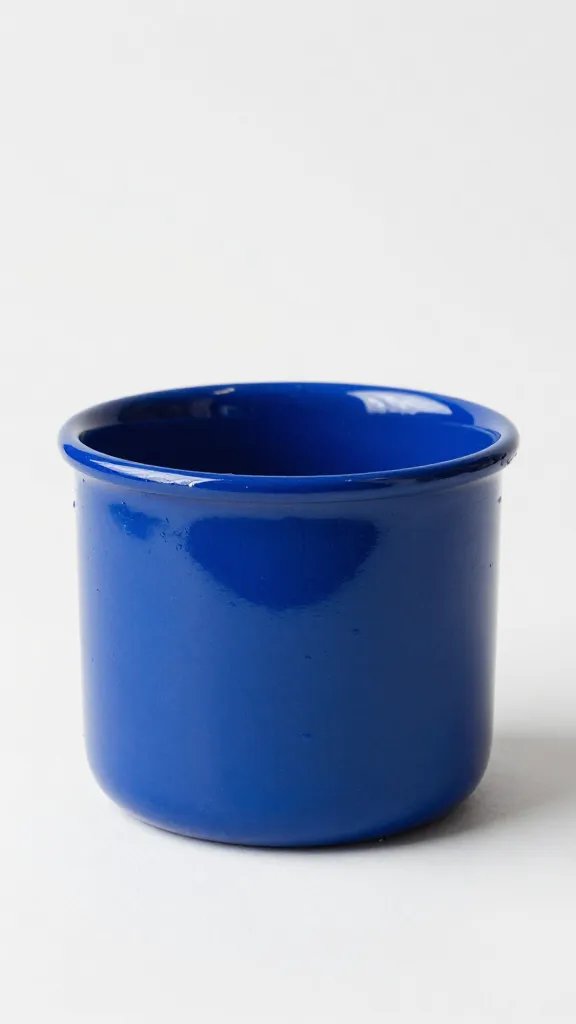
Cut flowers in white look sterile and bruise fast outdoors. I pack hardy potted herbs or small flowering plants that hold up to heat and give you something to eat or replant after.
Plant List: Tough, Picnic-Proof Choices
- Herbs: Rosemary, thyme, mint, and oregano in 10–15 cm nursery pots. They stay upright in a breeze and scent the table.
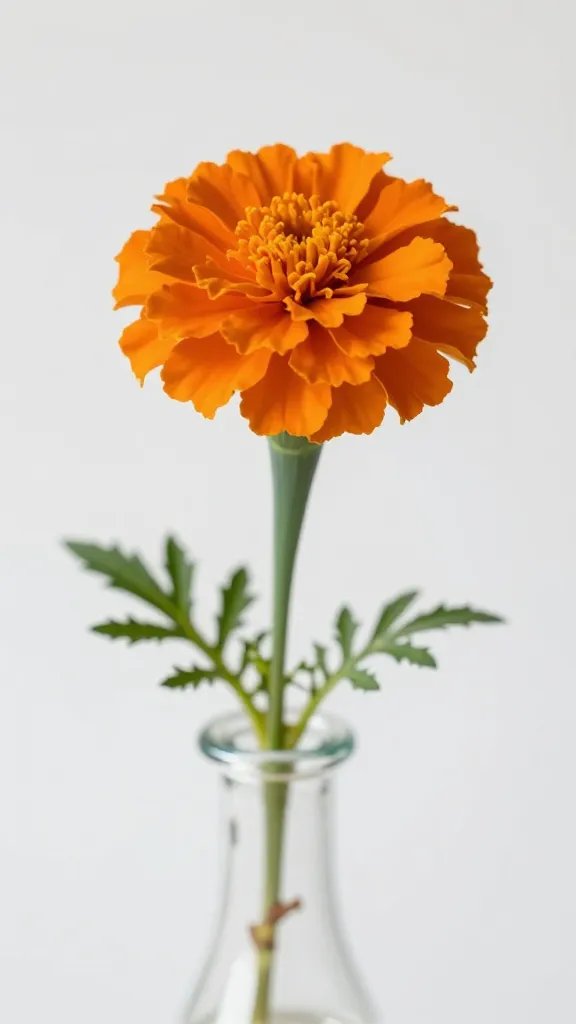
- Compact bloomers: Marigolds, zinnias, or dwarf cosmos for color pops that don’t shed petals like roses.
- Foliage: Pothos or snake plant cuttings in water jars for zero-mess greenery.
Slip each pot into a plain terracotta cover pot or a tin from your pantry. Add a coffee filter under the pot to catch drips and soil.
Action today: Pick up one rosemary and one marigold from the garden centre and drop them into spare tins; add a ribbon in your accent color around each.
Upgrade Serveware: Stain-Resistant, Not Precious
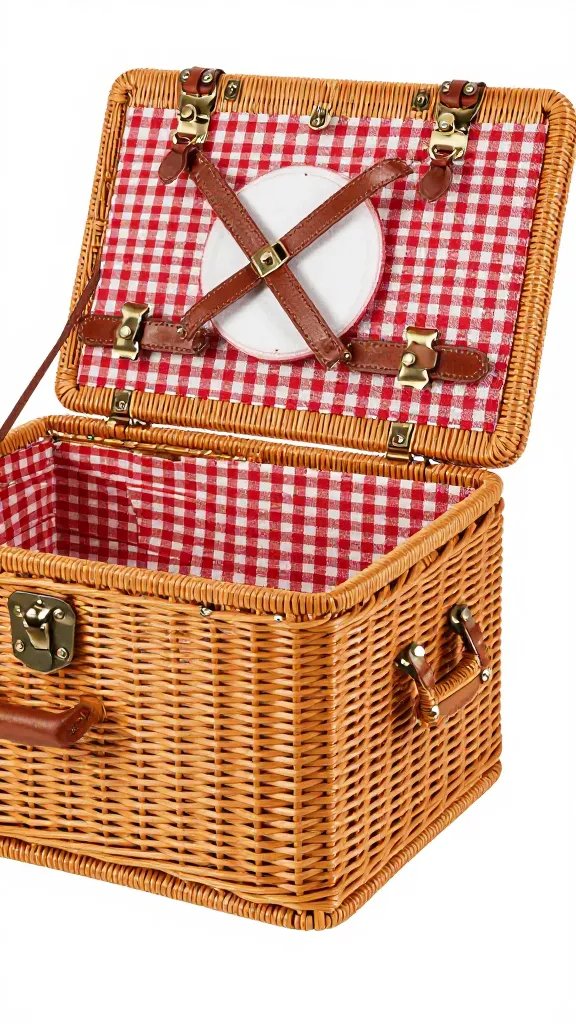
White cloth napkins and enamel chip fast under knives. I use materials that hide wear and clean with a quick rinse.
- Plates: Bamboo composite or melamine in speckled or stone-look finishes. They shrug off stains and won’t shatter.
- Cups: Clear acrylic tumblers or enamel mugs in color. Avoid opaque white — lipstick and tea stains cling.
- Boards: Oiled wooden cutting boards double as trays. Wipe with a half lemon and salt at home to refresh.
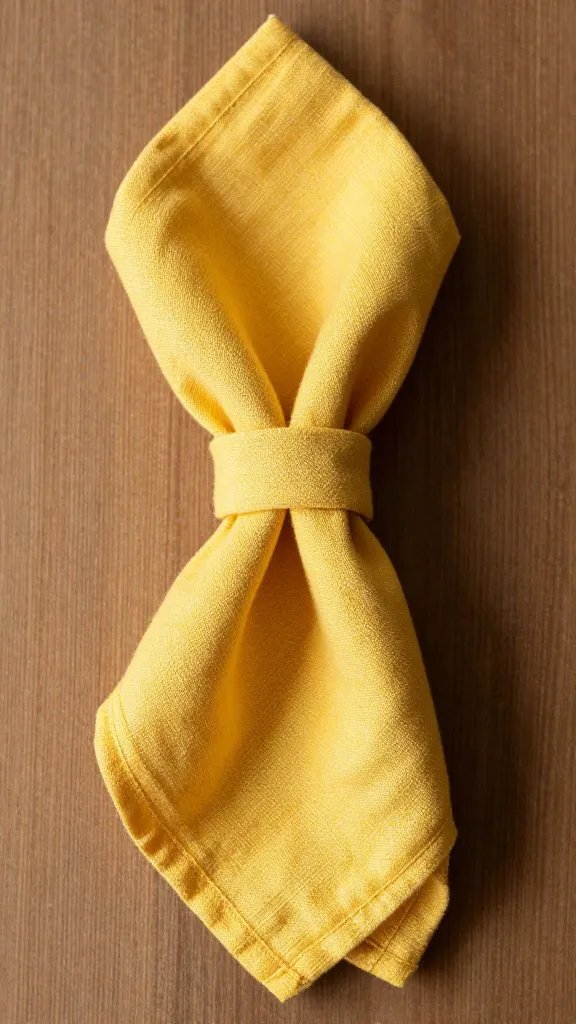
- Napkins: Dark linen or cotton blend. Roll with twine and a sprig of thyme for scent and structure.
Action today: Swap white napkins for a set of dark cotton kitchen towels — they cost less and perform better outside.
Style the Tabletop: Texture, Height, and Natural Light
An all-white spread sits at one flat level. I add height in safe, low-tech ways so everything looks generous and accessible.
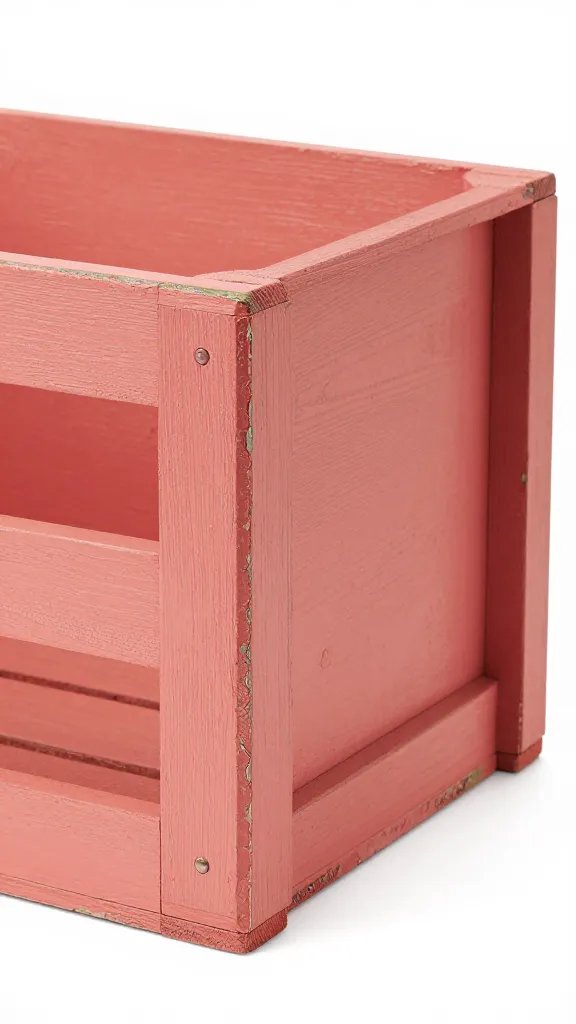
- Flip a sturdy crate or upside-down mixing bowl under the cloth to create a hidden riser for one platter.
- Corral small items (salt, olives, herbs) on a tray to reduce visual clutter.
- Use citrus and fruit as decor — limes in a metal bowl echo green tones and invite snacking.
Skip white candles that disappear at dusk. Use two small lanterns or battery tea lights in amber glass for warm tone and bug-friendly light.
Action today: Pack one low crate as a riser and dedicate a tray to all condiments; your layout will look composed in minutes.
Plan for Mess: Smart Spill Strategy That Still Looks Good
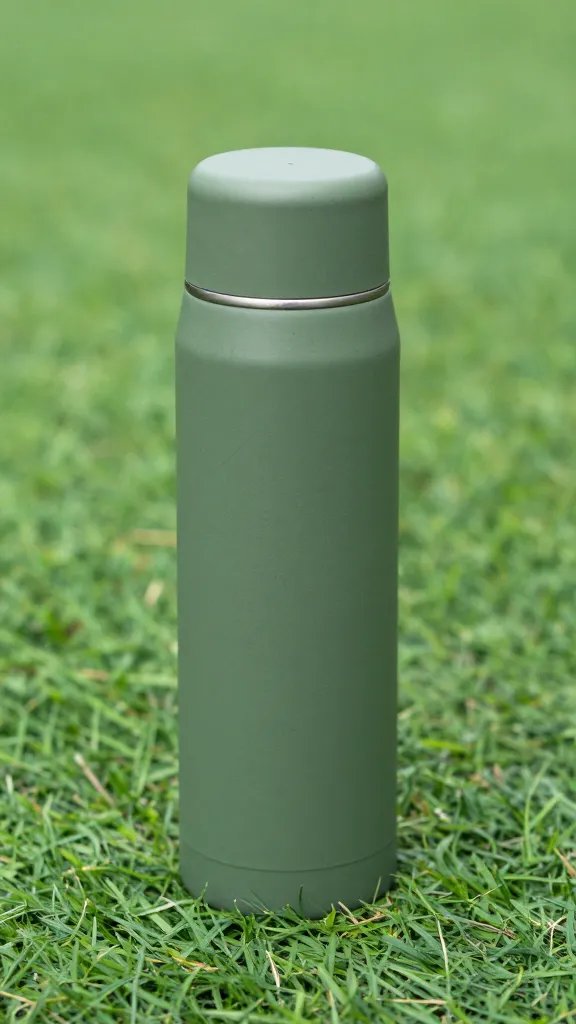
All-white shows every mistake. I build in cleanup pieces that match the palette so they don’t scream “accident.”
- Stain kit: Club soda in a small bottle, a travel brush, and a dark microfiber cloth.
- Trash and recycling: Two paper bags nested in a rattan basket. Line with a spare grocery bag.
- Berry and beet control: Serve red foods in darker bowls and keep a spare plate for “messy” service.
Action today: Add a dark microfiber cloth and a small bottle of club soda to your picnic bag — blot stains immediately and they vanish before they set.
Seasonal Color Swaps That Beat White Every Time
I rotate colors with the season using what’s in shops now. This keeps costs down and keeps the look fresh.
- Spring: Sage base, marigold accent, tulips or pansies, peas and strawberries.
- Summer: Terracotta base, cobalt accent, zinnias and basil, tomatoes and blueberries.
- Autumn: Rust base, forest green accent, mums and rosemary, pears and figs.
Repeat the accent in napkins, ribbon, and one serving piece. Everything else stays neutral and natural.
Action today: Choose one seasonal trio (base, accent, plant) and stick to it for your next picnic — decisions get faster and shopping gets cheaper.
Frequently Asked Questions
How do I keep my picnic blanket from staining without using white?
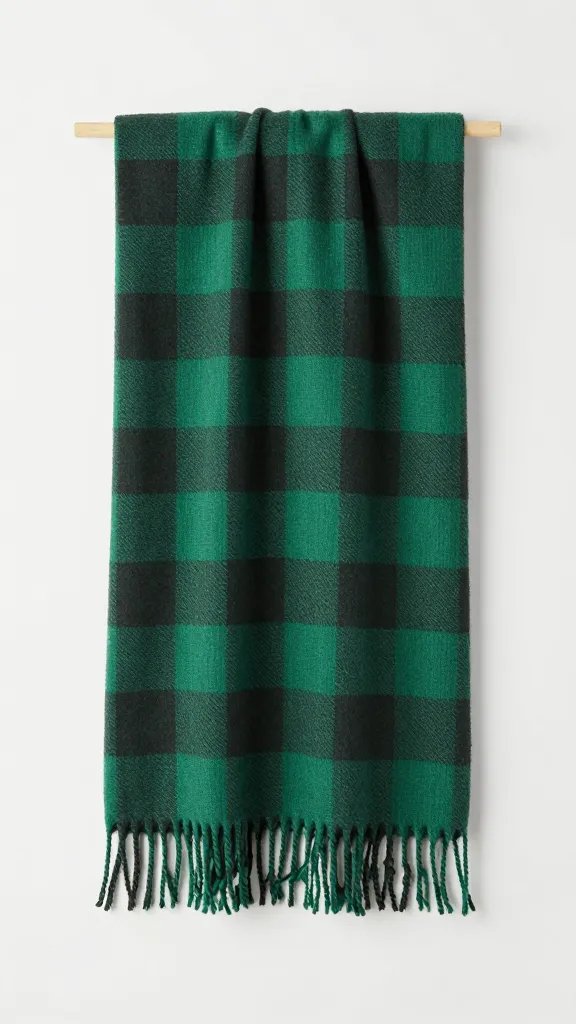
Use a two-layer system: waterproof base plus a mid-to-dark woven top layer. Pack club soda and a dark microfiber cloth to lift fresh stains on the spot. Choose patterns or heathered fabrics that visually hide marks better than solids.
What plants travel best and won’t make a mess?
Small potted herbs like rosemary, thyme, and mint handle bumps and sun better than delicate bouquets. Tuck each nursery pot into a cover pot or tin and place a coffee filter underneath to catch drips. For zero soil, bring cuttings in water jars like pothos or philodendron.
How many colors should I use so it doesn’t look chaotic?
Use three: one earthy base, one accent, and one natural neutral. Repeat the accent exactly three times — napkins, ribbon, and a fruit or bowl — to look intentional. Keep everything else wood, rattan, galvanized metal, or clear glass.
What can I replace my white plates and napkins with on a budget?
Buy a small set of melamine or bamboo composite plates in a speckled or stone-look finish from a home store. Swap white napkins for dark cotton kitchen towels — they’re cheaper, tougher, and wash clean. Keep one white serving piece only if it contrasts with your darker base layer.
How do I style food so it stands out without a white backdrop?
Use contrast: place light foods (cheese, bread) on darker boards and dark foods (berries, olives) in mid-tone or patterned bowls. Elevate one platter on a hidden riser to create a focal point. Add fresh herb sprigs for color and scent, and repeat your accent in fruit.
What lighting works better than white candles at dusk?
Use battery tea lights in amber or smoked glass holders or two small lanterns with warm LEDs. They add color and a cozy tone that white candles often lack outdoors. Pack spare batteries and keep lights low to the ground to avoid glare.
Conclusion
The “all-white everything” look collapses the moment real life touches it — grass, sun, berries, and wind. When you switch to a color-forward, layered setup with hardy plants and stain-smart materials, you host with less fuss and more charm. Pick your three-color palette tonight, swap in a waterproof underlay, and grab one potted herb on your next garden centre run — you’ll never go back to white-on-white again.
Leave a Reply