How to Style a “Poet Aesthetic” Picnic for Journaling and Reflection That Feels Effortless
· Yasmine Taljaard
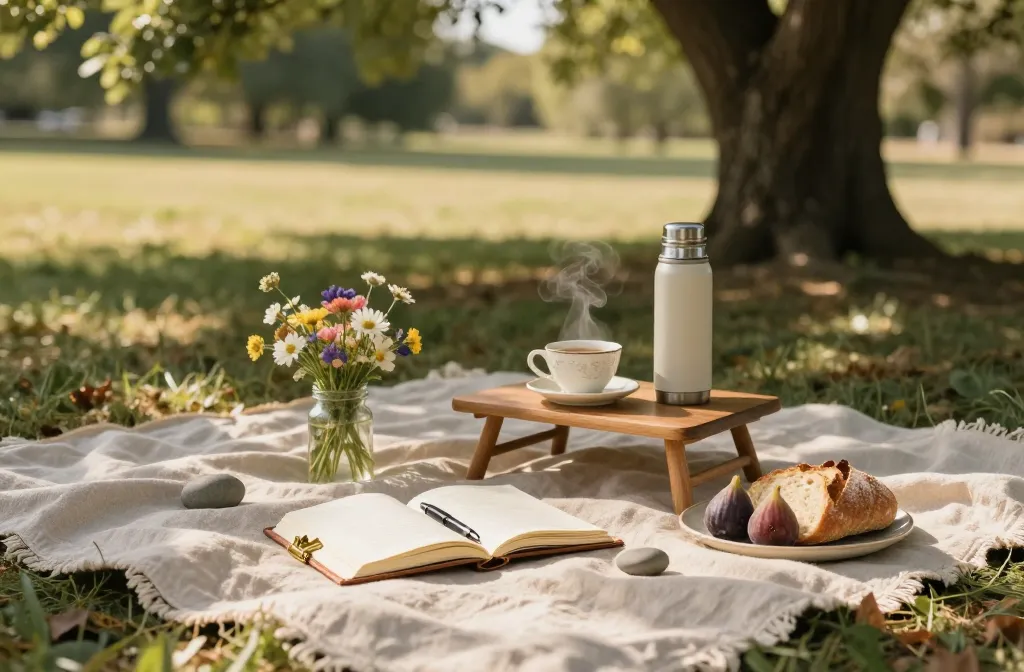
I learned to plan reflective picnics after too many cramped attempts on scratchy grass with a runaway pen and a lukewarm thermos. The magic arrived when I treated the picnic like a tiny outdoor room: layered textures, stable writing surfaces, and a soundtrack of wind and leaves. In this guide, I’ll show you exactly how to style a poet-aesthetic picnic that helps you slow down, write more freely, and actually enjoy the outdoors. You’ll leave with a checklist you can pack in five minutes and reuse all season.
Choose A Quiet, Gentle Micro-Location That Protects Your Focus
Good writing needs a spot that filters distractions. I look for dappled shade, soft ground, and a natural “backrest” like a tree trunk, boulder, or bench that faces away from foot traffic.
Wind ruins loose pages and hot sun drains attention. Sit where trees cut the breeze, and position yourself so the sun sits over your non-dominant shoulder for even page lighting without glare.
Warning Signs Your Spot Will Break Concentration
- Constant footpath traffic: If someone passes every 2 minutes, move 15–20 meters deeper or switch to a side lawn.
- Ant trails or dense clover: Ants climb food and pens; shift a few meters and recheck the ground.
- Harsh light: If your page makes you squint at noon, find dappled shade or come earlier/later.
Action today: Scout two backup spots in the same park, each with partial shade and a tree backrest, so you can relocate in under a minute.
Build A Comfortable Base: Layer Textures For Stillness And Posture
A poet-aesthetic look comes from simple, soft layers that keep you grounded. I use a waterproof layer under a fabric layer so dew or damp doesn’t wick through.
Start with a small waterproof picnic blanket or a shower curtain liner, then add a cotton or linen throw. Add a firm cushion or folded yoga mat for hip support and a rolled towel as a lumbar support against a tree.
Material Recommendations
- Base layer: Lightweight tarp, waterproof picnic rug, or shower curtain liner.
- Top layer: Cotton quilt or linen tablecloth for breathable comfort and a classic look.
- Cushioning: Garden kneeler or yoga mat folded in thirds for 30–45 minutes of pain-free sitting.
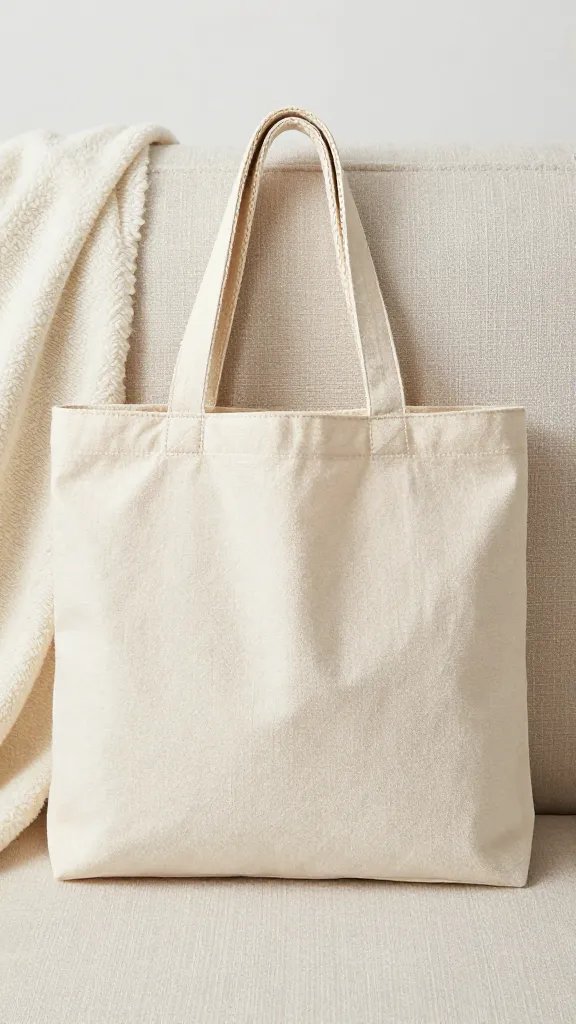
Action today: Assemble a “base kit” in a tote: waterproof layer + fabric layer + kneeler. Keep it by the door so you never rethink comfort.
Create A Stable Writing Surface That Doesn’t Fight You

Romantic photos rarely show the wrist strain from writing on soft blankets. Bring a firm surface so your lines stay steady and your hands relax.
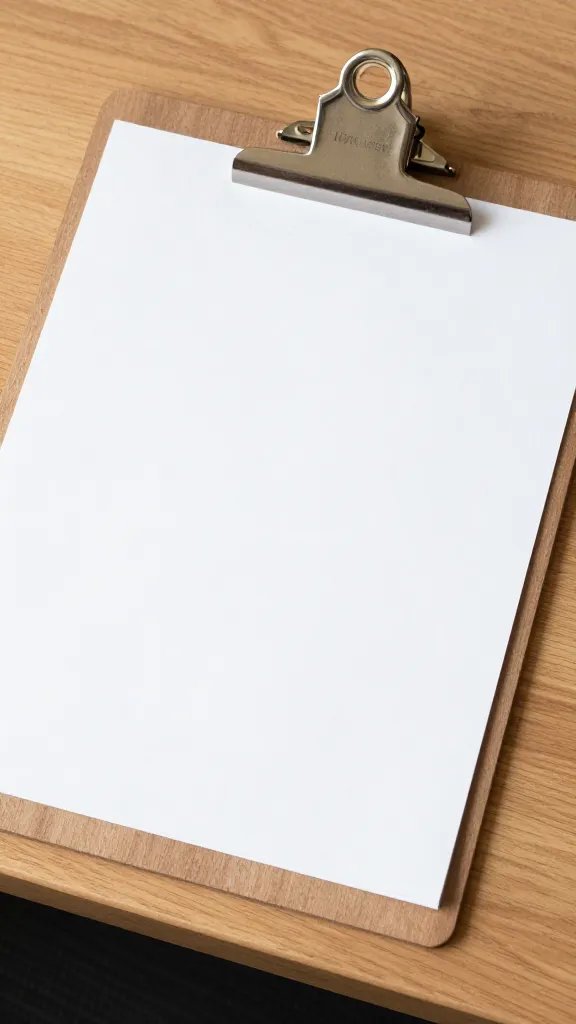
I use a legal-size clipboard or a hardcover sketchbook as a lap desk. If you want more room, pack a thin wooden cutting board or a book-shaped lap desk from a hardware or home store. Anchor loose pages with two binder clips and a smooth pebble.
Step-By-Step Setup For A Rock-Solid Writing Station
- Lay your lap desk or board across your thighs at a slight angle.
- Clip your journal’s back cover to the board so it doesn’t slide.
- Place a small pouch or scarf under your writing wrist for a relaxed angle.
- Use one binder clip at the top edge to tame wind; keep a flat stone on the bottom corner.
Action today: Add a clipboard and two medium binder clips to your kit so wind can’t hijack your pages.
Curate Tools That Invite Reflection: Fewer, Better, Beautiful

Limit tools to what you’ll actually use in 45 minutes. A restrained set feels deliberate and keeps the aesthetic spacious.
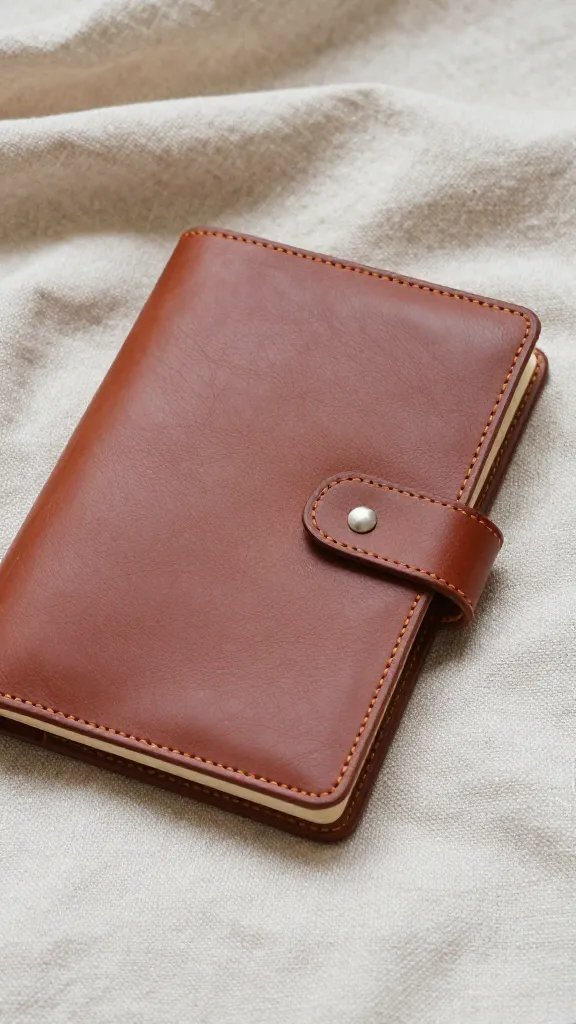
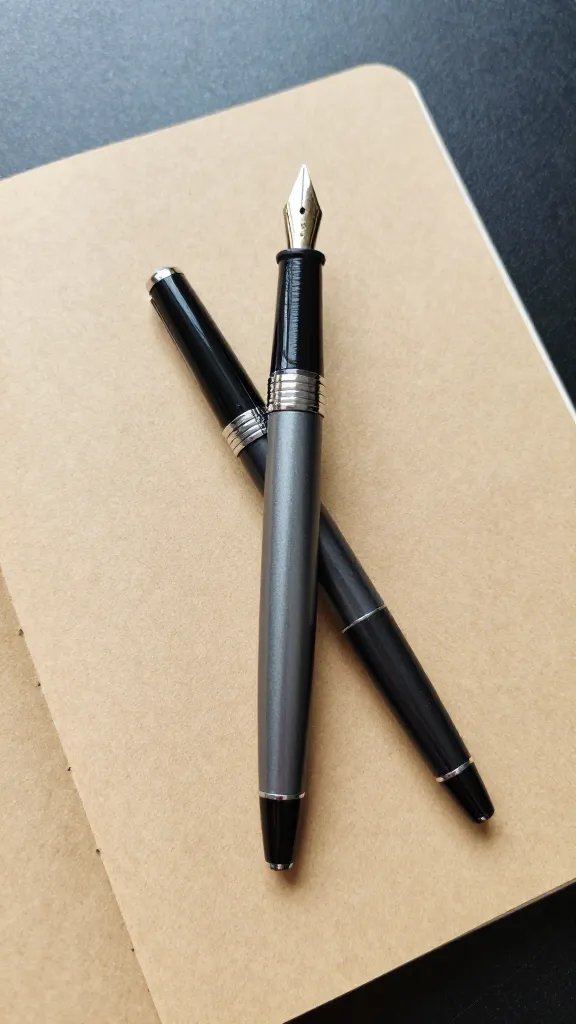
Pack a hardcover journal, one reliable pen that writes on slightly textured paper, a pencil with a soft eraser, and one neutral highlighter or colored pencil. Add sticky tabs for marking passages and a slim envelope to store found leaves or pressed flowers.
Recommended Kit
- Journal: A5 hardcover with elastic band to keep it shut.
- Pens: One gel (0.5–0.7 mm) and one archival fineliner for crisp lines on slightly humid days.
- Extras: 2 binder clips, 3 sticky tabs, 1 blank postcard for quick prompts.
Action today: Pre-pack a pencil pouch with one pen, one pencil, and two clips—leave it inside your journal so you never forget it.
Style With Natural, Useful Decor (Not Clutter)
The poet aesthetic favors timeless, functional beauty. Choose pieces that look good and earn their space.
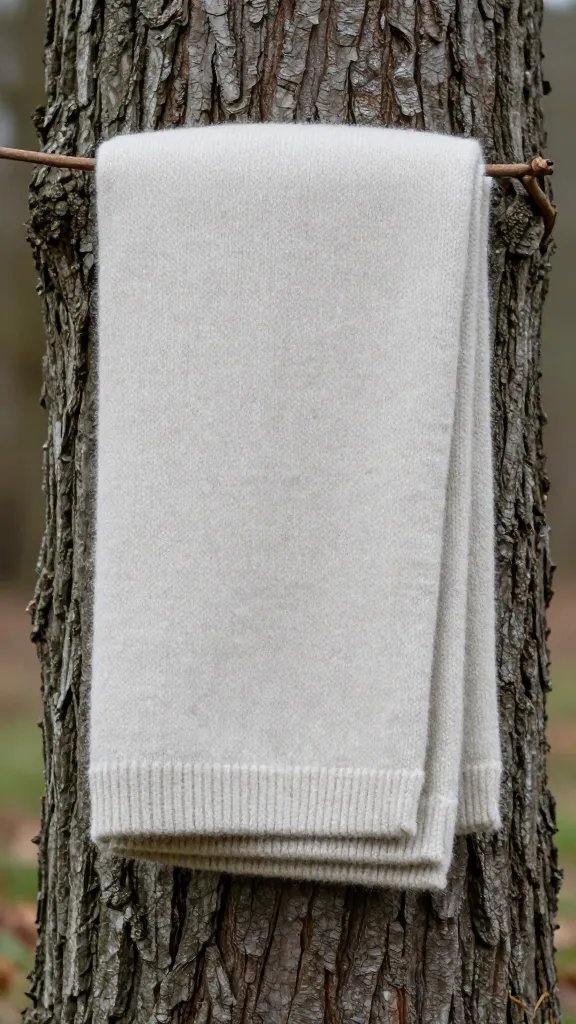
Add a lightweight linen napkin as a mini tablecloth for pens and snacks, a small ceramic cup for loose items, and a single-stem flower in a bud vase or repurposed jar. A wool or cotton scarf doubles as warmth, table runner, and photo backdrop without feeling staged.
Simple Color Palette That Always Works
- Base: Cream, oatmeal, or soft gray for blankets and paper.
- Accent: Sage, ink blue, or rust in one item—scarf, ribbon, or cup.
- Natural textures: Wood, linen, unglazed ceramic to anchor the look.
Action today: Choose one accent color and commit to it across scarf, ribbon, and cup to make the setup feel intentional.
Pack Nourishment That Supports Writing, Not A Picnic Feast

Heavy food dulls reflection. I bring one clean snack and one drink that stays pleasant as it cools.
Pack sliced apple or pear with a small wedge of hard cheese, or nuts with dried cherries. For drinks, a thermos of black tea, herbal tea, or water with lemon keeps the mouth fresh and pages clean. Use a lidded cup to prevent spills on paper.
Practical Add-Ins
- Cloth napkin: Doubles as a pen tray.
- Reusable container: Flat, leakproof, so it slides under your board.
- Small trash sleeve: A spare zip bag for cores or wrappers preserves the mood.
Action today: Put tea and one crisp snack in your bag 10 minutes before leaving—no more second-guessing at the door.
Design Gentle Prompts And A Ritual So You Actually Write
Styling sets the stage, but ritual starts the play. I use a short opening and closing sequence to shift my brain into reflection.
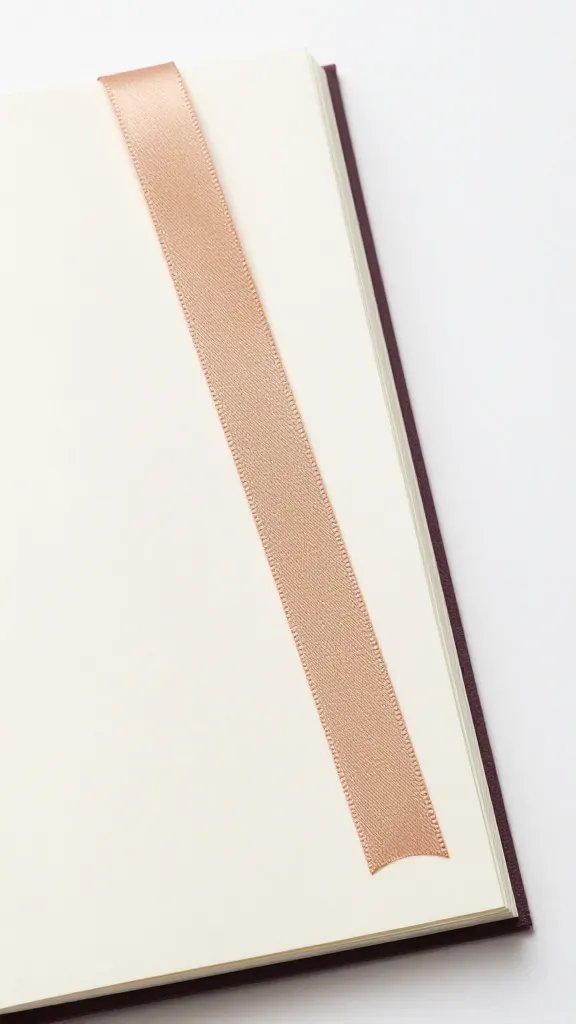
Open with a one-minute grounding: feet on blanket, three slow breaths, eyes on one far object. Then write three lists: “What I’m carrying,” “What I notice,” “One sentence I needed.” Close by dating the page, underlining one phrase, and tucking a found leaf as a bookmark.
Reliable Poet-Aesthetic Prompts
- Weather sentence: Describe the light using only concrete nouns.
- Found line: Copy a line from a book or plaque nearby, then respond.
- Object focus: Write 8 lines about your cup, never naming its color.
Action today: Copy two prompts onto the inside cover of your journal so you never start cold.
Wind, Bugs, And Other Mood Killers: Quiet Fixes That Keep It Poetic
Small annoyances break flow. Handle them with invisible tools that don’t wreck the vibe.
For wind, use your binder clips and place your thermos as a paper weight. For bugs, apply unscented repellent at home and bring a citronella tea light in a jam jar for still air days. For chill, pack a thin wool layer; for glare, a wide-brim hat beats sunglasses when writing.
Fast Troubleshooting
- Pages flapping: Clip top edge and anchor bottom corner with a stone.
- Ants arriving: Move food onto your cutting board and shift 3–5 meters.
- Damp ground: Deploy the waterproof layer and fold fabric double.
Action today: Add a travel-sized unscented repellent and two tea lights to your kit pouch for instant comfort.
Frequently Asked Questions
How do I style this if I only have a small balcony?
Use a chair as your “ground.” Drape a linen or cotton throw over the seat and back, then rest a cutting board on your lap as a desk. Add a small plant or a single stem in a jar on a side table for the natural touch. Go out at early morning or golden hour for soft light. Keep a cushion at your lower back to maintain posture for 30–45 minutes.
What’s the fastest five-minute version if I’m short on time?
Carry a foldable waterproof blanket, a hardcover journal, one pen, and a thermos. Sit with your back to a tree, clip the top of your journal pages, and write one page using the “Weather sentence” prompt. Skip decor—use your thermos as the single visual anchor. Set a 12-minute timer and stop when it rings so you leave on a win.
How do I keep the look cohesive without buying new items?
Pick one accent color from something you already own—a scarf, ribbon, or mug—and repeat it twice. Keep everything else neutral: cream, gray, or natural wood. Wrap pens with a bit of matching ribbon and use a plain cloth napkin as a mat. Uniformity of texture—linen, wood, unglazed ceramic—reads styled even when items are mismatched.
What if the ground is wet or muddy after rain?
Lay a shower curtain liner shiny side down, then your blanket on top. Sit on a garden kneeler or folded yoga mat to stay insulated. Keep shoes on, tuck the blanket edge under itself to create a dry “lip,” and keep the journal on a clipboard to avoid wicking. Pack everything back into a tote with a plastic bag liner for the trip home.
How can I avoid drawing attention in a busy park?
Choose muted colors and low-profile items: no bright picnic baskets or loud patterns. Face a hedge or water feature rather than open lawns. Keep your radius small—journal, cup, and pouch within arm’s reach—so it reads as a quiet break, not a setup. Arrive early or in the last 90 minutes before sunset when crowds thin.
Conclusion
You don’t need props or perfection to feel poetic—just a calm spot, a comfortable base, a steady writing surface, and a few intentional details. Pack your compact kit tonight and schedule a 30-minute session this week at your scouted location. When you return, underline one sentence you want to remember and slip a leaf into your journal. That’s how a picnic becomes a practice—and how the practice becomes your voice.
Leave a Reply