Sage Green and Cream the Ultimate Soft Palette for Spring Picnics
· Yasmine Taljaard
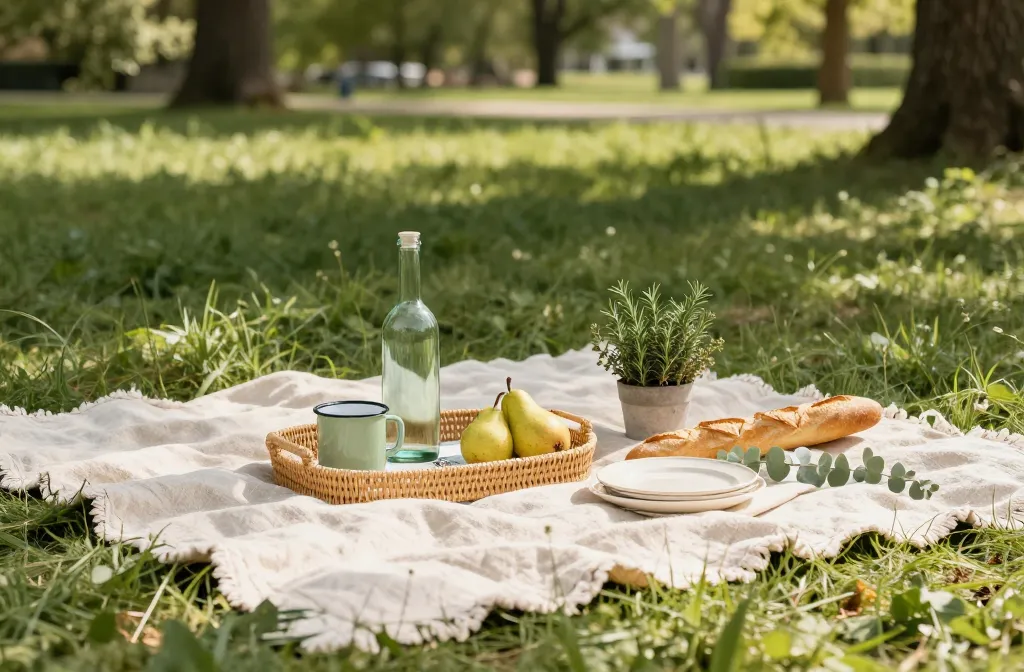
I learned the power of a soft palette the hard way: a bright picnic setup that looked great online but felt harsh in noon sun and clashed with the park’s greens. The next weekend I swapped everything to sage green and cream, and the whole scene relaxed — people lingered longer, food looked better, and my photos finally matched the vibe. In this guide I’ll show you how to build a cohesive “Sage Green and Cream” picnic, from textiles to tableware to easy plants, using only what you’ll find at a garden centre or hardware store. You’ll walk away with a step-by-step plan that works on a balcony, small yard, or public park.
Why Sage Green and Cream Work in Sunlight and Shade

Sage green sits close to natural foliage, so it blends instead of competing. It softens harsh midday light and keeps the overall look calm in photos and in person.
Cream adds light without glare. Pure white glares in bright sun and shows stains fast, while cream reads warm, hides grass marks better, and flatters food tones.
Together they create contrast that stays gentle. You get definition between linens, plants, and plates without any piece shouting for attention.
Action today: Gather one sage item and one cream item you already own (tea towel, throw, ceramic mug) and set them side by side near a window at noon — you’ll see the balanced contrast immediately.
Build the Base: Textiles That Define the Scene

Start with a washable cream picnic blanket as your ground. Choose cotton canvas or a machine-washable throw; avoid shaggy textures that trap crumbs and grass.
Add a sage green layer on top for your food surface: a tablecloth, flat sheet, or runner folded lengthwise. This anchors platters so they don’t float visually on cream.
Mix two pillow sizes for comfort: one sage, one cream per person. If you only have one color, add cream pillowcases over existing cushions to tie them in.
Material recommendations
- Cotton canvas or twill for the ground — tough, easy to shake out.
- Linen-cotton blend for the top cloth — drapes well, hides wrinkles.
- Outdoor cushion inserts with removable covers — air-dry in an hour.
Action today: Test-wash your chosen blanket on a normal cycle and time the dry — if it dries within half a day indoors, it’s picnic-ready.
Tableware That Looks Cohesive Without a Full Set
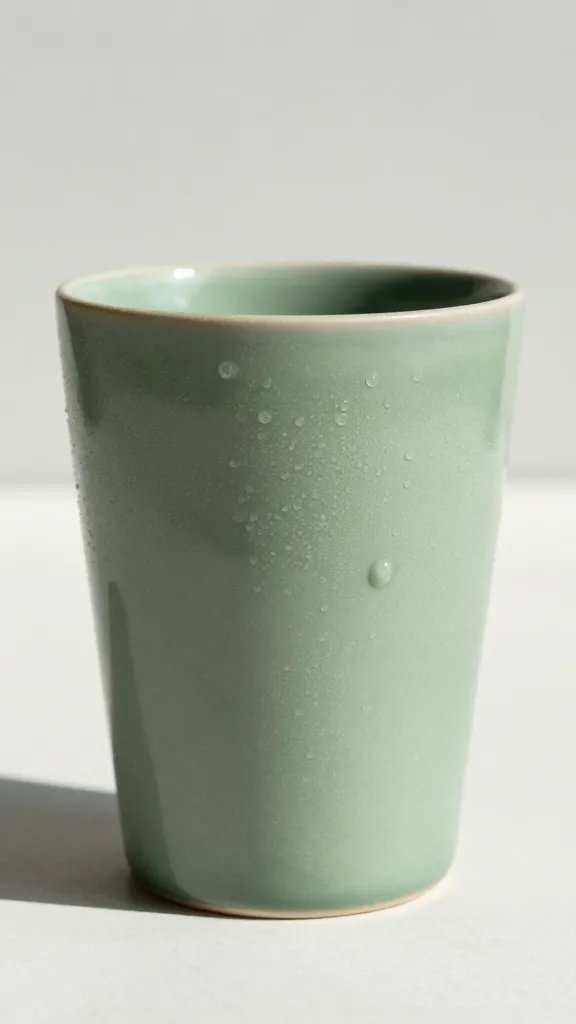
Use cream plates or enamelware as your base. They make greens, berries, and breads look rich, not washed out.
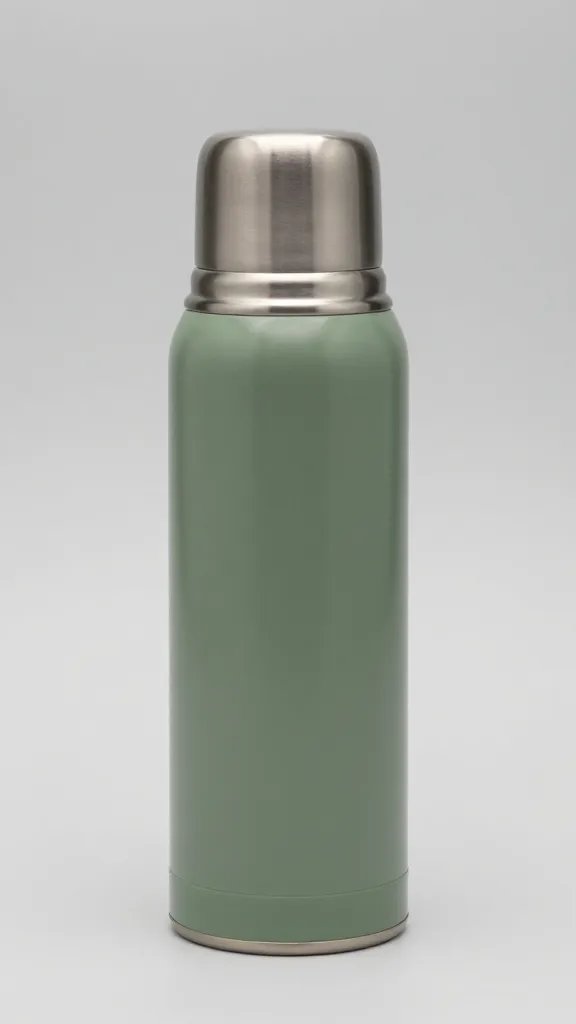
Bring in sage accents through napkins, a pitcher, or a single serving bowl. You don’t need a full sage set — one or two pieces guide the eye and carry the theme.
Stick to matte or satin finishes. Gloss shows fingerprints and sun glare; matte stays refined in photos and feels calmer on the blanket.
Smart substitutions
- Plain cream cereal bowls work as dessert dishes or dip bowls.
- Glass jars stand in as vases or cutlery holders; wrap with a sage ribbon.
- Bee’s wrap or cream parchment lines trays and adds texture.
Action today: Pull four cream plates and two sage accents from your cupboards; lay them on a towel and check that every food you plan pops against them.
Plants and Cut Greens That Match the Palette
Choose plants with soft, silvery greens that echo sage. They look intentional and hold up without constant misting.
My reliable trio from any garden centre: Lamb’s Ear (Stachys byzantina) for velvety leaves, Rosemary for scent and structure, and Eucalyptus stems from the floral bucket for quick bouquets.
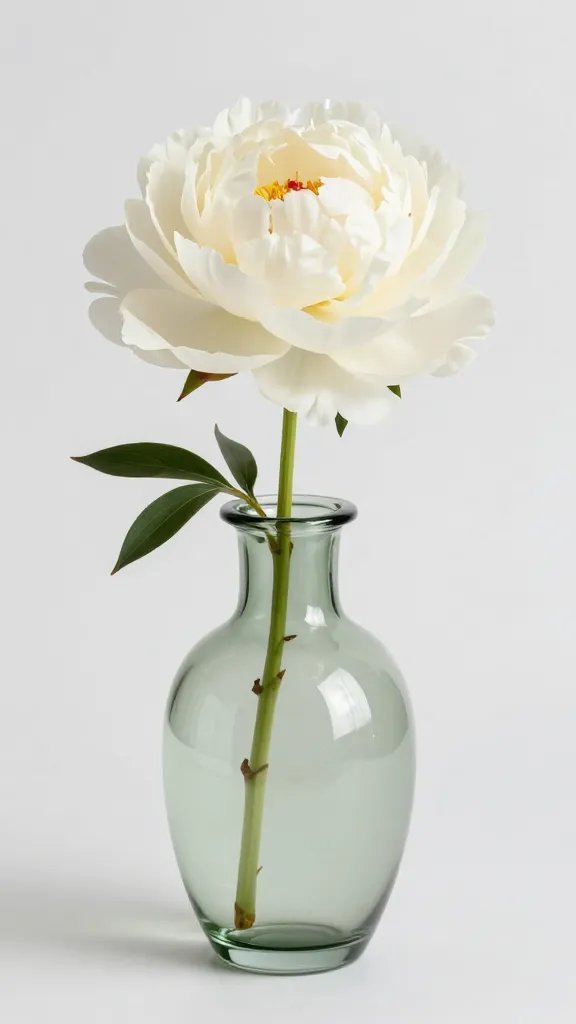
Skip bright blooms if you want the calm look. If you want flowers, pick cream roses or white chamomile and keep stems short so they don’t wobble outdoors.
Easy plant list
- Lamb’s Ear (potted) — soft texture, low mess.
- Rosemary (potted) — pinch sprigs for garnish.
- Eucalyptus (cut) — one bunch fills two jars.
- Dusty Miller — adds pale, sage-adjacent foliage.
Action today: Buy one potted rosemary and one bunch of eucalyptus; place the pot by your serving area and split the eucalyptus into two short jar arrangements.
Food Styling That Flatters Sage and Cream

Use the palette to make food look abundant. Green herbs and leafy garnishes read as part of the design, not clutter.
Serve breads and crackers on the sage surface and bright items (strawberries, tomatoes) on cream plates to keep colors crisp. Add a cream parchment liner under oily items to protect linens.
Keep containers simple: clear glass for drinks and matte cream or wood boards for mains. Avoid patterned plates — they fight the calm palette.
Action today: Pack a small spice jar of flaky salt and a baggie of chopped parsley; sprinkle just before serving to wake up every dish visually.
Shade, Wind, and Stain Control Without Special Gear
Shade: Position your blanket with your back to a tree or building so cream faces the light; this avoids squinting in photos and keeps dairy safer for longer.
Wind: Weigh corners with filled water bottles or small stones wrapped in napkins. For the top cloth, clip two corners to a basket handle with wooden clothespins.
Stains: Pack a small spray bottle with water and a teaspoon of dish soap. Treat spills immediately, then blot with a cream napkin so dye doesn’t transfer.
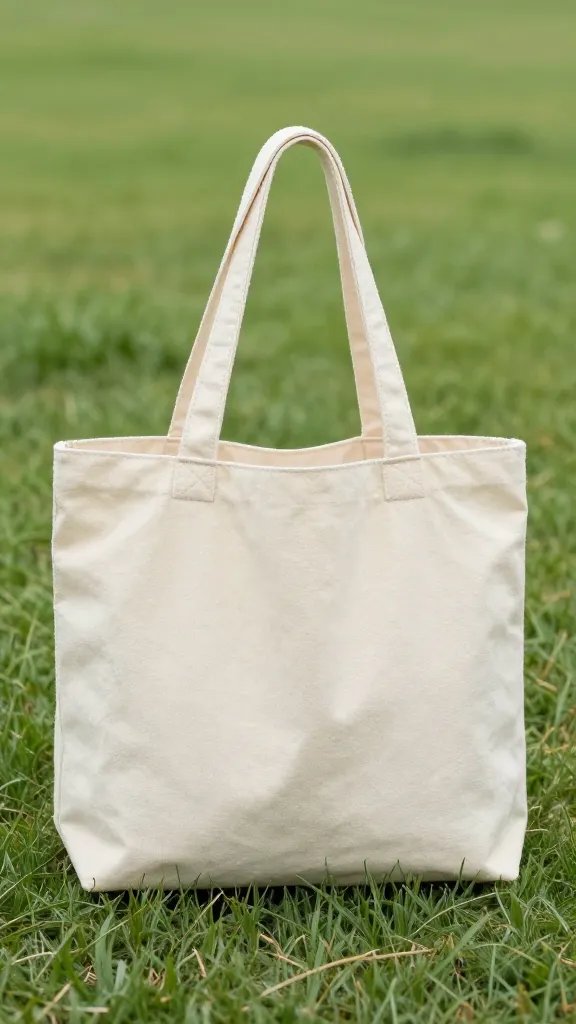
Action today: Add four clothespins and a travel-size dish soap to your picnic tote so you never fight flapping linens or set-in stains again.
A Five-Minute Setup Plan You Can Repeat
- Lay the cream base blanket, smooth once.
- Fold and center the sage runner or cloth as your serving zone.
- Place the potted rosemary at the back left for height; two short jars of eucalyptus center-right.
- Set cream plates in a neat stack front-left; napkins roll inside cups to save space.
- Anchor corners with bottles or stones; clip the runner if breezy.
Action today: Do a dry run on your living room floor and time it — you should hit five minutes or less once you know the order.
Frequently Asked Questions
Can I mix patterns with sage green and cream without ruining the calm look?
Yes — keep patterns subtle and in one color. A thin cream stripe on sage or a small sage check on cream reads textured, not busy. Limit patterns to one large item (tablecloth) or two small items (napkins and a ribbon). Avoid multicolor florals; they pull focus from the palette.
What if I can’t find sage green items at my local shops?
Work with cream basics and add sage through low-cost accents. Buy a small bottle of sage fabric dye and refresh older napkins or a runner following the packet instructions. Ribbon, twine, or eucalyptus stems also deliver the color cue for a few dollars. Keep the rest neutral so the small sage touches read intentional.
How do I keep cream fabrics from looking dingy after a day on the grass?
Shake them out, pretreat stains with your dish-soap spray, and wash on warm the same day. Add half a cup of baking soda with your detergent to brighten without harsh bleach. Dry in indirect sun to avoid yellowing, then store fully dry to prevent musty smells. Rotate one “park blanket” so your best one stays photo-ready.
What foods look best with this palette for early spring?
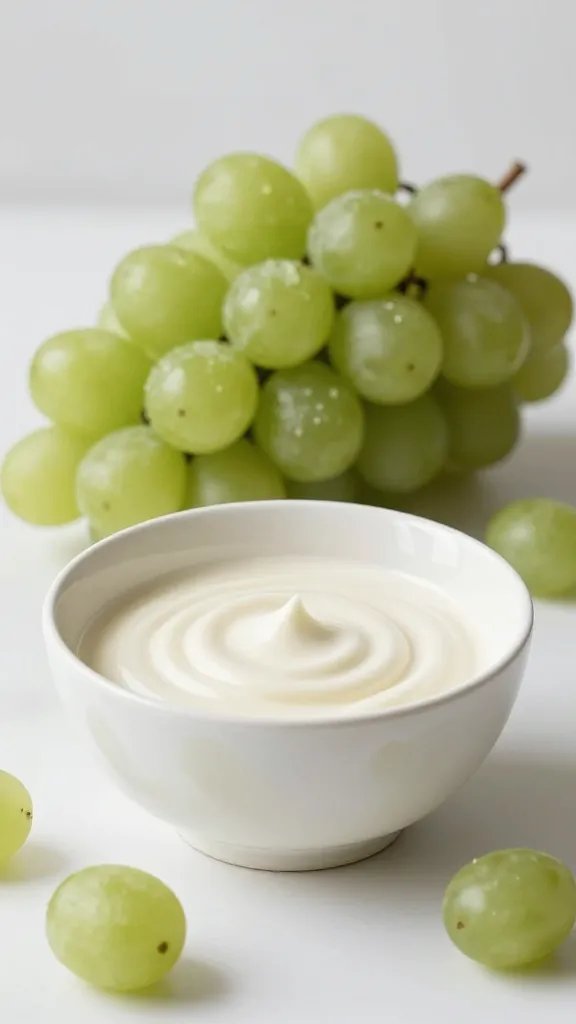
Lean into greens and creams with texture: pesto pasta salads, mozzarella with herbs, cucumber sandwiches, and lemon bars dusted lightly so they don’t shed. Use a cream platter for bright berries and cherry tomatoes so they pop. Garnish with rosemary or parsley to echo your foliage. Keep sauces in clear jars to avoid color clutter.
How do I photograph the setup so the colors look true?
Shoot in open shade or an hour after sunrise/ before sunset. Tap to expose on the cream area so it stays soft, not blown out, and angle the camera so the sage runner leads into the frame. Avoid mixing warm and cool light sources; turn off nearby porch lights. Wipe fingerprints off matte pieces right before the shot.
Conclusion


Sage green and cream give you a calm, consistent picnic you can set in minutes and enjoy for hours. Start with a cream base, add one sage layer, and anchor the look with soft greens like rosemary and eucalyptus. Your next step is simple: pack your five-minute setup kit this week and test it on the nearest patch of grass — you’ll see how effortlessly fresh it feels the moment you sit down.
Leave a Reply