Luxury Materiality: a Guide to Belgian Linen and European Flax for Hosting Unveiled
· Samantha Jones
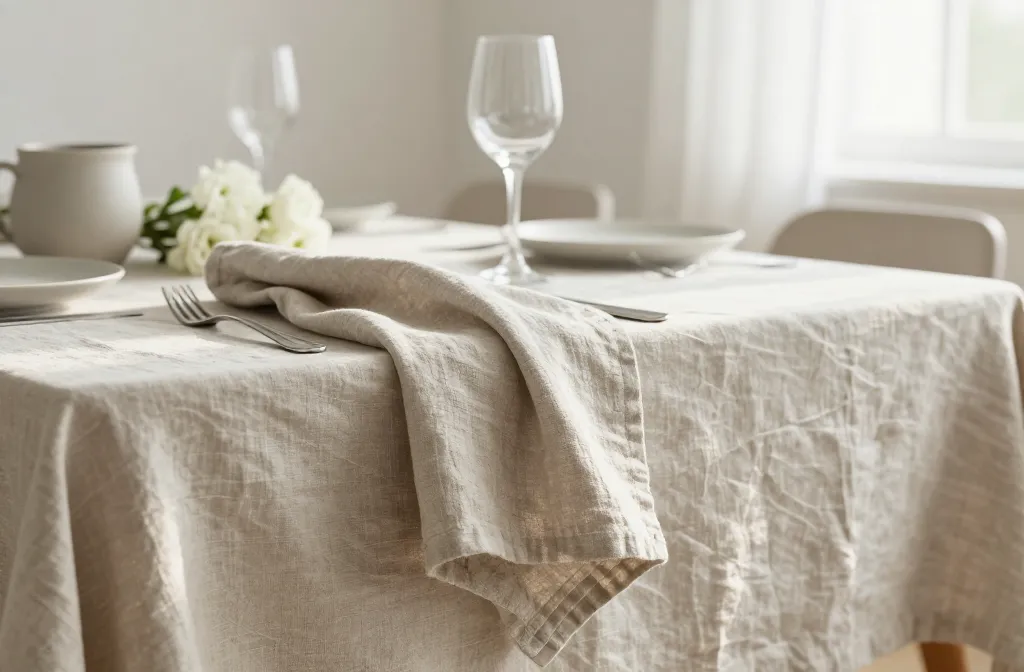
I learned the hard way that a beautiful table can still feel fussy if the fabric fights you. After one dinner where napkins wrinkled into paper-crisp triangles and a tablecloth stained like newsprint, I switched to true European flax and never looked back. In this guide, I’ll show you how to choose, use, and care for Belgian linen so your hosting looks refined and runs smoothly. You’ll leave knowing exactly what to buy at a standard home store and how to make it last.
What “Belgian Linen” And “European Flax” Actually Mean
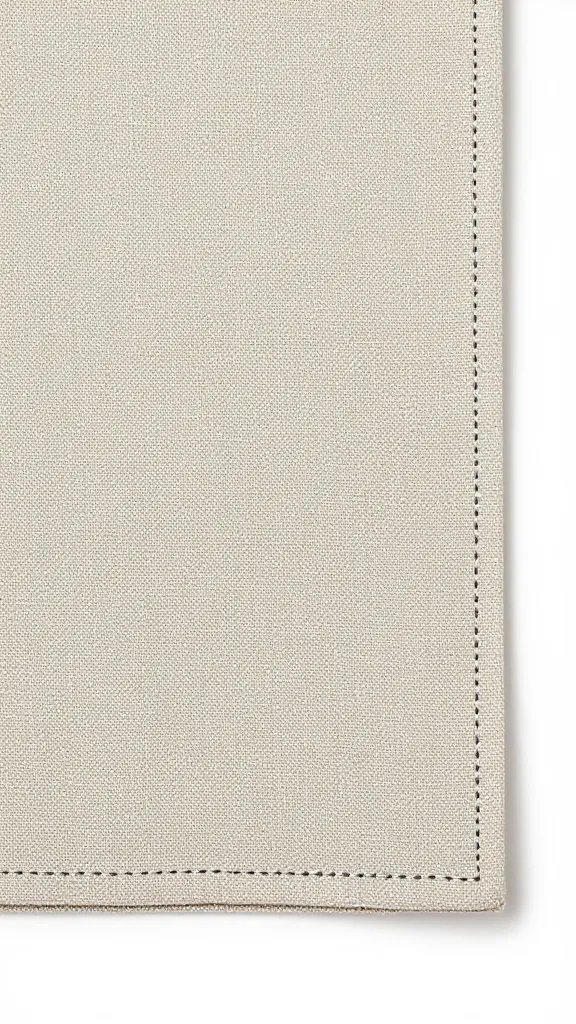
Belgian linen means the fabric is woven and finished in Belgium. European flax means the plant fibers were grown in Western Europe (France, Belgium, the Netherlands, parts of Northern Europe) under strict traceability standards.
You can have Belgian-woven fabric from non-European flax, or European flax woven elsewhere. The gold standard for hosting textiles combines both: European-grown flax, woven in Belgium, finished with quality control you can feel.
Action today: Check a product label online or in-store for two phrases: “Belgian linen” and “European Flax.” Aim for at least one; both is ideal.
Why Linen Outperforms Cotton For Real-Life Hosting
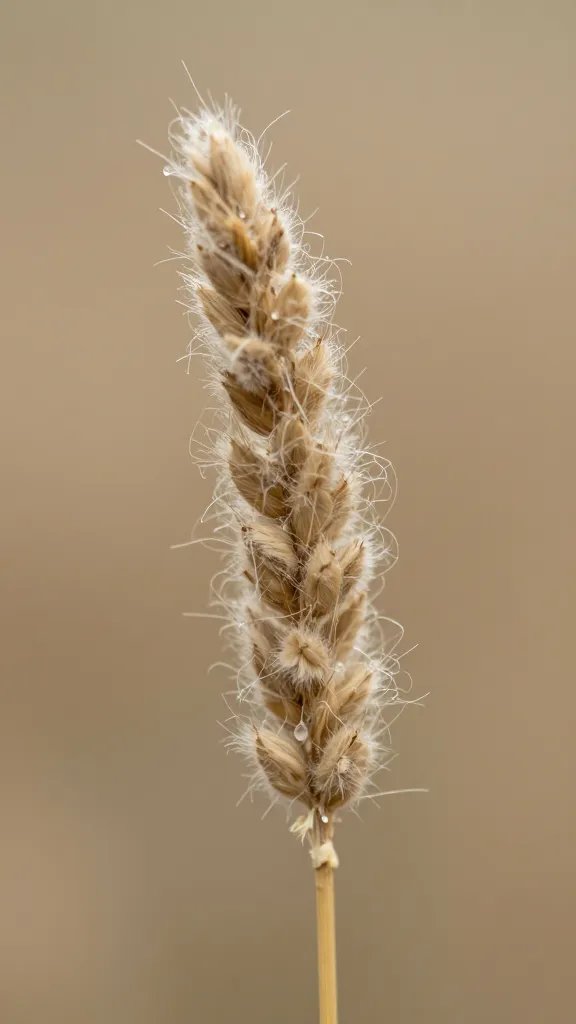
Linen fibers are thicker and longer than cotton, so they drape with elegant weight and resist pilling. They absorb moisture fast, then dry quickly — handy for spills and for guests who use napkins thoroughly.
Linen gets softer with every wash, not weaker. It also releases most food smells and moisture faster than cotton, so napkins feel fresh again after a standard cold wash and air-dry.
Action today: If you’re upgrading one item, start with napkins. A set of 6–8 European flax napkins immediately improves hand feel and table presence.
Weave, Weight, And Finish: How To Pick The Right Handfeel
Think of three variables: weave, weight, and finish. You don’t need a textile lab — just your hands and a simple fold test.
Weave Types You’ll Actually Find
- Plain weave (most common): Balanced, crisp-to-soft depending on finish. Great for tablecloths and napkins.
- Herringbone or twill: Slightly denser with subtle patterning that hides crumbs and light stains.
- Stonewashed/enzymed linen: Pre-softened with a relaxed drape and a lived-in look that forgives wrinkles.
Weight And The Fold Test
- Lightweight (150–190 gsm): Airy runners and casual napkins. If labels lack gsm, hold to a window — you’ll see soft translucence.
- Midweight (200–240 gsm): Sweet spot for tablecloths — ample drape without feeling heavy. When folded, it falls in a rounded curve, not a stiff edge.
- Heavy (250–300+ gsm): Luxurious, dramatic drape for tablecloths in fall/winter and for placemats that lie flat.
Finishes That Change Maintenance
- Pre-washed/stonewashed: Softer out of the package, fewer sharp creases, more casual look.
- Mercerized or crisp finishes: Sharper lines for formal layouts but will show creases; plan to steam.
Action today: In-store, pinch a corner and let it fall. If the fabric pools softly and doesn’t spring back like paper, you’ve got a hosting-friendly drape.
Color And Pattern Choices That Survive Real Meals
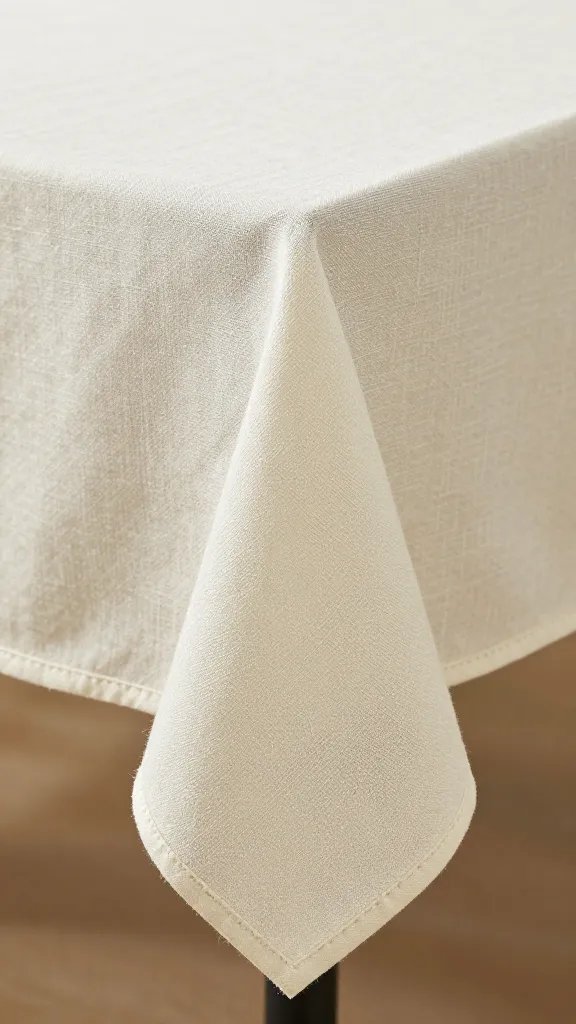
Pure white looks classic, but off-whites and natural flax tones hide inevitable micro-stains and water spots during service. Mid-tones like clay, slate, and olive swallow red wine splashes long enough to finish dinner gracefully.
Pattern works like camouflage. A herringbone or narrow stripe distracts from crumbs and creases. For apartment lighting, choose matte, not shiny — linen’s natural matte finish photographs beautifully under warm bulbs.
Action today: Pick one neutral tablecloth (natural flax or warm off-white) and two napkin colors that contrast it. That small palette shift upgrades everything you plate.
Wrinkles, Shrinkage, And Stains: Simple Care That Actually Works
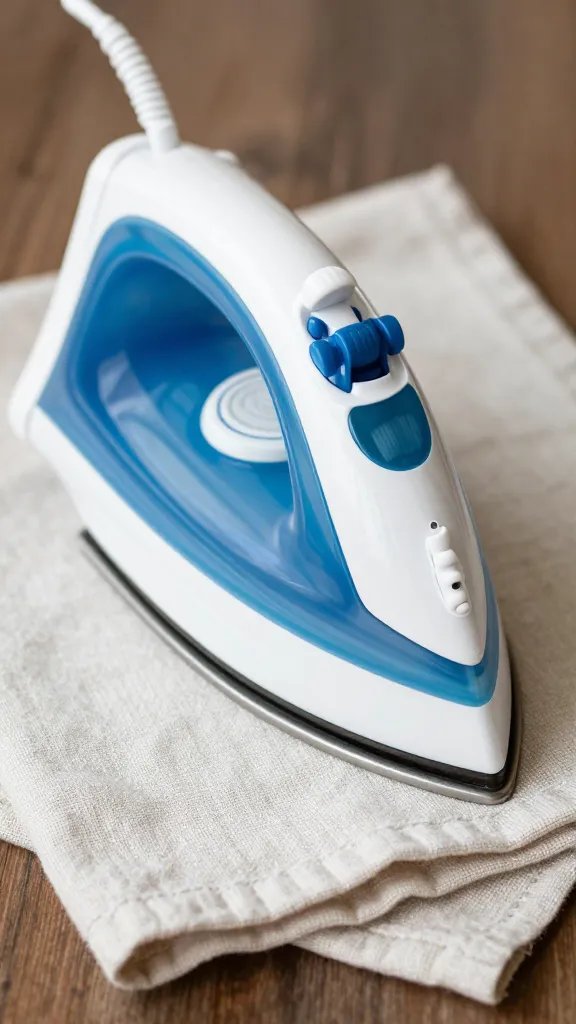
Linen loves water and movement. Treat it like a sturdy plant: regular care, gentle handling, consistent routine.
Prevent Shrinkage
- Wash cold with a mild detergent — no fabric softener; it coats fibers.
- Air-dry flat on a clean bed or table for tablecloths. Tumble low for 5–8 minutes, then hang to finish if you prefer softer hand.
- Expect 3–5% initial shrinkage. Buy tablecloths one size up if you want generous drop.
Wrinkles Without The Iron Marathon
- Shake hard straight from the washer, then smooth seams with your palm on a flat surface.
- Steam while damp with a handheld steamer. Work in vertical passes for 3–5 minutes.
- For crisp edges, iron on medium-high while still slightly damp, using the linen setting.
Real-World Stain Triage
- Red wine: Blot, then flush with cool water. Sprinkle table salt to pull color, finish with a dab of dish soap before washing.
- Oil: Cover with cornstarch for 20 minutes, brush off, then treat with dish soap.
- Candle wax: Let harden, lift gently with a dull knife, then place paper towel above and below and press with a warm iron to absorb residue.
Action today: Make a 3-item kit: mild detergent, dish soap, and cornstarch. Keep it with your linens so you can act in the first two minutes of a spill.
Sizing Your Tablecloth And Napkins For A Polished Look

Measure your table length and width. Add 30–40 cm total to each dimension for a casual drop (15–20 cm per side) or 50–60 cm total for a more formal drop.
For round tables, measure diameter and add 30–40 cm total. If you host 4–6 most often, get 45–50 cm napkins; for 6–8 and plated courses, go 50–55 cm for better lap coverage.
Action today: Grab a tape measure and note your table’s exact size in your phone. Shop against those numbers, not guesses.
Setting The Table: Fast Layouts That Look Intentional
Good linen does half the visual work; placement finishes the job. I use two default setups — one casual, one formal — both done in under 10 minutes.
Casual Everyday For 4–6
- Runner down the center with 20–25 cm overhang front and back.
- Placemats or bare table under plates; cloth napkin folded once and draped under the fork.
- One small bud vase per 2 settings; tea lights at the ends.
Simple Formal For 6–8
- Tablecloth with a 20 cm drop; steam the center panel only.
- Napkins folded into rectangles, placed atop plates with a sprig of rosemary or bay leaf.
- Water glasses pre-filled to one-third; wine glasses to the right, 2 cm above the knife tip.
Action today: Practice your preferred napkin fold twice and time it. If it takes longer than 20 seconds, switch to a simpler fold you can repeat easily.
How To Buy Smart: Labels, Certifications, And Budget
Look for the European Flax logo for traceable fiber origin and the Masters of Linen label for European spinning/weaving/finishing. These aren’t marketing fluff — they correlate with fabric that softens predictably and sheds lint in the first two washes rather than the tenth.
Budget approach: start with napkins or a runner. Mid-range sets at standard home stores often use European flax and deliver 80% of the feel of boutique brands. Upgrade the tablecloth later; you’ll already have matching tones.
Action today: When comparing two options, choose the one with European Flax certification over a higher thread count claim. Linen quality shows in fiber and finish, not inflated numbers.
Frequently Asked Questions
Is “stonewashed linen” lower quality than crisp linen?
No. Stonewashing is a finishing step that softens the fabric and relaxes shrinkage. Quality depends on the flax and the weave, not the wash. If you prefer a relaxed, low-iron look, stonewashed is ideal; for formal creases, pick a non-washed finish and plan to steam.
How do I stop lint on first wash?
Wash linens alone on cold with a short, gentle cycle. Empty the dryer lint trap after a 5–8 minute low tumble, then hang to finish. Lint usually drops by the second or third wash with European flax; avoid fabric softener, which traps lint in fibers.
Will linen napkins stain permanently from tomato or curry?
Act within two minutes: rinse with cool water from the back of the stain, dab dish soap, and let sit 10 minutes. For stubborn pigments, soak in oxygen-based cleaner according to the package for up to 6 hours. Sun-dry afterward — sunlight naturally lightens organic stains on linen.
How many napkins do I need for a small apartment?
Buy 8 matching napkins and 2 spares in the same color. That covers a table of 4–6 with extras for last-minute guests or mid-meal swaps. Store rolled, not folded, to minimize crease lines if you don’t iron.
Can I mix linen with cotton on the same table?
Yes, and it often looks richer. Use a linen tablecloth for drape and cotton placemats for structure, or linen placemats with cotton-linen blend napkins. Keep the color palette tight — one neutral base and one accent color.
Conclusion
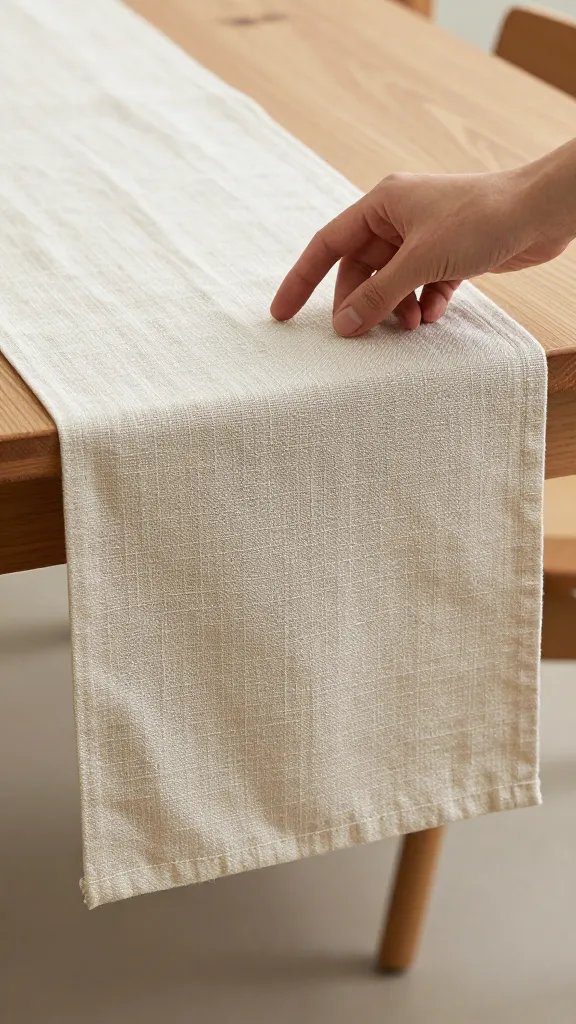
You don’t need a decorator’s toolkit to host beautifully — just well-chosen flax and a simple care routine. Start with one upgrade you’ll use weekly, like European flax napkins, and practice your 10-minute table setup. Next step: measure your table tonight and pick a midweight Belgian linen cloth with a 20 cm drop — you’ll feel the difference at your very next dinner.
Leave a Reply