The Secret to How to Create a “Lemonade Bar” for Your Next Summer Cookout
· Samantha Jones
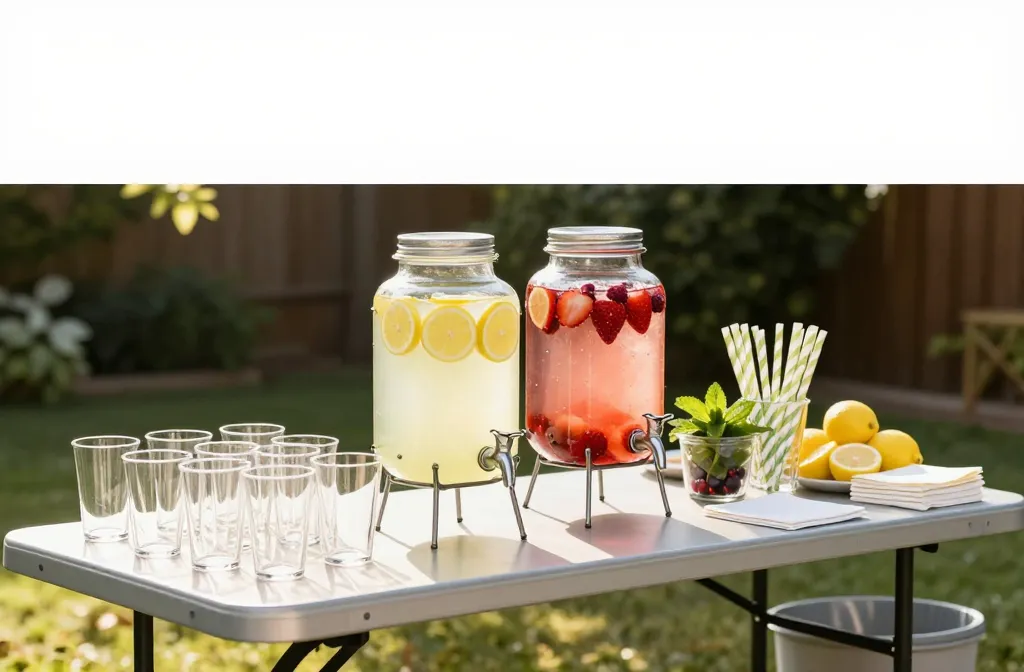
I’ve hosted enough sticky, sun-baked cookouts to know that a single pitcher of lemonade disappears in minutes and leaves everyone hovering near the kitchen sink. The fix that finally worked for me was a dedicated lemonade bar guests could navigate without asking a single question. In this guide, I’ll show you exactly how to plan quantities, set up traffic flow, and keep drinks cold and safe for hours. You’ll end with a self-serve station that looks great, stays tidy, and frees you to actually enjoy your cookout.
Plan the Space and Flow So Guests Don’t Crowd the Grill
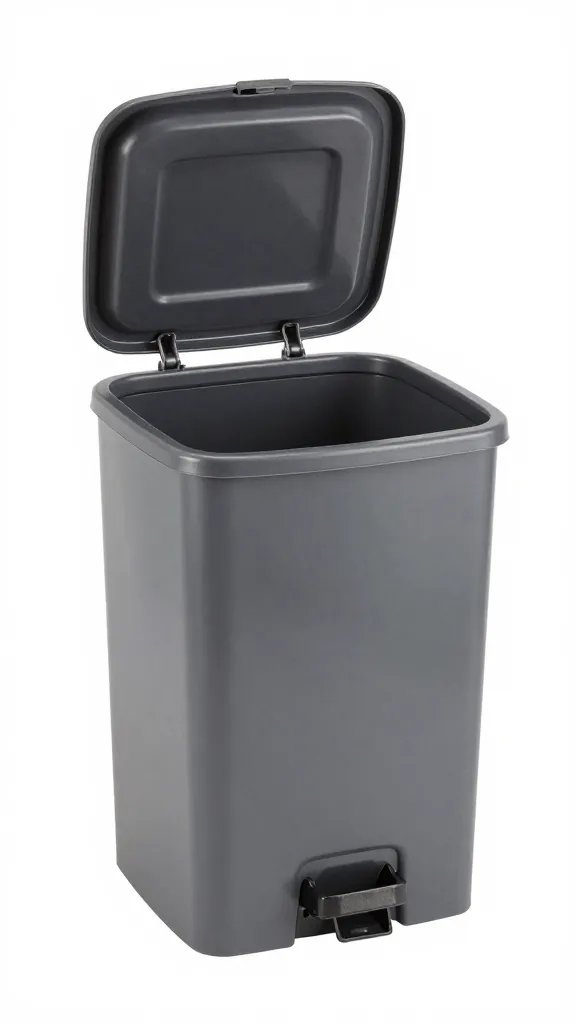
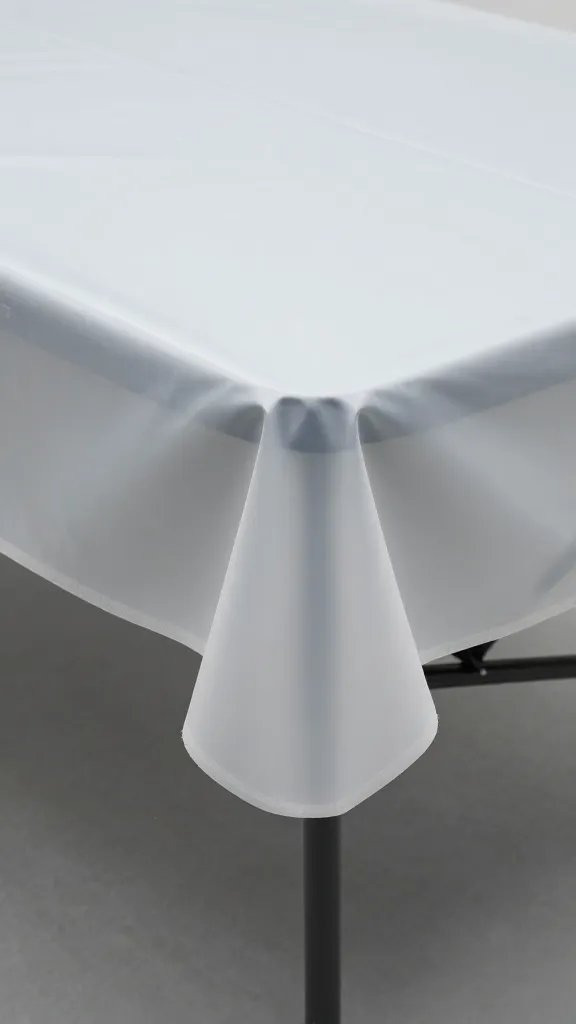
Pick a shaded, level surface away from the grill and main food line — 8–10 feet is enough to prevent bottlenecks. A folding table at standard counter height (28–32 inches) works; add a waterproof tablecloth and a small trash bin at the end.
Divide the table into a clear sequence: clean cups first, then dispensers, then add-ins, then straws/napkins, then the bin. I always leave at least 12 inches of empty space between zones so two people can reach in at once.
Put a small hand-written sign at eye level: “Start Here →” with arrows across each zone. That single cue keeps traffic moving without you hovering.
Action today: Walk your yard or balcony and mark a shaded spot with painter’s tape where a 4–6 foot table fits with a 2-foot walkway in front.
Calculate Quantities That Match Real Thirst in Hot Weather

In summer heat, guests drink more than you expect. I plan 16–20 ounces per adult per hour for the first two hours, then 12 ounces per hour after. For a 3-hour cookout with 12 adults, that’s roughly 4.5–5.5 gallons total beverages.
Offer at least two lemonades: a classic and a flavored option. Keep a third dispenser for still water. Split volume 40% classic, 30% flavored, 30% water.
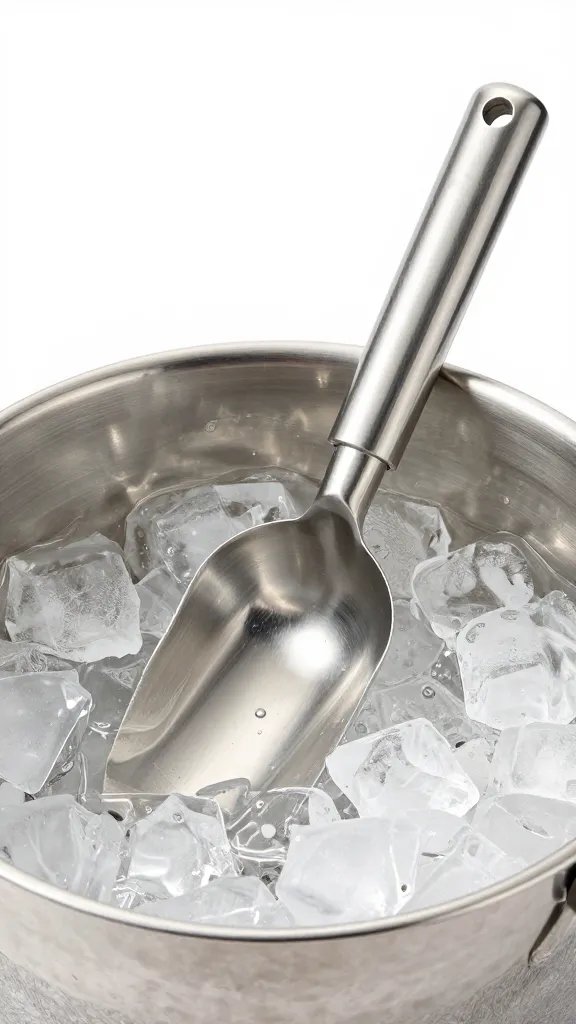
Bring 1.5–2 pounds of ice per guest if it’s above 85°F and your station isn’t on deep shade. Half goes in dispensers with ice cores or bags around them, half stays in a cooler for cups.
Takeaway: For 12 adults over 3 hours, prep 2 gallons classic lemonade, 1.5 gallons flavored lemonade, 1.5 gallons water, and 20 pounds of ice.
Choose Dispensers and Tools That Keep Drinks Cold and Clean
Use two 2–3 gallon glass or BPA-free plastic dispensers with spigots. Look for a wide mouth for easy filling and cleaning. If you don’t own them, most garden centers and big-box stores stock affordable options.
Skip open pitchers — they warm quickly and invite bugs. If your dispensers don’t have ice cores, set each on a shallow tray filled with 1 inch of ice and a folded dish towel to keep them steady. Keep a folding cooler under the table as your refill station.
Stock simple tools: a long-handled spoon for each dispenser, a funnel, a roll of paper towels, a small compost bowl for lemon ends, and a spray bottle of 1 tablespoon white vinegar in 1 cup water for quick wipe-downs.
Action today: Test each spigot over your sink with water for drips. If it leaks, wrap the inner thread with two turns of plumber’s tape and retighten.
Mix Foolproof Lemonade Base That Tastes Bright, Not Syrupy
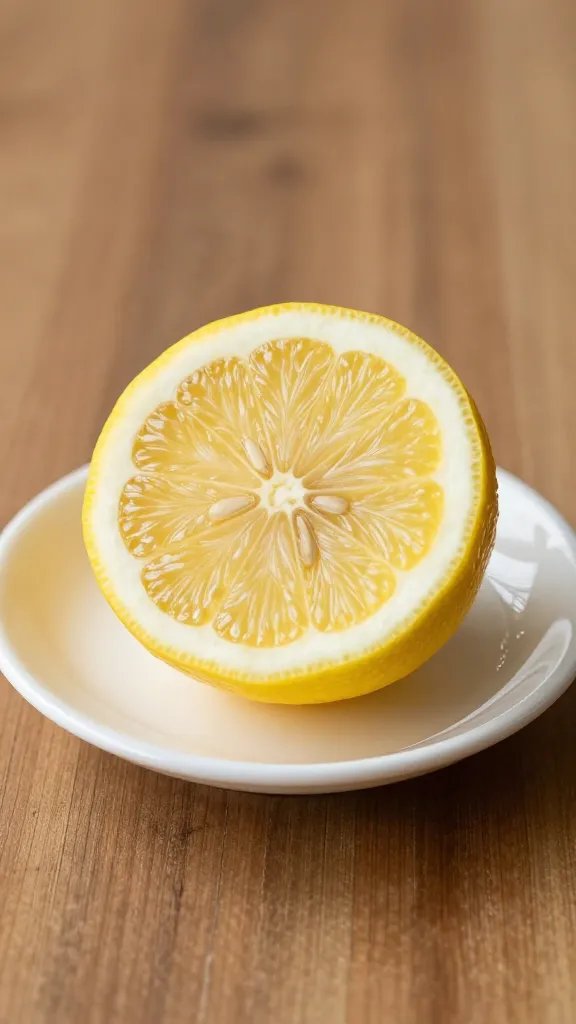
I use a make-ahead concentrate so refills take seconds. The ratio is simple and scales cleanly: 1 part fresh lemon juice, 1 part simple syrup, 3 parts cold water or ice.
Step-by-Step: Make-Ahead Lemonade Concentrate
- Juice lemons to get 4 cups juice (about 20–24 lemons). Strain out seeds but keep a little pulp.
- Make simple syrup: simmer 4 cups white sugar with 4 cups water until clear. Cool fully.
- Combine 4 cups lemon juice with 4 cups syrup in a jug. Chill overnight. This yields 2 quarts concentrate.
- To serve, pour 1 quart concentrate into the dispenser and add 3 quarts cold water and 2 quarts ice. Taste and adjust with extra water for less sweetness or a squeeze of lemon for more zip.
For a flavored option, add 1–1.5 cups fruit puree per gallon final volume. I like strawberry (blend 1 pound hulled berries with 2 tablespoons sugar) or blueberry (simmer 2 cups berries with 1/4 cup water, then strain). Keep pulp light so spigots don’t clog.
Takeaway: Mix one quart of concentrate per gallon of finished lemonade, then finish with 3 quarts cold water and plenty of ice right in the dispenser.
Keep It Cold for Hours Without Watering It Down
Use large ice, not cubes. Freeze water in loaf pans or muffin tins the day before and pop the blocks into the dispenser. Big ice melts slower and dilutes less.
If you have room, freeze half your water as ice the night before — label the container “Lemonade Ice” so you don’t mix with salty ice from the cooler. Add a thin layer of regular cubes in guests’ cups for instant chill and use the big blocks in the dispensers.
Set the table in shade and angle dispensers so the sun never hits the spigots. If temperatures top 90°F, rotate in chilled refill jugs from the fridge every 45–60 minutes instead of topping with tap-cold water.
Action today: Fill two loaf pans with water and freeze them. You’ve just made slow-melt ice blocks for both dispensers.
Build an Add-Ins Bar That Looks Abundant but Stays Tidy
Limit choices to what people actually use. I set out three fruit options, one herb, and one fizz. Keep each in a shallow bowl over a bed of ice with tongs or a slotted spoon.
Recommended Add-Ins (Per 12 Guests)
- Fruit wheels: 2 lemons, 2 limes, 2 oranges sliced into thin wheels.
- Fresh berries: 1 pint strawberries (halved) or blueberries.
- Cucumber: 1 large, thinly sliced.
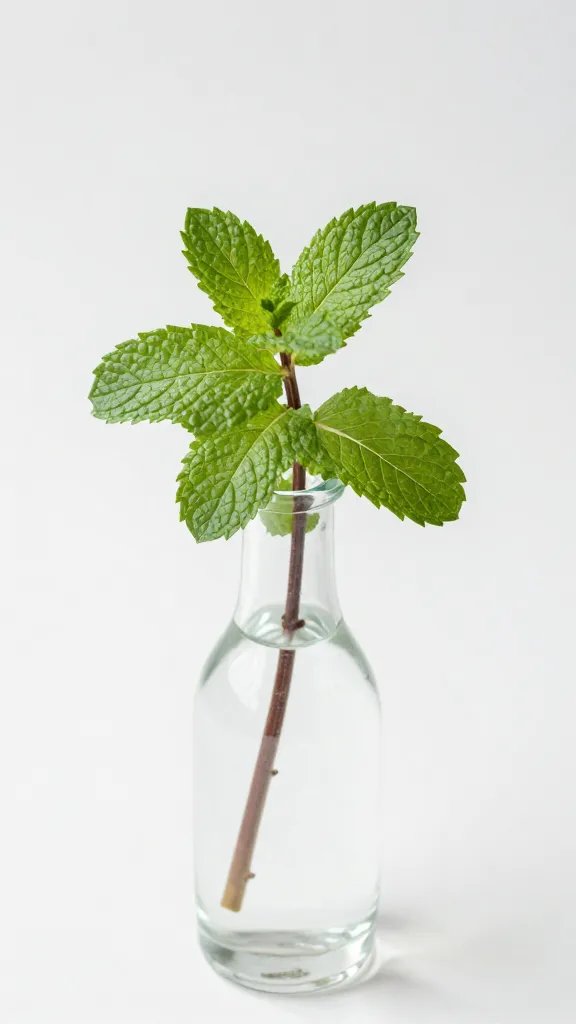
- Herbs: 2 small bunches mint or basil, rinsed and kept in a jar with 1 inch of water.
- Fizz: 2 liters plain seltzer for a bubbly top-off.
Provide clear cups (12–16 ounce), paper straws, cocktail picks for garnish, and napkins. Label each add-in with painter’s tape and a marker so guests don’t hesitate to experiment.
Takeaway: Pre-slice fruit in the morning, store it in shallow containers, and keep it chilled until 10 minutes before guests arrive.
Label Clearly and Prevent Sticky Messes

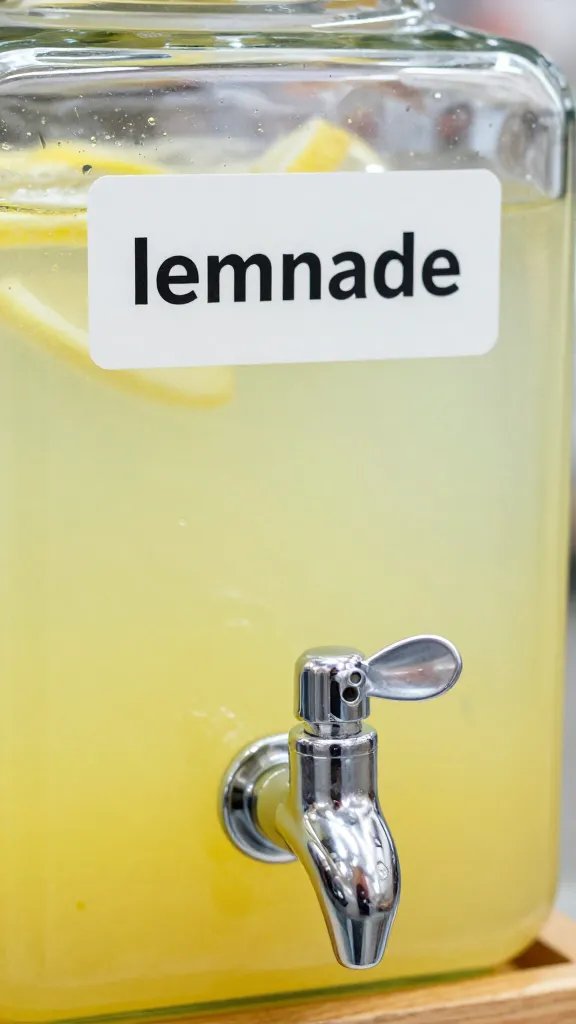
Write short, specific labels on each dispenser: “Classic Lemonade (Less Sweet)” and “Strawberry Lemonade.” When people know what they’re getting, they pour once, not three times.
Put a rimmed baking sheet under the spigots lined with a dish towel to catch drips. Swap the towel every hour. Keep a small trash bin and a compost bowl at the far end so peels and used picks don’t circle back to the clean zone.
Assign a “bar buddy” — one guest who likes to help — to check cups, ice, and towel every 30 minutes. That light touch keeps chaos at bay.
Action today: Make two simple dispenser labels on index cards and clip them on with clothespins.
Food Safety and Allergen Basics You Can Handle at Home
Wash lemons and all fruit before slicing. Keep cut fruit and herbs refrigerated until service. Swap any perishable add-ins left at room temperature after 2 hours on a hot day.
Allergen note: If you sweeten one batch with honey, label it. Honey is fine for most people but not for infants under one year old. For a vegan option, stick to white sugar or organic cane sugar.
Use a clean cutting board and knife, and store refill concentrate in sealed jugs in the fridge or a cooler with fresh ice. Wipe dispenser spigots with a vinegar spray and towel if hands get sticky.
Takeaway: Set a phone timer for 60-minute checks to refresh ice, wipe spigots, and rotate in chilled refills.
Frequently Asked Questions
How many lemons do I need per gallon of lemonade?
Plan on 12–16 medium lemons per gallon, which yields about 2–2.5 cups juice. If you’re using a concentrate method, one quart of concentrate uses roughly 10–12 lemons. Buy a few extra for slices and last-minute tartness adjustments. Choose lemons that feel heavy for their size.
Can I make lemonade without refined sugar?
Yes. Use honey or maple syrup in a 1:1 swap with simple syrup, but warm it with water first so it dissolves. Expect a more robust flavor; balance it with extra water and a pinch of salt to round the acidity. Always label the sweetener for guests.
How do I prevent fruit from clogging the spigot?
Strain purees and avoid floating slices inside the dispenser. Keep fruit in bowls on the add-ins bar instead of in the tank. If a clog happens, close the spigot, poke the opening with a wooden skewer, and resume service. A quick swirl with a long spoon also clears pulp from the valve.
What if I don’t have drink dispensers?
Use two large stockpots or Dutch ovens with ladles and keep lids on between pours. Nest each pot in a larger bowl or roasting pan filled with ice to keep them cold. Place a towel under each ladle to catch drips and keep the rim clean. Refill from chilled jugs in your fridge or cooler.
How far in advance can I prep everything?
Make concentrate and freeze ice blocks 24–48 hours ahead. Slice fruit the morning of the event and keep it refrigerated in shallow containers with paper towels to absorb moisture. Chill water and seltzer overnight. Set up the table and signage 1–2 hours before guests arrive, then fill dispensers 15 minutes before start time.
Conclusion
You now have a clear blueprint for a lemonade bar that stays cold, clean, and self-serve from first pour to last toast. Pick your spot, freeze your ice blocks tonight, and mix a single batch of concentrate to test your ratios this week. Once you see how smoothly guests move through a well-labeled station, you’ll never go back to that lonely pitcher again.
Leave a Reply