Viral 10 Etiquette Tips for Planning the Perfect Park Outing
· Yasmine Taljaard
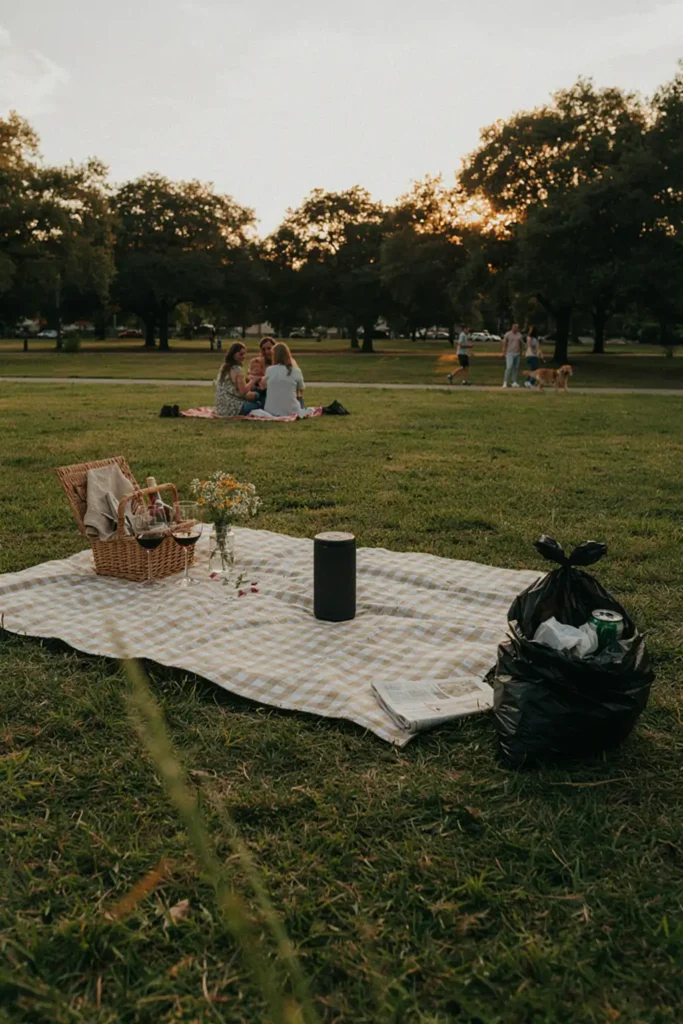
I learned park etiquette the hard way after a birthday picnic that annoyed half the lawn with loud music and scattered snack bags. I’ve since hosted dozens of smooth, neighbor-friendly outings where everyone leaves relaxed and the park looks untouched. You’ll learn the ten habits that keep your group happy, other visitors unbothered, and rangers on your side. Follow these, and you’ll spend your time enjoying the day—not solving preventable problems.
Choose a Spot That Respects Space and Rules
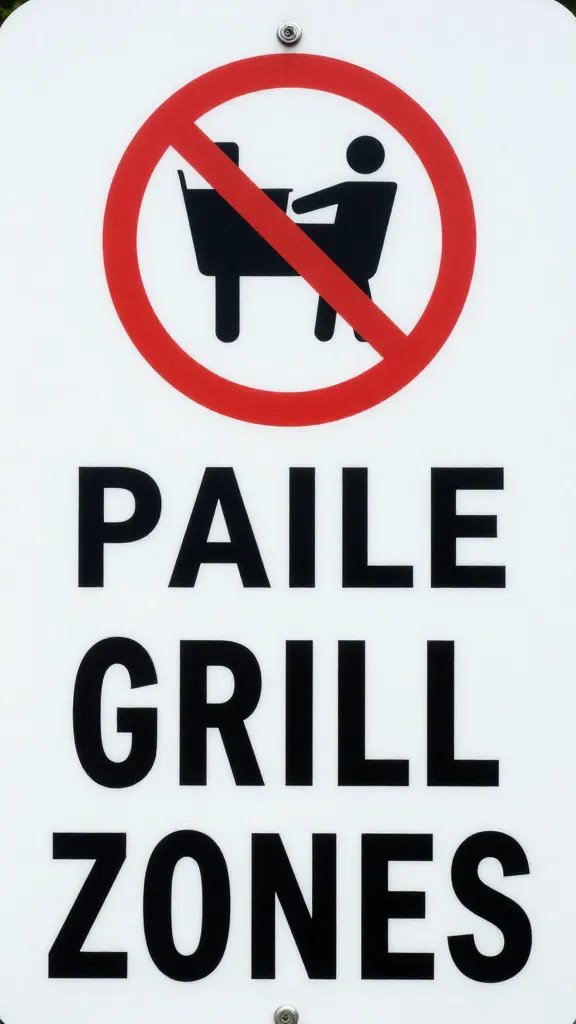
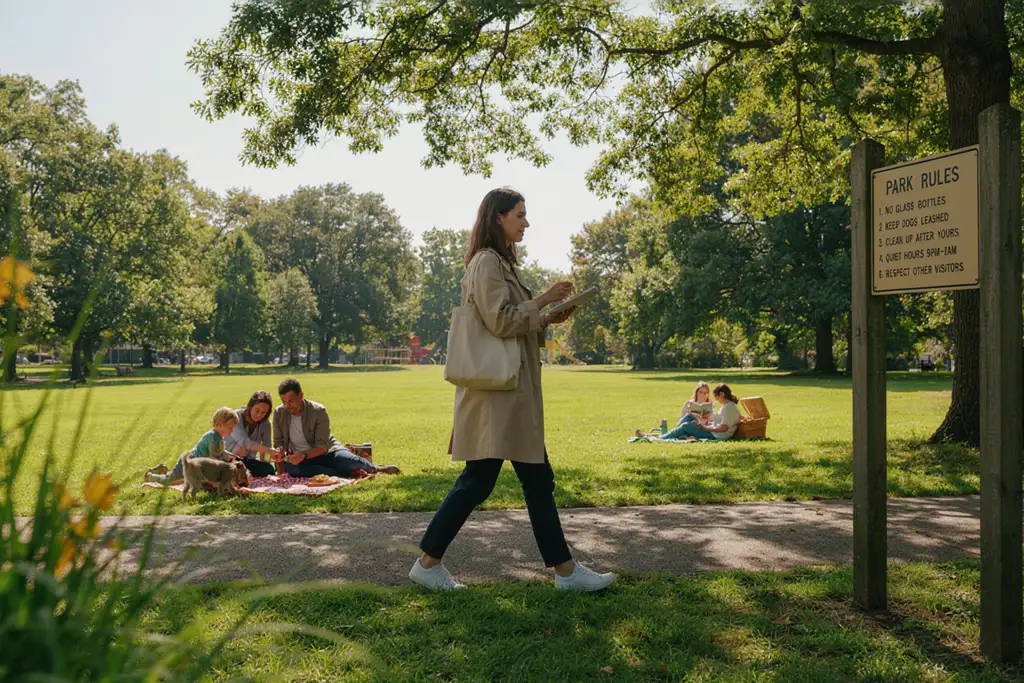
Walk the site before inviting anyone and check posted rules, grill zones, and shade patterns at your exact arrival time. Keep 15 feet from other groups, paths, and bathrooms.
I walk the site before inviting anyone. I look for posted signs, grill zones, dog areas, and fields booked for sports. I keep at least 15 feet from other groups, bathrooms, and pathways so we don’t block traffic or dominate a view.
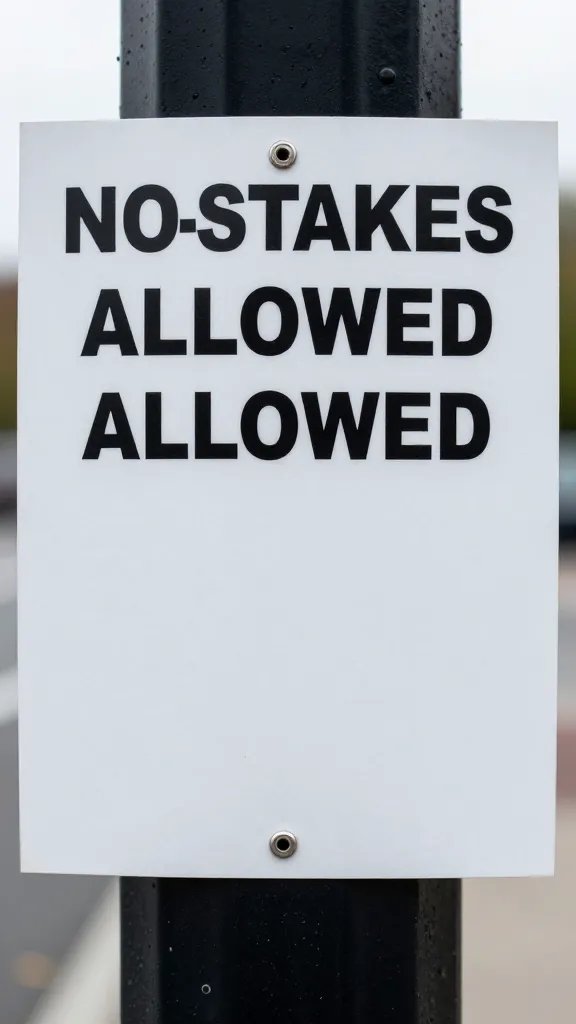
I check for shade patterns at the hour we’ll meet. I also confirm whether the park allows tents, hammocks, or tables—some parks ban stakes to protect roots and irrigation.
Action today: Visit your chosen park at the exact time of day you’ll host and mark two backup spots on your phone map in case your first choice is busy.
Invite With Clear Expectations (So No One Arrives Confused)
Include the exact pin, parking info, what to bring, and noise boundaries in your invite. Note any alcohol or grill rules from the park’s website and ask about allergies.
Guests relax when they know the plan. I include the exact pin, parking info, walk time from the lot, restrooms availability, and what to bring. I note noise boundaries—no amplified speakers, voices low after dusk—and any alcohol or grill rules from the park’s website.
Diet matters too. I ask about allergies and label shared dishes. If the park is dog-friendly on-leash only, I write “leashes required at all times” right in the invite to avoid debates on the grass.
Action today: Draft a two-sentence “What to bring/What to expect” note and paste it into your invite before you hit send.
Arrive Early and Stake Out Quietly
Get there 30–45 minutes early with a cleanup kit and set up in one move. Don’t claim public grills or tables you won’t actually use.
I get there 30–45 minutes early with a small kit: trash bags, wet wipes, paper towels, hand sanitizer, a basic first-aid kit, a roll of compostable dog bags, and a picnic blanket. I set up in one move—no spreading gear over multiple tables for “later arrivals.”
Noise etiquette starts at setup. I keep voices low, skip hammering stakes, and avoid claiming a public grill for an hour before use. If another group is clearly eying the table, I offer to share bench space or free it if we won’t actually use it.
Action today: Pack a one-gallon zip bag with your cleanup and first-aid essentials and leave it by your door so you never forget it.
Keep Sound Pleasant for Everyone Nearby
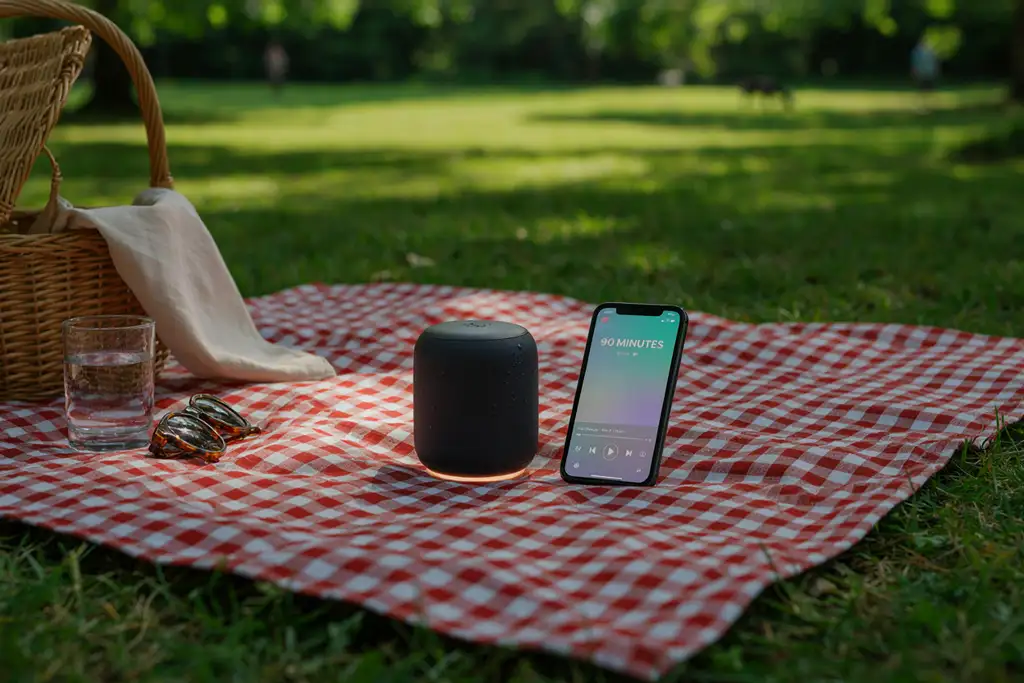
Use a small speaker at conversation-level volume, pointed inward, and turn it off after sunset. Choose games that don’t require shouting across fields.
Music etiquette decides whether you blend in or get complaints. Parks often ban amplified sound; even when allowed, I use a small speaker the size of a mug and keep volume low enough that you can talk at normal volume two blankets away. I set it near my feet, pointed inward, and never after sunset.
Games have sound too. I avoid yelling across fields, and I pick games that don’t require calling plays at full volume. If kids join, I bring bubbles, sidewalk chalk, and a frisbee—fun that won’t dominate the entire lawn.
Action today: If you plan music, build a 90-minute playlist of gentle background tracks and turn off autoplay so it actually ends.
Share Space and Pathways Like a Host, Not a Gatekeeper
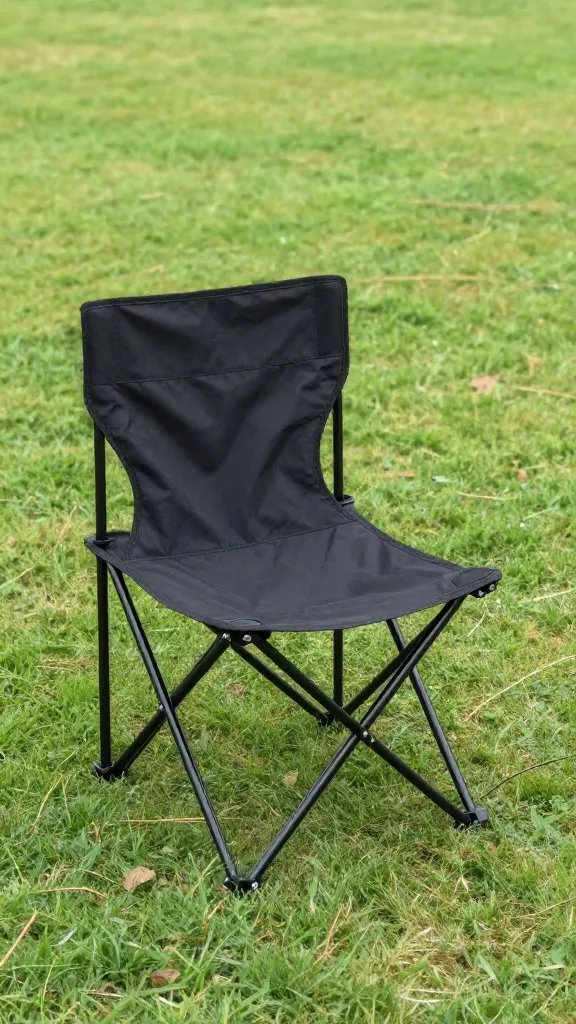
Keep blankets off walking routes and move first for strollers or wheelchairs. Share grills with a timer and step aside from photo spots after two minutes.
Paths and commons stay open. I keep blankets and chairs fully off walking routes, bike lanes, and access to water fountains. If a stroller or wheelchair needs a clear line, I move first without waiting to be asked.
Shared amenities deserve turns. With grills, I set a timer and offer space to the next person. With photo spots, I step aside after two minutes so families can use the same backdrop without asking.
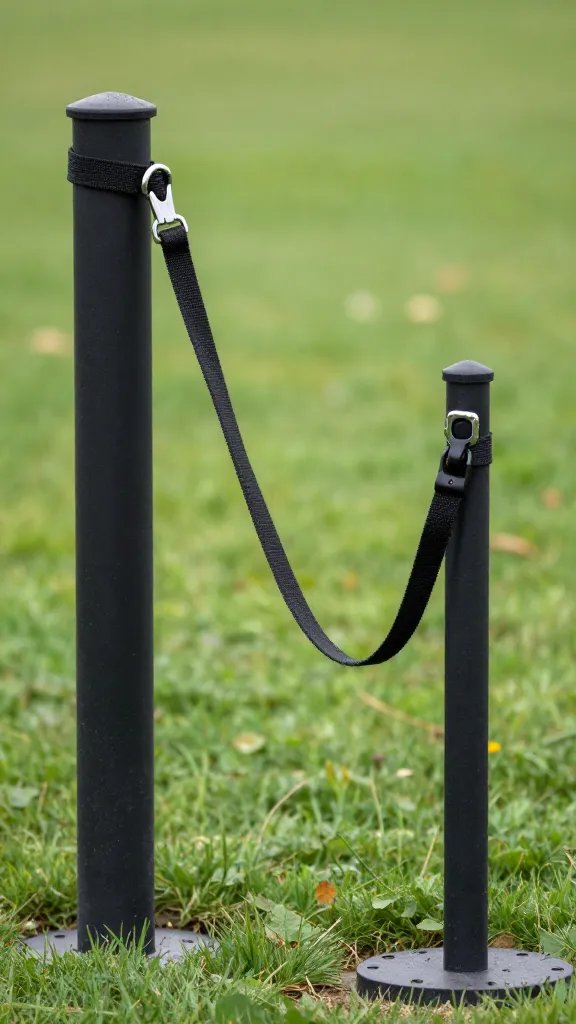
Action today: Bring a simple folding sign or cone (or even your backpack) to mark the edge of your blanket so it doesn’t drift into a path as people come and go.
Food Etiquette: Safe, Inclusive, and Low-Mess
Plan low-mess foods, separate nut items with their own utensils, and keep mayo-based dishes on ice. Wipe surfaces clean before you leave.
I plan food that travels well and leaves minimal crumbs: wraps instead of flaky pastries, cut fruit in lidded containers, and salads without messy dressings until serving time. I bring a cutting board and a sharp knife so I’m not sawing on benches.
Allergy safety matters. I separate nut items in sealed containers with their own serving utensils. I keep mayo-based dishes on ice with frozen water bottles in a cooler. I bring a spray bottle and cloth for quick table wipe-downs so we leave surfaces cleaner than we found them.
Quick Food Safety Checklist
- Keep cold foods below “feels cool to the touch” with ice packs or frozen water bottles.
- Use separate utensils for each dish to avoid cross-contact.
- Pack a small trash bag just for food scraps to tie off tightly—this deters wildlife.
Action today: Freeze two water bottles tonight to serve double-duty as cooler ice and cold drinks.
Grilling Without Smoke Wars or Scorched Grass
Only grill in marked areas, use a chimney starter instead of lighter fluid, and let ashes cool fully before bagging. Never dump coals on soil.
I only grill in marked areas. I use a small bag of hardwood lump or briquettes and start with a chimney—not lighter fluid—so smoke stays clean. I position the grill downwind of our group and at least 10 feet from trees and blankets.
Hot coals demand respect. I let ashes cool fully in the grill, then bag them in a sturdy, labeled bag if the park lacks ash bins. Never dump coals on soil—it scars turf and risks fires.
Action today: If you plan to grill, add a metal tongs, chimney starter, and one heavy-duty aluminum pan to your kit for clean ash handling.
Dogs, Wildlife, and Plant Respect

Follow leash rules every minute, pack extra waste bags, and never feed wildlife. Keep kids from climbing trees or pulling leaves.
I follow the posted leash rule every minute, even if my dog heels perfectly. Leashes protect kids, picnics, and nesting birds. I keep dogs off other blankets and away from grills and I pack extra bags for waste—no excuses.
Wildlife stays wild. I never feed ducks or squirrels; it harms their health and draws aggressive behavior. I keep kids from climbing low branches or pulling leaves—those plants hold the park together.
Action today: Clip a roll of compostable bags to your daypack and restock it the moment you use the last one.
Clean As You Go, Leave It Better Than You Found It
Weigh down cups and napkins immediately, do two trash sweeps, and scan for micro-litter like twist ties and bottle caps before leaving.
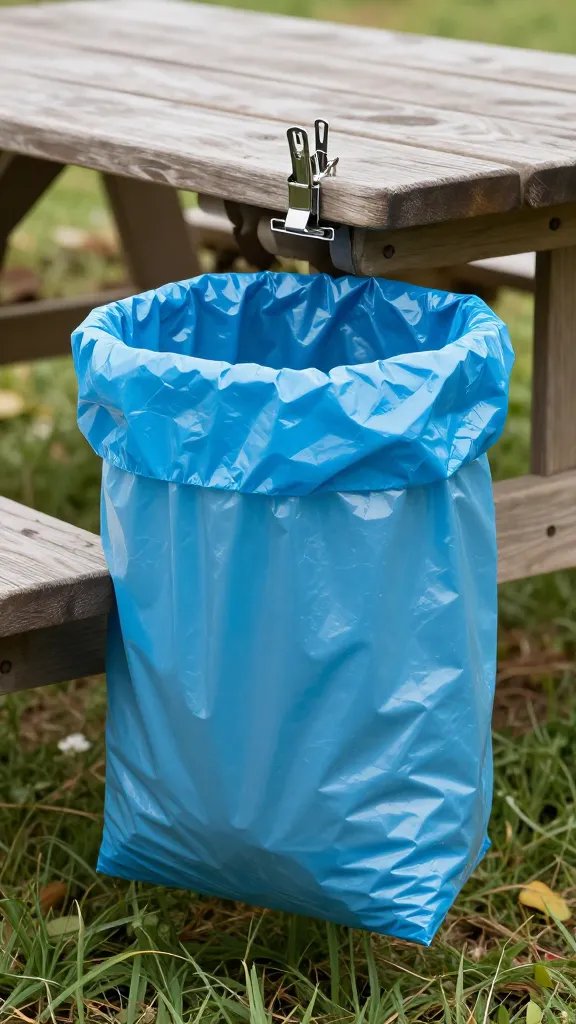
Wind is the enemy. I weigh napkins and cups with a water bottle the second I set them down. I do two trash sweeps: one midway and one five minutes before we leave. I separate recyclables if bins exist and tie off trash bags tight to block animals.
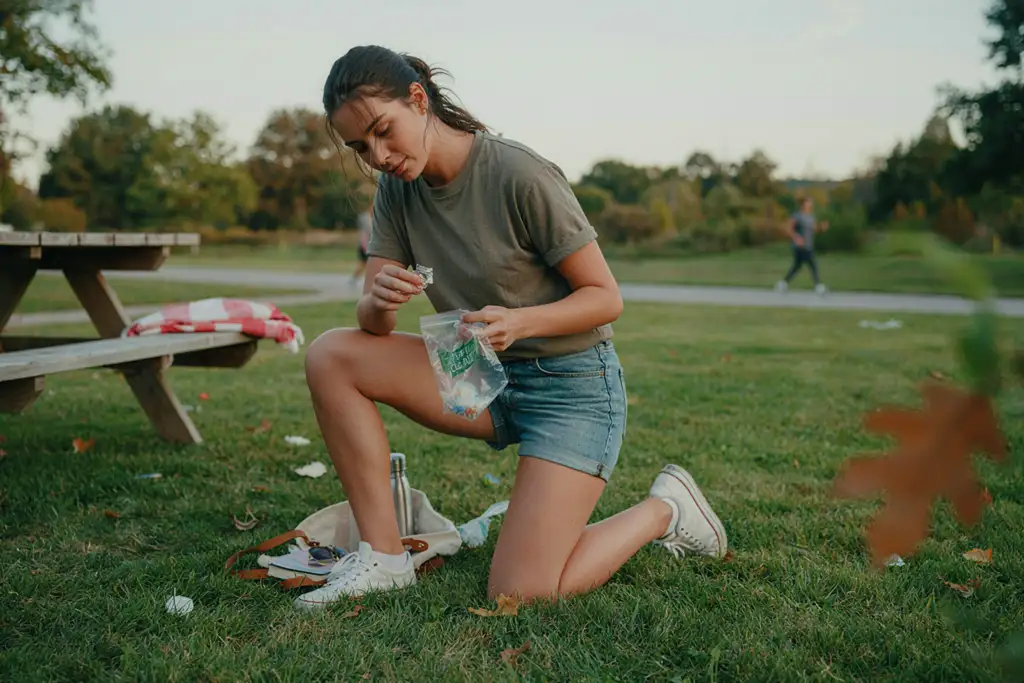
I scan for micro-litter—straw wrappers, twist ties, bread tags, bottle caps, cigarette butts. Those are the bits other groups miss and rangers notice first.
Two-Minute Exit Routine
- Walk a slow circle 10 feet beyond your blanket and pick up anything not natural.
- Wipe table surfaces, shake the blanket over a bin (not into the wind), and double-knot your trash bag.
Action today: Toss a contractor-grade trash bag into your kit; it won’t tear on sticks and glass.
Mind the Clock, Quiet Hours, and Group Size
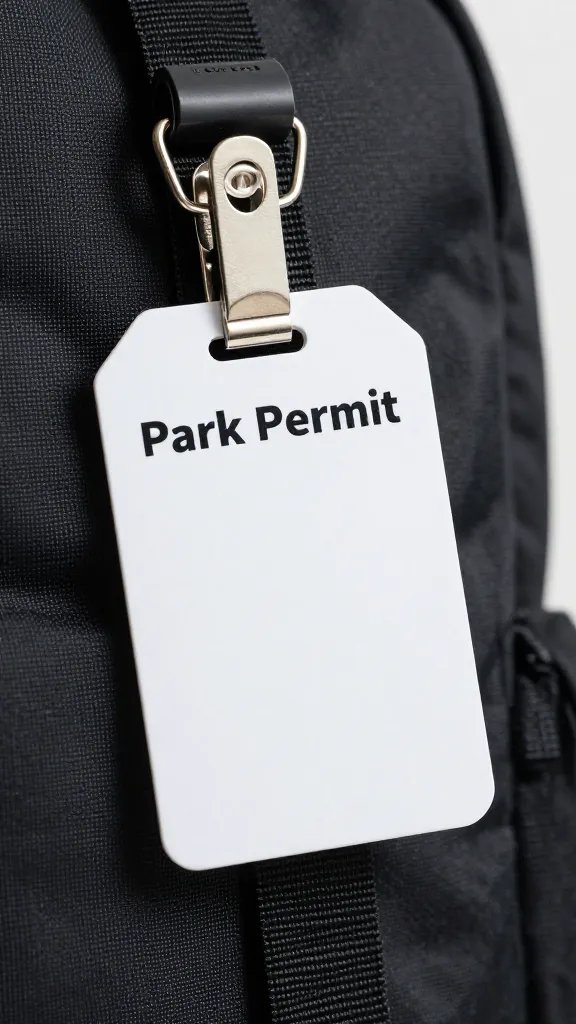
Set a hard end time 30 minutes before sunset. If your group exceeds 15 people, check whether the park requires a permit.
I set a hard end time that beats sunset by 30 minutes. That buffer gives us light to clean and avoids being the last noisy group. If your group is larger than 15, many parks require a permit—check the park site and get it a week in advance.
If a ranger asks for adjustments—music down, table cleared—I comply on the spot. A friendly yes keeps everyone happy and protects future outings.
Action today: Add your park’s closing time and quiet hours to your phone calendar for the event day with a 30-minute alert.
Quick Reference: Park Etiquette by Situation
| Situation | Key Rule | Biggest Risk | Quick Fix |
|---|---|---|---|
| Men hosting a BBQ in the park | Use marked grill areas only, chimney starter, downwind of others | Smoke drifting onto neighbours | Check wind with grass blades before lighting |
| Women hosting a garden party picnic | Keep speaker at conversation level, off after sunset | Music complaints from nearby groups | Build a 90-minute playlist, turn off autoplay |
| Older guests / relaxed gathering | Arrive early, claim one table, don’t sprawl | Losing the spot to a larger group | Reserve if the park allows, or arrive 45 min early |
| Younger crowd / high-energy outing | Choose games that don’t require shouting | Noise complaints and ranger visits | Frisbee, bubbles, chalk over competitive sports |
| Family with kids and dogs | Leash dogs every minute, define a play lane | Dog incidents or kids running through others’ setups | Short leash, play towel 6 feet from blanket |
| Formal picnic / engagement event | Get a permit if over 15 people, arrive early | Permit violations, spot conflicts | Book a week ahead, share the plan in the invite |
| Casual park outing (small group) | 15 feet from others, leave no trace | Micro-litter left behind | Two-minute exit sweep: walk 10 feet beyond blanket |
| Buffet / large gathering (20+) | Separate allergen items, label shared dishes | Allergic reaction or cross-contact | Sealed containers, own utensils, sticky-note labels |
Planning the food side? See our guide to delegating food for group picnics and our 50 picnic food ideas for crowd-tested options.
Frequently Asked Questions
Do I need a permit for a picnic with 12 people?
Most parks allow small groups without a permit, but thresholds vary. I check the park’s website for “Group Use” or “Picnic Area Reservations.” If permits start at 15, I still reserve a table when possible to avoid conflict. Call the ranger station if the website isn’t clear.
What’s the best way to handle trash if bins are overflowing?
I never stack trash next to a full bin—it becomes animal food. I bag my waste, tie it tight, and pack it out in the car trunk. I keep one spare bag for recyclables and drop both at home or a clean public receptacle on the way back.
How do I keep bees and wasps away from food?
Keep lids on sweet drinks and use clear containers so you can see inside. Serve sweets at the end, not the beginning, and wipe spills immediately with a damp cloth. Place a small plate with fruit scraps 15–20 feet downwind as a decoy if insects are persistent, and remove it when you leave.
Is music ever okay at a park outing?
Yes, within rules and courtesy. Use a small speaker at conversation-level volume and point it toward your group. Keep it off after dusk and avoid bass-heavy tracks that carry. If the park bans amplified sound, respect the rule and go acoustic or skip music.
What should I do if another group takes the spot I planned?
Public space is first-come, first-served unless you booked a reserved area. I use my backup pins and move without debate. If I must stay nearby, I introduce myself, explain our timing, and ask if we can share edges or rotate a table. A friendly tone solves most conflicts in one minute.
How can I host a low-waste picnic without special gear?
Bring reusable cups, a water jug, and a permanent marker for names. Use real forks and a dish tub to pack them home, or compostable utensils if washing isn’t realistic. Choose foods that don’t need single-use packaging and bring cloth napkins or a roll of paper towels you’ll pack out.
How far should my speaker be from other groups?
Walk six paces from your blanket and listen. If you can hear every word, it’s too loud. Point the speaker toward your group and keep it at your feet, never elevated. If the park bans amplified sound, respect the rule.
What’s the maximum group size without a permit?
Most parks allow groups of 10–15 without a permit, but thresholds vary by municipality. Check the park’s website for “Group Use” or “Picnic Area Reservations.” When in doubt, call the ranger station a week ahead.
How do I handle it if a ranger asks us to change something?
Comply on the spot without debate. A friendly response keeps everyone happy and protects future outings. If the request seems unclear, ask politely for clarification, but don’t argue in front of the group.
Can I use a pop-up canopy or tent in a public park?
Check the park’s rules first — many ban stakes to protect tree roots and irrigation systems. If allowed, use sandbags instead of stakes and keep the canopy within your footprint so it doesn’t shade neighbouring groups without permission.
What should I do with grill ashes if the park has no ash bin?
Let ashes cool completely in the grill, then transfer them to a heavy-duty bag labelled “cool ashes.” Never dump coals on soil — it scars turf and risks underground fires. Pack the bag out in your car if no bin is available.
Conclusion
You’re ready to host a park outing that feels easy for your guests and invisible to everyone else. Pick your spot with care, set clear expectations, and leave the lawn better than you found it. If you’ve been meaning to gather friends, send the invite today with your backup pins and a cleanup kit ready—your future self will thank you when the whole day runs smoothly.
For shade-specific etiquette, see our guide to sharing shade at the park.
Leave a Reply