Stop Ruining Meals Why You Should Never Season Food Before Trying It (Even at a Picnic)
· Yasmine Taljaard
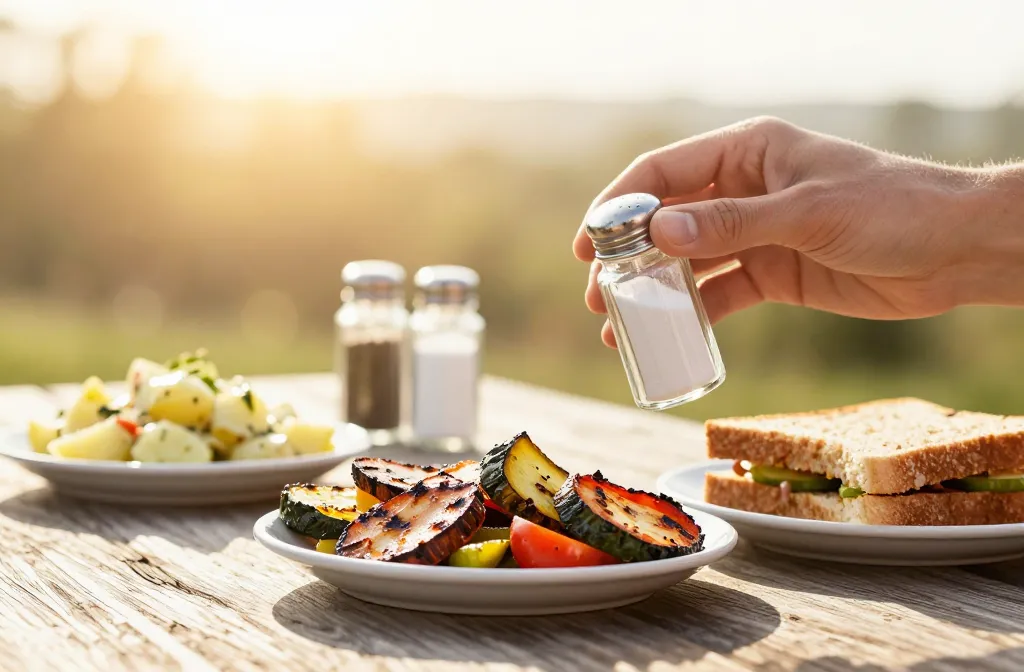
I’ve hosted enough backyard picnics to know the fastest way to ruin a great spread is to grab the salt before taking a bite. I used to do it out of habit — then wondered why my grilled veggies tasted flat and my potato salad turned briny. Once I learned how salt, acid, and heat actually land on your tongue, everything changed. In this guide, I’ll show you why tasting first protects flavor, avoids waste, and makes every dish easier to adjust — especially when you’re eating outdoors.
Your Tongue Needs A Baseline Before You Add Anything
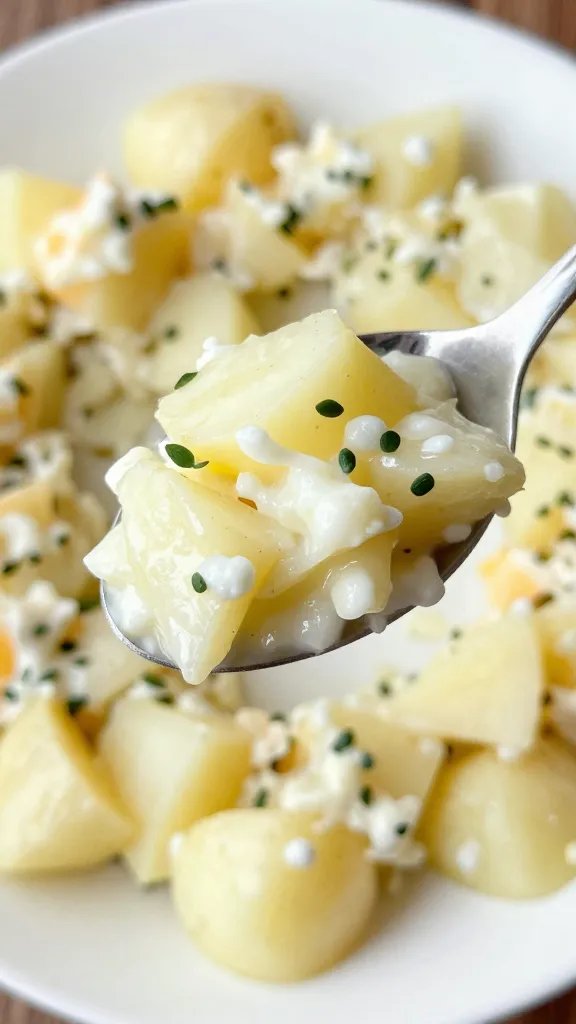
Seasoning works by balance, not by default. If you don’t know a dish’s starting point, any salt, pepper, or hot sauce you add is a blind guess.
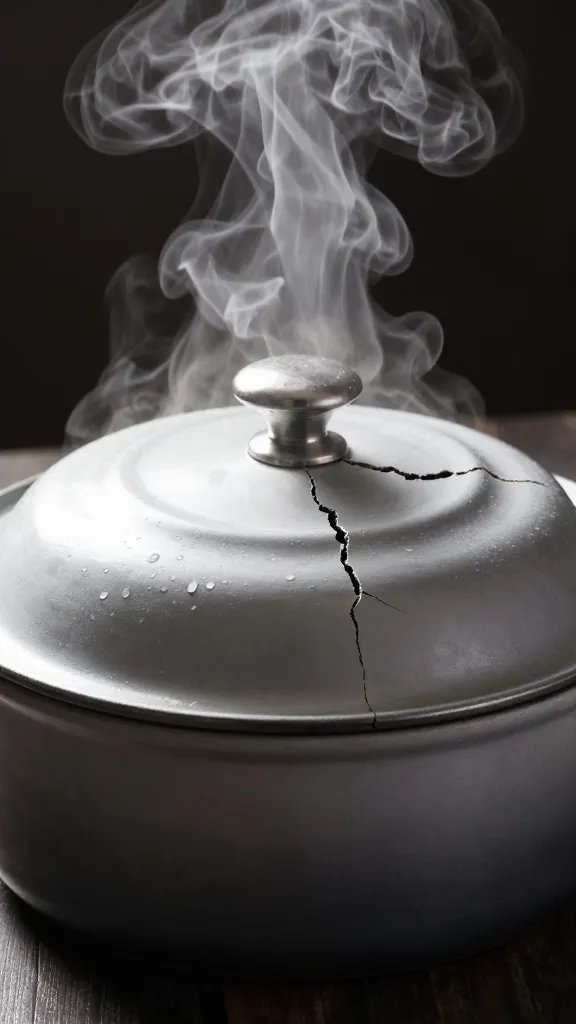
At a picnic, flavors shift after travel time. Steam trapped in a covered dish can dull aromatics, and chilled foods taste less salty than when warm. Tasting first tells you if it needs salt, acid, or nothing at all.
Action today: Take one bite of every dish before reaching for the shaker — then decide what’s missing.
Salt Is a One-Way Door — You Can’t Take It Back
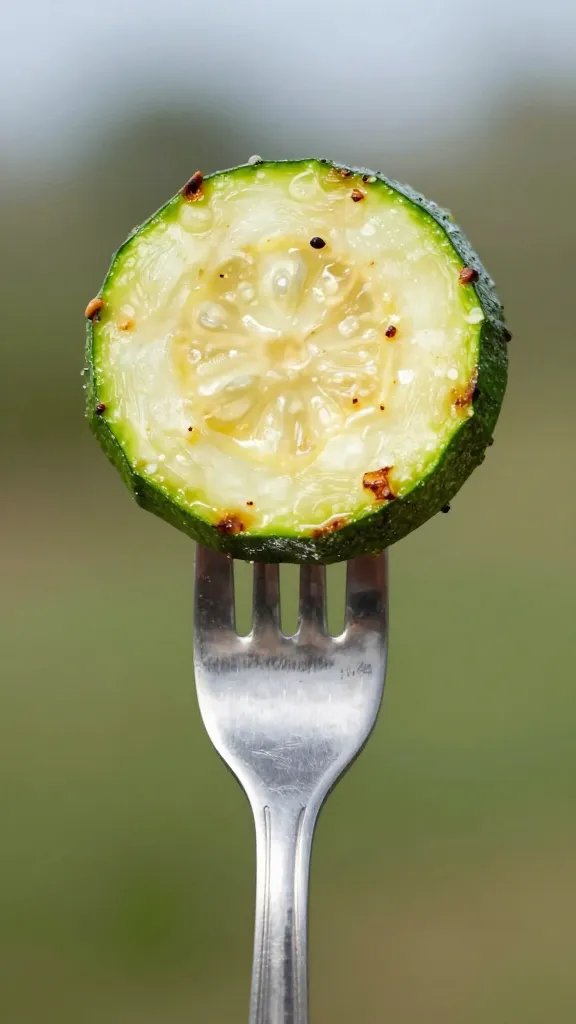
Once you oversalt, the fix costs time and ingredients. At home you can stretch a soup with water or add a plain starch. At a picnic, you likely can’t.
Outdoors, you also dehydrate faster and perceive salt more intensely as you snack. Pre-salting to “play it safe” makes you drink more and enjoy food less. Taste first and add small pinches if needed.
Quick Fixes If You Did Oversalt
- For salads: Add a handful of unsalted greens, cucumber, or chopped apple to dilute.
- For grilled items: Brush with unsalted butter or olive oil and a squeeze of lemon to soften harshness.
- For dips: Stir in plain yogurt, sour cream, or mashed avocado to rebalance.
Takeaway: Treat salt like permanent ink — test on a small corner before committing to the whole canvas.
Cold and Heat Change How You Perceive Seasoning
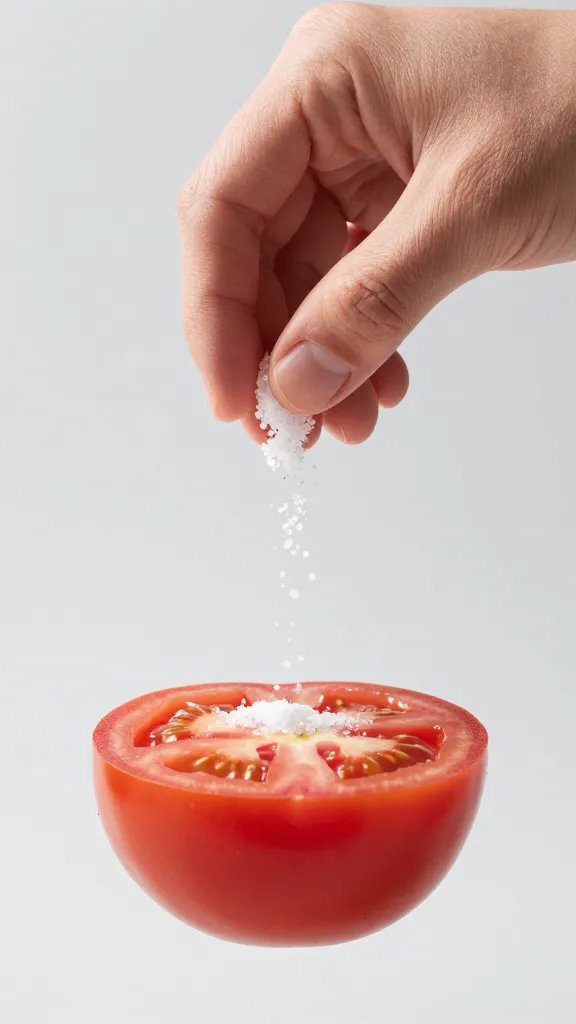
Cold foods register less salty, sweet, and aromatic than warm foods. That’s why fridge-cold potato salad tastes flat, then seems perfectly seasoned once it warms 10–15 minutes.
Hot-off-the-grill foods feel more intense in heat and spice because warmth boosts aroma. If you salt a burger while it’s blazing hot and taste again after it rests, it often crosses into too-salty territory.
Action today: Let chilled dishes sit at picnic temperature for 10 minutes and grilled foods rest for 3–5 minutes before adjusting seasoning.
Acid, Not Salt, Is Often What’s Missing Outdoors
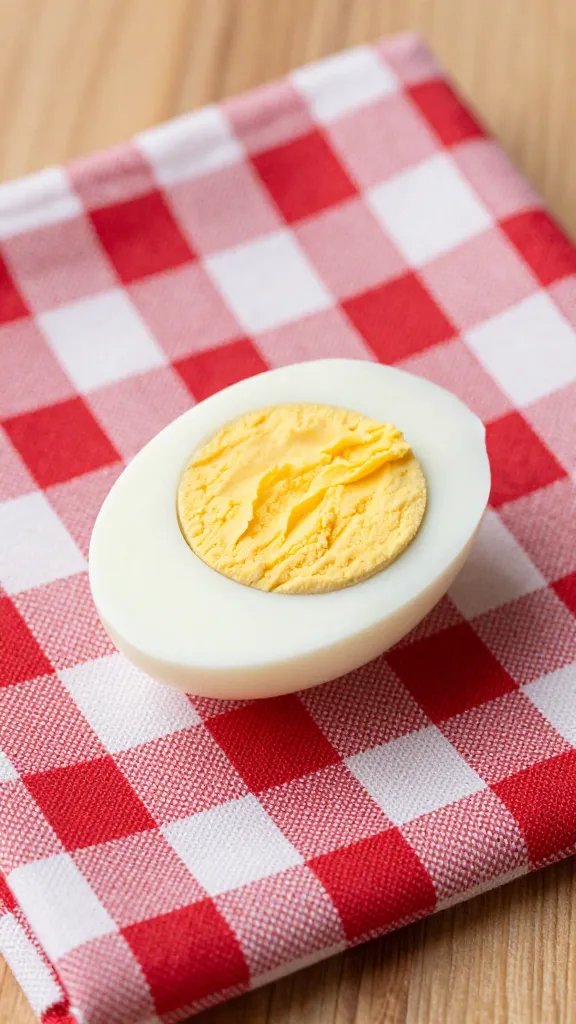
Wind, sun, and smoke dull perceived flavors. I reach for lemon, vinegar, or pickles far more than salt when eating outside. Acid brightens without making you thirsty or masking fresh produce.
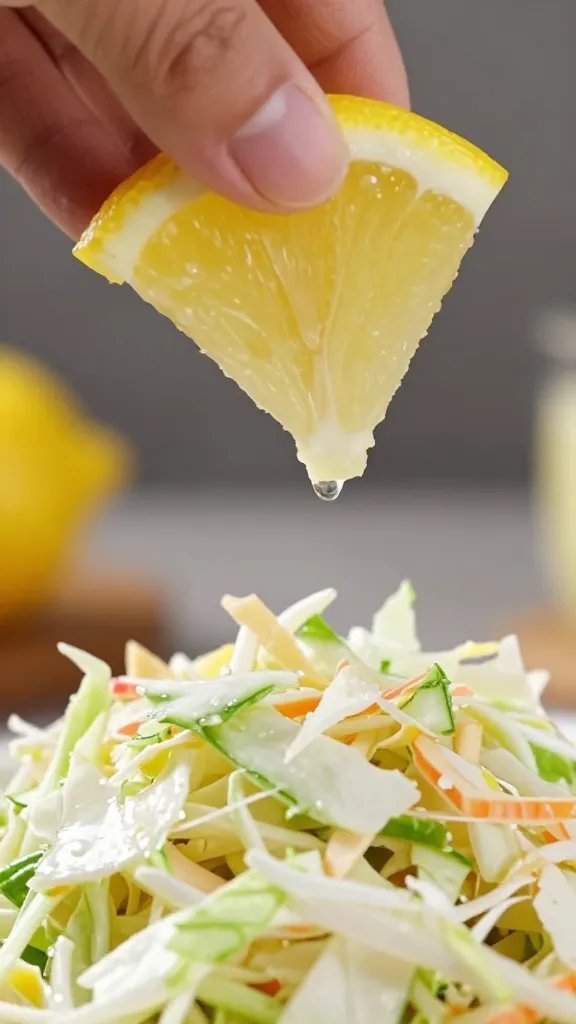
Start with small amounts: a squeeze of lemon over grilled zucchini, a splash of red wine vinegar in pasta salad, or a spoon of pickle brine in coleslaw. You’ll unlock sweetness and restore balance without oversalting.
Simple Acid Pairings That Work
- Grilled vegetables: Lemon or sherry vinegar
- Burgers or sausages: Dill pickle brine or sliced tomatoes
- Potato or bean salads: Red wine or apple cider vinegar
- Fruit salads: Lime juice plus a pinch of salt after tasting
Takeaway: When a dish tastes dull outdoors, reach for citrus or vinegar before salt.
Pre-Seasoning Hides the Cook’s Work and Wastes Good Ingredients
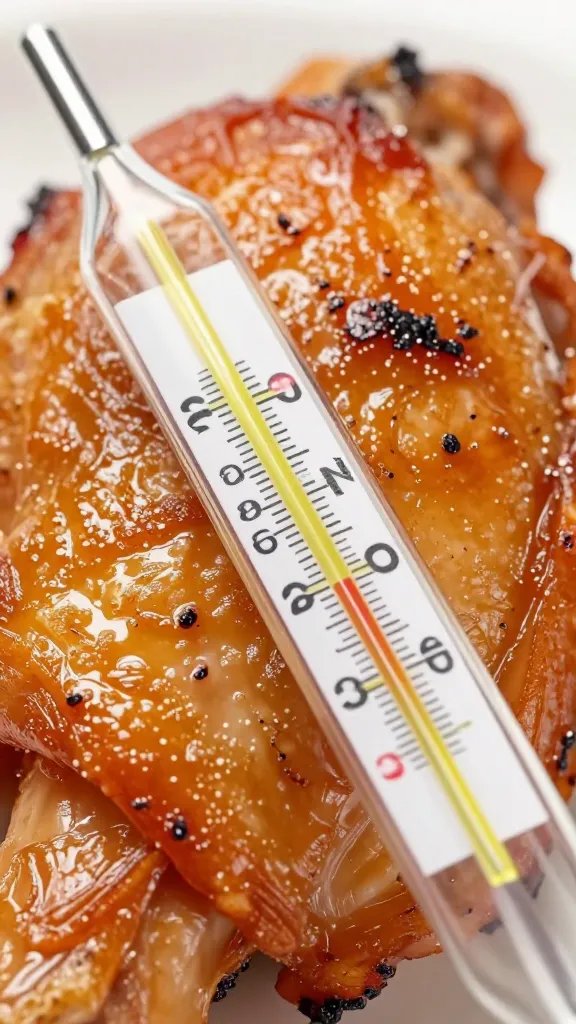
Good cooks layer seasoning during cooking to draw out natural flavors. If you blanket a dish with salt or hot sauce before tasting, you bulldoze those layers.
You also miss the cook’s intended balance. A slow-roasted tomato already carries natural umami and sweetness; extra salt flattens it. Give the dish one honest bite as served, then adjust on your own plate if needed.
Action today: Commit to one “respect bite” of every dish as-is before you season anything.
Seasoning at the Table Works Best in Tiny, Targeted Doses
When you do add salt or spice, do it precisely. Sprinkle over the surface you’ll bite, not the whole plate. Surface seasoning hits your tongue first and delivers more flavor with less salt.
Use a pinch between fingers, not a heavy shake. For hot sauce, dot a few drops and spread with your fork. Small, surface-level adjustments give you control and reduce the chance of overcorrecting.
Action today: Season a single bite, taste, then season the rest if it’s truly better.
Pack a Smarter Picnic Seasoning Kit
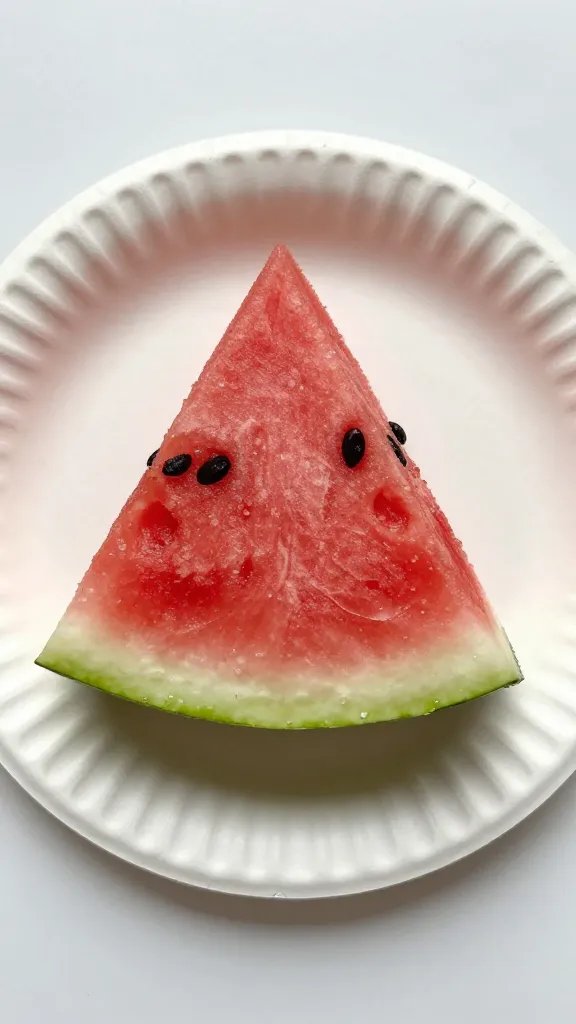
I stopped carrying a giant salt shaker. Instead, I bring a compact kit that lets me brighten or balance fast without wrecking a dish.
- Acid: Lemon wedges in a small container; a mini bottle of apple cider or red wine vinegar.
- Heat: A small hot sauce or chili flakes for targeted spice.
- Crunch and freshness: A container of chopped herbs (parsley, dill) and toasted seeds or nuts.
- Fat for smoothing: A small jar of olive oil or a few butter pats wrapped in foil.
- Salt control: A tiny pinch tin, not a shaker, to prevent heavy pours.
Takeaway: Swap the big shaker for lemon, vinegar, and a pinch tin — you’ll fix more dishes with fewer mistakes.
Frequently Asked Questions
Is it rude to season my food at a friend’s picnic?
No — but taste first to respect the cook’s work. If you adjust, do it subtly on your own plate, not over the shared platter. Use a small pinch of salt or a few drops of acid. A quick “It’s great — I’m adding extra lemon because I love it bright” keeps it gracious.
Why does my potato salad taste fine at home but bland at the park?
Cold mutes salt and aroma. Let the salad warm on the table for 10 minutes, then taste. If it’s still dull, add 1–2 teaspoons of vinegar and a handful of chopped herbs per medium bowl and retaste before adding any salt. The brightness usually solves it.
How do I fix an oversalted grilled steak at a picnic?
Slice the steak thinly and drizzle with olive oil and lemon juice. The fat and acid mellow the salt while spreading the flavor. Serve with unsalted sides like plain greens or grilled zucchini to balance each bite. Avoid adding pepper or salty sauces.
What’s the best way to season burgers at the table?
Taste a small bite first. If it needs help, add acid-rich toppings like tomato, pickles, or a dash of vinegar-based hot sauce before using salt. If still lacking, add a light pinch of salt to the exposed patty surface, not the bun. Rest a minute and taste again.
My fruit salad tastes flat — should I add sugar or salt?
Taste first, then add acid before anything else. A squeeze of lime and a tiny pinch of salt wakes up sweetness more effectively than extra sugar. If the fruit is underripe, add a teaspoon of honey per medium bowl after the lime. Toss and retaste.
How do I avoid over-salting when sharing shakers with a crowd?
Use a clean, dry palm or the back of your hand as a landing pad: shake a little there first, then pinch onto your plate. This gives visual control and prevents a heavy pour. If that’s not possible, open the shaker and use two-finger pinches. Always season one bite, taste, then continue.
Conclusion
Tasting first is the simplest way to protect flavor, avoid waste, and respect the cook — even more so outdoors, where temperature and environment warp how seasoning lands on your tongue. Today, pack lemon wedges, a mini vinegar, and a pinch tin for salt, and promise yourself one honest bite before adjusting anything. You’ll serve better food, need fewer “fixes,” and enjoy every picnic a lot more.
Leave a Reply