Mastering the Art of the Picnic Handshake: Meeting New People in Casual Settings
· Yasmine Taljaard

I learned the art of the picnic handshake the hard way—standing at a neighborhood potluck with potato salad in one hand and no idea what to do with the other. I’ve hosted garden meetups and block parties where half the guests met for the first time under string lights and paper plates. Casual settings create brilliant openings, but they also blur the social script. In this guide I’ll show you a simple, polite, and relaxed way to greet new people outdoors—so you start conversations that actually go somewhere.
What a Picnic Handshake Actually Is

A picnic handshake is a brief, friendly greeting adapted to casual, food-in-hand spaces. It respects personal space, keeps things clean, and signals openness without turning the moment into a formal interview.
The goal is not a corporate grip. The goal is a light, confident connection that clears the path to simple conversation about where the lemonade is, who brought the basil salad, or which dog belongs to whom.
Action today: Decide your default: a light handshake at arm’s length, a small wave if hands are full, or a palm-to-chest nod for crowded moments. Lock it in before your next event.
Set the Stage Before You Reach Out
Your approach matters more than your grip. Face the person at a slight angle, keep a relaxed posture, and leave at least an arm’s length of space before initiating contact.
Keep your right hand clean and visible. If you’re holding a plate, shift it to your left or to a surface. Make eye contact for one second and smile lightly—longer eye contact reads intense in casual settings.
Warning Signs You’re Starting Cold
- Cluttered hands: Plate, napkin, and drink all in the same hand.
- Closed shoulders: Torso turned away while you extend a hand.
- Ambush angle: Reaching from behind or the side without a cue.
Action today: Practice the micro-reset: set plate down, turn torso toward the person, visible right hand, small smile—three seconds total.
The Clean, Casual Grip That Always Works
Offer your hand at a slight downward angle with fingers together and thumb up. Aim for finger-to-finger contact, not a palm crush. Apply light pressure—about enough to hold a paperback—then release after one gentle pump.
Keep it brief: one to two seconds. Pair it with a simple opener: “Hi, I’m Alex—thanks for coming out,” or “I’m Alex—we haven’t met yet.” Names first, then context.
Step-by-Step: The Picnic Handshake
- Prep: Free your right hand; wipe it clean with a napkin if needed.
- Align: Turn to face them; one step of space.
- Signal: Eye contact + smile + “Hi, I’m [Name].”
- Grip: Light pressure, one pump, release.
- Bridge: Add a context line: “Did you try the watermelon yet?”
Action today: Practice the one-pump release with a friend—two seconds max, then talk.
When Hands Are Full: Alternatives That Still Feel Polite
At picnics, people juggle cups, kids, and dog leashes. For full hands, switch to a no-contact greeting without awkward apologies.
- The Small Wave: Lift your forearm to shoulder height and tilt it once. Pair with your name.
- The Cup Tap: Lightly lift your cup an inch—works when you’re mid-bite.
- The Palm-To-Chest Nod: Open palm to your chest; quick nod; “I’m Alex—nice to meet you.”
- Fist Bump: Accept only if the other person offers first; one tap, no flourish.
Action today: Choose your no-contact default and rehearse the line: “Hands full—I’m Alex. Great to meet you.”
Names That Stick: How to Remember Without Awkwardness
Names slip when there’s food, music, and kids running around. Lock the name in immediately with a simple repeat and a tag.
Use the three-beat method: hear it, say it back, anchor it. “Sofia? Great to meet you, Sofia. Are you with the herb pasta?” The anchor ties the person to a visual cue so you recall them later.
Fixes If You Forgot Already
- Own it fast: “I lost your name—remind me?” Then repeat it once.
- Use introductions: Pull in a third person: “Have you met Jordan?” Let them exchange names while you listen.
- Context recall: “We talked by the grill earlier—Alex.” Offer yours again to prompt theirs.
Action today: Try the anchor line at your next event: “Name + repeat + visual tag.”
Reading the Room: Touch, Timing, and Cultural Cues

Not everyone wants a handshake outdoors. Watch shoulders and hands first: if their hands stay occupied or they keep a half-step back, default to a wave and a name.
Adjust for age and culture. For elders, lean respectful and slower. For kids, skip the handshake—wave and squat slightly to their eye level. If someone offers an alternative, mirror it once and move on.
Warning Signs to Back Off
- Hidden hand: They keep both hands on items and don’t shift.
- Minimal eye contact: Their gaze moves past you quickly.
- Micro-step away: They add space during your approach.
Action today: Make a personal rule: if the other person doesn’t show a free hand, use the small wave every time.
Bridge The Handshake To Real Conversation
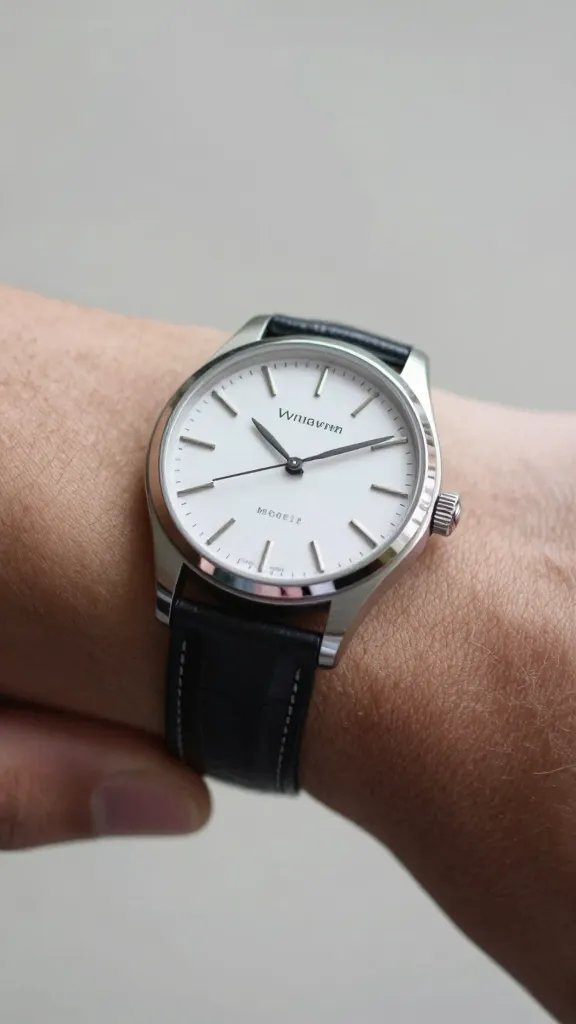
The handshake should unlock easy talk, not stall it. Use the space you’re in—food, shade, pets, or the view.
Ask one simple, answerable question and give a detail about yourself. “I’m Alex—I brought the rosemary lemonade. Are you more team sweet or tart?” Then listen fully and offer one short follow-up.
Go-To Openers That Fit Picnics
- “Where did you find a spot in the shade?”
- “Which dish have you gone back for?”
- “Is that your lab? He’s eyeing the chips like a pro.”
- “I’m staking out the watermelon—want a slice?”
Action today: Memorize two openers from the list and use one within 10 seconds of greeting someone new.
Frequently Asked Questions
What if my hands are messy or wet from food?
Don’t apologize at length. Smile, show your hands, and say, “Hands messy—I’m Alex,” with a small wave. If you really want the handshake, wipe with a napkin first and then offer your hand. Keep it light and quick to avoid calling extra attention to it.
How firm should a picnic handshake be?
Use a light, friendly grip—about the pressure you’d use to pick up a ripe peach without bruising it. One gentle pump, two seconds, then release. If the other person squeezes harder, don’t match it; maintain your light pressure to keep the tone casual.
Is a fist bump acceptable at casual events?
Yes, when the vibe is playful or hands are less than clean. Let the other person offer first or signal it clearly with a small lift of your closed hand. Tap once and drop—no wind-ups or prolonged contact. Pair it with your name so the greeting still anchors.
How do I greet a group instead of one person?
Approach at a natural pause, make eye contact with the nearest person, and introduce yourself to the group with a small wave. If hands are free, shake the nearest person’s hand only, then verbally acknowledge the rest: “I’m Alex—nice to meet everyone.” Ask a group-friendly question like, “Which table has the best desserts?”
What if someone refuses the handshake?
Mirror their preference without comment. Switch to a small wave and keep your smile. Move straight into a simple opener: “I’m Alex—have you tried the lemonade?” This keeps momentum and prevents awkwardness.
Conclusion
You don’t need a perfect grip to make a great first impression—you need a clean, visible greeting, a name that sticks, and one easy bridge to conversation. Decide your default greeting, practice the one-pump release, and memorize two picnic-friendly openers. At your next casual get-together, try these steps with the first new person you see and watch the rest of the interactions get easier.
Leave a Reply