How to Respect Park Wildlife: the Etiquette of Not Feeding the Animals Now
· Yasmine Taljaard
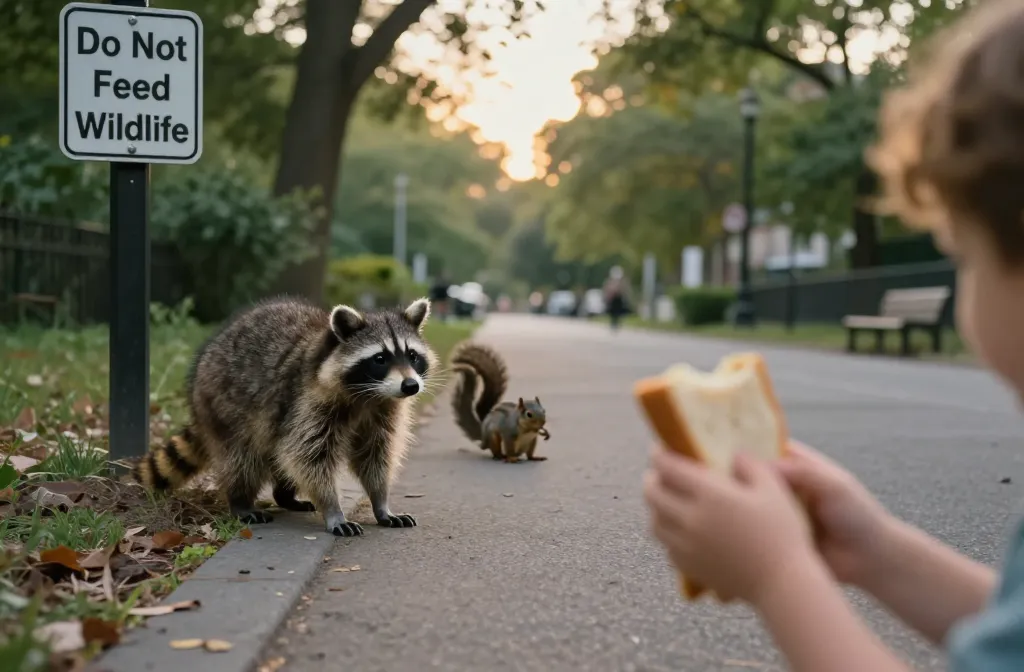
I used to toss a few peanuts to squirrels on my morning park loop because it felt kind and harmless. Then I watched a raccoon approach a stroller, bold as a stray dog, searching for snacks. That moment rewired how I walk in green spaces. In this guide, I’ll show you exactly why feeding wildlife backfires, what to do instead, and how to keep your family and the animals safe every time you visit a park.
Why Feeding Wildlife Harms Animals You Care About
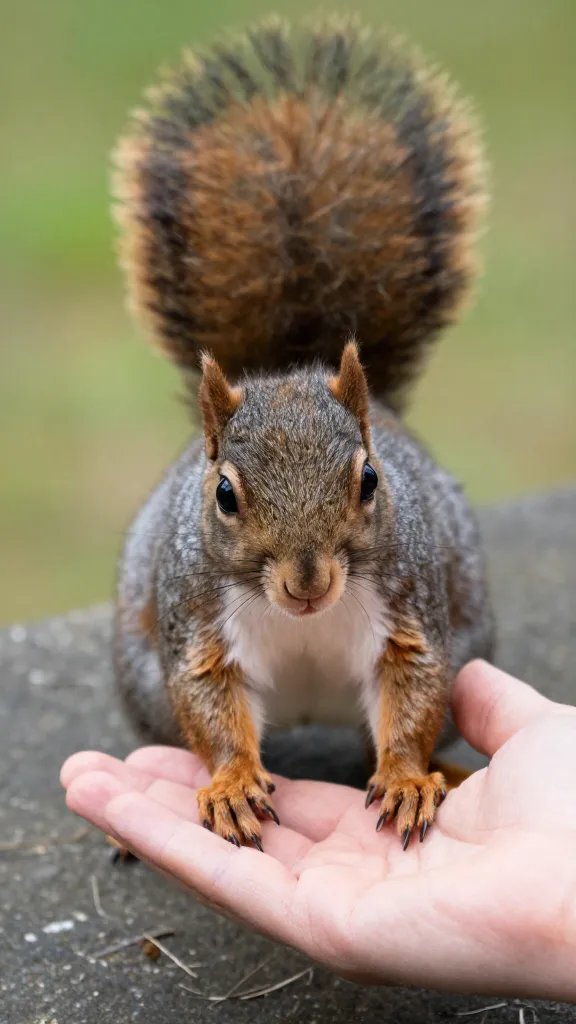
Handouts train animals to trade natural foraging for easy calories. They stop learning seasonal foods, lose fitness, and crowd into risky areas like roads and picnic sites.
Human food unbalances their diet. Bread, chips, and sweets cause malnutrition in ducks, songbirds, and squirrels, leading to weak bones, poor feathers, and higher disease risk.
Animals that associate people with food get bolder. That increases bites, vehicle strikes, and euthanasia of “nuisance” animals — all rooted in our snacks.
Action today: Leave all food in your bag and enjoy watching natural behaviors from 30 feet (about two car lengths) or more.
Understanding “Food-Conditioning” And Why It Escalates
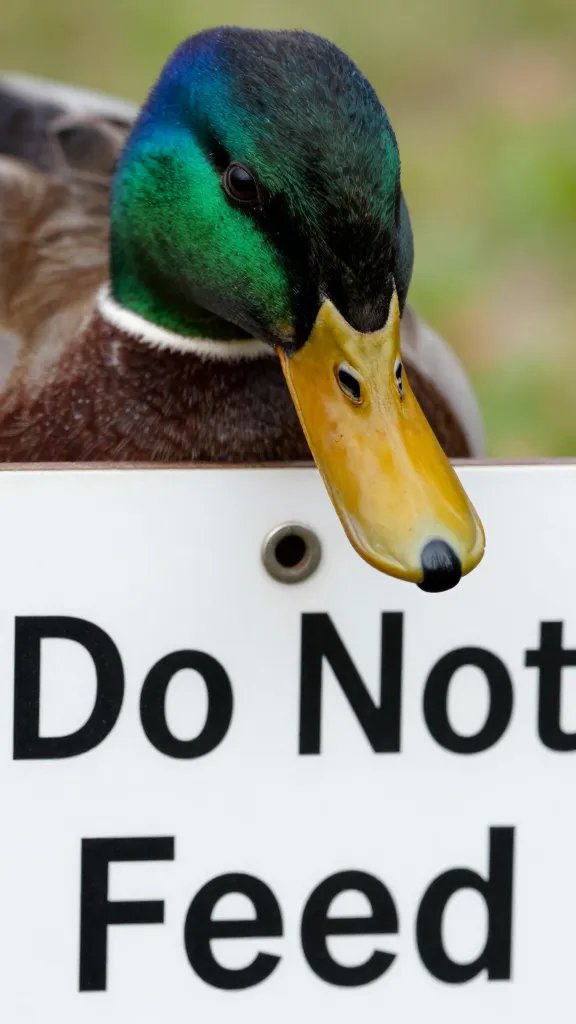
Food-conditioning means an animal links humans to calories. One granola bar today becomes persistent begging tomorrow, then aggression when snacks don’t appear.
Parks track this pattern: complaints rise, then property damage, then bites. Management steps in with hazing or removal — outcomes that started with casual feeding.
Conditioned wildlife also teach young to beg. A single season is enough to change behavior in a whole local group.
Takeaway: Don’t be the “first treat” that starts a conditioning chain. No feeding, ever — even “just this once.”
Spotting Unhealthy Animal Behavior Caused By Handouts
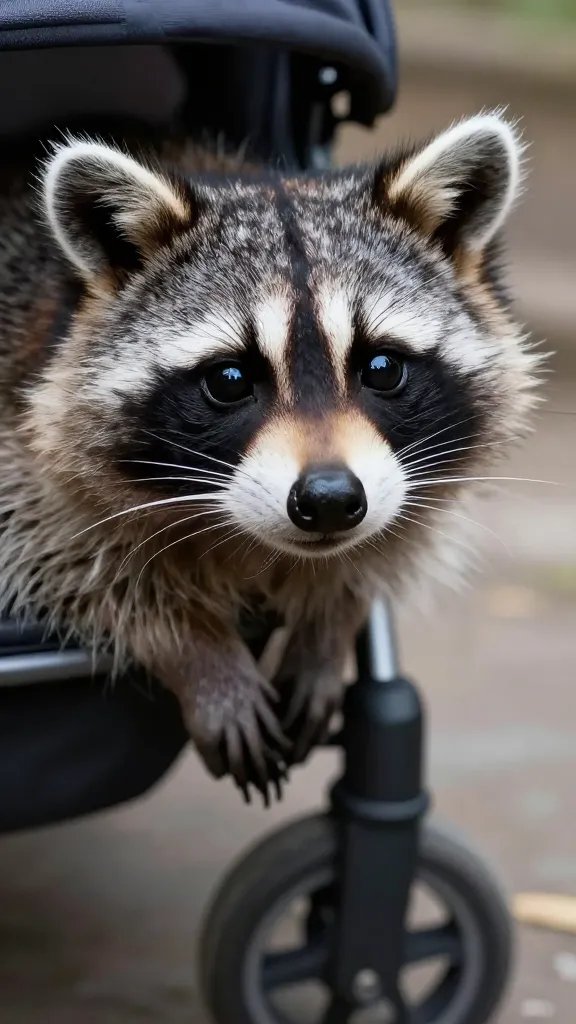
Watch for clumped groups of ducks, squirrels approaching hands, or raccoons active in daylight around bins. These are red flags of food-conditioning.
Sick or malnourished birds show angel wing (twisted wing tips) from high-carb diets, patchy feathers, and lethargy. Overcrowded ponds carry more parasites and algae blooms fueled by leftover bread.
Warning Signs You Can Confirm From A Path
- Animals following anyone rustling a bag or opening Velcro.
- Ducks panting on hot days near shore where bread is tossed — water quality often degraded.
- Chewed backpack straps and strollers near picnic lawns.
Action today: If animals approach you, stop, stand still, and secure your food. Wait until they lose interest before moving on.
What To Do Instead: Safe, Respectful Wildlife Encounters
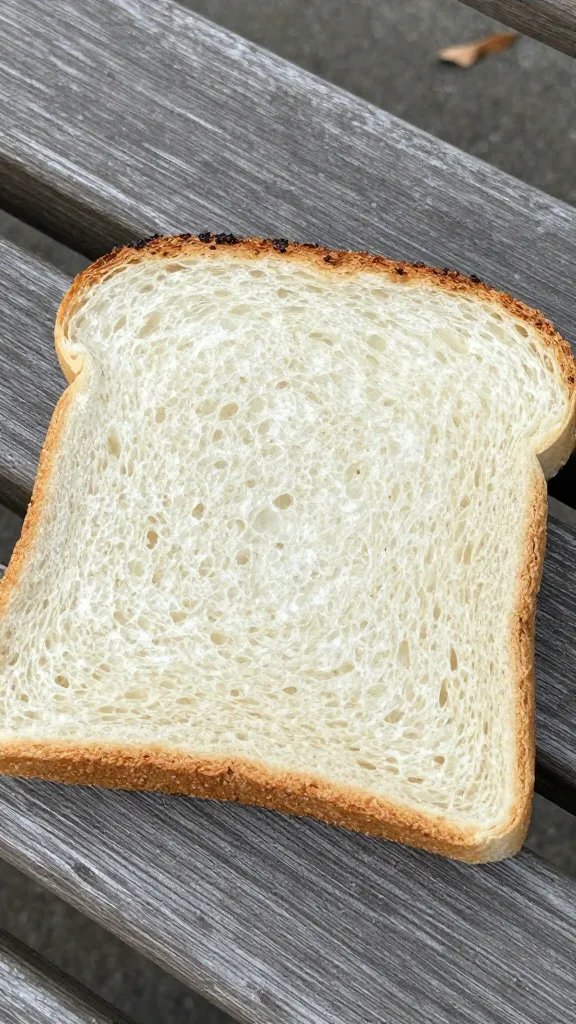
Swap feeding for observing. Use time and distance to see real behavior: foraging, preening, caching, and territorial calls.
Pack simple tools: a compact pair of binoculars, a pocket field guide app, and a phone for photos on zoom. You’ll see more without changing what the animals do.
Choose low-disturbance routes at dawn or late afternoon when wildlife is most active naturally. Move quietly, pause often, and keep pets on a short leash.
Action today: Set your camera to 2x–3x zoom and aim for five minutes of silent watching instead of any feeding.
How To Handle Kids, Guests, And Group Pressure Without Awkwardness
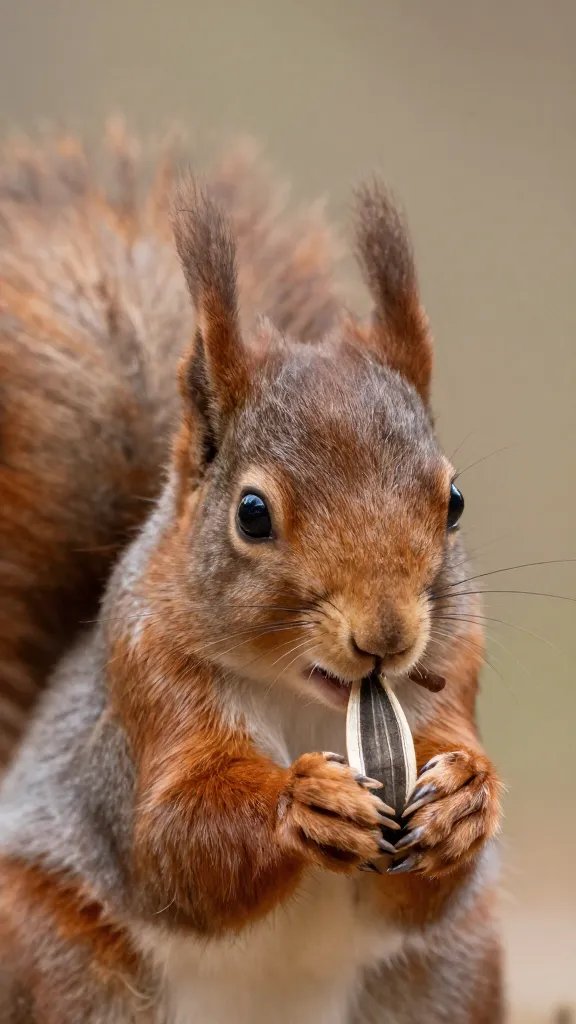
Feeding often starts with good intentions — showing kids a close look. Give them a job that feels just as interactive: counting species, spotting tracks, or listing colors on a bird.
Carry one simple script: “Feeding makes them sick and bold — let’s see what they find on their own.” Then redirect with binoculars or a scavenger list.
If someone offers snacks to share with animals, step in kindly but firmly. Offer to store the food and suggest a photo challenge instead.
Action today: Print or note a 5-item scavenger hunt (feather, acorn, web, hole in a tree, floating leaf) and use it to replace feeding urges.
Food, Trash, And Smells: The Invisible Invitations You Control
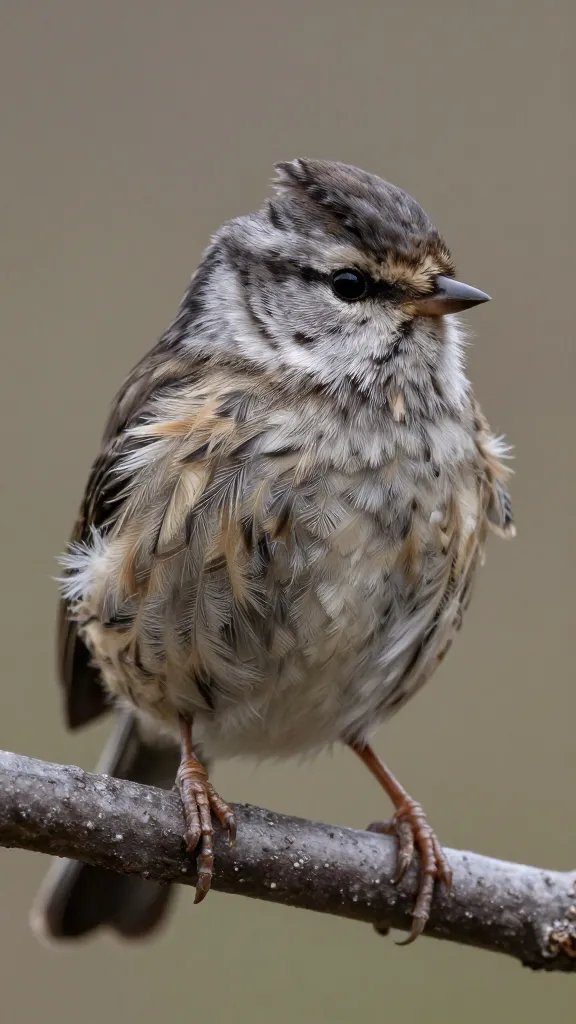
Even sealed snacks broadcast scent. Open food only at designated picnic spots, finish it, and seal leftovers before you stand up.
Use the park’s bear boxes or latched bins where provided. If none, double-bag trash and pack it out. Wipe picnic tables to remove residue that draws animals after you leave.
Don’t leave bowls for pets — they attract wildlife and spread disease. Offer water by hand or keep it with you.
Action today: Keep a gallon zip bag in your daypack for all food wrappers so you never use an overflowing bin.
Better Ways To Help Wildlife Long-Term
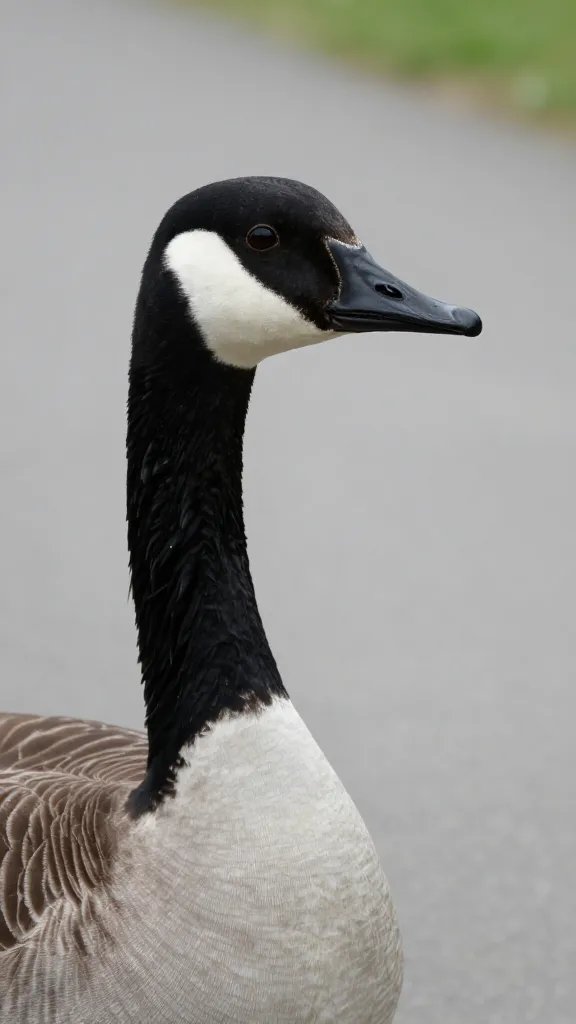
Feeding is short-term and harmful. Support habitat instead: plant native shrubs on your balcony or in your yard, and keep window boxes pesticide-free.
Join a park cleanup or invasive-plant pull for two hours a month. That removes hazards and opens space for native food plants animals actually need.
Back local rehab centers or park friends groups with small donations or supplies from a hardware store: contractor bags, gloves, or loppers.
Action today: Pledge one volunteer morning next month with your local park group and add it to your calendar now.
What To Do If An Animal Seems Hungry Or Injured
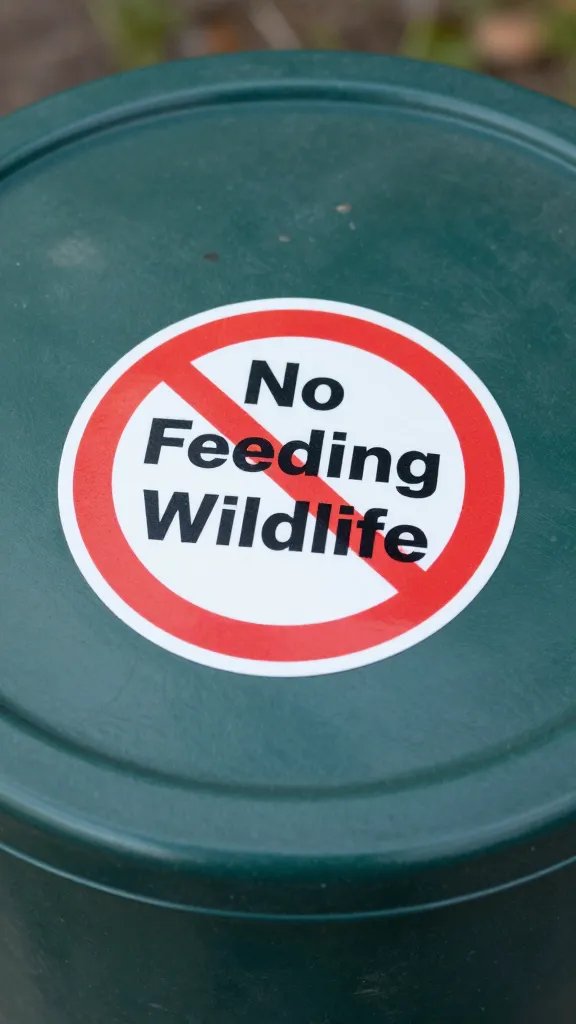
Don’t feed to “help.” Feeding masks symptoms and draws more animals, increasing stress on the one that needs care.
Note exact location, species, and behavior. Look for posted numbers at trailheads or use the park website to contact rangers or licensed rehabbers.
Keep at least 30 feet away (100 feet for larger wildlife like deer, 300 feet for predators). Secure pets and step back until officials arrive.
Action today: Save your park’s ranger station and local wildlife rehab number in your phone before your next visit.
Frequently Asked Questions
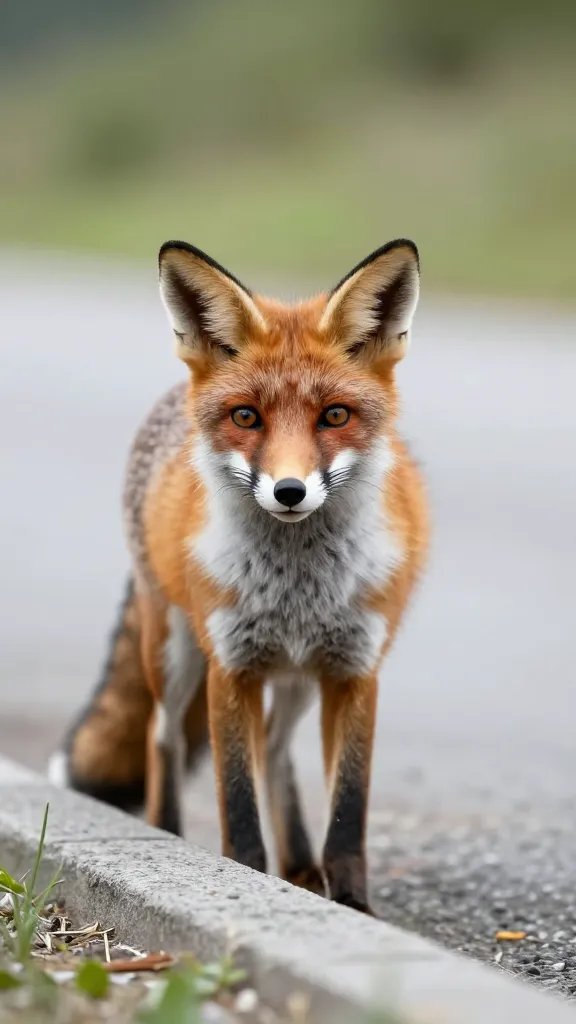
What if I only feed birds with “healthy” seeds?
Even quality seed changes behavior near paths and benches. Concentrated feeding sites increase disease like salmonellosis and spread mites. If you want to support birds, plant native seed-bearing flowers at home, clean any feeders every two weeks with a 1:10 bleach solution, and never feed inside parks that restrict it.
Is tossing a little bread to ducks really that bad?
Yes. Bread swells in the crop, offers almost no nutrients, and fuels algae blooms that rob oxygen from ponds. It also causes angel wing in young waterfowl. Skip bread entirely and let ducks graze natural plants and invertebrates along the shoreline.
How far should I stay from park animals?
Use the “thumb test”: extend your arm and raise a thumb — if the animal fits behind your thumb, you’re at a decent distance. As a rule, keep 30 feet from small wildlife, 100 feet from large animals like deer, and 300 feet from predators. If the animal changes direction or stares at you, you’re too close — step back immediately.
What if an animal approaches my picnic table?
Close your food, stand up, and give it space without waving food or hands. Don’t run or try to “shoo” with snacks. Wait until it moves on, then wipe the table and pack up if it returns repeatedly — that’s a sign of heavy conditioning in the area.
Can I scatter “natural” foods like nuts or fruit?
Scattered food still concentrates animals and spreads disease. It also teaches them to search near people instead of in habitat. Leave natural foods on the plants they grow on, and support native plantings at home where animals can forage without conditioning.
How do I get good photos if I don’t feed animals closer?
Use patience, early light, and quiet. Set your phone to 2x–3x zoom, kneel to reduce your profile, and wait for animals to resume normal behavior before shooting. A small monopod or a tree for bracing will sharpen your images without moving closer.
Conclusion
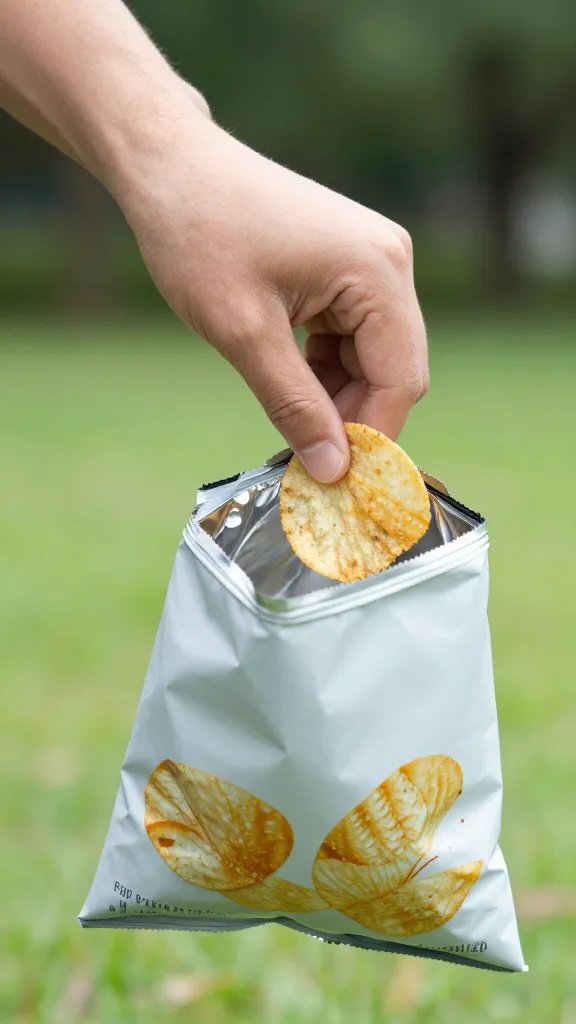
Respecting wildlife starts with a simple decision: no handouts, ever. You’ll see truer behavior, avoid dangerous encounters, and help animals stay wild. On your next park walk, swap snacks for a scavenger list and a pair of binoculars, and save the ranger number in your phone — that’s how a single visit becomes real stewardship.
Leave a Reply