The “Table Mover” Etiquette: Is It Okay to Rearrange Park Furniture?
· Yasmine Taljaard
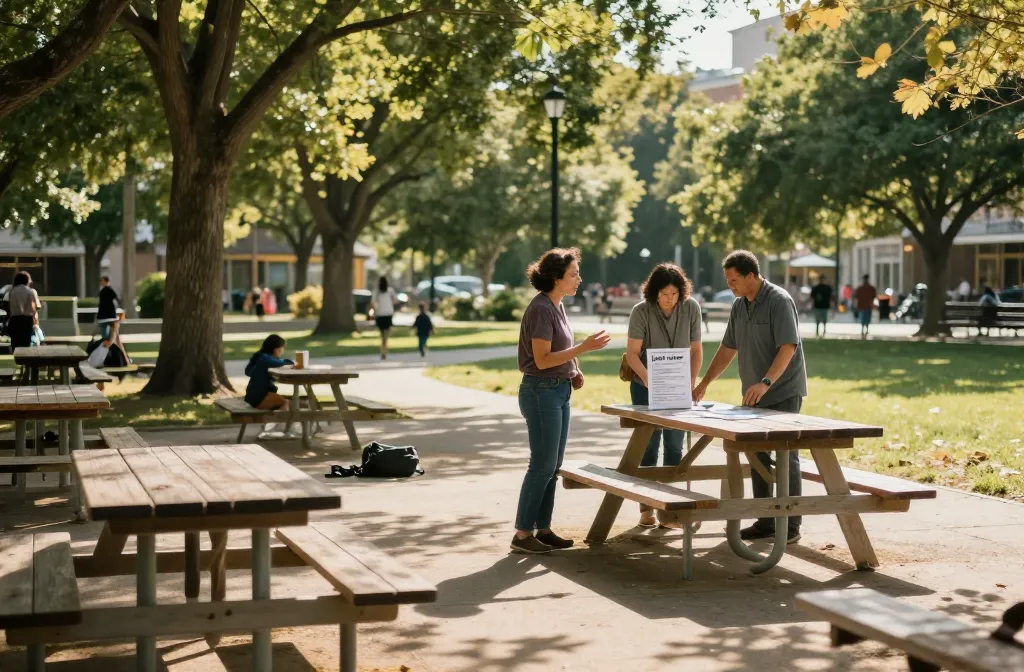
I’ve led plenty of weekend picnics where we arrived to find one long table in full sun and three small ones in the shade. I’ve also watched well-meaning groups drag furniture across a lawn, gouging turf and sparking arguments with nearby families. After a few awkward encounters, I learned a simple, respectful way to handle park furniture. In this guide, I’ll show you when it’s okay to move tables or benches, how to do it safely, and how to keep neighbors, maintenance crews, and your own group happy.
Understand Who Owns What: Public, Reservable, and Private Setups
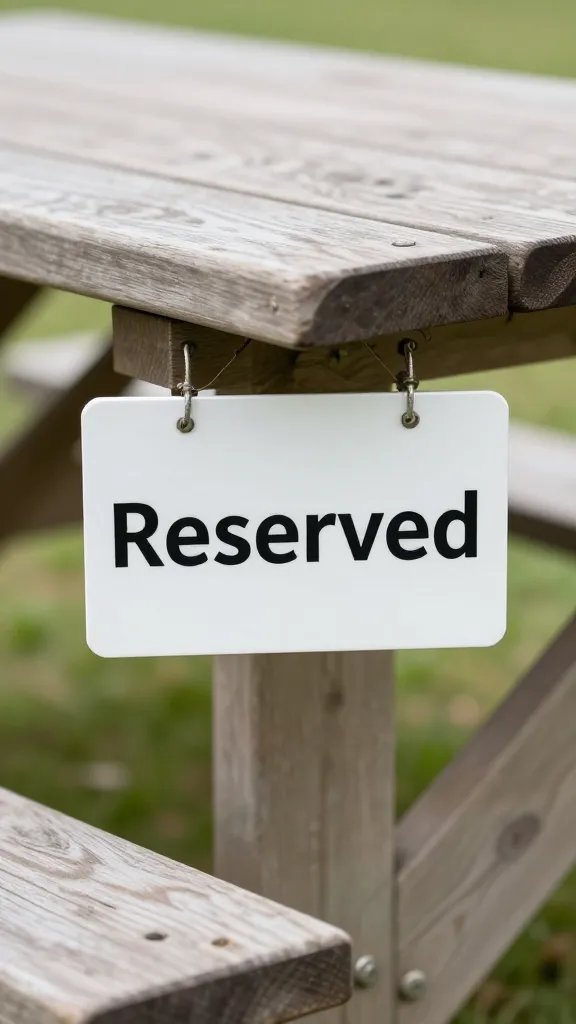
Not all park furniture is fair game. Public-use tables in open areas are usually first-come, first-served and movable within reason. Reservable shelters and tables with signs, ribbons, paper permits, or a locked grill belong to the permit holder for a set time. If you see a cooler, tablecloth, or personal items, it’s taken — even if people are away briefly.
Many city parks publish rules on a signboard or online. If a sign says “Do Not Move Tables” or “Keep Furniture On Pads,” follow it. I also look for scratch marks or bare soil scars — a sign staff want tables to stay put to protect turf.
Action today: Before touching anything, scan for permits, tablecloths, or posted rules; if in doubt, ask a ranger or the nearest group.
When It’s Okay To Move: Common-Sense Criteria That Keep the Peace
I use four checks before moving anything: no reservation indicators; no personal items; no posted restriction; and the move is short and sensible — for example, shifting within the same picnic area for shade or accessibility, not hauling furniture to a different field.
Time matters. Right before peak hours, tensions run higher. If I need to rearrange during a rush, I keep movements minimal and explain to nearby groups what I’m doing and why. Clear intent prevents misunderstandings.
Action today: Limit any move to the immediate area you’re using — the same pad, shelter, or cluster of tables — not across lawns or between sites.
Ask First, Then Lift Right: The Two-Minute Etiquette Script
A 10-second check-in smooths everything. I walk up, smile, and say: “We’re setting up here — okay if we slide this table a few feet for shade? We’ll put it back when we’re done.” Nine times out of ten, people appreciate being asked and sometimes help.
When staff are around, I check with them. If they say no, I adapt: rotate the table in place, use portable shade, or split the group.
Step-by-Step Move That Doesn’t Damage Anything
- Clear the path. Pick a route on hard surfaces (concrete pads, packed gravel) rather than lawn.
- Lift, don’t drag. Two to four adults at the ends; lift from the frame, not tabletops or planks.
- Move in short carries. Ten feet at a time, set down gently to avoid snapping legs or scuffing surfaces.
- Check stability. Rock each corner; if it wobbles, shim with a folded cardboard square, not rocks that chip concrete.
- Keep aisles clear. Leave 36 inches of walkway for strollers and wheelchairs.
Action today: If you can’t carry the table with at least two adults without strain, don’t move it — rearrange seating instead.
Protect Grass, Trees, and Irrigation: Invisible Rules Grounds Crews Care About
Dragging tables across turf tears roots and leaves long scars. Setting heavy furniture on tree roots compacts soil, which stresses trees for years. Sprinkler heads often sit just off pads; a six-inch misplacement can crush them and flood a zone later.
I keep tables on hard pads or well-compacted gravel. If I must use grass, I choose high, dry areas away from tree trunks and scan for small plastic sprinkler risers. I never chain or strap furniture to trees.
Action today: Before placing a table on grass, walk a slow circle and look for sprinkler heads, shallow roots, or soft soil; if you see any, pick another spot.
Share Fairly: Signals That Prevent Turf Wars With Other Park Users

Nothing sours a park day faster than claiming more space than you need. I set up only the tables and benches my group will use in the next hour — not “just in case.” I leave at least one table in a shared area unclaimed so walk-ups have a chance.
Use clear, low-key signals: a tablecloth and a small cooler on the table you’re using right now. Avoid sprawling with gear across multiple tables. If someone asks to share an end of a long table, I say yes and slide our setup six inches.
Action today: Cap your footprint: one table per 6–8 adults or per two families, and release anything you’re not actively using.
Weather, Accessibility, and Safety: Moving For Good Reasons, Not Convenience
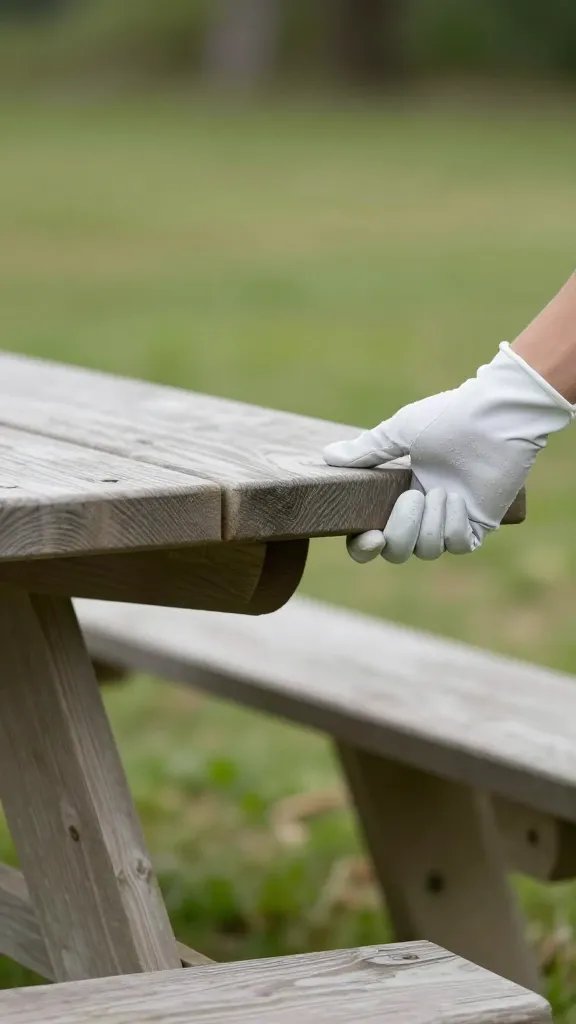
Shade and access are valid reasons to rearrange. I prioritize placing at least one table with a firm, step-free approach for wheelchairs and strollers. In hot weather, I orient benches so backs face the sun and keep seating under natural shade or a legal pop-up canopy.
Safety first. Keep tables 10 feet from grills or open flames, and never block fire pits, trailheads, or restroom paths. Windy days turn unsecured table umbrellas into javelins — I skip big umbrellas unless they can be anchored per park rules.
Action today: Walk the approach path for wheels from parking to your table; if there’s a curb or soft slope, move closer to a firm, level route instead.
Always Leave It Better: Reset, Clean, and Thank the Next Group
Good etiquette ends with a reset. I return furniture to its original pad or layout, wipe tabletops with a damp cloth, and pack out every scrap — including bottle caps and bread ties. If I borrowed a table from a nearby area, I bring it back and let neighbors know I’ve reset it.
Small fixes matter. I tighten a loose nut with a pocket multi-tool or report damage to staff. A five-minute cleanup earns goodwill for the next time you need flexibility.
Action today: Snap a quick “before” photo when you arrive; use it to put everything back exactly as you found it when you leave.
Frequently Asked Questions
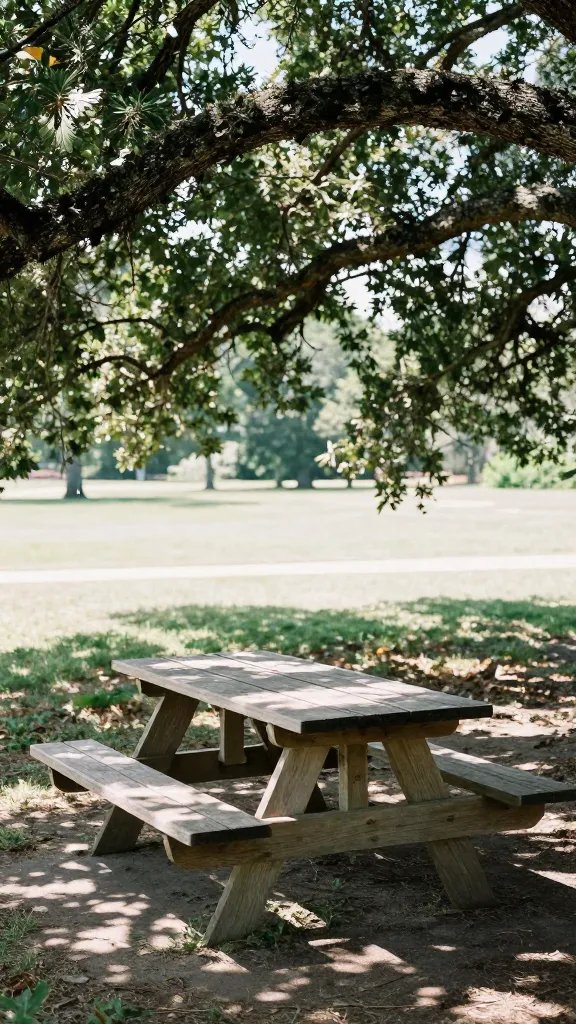
Is it legal to move park tables or benches?
Most parks allow small adjustments within the same picnic area if no signs prohibit it. Moving furniture across lawns or between designated sites is often against posted rules. Check the kiosk or ask a ranger before you start. If rules are unclear, keep moves minimal and on hard surfaces.
What if someone left a tablecloth but no one is there?
A tablecloth, cooler, or bag signals active use. Treat it as taken even if the group stepped away briefly. Choose another table or wait 15–20 minutes while you set up nearby. If no one returns after that and there’s no permit posted, ask staff how to proceed.
How do I move a heavy table without hurting myself?
Use two to four adults, lift from the frame, and keep your back straight with knees bent. Move in short carries and set down gently. If it feels unsafe or requires dragging, don’t move it — rotate it in place or rearrange seating instead. Gloves help with splinters and hot metal in summer.
Can I bring extra folding tables to a public park?
Yes, in most parks, as long as you keep them in your immediate area and off fragile turf. Use tables with rubber feet and set them on pads or firm ground. Avoid blocking paths or crowding shared grills. If the park bans external furniture, the rule will usually be posted.
What’s the polite way to ask another group to swap tables?
Lead with your reason and offer a trade. “We’ve got two grandparents using wheelchairs — could we swap for that table on the pad? We’ll help move and clean up after.” Keep your tone friendly and accept a no without debate. If they agree, move together and thank them afterward.
Do I need to put the furniture back exactly where it was?
Yes. Resetting furniture prevents confusion and protects landscaping plans that depend on spacing. Use a quick reference photo or note landmark alignments (edge of pad, distance to grill). Wipe the surfaces and leave the area cleaner than you found it.
Conclusion
Rearranging park furniture works when you respect reservations, protect the landscape, and keep your footprint modest. If you’re hosting a gathering soon, draft a two-sentence ask, pack a cloth and gloves, and plan a quick reset photo — those small habits earn you the goodwill to adapt any space gracefully. Next step: check your local park’s website for its picnic rules so your team knows exactly how far you can go before the weekend.
Leave a Reply