Master Outdoor Feasts with the “Two-Hour Rule”: Food Safety Etiquette for Outdoor Hosting
· Yasmine Taljaard
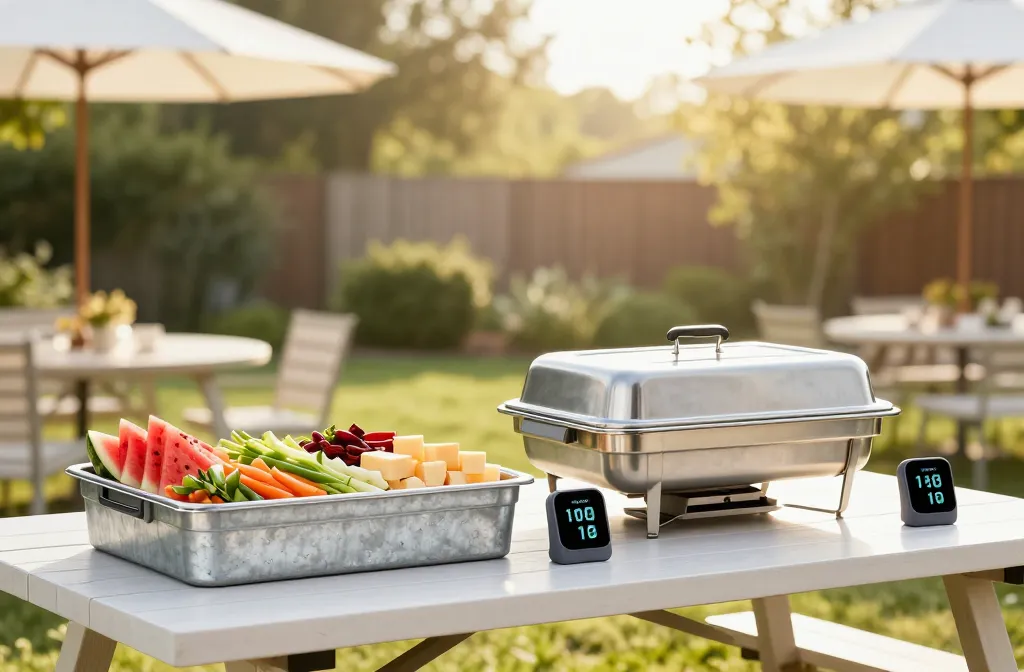
I learned the “two-hour rule” the hard way after a sunny backyard brunch left two guests texting about upset stomachs. We hadn’t done anything fancy — just set dishes out on a picnic table and forgot the clock. Since then, I host with a timer and a simple setup that keeps food safe without fuss. In this guide, I’ll show you exactly how to use the rule, what to serve, and how to organize your table so guests enjoy the day and skip the foodborne drama.
What the Two-Hour Rule Actually Means
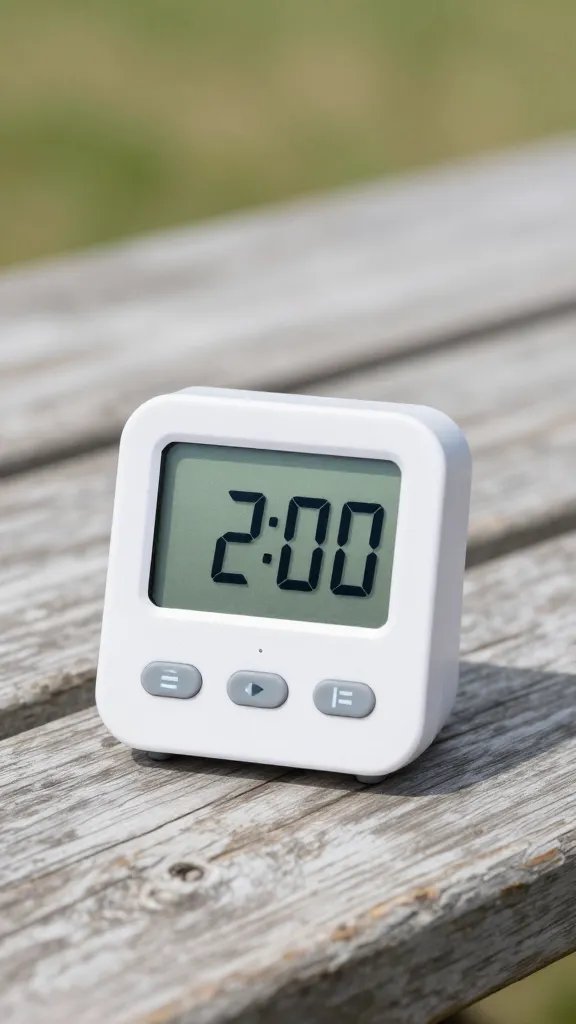
The two-hour rule says perishable foods shouldn’t sit at room temperature longer than two hours total. If it’s 90°F/32°C or hotter, the limit drops to one hour. That includes all the time from when you take food out of the fridge to when guests stop eating.
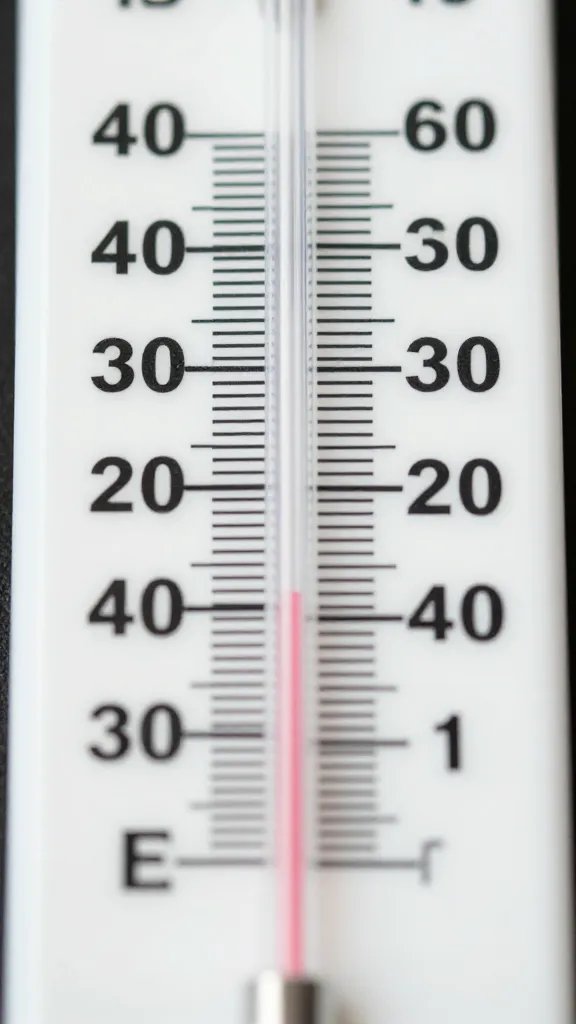
Bacteria multiply fastest in the 40–140°F (4–60°C) danger zone. That’s why time matters just as much as temperature. Warm days move the clock faster.
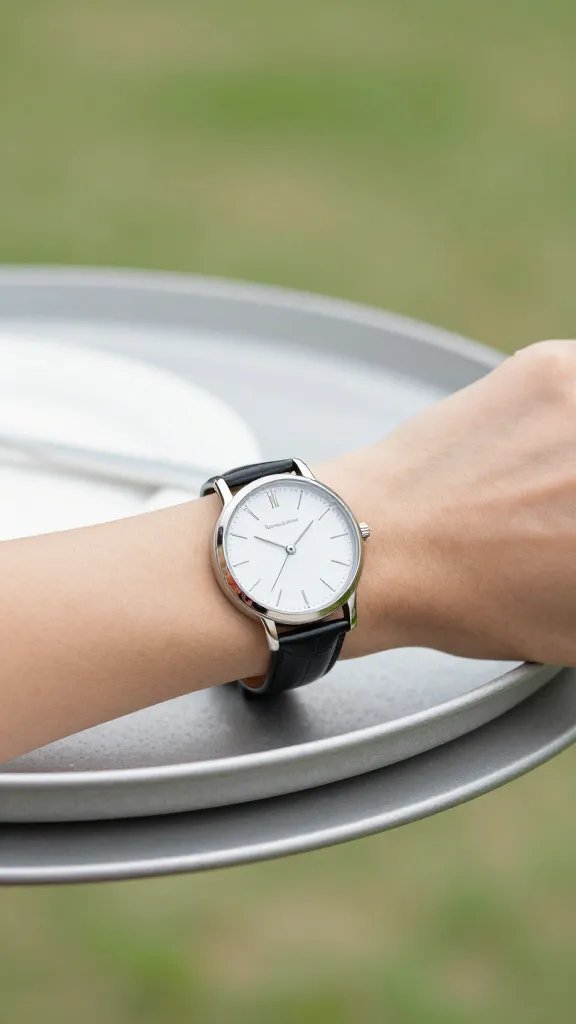
Action today: Add two timers to your phone labeled “Cold Food In” and “Hot Food Out” before your next gathering and start them the moment you set dishes down.
Plan a Menu That Buys You Time
Build your spread around foods that stay safe and tasty with minimal temperature fuss. I mix sturdy, low-risk items with a few highlights that need stricter handling.
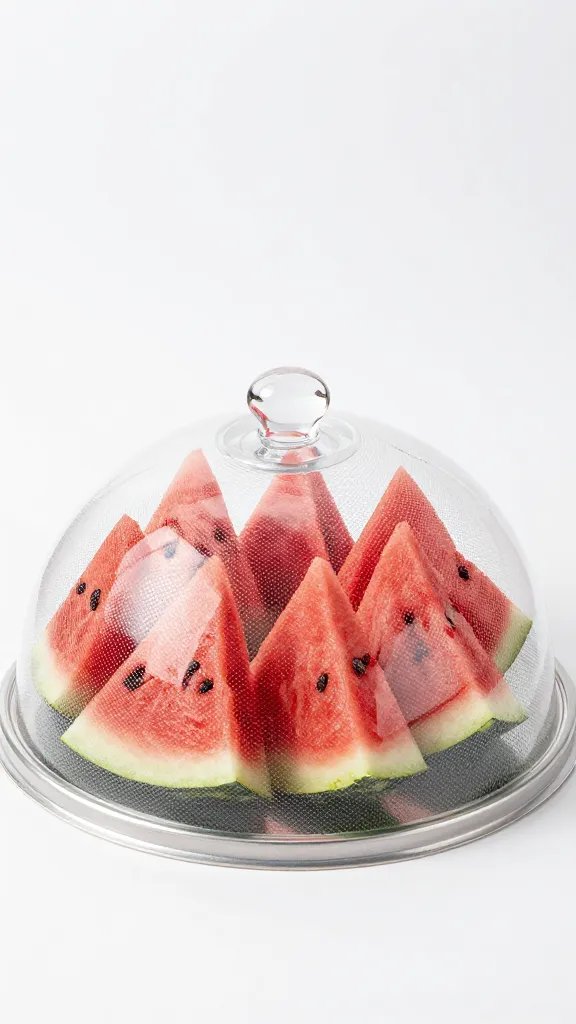
- Low-risk heroes: whole fruit, cut watermelon kept on ice, vegetable sticks, hard cheeses, pickles, olives, nuts, bread, crackers, shelf-stable dips (sealed hummus until opened), mustard.
- High-risk but doable: mayo-based salads kept on ice, cooked meats, seafood, soft cheeses, cut tomatoes and leafy greens (once dressed), custards, cream pies.
- Better choices for salads: dress greens right before serving; swap part of mayo with Greek yogurt; choose grain salads (farro, couscous) with vinaigrette.
- Smart desserts: brownies, cookies, fruit crisps over cream pies; whipped cream in a can on ice rather than a bowl.
Material recommendations
- Two medium coolers: one for ready-to-eat foods, one for drinks so guests don’t warm the food cooler.
- Two shallow roasting pans or foil trays to use as ice baths for salads and dips.
- Reusable ice packs plus a bag of cubed ice for topping up.
Action today: Rewrite your menu so at least half the items are low-risk foods that don’t need heating or chilling beyond a simple ice bath.
Set Up a Safe Serving Station

I separate the table into cold, hot, and dry zones. That one choice keeps conditions stable and stops the “danger zone spread.” Place cold foods together in the shadiest spot. Keep hot foods clustered near their heat source.
Use shallow containers so food cools or warms faster when you swap batches. Place bowls directly over ice in roasting pans; refill the ice as it melts so it stays in contact with the bottom of the bowls.
Step-by-step setup
- Pick shade first — under an umbrella, awning, or a tree. No direct sun for perishable foods.
- Lay out two roasting pans and fill halfway with ice. Nest your salad, dip, or cheese platters inside.
- For hot foods, use a slow cooker on “warm,” a tabletop grill at low, or disposable chafing dish frames with gel fuel.
- Set separate tongs/spoons for every dish to prevent cross-contamination.
- Start both timers as food hits the table. Note the current time on a sticky note by the dish.
Action today: Do a five-minute dry run at home: set one bowl over an ice-filled roasting pan and time how long the ice lasts in your usual shade spot.
Batch, Rotate, and Replace Like a Pro

Don’t put everything out at once. I keep half the food chilled in the cooler and only set out what guests will eat in 45–60 minutes. When a dish empties or the timer hits two hours, I swap in a fresh, cold batch.
Track total time out. If the same bowl returns to the table later, the clock picks up where it left off. At two hours total (one hour if above 90°F/32°C), I retire it. When in doubt, throw it out — foodborne illness costs more than a fresh salad.
Warning signs to pull a dish early
- Ice bath water warms to room temp and the bowl no longer feels cold on the underside.
- Cheese sweats or softens beyond its usual texture.
- Leafy greens wilt or the dressing looks watery.
- Seafood smells stronger than when first served.
Action today: Split your signature salad into two smaller bowls; keep one in the cooler and rotate every 60 minutes.
Know When to Toss and When to Chill

Perishables that exceed the time limit should not return to the fridge. Cooling them later won’t erase the bacterial growth that already happened. I label a small trash bag “food toss” so I don’t hesitate when the timer dings.
For food still within the window, cool it fast. Divide leftovers into shallow containers no deeper than 2 inches (5 cm), and refrigerate within 60 minutes of bringing them inside. Keep a top shelf space cleared before guests arrive.
Action today: Set two clean, shallow containers in your fridge now so you can cool leftovers quickly after the event.
Hot Foods: Keep Above 140°F Without Stress

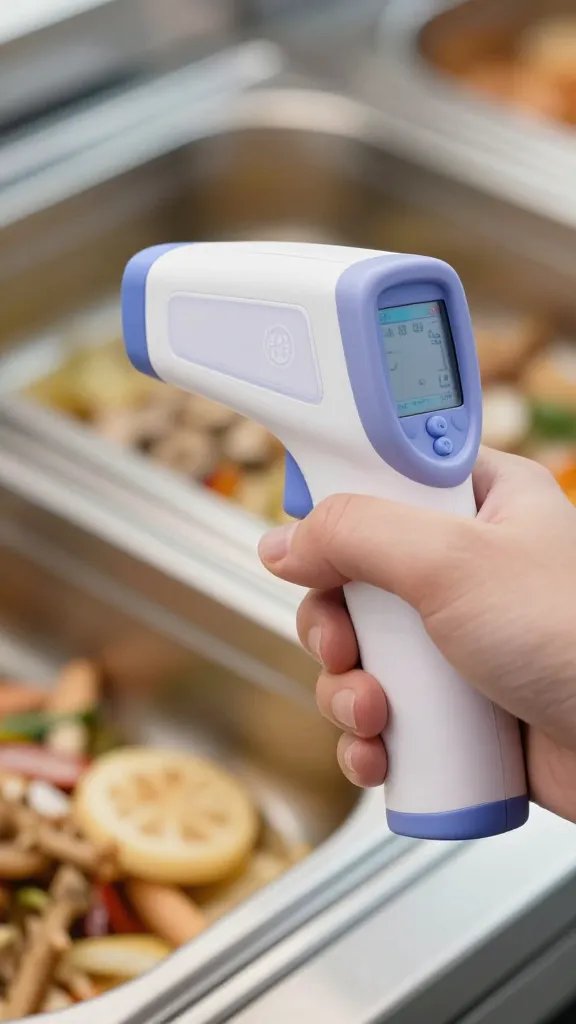
Cook fully in the kitchen, then move to equipment that holds temperature safely. A slow cooker on “warm,” an electric griddle on low, or disposable chafers with gel fuel all keep foods above 140°F/60°C. Stir every 20–30 minutes so heat distributes evenly.
Refresh small portions. I keep extra chili, pulled chicken, or grilled veg in a covered pot on a low burner inside and swap out shallow pans every hour rather than one deep tray that cools at the edges.
Action today: Assign one person to be “hot food captain” with a 20-minute stir-and-check reminder on their phone.
Cold Foods: Keep at 40°F With Simple Ice Baths

Ice baths are your best friend. Nest bowls in ice and top with extra cubes so the ice contacts the bowl, not just the pan. Drain off meltwater and add fresh ice when it reaches halfway up the side of the bowl.
Store backups in a cooler that guests don’t open. Drinks belong in a separate cooler so people don’t warm your food supply every time they grab a soda.
Action today: Pack two coolers: label one “Food Only” and keep it closed except during swaps.
Frequently Asked Questions
Does the two-hour rule include the drive from my kitchen to the park?
Yes, the clock starts when perishable food leaves safe cold storage or heat. Keep items on ice or in insulated bags during transit and subtract that time from your serving window. If the drive plus setup takes 45 minutes, you have 75 minutes left at the table (or 15 minutes if it’s above 90°F/32°C). Plan smaller first batches to stay within the limit.
What if food sits out for over two hours but still looks and smells fine?
Discard it. Dangerous bacteria don’t always change smell, taste, or appearance. Returning it to the fridge won’t make it safe. Build your menu and serving plan so you’re never tempted to keep borderline dishes.
How much ice do I need for a three-hour gathering?
For a standard six-person picnic with two ice baths and one cooler, I bring one 7–10 lb (3–4.5 kg) bag per hour. That covers topping up ice baths and maintaining the food-only cooler. If shade is limited or temps are above 85°F/29°C, add one extra bag.
Can I pre-dress salads to save time?
Dress greens right before serving to keep texture and extend safety. Store dressing in a squeeze bottle in the cooler and toss small batches at the table. For make-ahead options, choose grain or bean salads with vinaigrette — they hold better and stay safer over ice.
What’s a safe way to serve deviled eggs outdoors?
Chill the filling and whites separately in the cooler, then pipe small batches as needed. Set the platter on an ice bath and swap every 60 minutes. Retire any leftovers at two hours total (one hour above 90°F/32°C) and keep backup halves chilled until the next rotation.
Do condiments need to follow the two-hour rule?
Most shelf-stable condiments (ketchup, mustard, hot sauce) are fine on the table. Perishable ones like mayo-based sauces, aioli, dairy dips, and salsa with fresh tomato or dairy should sit on ice and follow the same two-hour limit. Keep squeeze bottles closed between uses to reduce contamination.
Conclusion
Outdoor hosting feels effortless when you treat time like an ingredient. Set your timers, batch your servings, and lean on ice baths and warmers so you never wonder if food is safe. Start by choosing two low-risk sides and planning one swap for your most popular dish — that one change delivers a safer, calmer party every time.
Leave a Reply