The Secret to How to Use “Color Drenching” to Create a Cohesive Picnic Space
· Yogi
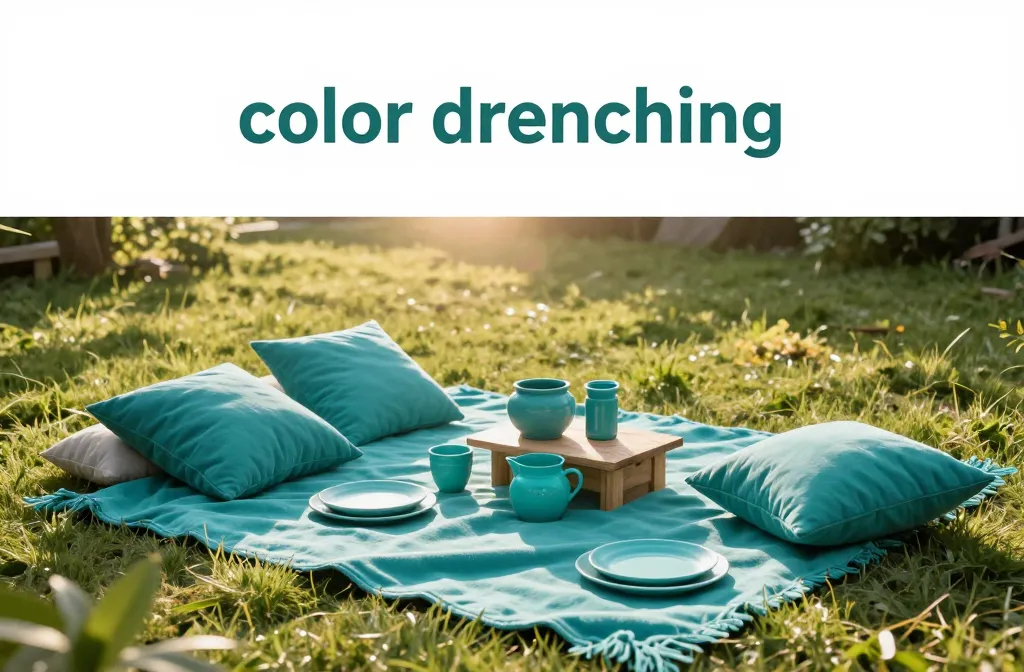
I learned the power of color when I hosted a backyard picnic with a scatter of mismatched blankets and clashing plates. The food was great, but the photos looked messy and the space felt unfinished. The next time, I used color drenching — repeating one hue from textiles to planters to serveware — and the whole setup looked curated without buying expensive gear. In this guide, I’ll show you exactly how to choose a color, source simple pieces from a garden centre or hardware store, and pull the look together in under an hour.
What Color Drenching Is And Why It Works Outdoors

Color drenching means choosing one dominant color and repeating it across the major surfaces in your picnic zone: textiles, planters, tableware, and small accents. I keep supporting colors neutral so the main color reads clearly.
Outdoors, this trick calms visual noise from grass, paving, fences, and plants. It turns a lawn corner or balcony into a defined “room” without building anything. The repeated hue becomes a thread your eye follows, which makes budget pieces look intentional.
Action today: Pick one dominant color you already own in multiples — a blanket, a planter, or napkins — and commit to building around that single hue.
Choose A Shade That Survives Sun, Shade, And Spills
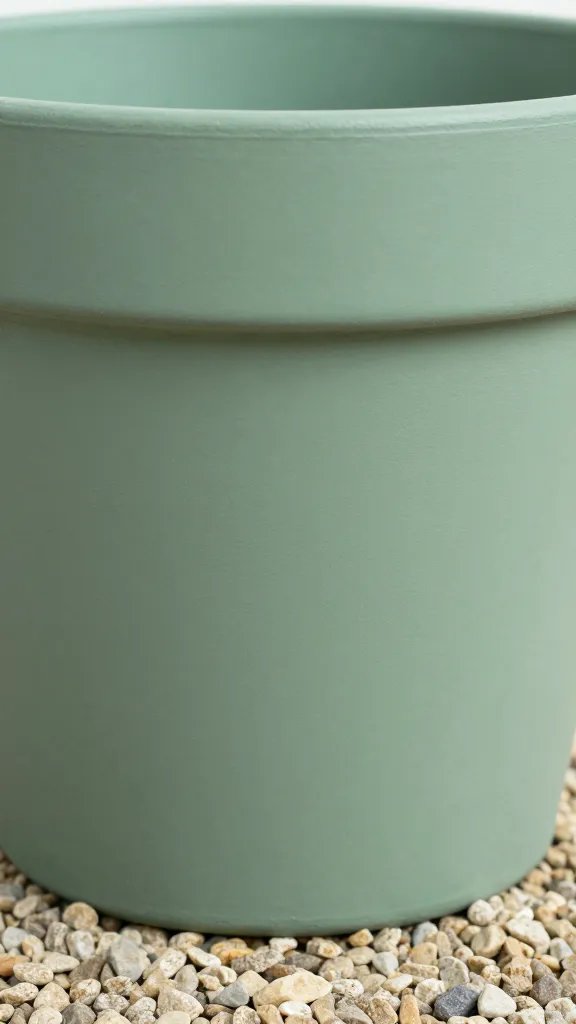
Not every color behaves the same outside. Bright sun desaturates reds and pinks fastest, while deep blues and greens hold their punch. On small balconies with heavy shade, lighter versions of your color read better than dark ones.
I test with a real object. I lay my top three options on the grass or balcony for five minutes at midday. The one that still looks crisp from 10 feet away is my picnic color. If you entertain at dusk, check the same pieces under string lights — warm bulbs mute cool tones and make terracotta, coral, and mustard glow.
Warning signs your color choice will disappoint
- It looks dusty or gray at noon: It’s too muted for outdoors. Go one step brighter.
- It clashes with your garden: If you grow lots of purple flowers, a near-but-not-quite purple will look off. Choose a contrasting family like sage or rust.
- It stains on first use: Pale linen napkins show berry stains. Swap to darker cotton or patterned melamine.
Action today: Do the five-minute yard test with two blankets and a planter. Choose the shade that still reads clean and saturated from the doorway.
Build A Cohesive Base With Textiles First
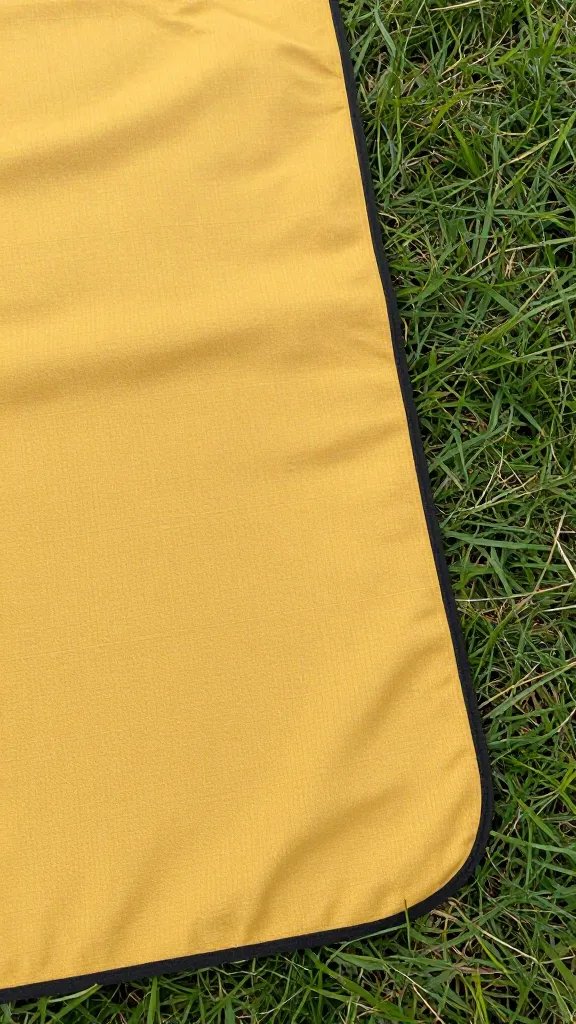
Textiles carry the most color for the least money. I start with one large item that sets the field: a solid blanket, outdoor rug, or painter’s canvas drop cloth dyed to my chosen color. Then I add 1–2 smaller layers in the same color or a near match: cushions, a second throw, or cloth napkins.
At a garden centre or hardware store, look for outdoor rugs, picnic blankets, shade canopies, and cotton drop cloths. If the exact color isn’t sold, I use a washable fabric dye on a drop cloth or white cushion covers to nail the tone. Keep any patterns simple — stripes or thin checks — so the dominant color still wins.
Step-by-step: Fast textile setup
- Lay your largest piece flat and square it visually to a nearby edge (deck board, fence line) so the area reads tidy.
- Add a second layer at a 15–20° angle for depth — a throw, runner, or smaller rug.
- Place two cushions in the same color at opposite corners to frame the seating zone.
Action today: Pull every textile you own in your chosen color into one pile. Use the largest solid piece as the base and limit patterns to one item only.
Repeat The Color On Hard Surfaces: Planters, Trays, And Benches
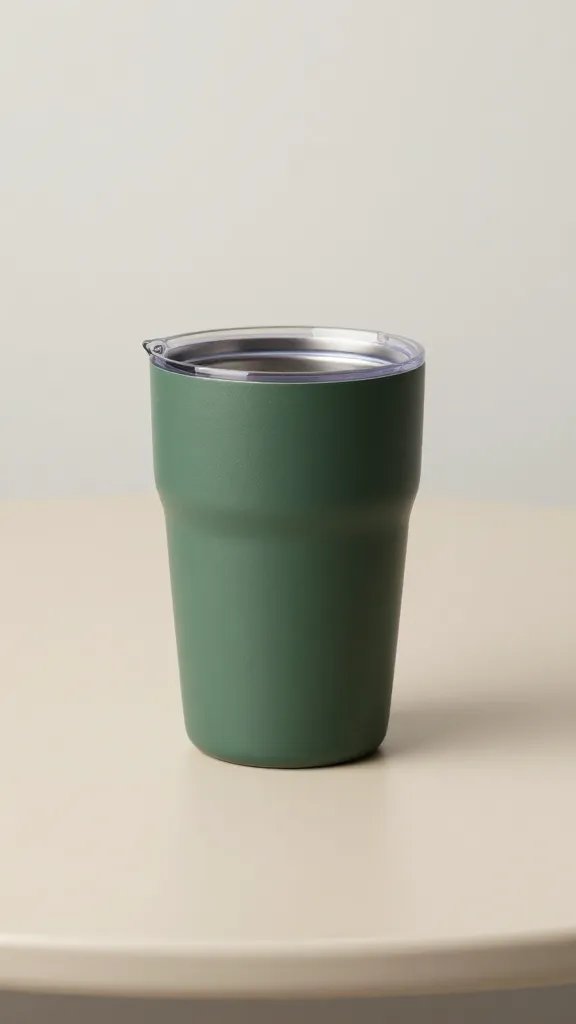
Textiles can’t carry the whole job. I repeat the color on two hard items to lock the look: a painted planter and a serving tray or side table. When your eye sees the same hue on fabric and a solid object, the space feels designed, not thrown together.
You don’t need special paints or sprayers. I buy an exterior-rated sample pot from the hardware store in a satin finish and a 2-inch angled brush. I paint terracotta or primed wood in two thin coats, letting the first coat dry for at least one hour. For plastic planters or metal trays, I use a rattle-can primer labeled for “all surfaces,” then the color in thin passes.
Material recommendations
- Planters: Terracotta takes paint well and looks grounded. Plastic needs primer.
- Trays: Cheap bamboo or plywood trays from home sections take paint evenly and wipe clean.
- Foldable side table: Prime, paint, then seal the top with a clear water-based exterior polyurethane to resist cup rings.
Action today: Pick one planter and one tray to paint your chosen color. Two matching hard accents make the entire picnic zone read cohesive.
Use Plant Foliage And Flowers To Support — Not Fight — The Palette

I choose plants that either echo the color or sit quietly behind it. For a blue-drenched setup, I lean on silvery foliage and white blooms. For terracotta or rust, I use warm-toned grasses and apricot or cream flowers. If I want the color to sing, I avoid flowers that are one shade off — they make everything look “almost right.”
Reliable plant picks from a garden centre
- Neutral foliage: Senecio cineraria (Dusty Miller), Helichrysum petiolare (licorice plant), Carex oshimensis ‘Evergold’ for soft yellow stripes.
- White anchors: Iberis (candytuft), white petunias, white verbena.
- Warm complements: Lagurus ovatus (bunny tail grass), apricot calibrachoa, soft pink diascia.
- Cool complements: Blue lobelia, lavender, pale purple nemesia.
Action today: Add one neutral foliage plant and one bloom in white or a true match to your color. Keep everything else green.
Tableware And Serve Pieces: Match Tone, Not Exact Brand Color
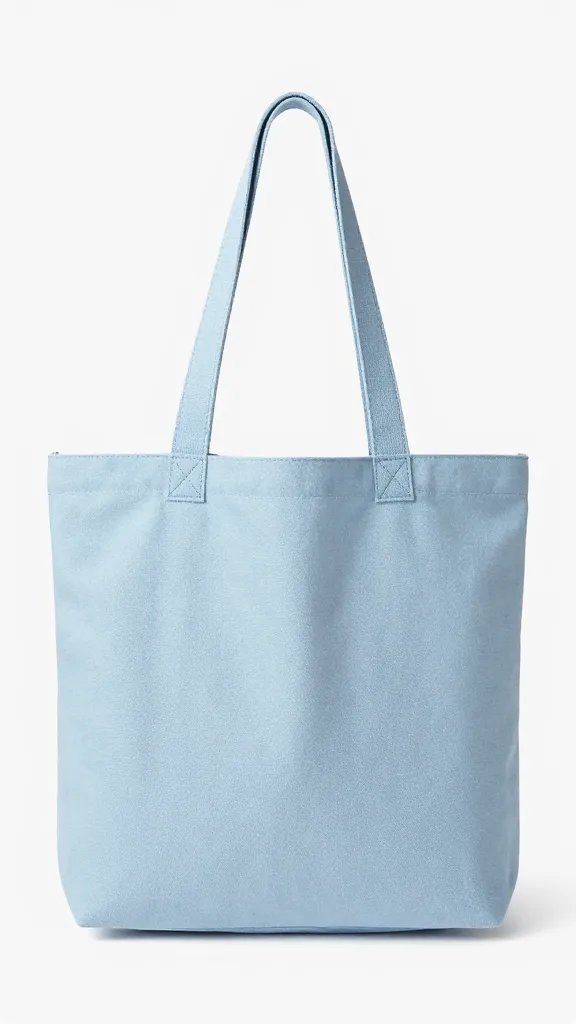
I don’t chase the exact factory shade. I group pieces within one step lighter or darker of my textile color so it feels layered, not flat. Melamine plates, enamel mugs, and cotton napkins from a garden centre’s outdoor aisle usually have solid color options that blend well.
If you only have mixed colors, unify them with a single-color layer under everything: a runner, tray, or placemats in your dominant hue. Clear glass and unglazed terracotta count as neutrals and won’t disturb the palette.
Action today: Pack your picnic basket with two melamine plates, two cups, and one serving tray all within the same color family. Leave multicolored prints at home this time.
Arrange For Photos And Comfort: Heights, Edges, And Shade
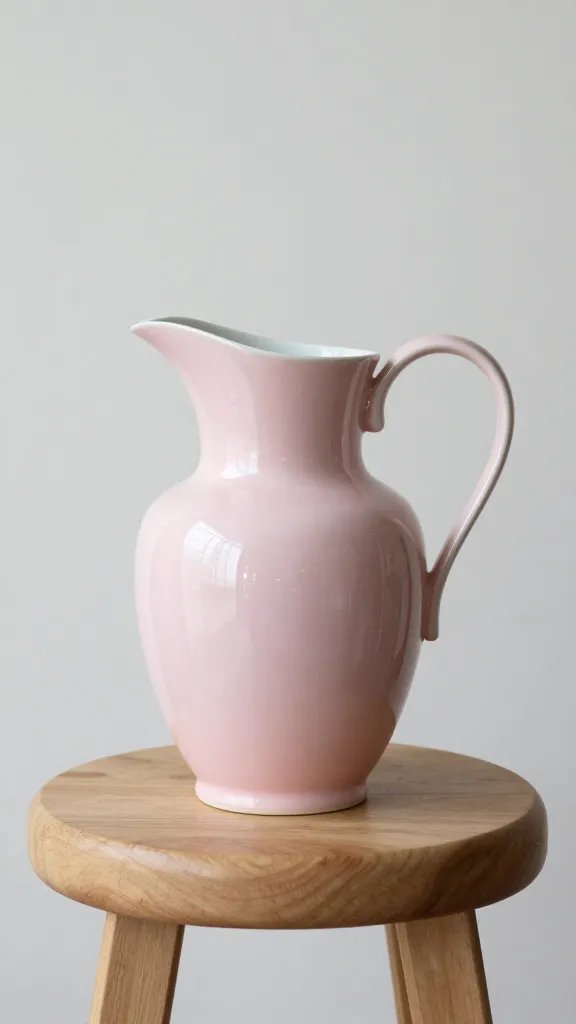
I build a small skyline so the color shows in pictures. A taller planter at the back left, a medium tray in the center, and a low bowl at the front right creates depth. I keep the front edge of the base textile straight to a path or deck board so it looks tidy even if the lawn is uneven.
For shade and comfort, I add a simple beach umbrella or a clip-on shade to a folding table, then hang one matching fabric element — a ribbon or small banner — from the pole to echo the color overhead. A single overhead repeat ties the scene together in wide shots.
Action today: Place one tall item, one medium, and one low along a diagonal across your base cloth. Align the cloth’s front edge to a straight line nearby for instant polish.
Common Mistakes That Break The Drench
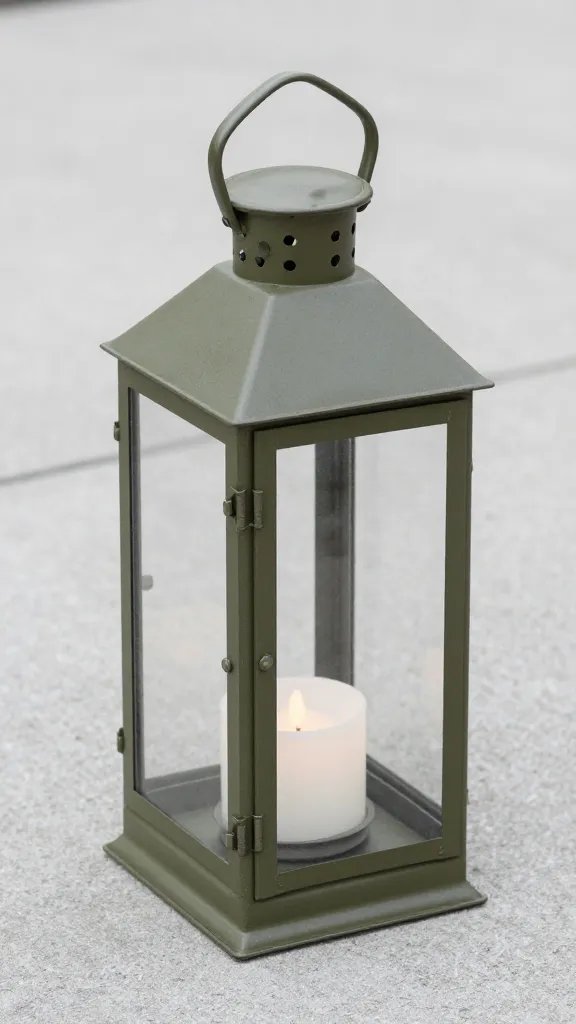
Too many near-misses: Five slightly different reds look accidental. I stick to one solid, one slightly lighter, and one neutral.
Patterns doing the shouting: Loud prints pull attention. I cap patterns at one piece and make it the smallest textile on the blanket.
Forgetting the cleanup color: Trash bags, cooler lids, and paper towels show up in photos. I stash a matching tea towel over the cooler and use a neutral bin bag tucked inside a basket.
Action today: Remove any item that isn’t your chosen color or a quiet neutral. If it’s essential, cover it with a matching cloth or move it just outside the frame.
Frequently Asked Questions

How do I match colors without buying everything new?
Start with the largest item you already own in a strong solid color — usually a blanket or rug. Bring that item to the garden centre and compare it directly to planters, trays, and napkins under store lighting and near a window. Stay within one shade lighter or darker. If nothing matches, buy white or unglazed terracotta and paint it with a small exterior sample pot.
Will painted planters peel outside?
They hold up if you prep right. Clean the planter, let it dry, and apply a primer suited to the material — standard primer for terracotta and “all surfaces” spray primer for plastic or metal. Brush on two thin coats of exterior paint, drying at least an hour between. Avoid painting the inner rim that contacts wet soil to reduce lifting.
What’s the fastest way to color drench a last-minute picnic?
Pick one blanket as your base, then pull two matching items: a tray and a set of napkins in the same color family. Add one painted or same-color planter to the back corner for height. Keep all other pieces neutral — clear glass, natural wood, galvanized metal, or white — so your chosen hue carries the scene.
How do I choose a color that works with my plants?
Walk outside at noon and look at the dominant tones in your garden. Lots of cool greens pair cleanly with warm terracotta, mustard, or coral; purple-heavy borders look great with soft sage or crisp white-and-blue. Test your color in place with a real object for five minutes, then step back 10 feet to confirm it still pops.
What if my space is tiny, like a balcony?
Use fewer, larger swaths of the same color instead of many small bits. One solid outdoor rug, two cushions, and a painted planter create a calm field without clutter. Keep furniture slim and repeat the color on a single tray to avoid visual scatter.
Conclusion
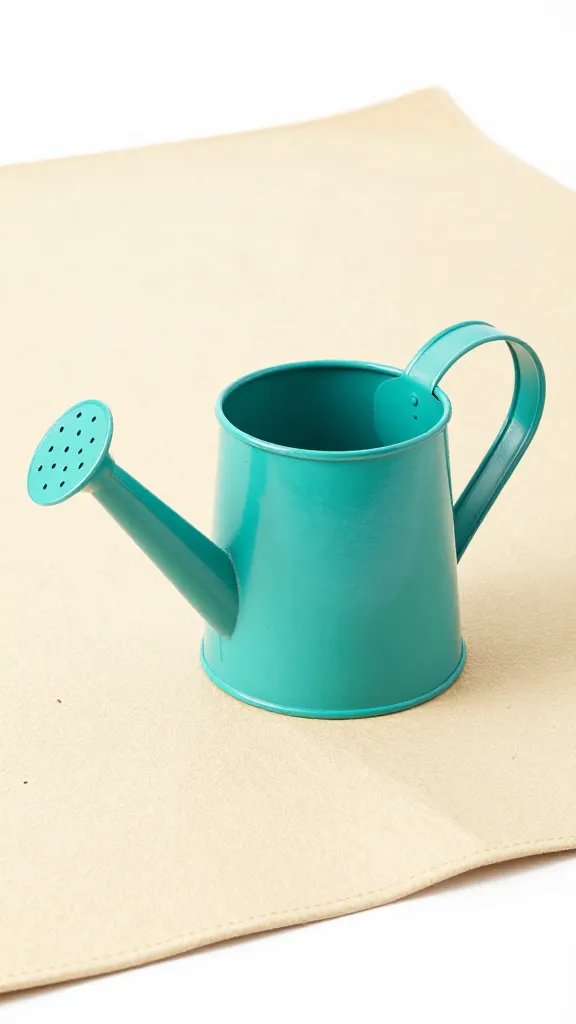
You now have a simple formula: pick one color, repeat it on textiles and two hard accents, and let neutrals fade into the background. Set up a test corner this week with a blanket, a painted planter, and a matching tray, then tweak your plant and plate choices. When you see how pulled-together it looks in photos, scale it up for your next picnic with confidence.
Leave a Reply