Integrating Fountain Pens and Messenger Satchels Into Your Picnic Vibe Perfected
· Yogi
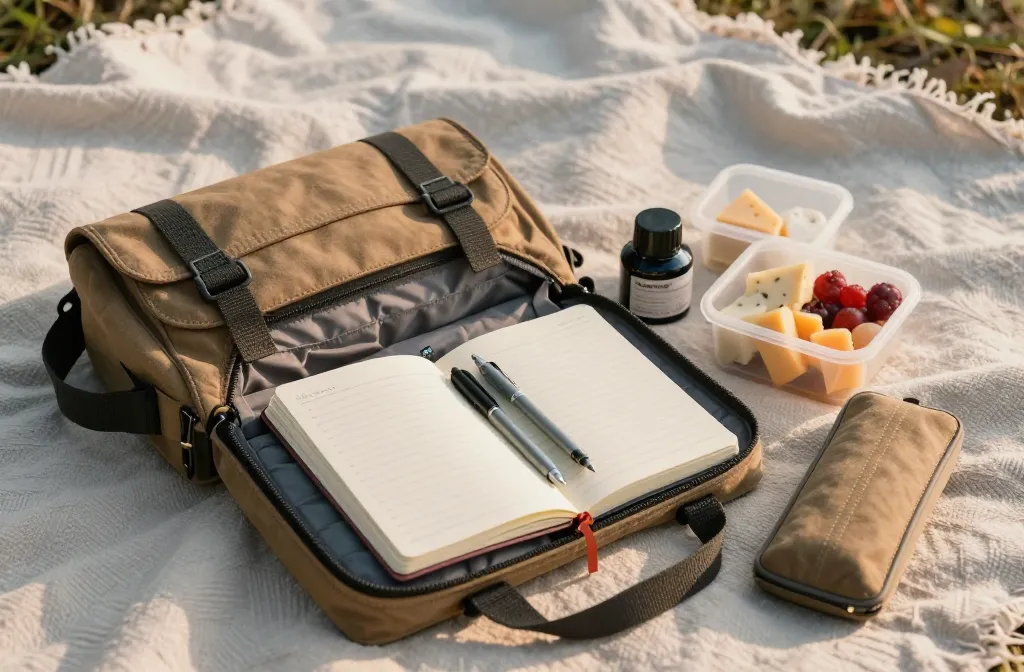
I learned the hard way that a picnic blanket is not a desk and a fountain pen hates a wobbly surface. My first attempt ended with a leaky converter, sweaty cheese, and a satchel strap that dug into my shoulder for the whole walk home. I fixed it by choosing the right nibs, inks, and carry layout — and by treating the bag like a mobile workstation. In this guide I’ll show you exactly how to combine fountain pens and a messenger satchel without spills, smears, or squashed snacks, so your picnic looks good and works smoothly.
Choose Pens And Inks That Tolerate Heat, Movement, And Paper Napkins
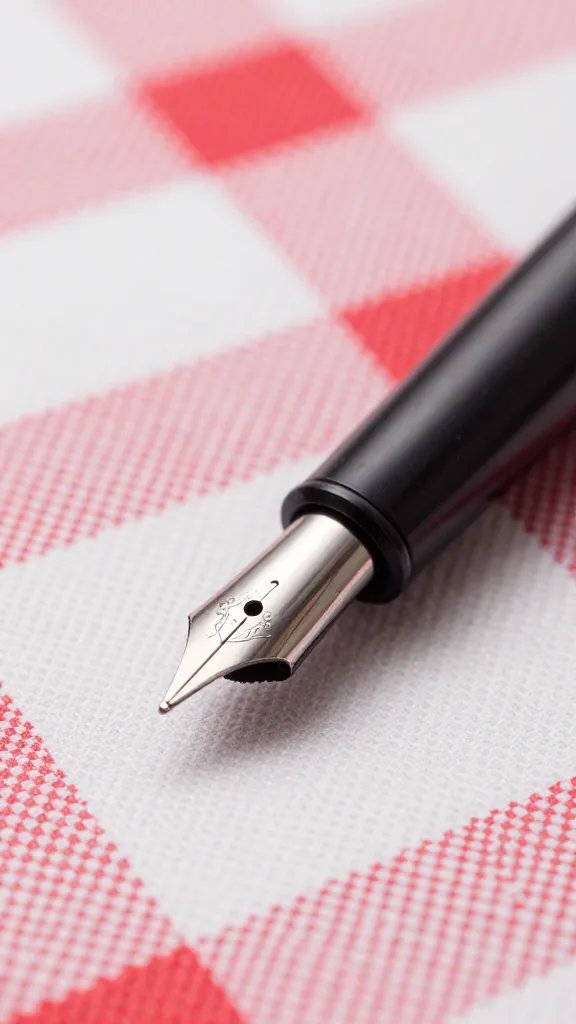
Picnics mean warmth, breeze, and improvised writing angles. I pack hardy pens with snug-sealing caps and reliable feeds, not delicate vintage flex nibs. Cartridge/converter pens with screw-on caps keep ink where it belongs.
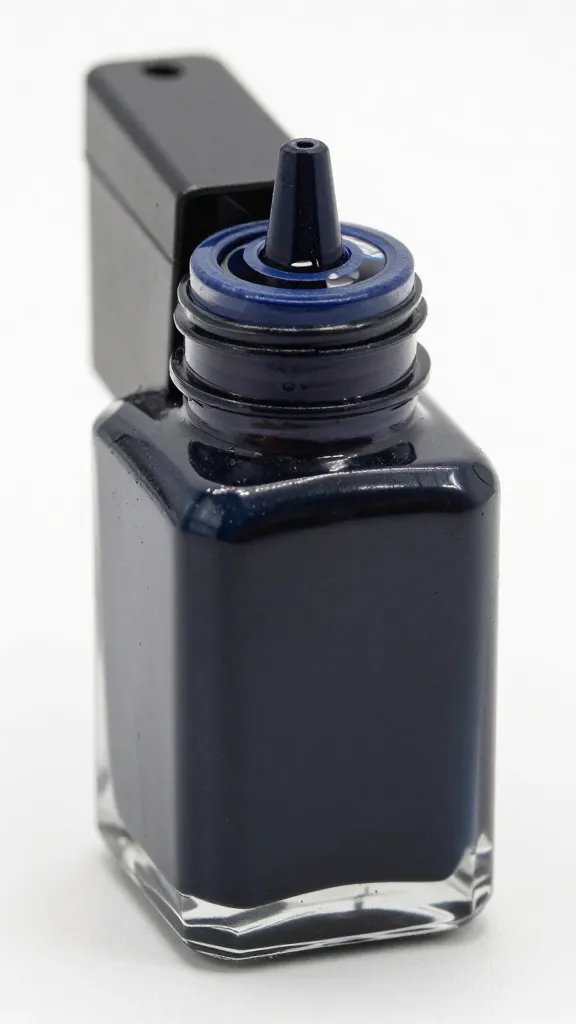
For ink, I use water-resistant but low-maintenance formulas. Iron-gall-lite or pigment-based inks from reputable brands resist sweat and the odd splash, while remaining safe in modern pens. I avoid shimmering inks outdoors — particles can clog feeds when the pen rides around in a warm bag.
Paper matters. A slim A5 notebook with smooth, 80–100 gsm paper prevents bleed-through even on a knee. Picnic napkins feather like crazy; I only jot on them if I must, and I switch to a fine or extra-fine nib to control spread.
Recommended, Reliable Combos
- Pen: Cartridge/converter with screw-cap (e.g., robust steel-nib models).
- Ink: Manufacturer-labeled permanent or archival blue/black for quick dry and water resistance.
- Paper: A5 stitched notebook, 80–100 gsm, smooth finish.
Action today: Fill one pen with a water-resistant blue-black and test it on your picnic notebook; if it dries within 10–15 seconds without smearing, it’s your go-to set.
Pack The Messenger Satchel Like A Mobile Desk, Not A Bottomless Tote
In a messenger satchel, weight hangs from one shoulder. I load heaviest items closest to my back and lowest in the bag to stop sway. Food containers and a water bottle form the base; stationery sits high and toward the flap for fast access.
I create three layers: bottom for food and blanket, middle for stable surfaces, top for pens and smalls. A thin cutting board or hardcover notebook in the middle instantly turns grass into a desk, preventing nib skips from bumpy ground.
Step-By-Step Layout
- Bottom: Flat lunch box and sealed drink bottle, placed horizontal against the back panel.
- Middle: Thin board or hardcover A4, then your picnic blanket rolled tight for structure.
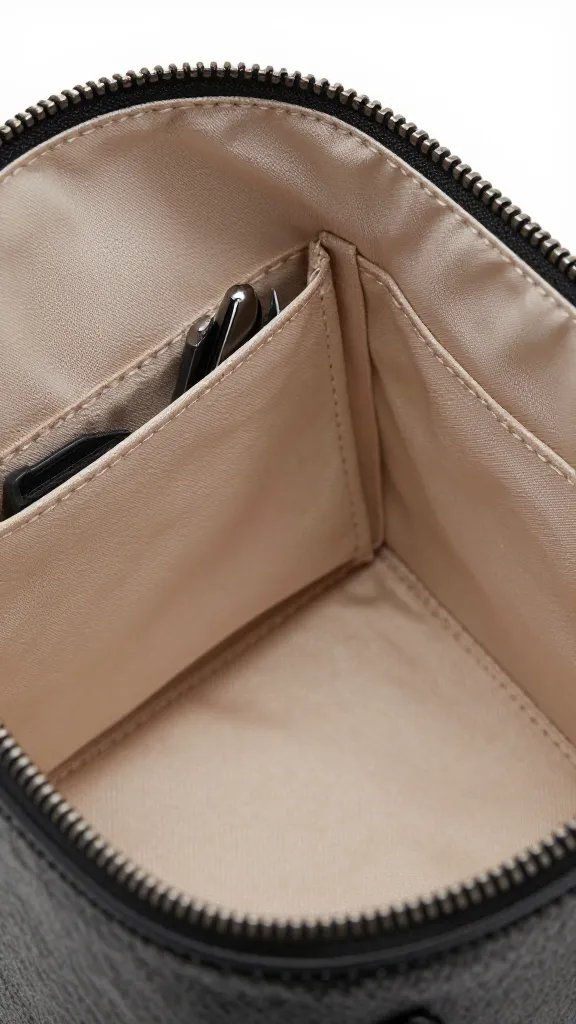
- Top: Pencil case with pens stored nib-up, notebook, and a small pouch for wipes and plasters.
- Side pocket: Keys and phone only, so they never scratch pens.
Action today: Drop a cutting board or hardcover book into your satchel — that single sheet stabilizes writing and keeps food from crushing.
Prevent Leaks With Temperature Control And Nib-Up Storage
Heat thins ink and builds pressure. I never leave the satchel in full sun, and I cap pens firmly after every note. I store all pens nib-up in a pen sleeve so the feed doesn’t flood when I open the cap.
Before writing, I “burp-proof” the pen: remove the cap slowly, point nib upward, and give the converter a micro twist to seat ink away from the feed. If I carried the pen far, I tap the cap lightly to settle any droplets before opening.
Warning Signs And Quick Fixes
- Ink in cap: Open nib-up, blot feed with a paper towel, and write a few test strokes on scrap.
- Hard starts: Dip the nib tip in clean water, shake off, then write three lines on the notebook.
- Flooding on first stroke: Twist the converter a hair counterclockwise to pull ink back.
Action today: Add a slim pen sleeve to your kit and commit to nib-up storage; it eliminates 90% of picnic leaks.
Create A Clean, Flat Writing Zone On Any Blanket
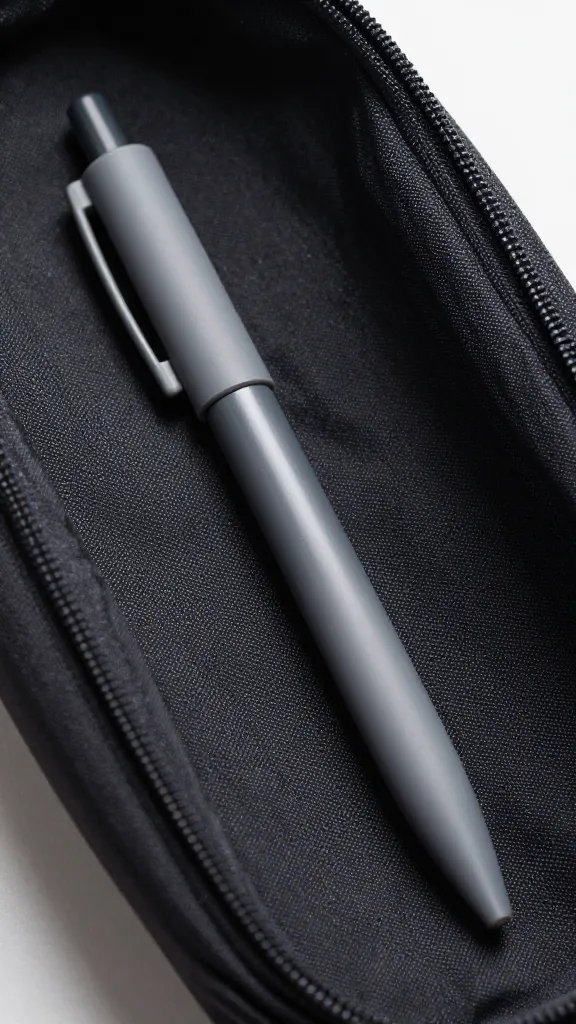
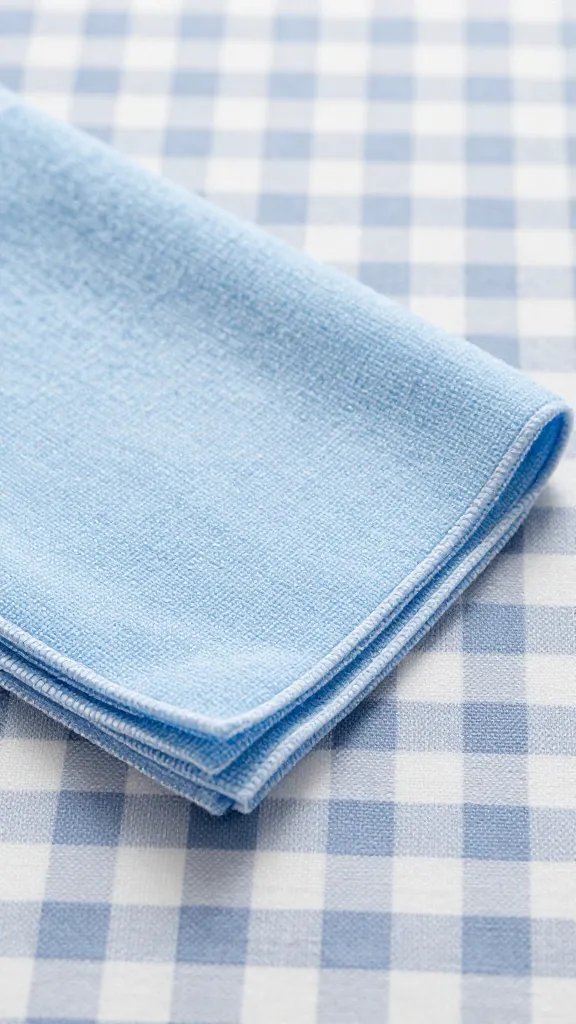
Grass is lumpy and a blanket shifts under your wrist. I set the board or hardcover under the notebook and sit with knees slightly raised to lock the platform. I keep a microfiber cloth to wipe dust or crumbs before I write.
Shade matters more than you think. Bright, dappled shade under a tree prevents glare and keeps ink predictable. If the wind picks up, I clip the notebook’s top edge with a binder clip from the pencil case.
Mini Surface Kit
- Thin cutting board or firm hardcover (A4 size).
- One large binder clip.
- Microfiber cloth for quick cleanups.
Action today: Stash a binder clip in your pencil case; one clip tames pages and napkins when the breeze arrives.
Keep Food Fresh Without Soaking Your Stationery
Condensation from cold drinks can sweat through fabric and onto notebooks. I use two zip-top bags: one for chilled items, one for pens and paper. The cold bag sits at the very bottom, wrapped once in the blanket to insulate and absorb moisture.
Liquids ride leak-proof or not at all. I choose a bottle with a positive lock and pack it upright at the back panel. If space is tight, I freeze a small gel pack and slide it into a secondary pouch — never loose among paper goods.
Simple Moisture Barriers
- Zip-top freezer bag around chilled containers.
- Waxed sandwich wrap between bottle and notebook stack.
- Microfiber cloth as a final buffer at the top layer.
Action today: Pre-pack pens and notebook in a separate zip-top bag; if a bottle sweats, your notes stay dry.
Style The Picnic Vibe Without Sacrificing Usability
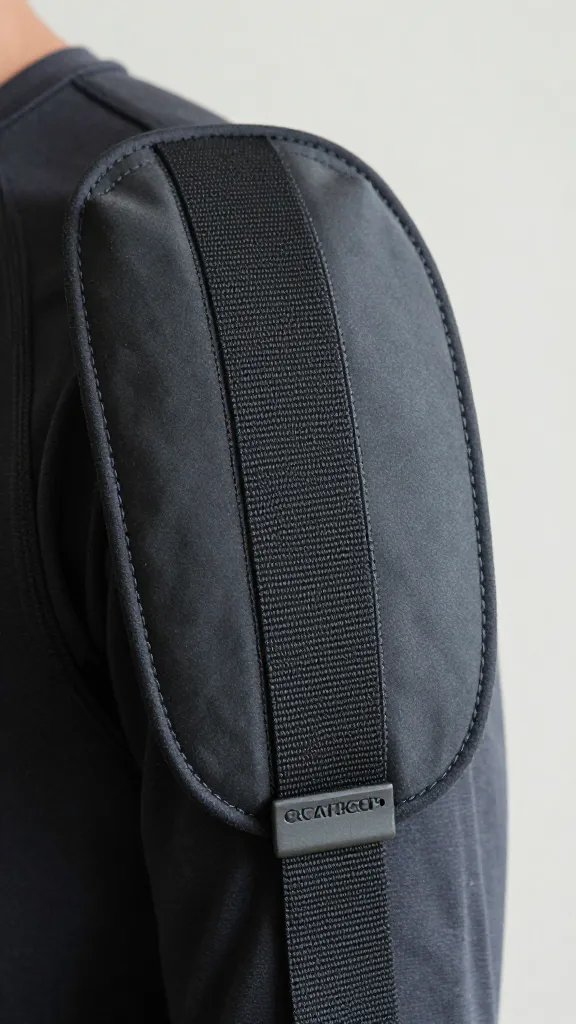
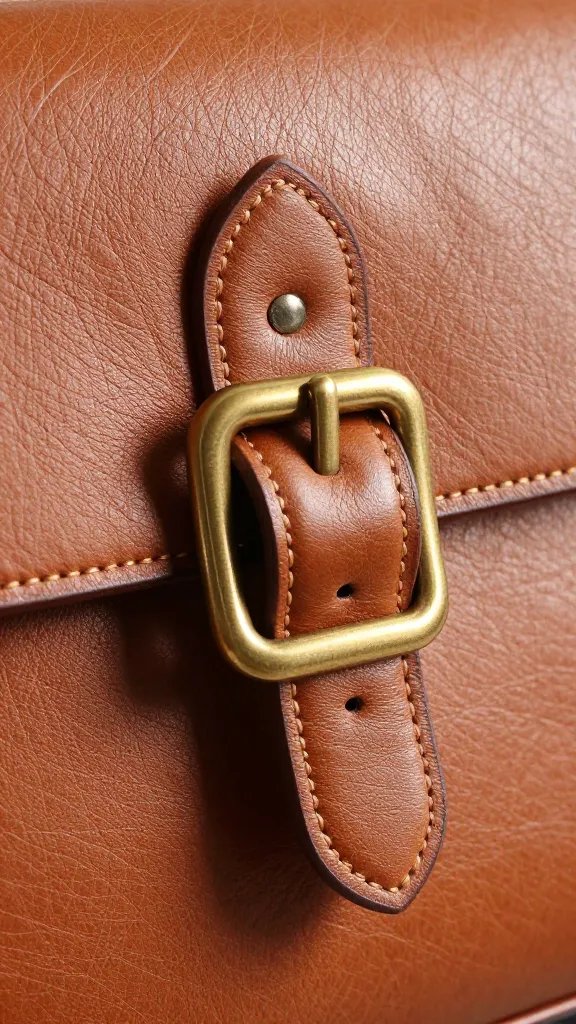
A satchel looks sharp when form follows function. I go neutral canvas or leather with a wide, padded strap so it rides comfortably on one shoulder for 30–60 minutes. Inside, I limit color to two or three accents so I can find items fast: blue pen sleeve, red notebook elastic, brass clip.
On the blanket, I lay pens horizontally above the notebook and food to the side. I snap one quick photo before eating, then re-cap and return pens to the sleeve so I don’t brush a nib while reaching for fruit.
Action today: Adjust your strap so the bag rests at hip height; that position keeps weight centered and makes on-the-go writing easier.
Frequently Asked Questions
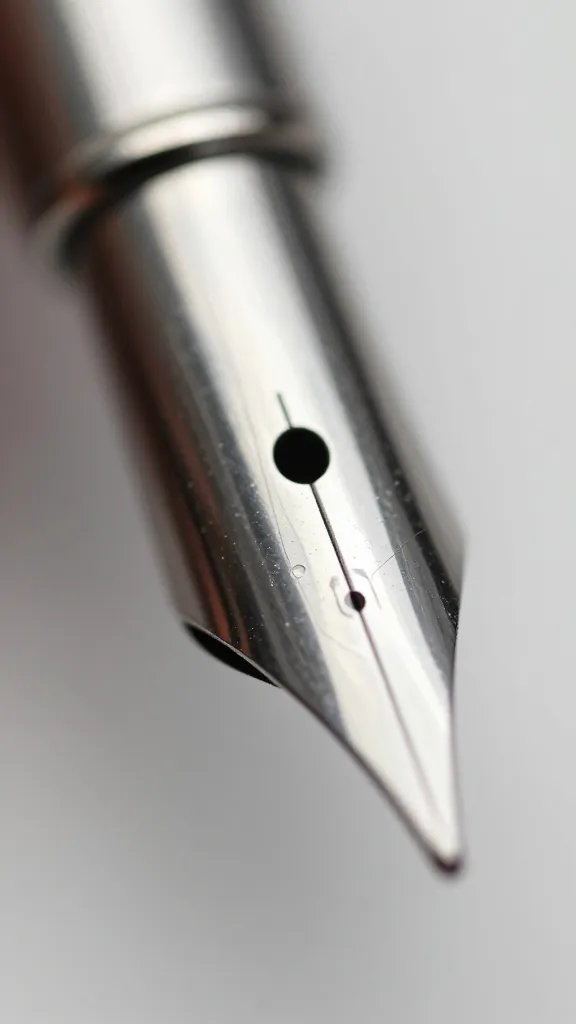
Will a fountain pen dry out faster at a picnic?
Yes, warm air and breeze accelerate evaporation. Use pens with snug screw-on caps and recap between notes, even for short pauses. A fine nib and water-resistant ink that dries in 10–15 seconds keeps smearing low. Store nib-up and out of direct sun to preserve moisture in the feed.
Can I carry an ink bottle in my messenger bag?
You can, but I don’t recommend it for picnics. Use pre-filled cartridges or a full converter and bring one spare cartridge sealed in its blister. If you must carry a bottle, choose a small, wide-based one, wrap it in a zip-top bag, and keep it upright in a rigid container near the bottom layer.
How do I prevent ink leaks when the bag gets jostled?
Store pens nib-up in a dedicated sleeve and avoid half-filled converters, which slosh more. Before opening, hold the pen nib-up and crack the cap slowly to equalize pressure. Seat the converter with a tiny counter twist if you see ink pooling in the feed. Keep the satchel out of direct sun to reduce internal pressure changes.
What’s the best quick-dry setup for writing on a blanket?
Pair a fine or extra-fine steel nib with a water-resistant blue-black ink and smooth 80–100 gsm paper. Use a firm board under the notebook and a binder clip for the top edge. Write in dappled shade to maintain steady evaporation and prevent glare. Blot with a clean napkin for instant handling if needed.
How do I keep condensation from cold drinks off my notebook?
Separate zones solve it. Place chilled items inside a zip-top freezer bag at the bottom of the satchel, wrapped once in your blanket. Keep the notebook and pens in their own zip-top bag at the top layer. Add a strip of waxed paper or a microfiber cloth as a moisture barrier between sections.
Conclusion
You don’t need special gear to blend fountain pens and a messenger satchel into a picnic that works and looks refined. Pack with layers, store pens nib-up, and create one firm writing surface — those three choices eliminate leaks, smears, and wobble. Today, load one reliable pen, one sturdy notebook, and a binder clip into a pen sleeve and take a short park walk; you’ll prove your setup before your next full picnic.
Leave a Reply