The Return of the “Doily”: Modern Ways to Style Lace at a Picnic
· Yogi
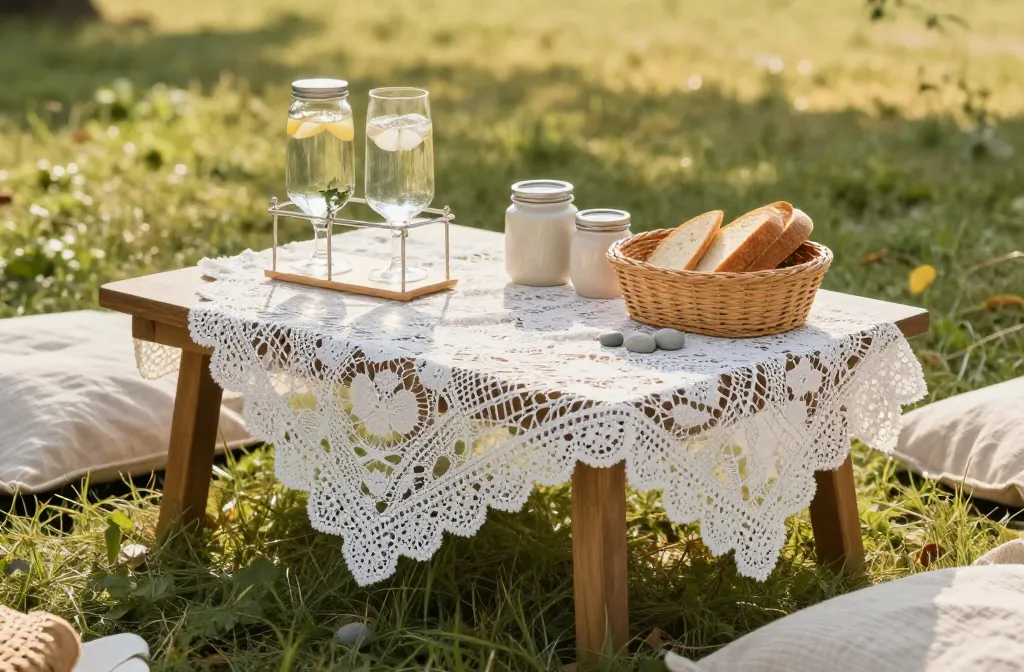
I grew up thinking lace belonged under my grandmother’s teapot, not in a picnic basket. Then I hosted a park lunch where a few well-placed lace pieces did more to elevate the scene than any fancy platter. If you’ve got a drawer of doilies or lace scraps, I’ll show you how to use them without fuss or frills. You’ll learn practical, durable ways to style lace outdoors so it looks intentional, cleans up easily, and survives grass, wind, and potato salad.
Why Lace Works Outdoors: Texture, Light, And Layering
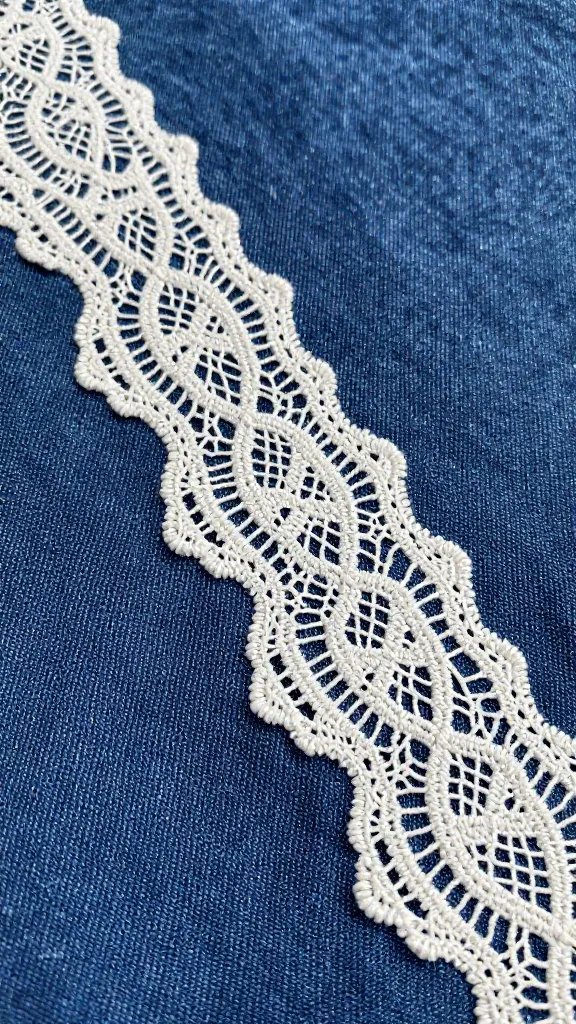
Lace adds instant texture and softens the hard lines of coolers, jars, and folding tables. The openwork pattern lets grass and sunlight peek through, which keeps the setup looking airy instead of heavy.
Layering lace over sturdier fabrics gives you the romance without the fragility. I use a cotton tablecloth or picnic blanket as the base and add lace pieces only where eyes land: the drink station, a bread basket, the center of a low table.
Action today: Pull one lace doily from storage and layer it over a plain tea towel on your coffee table — that’s your test run for picnic day.
Build A Stable Lace Base: Cloth + Non-Slip + Weight
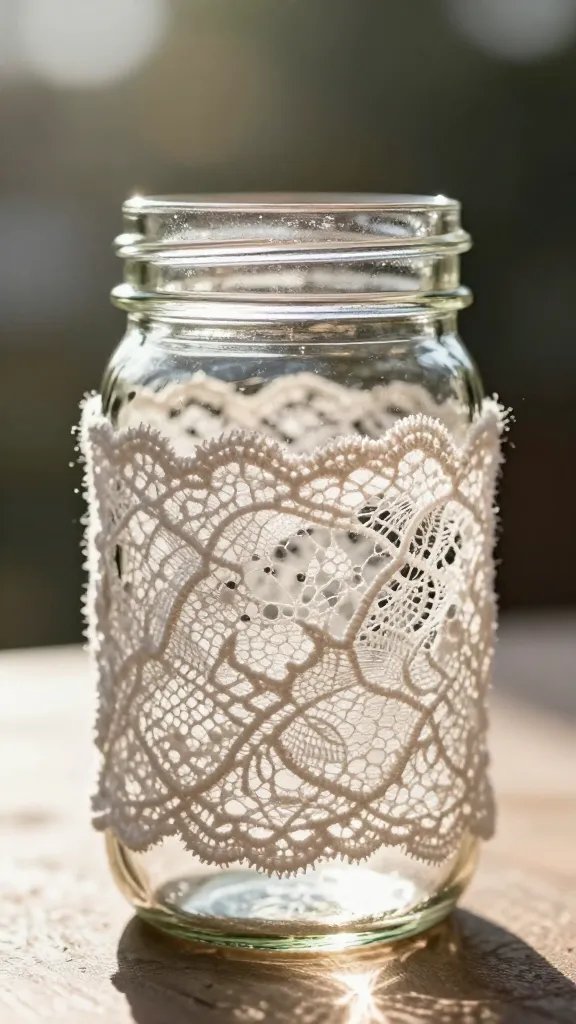
Wind and uneven ground ruin pretty setups fast. I anchor lace by creating a stable base: cloth for coverage, non-slip underneath, and weight at the corners.
On grass, I lay a waterproof picnic blanket first, then a cotton throw, and top with a lace runner. Under the lace edges, I add thin shelf liner strips or silicone placemats from a hardware or home store to stop sliding. I weight corners with filled jars or a cutting board.
Step-by-Step: A No-Fuss Lace-Top Blanket
- Spread a waterproof blanket on the grass.
- Layer a washable cotton throw or sheet on top.
- Cut four 2-inch strips of non-slip shelf liner and place them near each corner.
- Lay a lace runner or two large doilies across the center.
- Weight corners with a wooden board, closed picnic basket, or jars filled with utensils.
Action today: Add a roll of non-slip shelf liner to your picnic kit — it keeps lace (and trays) from drifting.
Turn Doilies Into Practical Serving Helpers
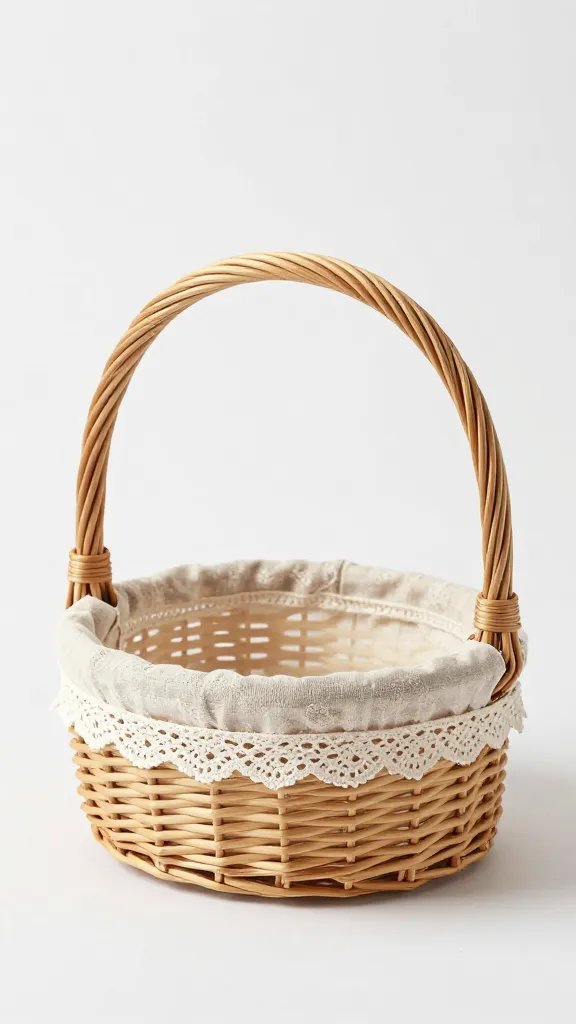
I don’t put lace under saucy dishes. I use it where it won’t collect spills: under jars, bread, and wrapped items. Doilies become liners for baskets holding napkins or rolls, toppers for mason jars to keep bugs out, and wraps for chilled bottles.
For jars, a small doily under the ring lid creates a breathable bug screen. For bread, a large doily over parchment keeps crumbs contained while still looking polished. For bottles, wrap the neck with a lace strip and tie with twine for grip and style.
Material Recommendations
- Vintage cotton doilies (thicker, machine-washable)
- Lace runners from craft stores (poly blends wash easily and resist snagging)
- Mini elastic bands to secure doilies over jar mouths under the screw ring
- Parchment paper as a barrier layer under lace for greasy foods
Action today: Test a doily-over-jar setup at home with water and the jar’s screw ring — you’ll know instantly which sizes fit.
Make Lace Durable: Pre-Treat, Wash, And Store Right
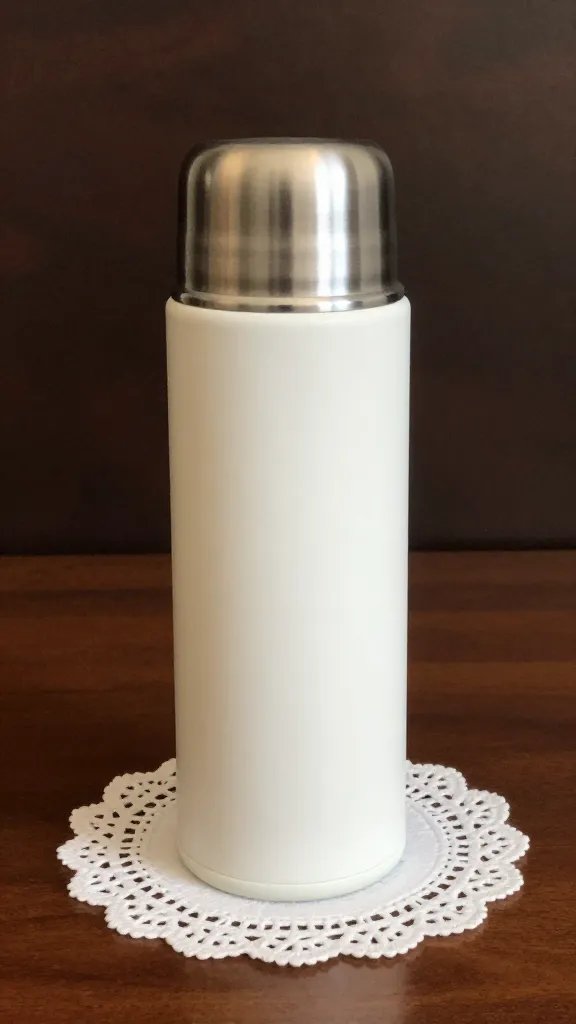
Outdoor food means stains. I pretreat cotton lace with a fabric protector spray from the hardware store to slow down absorption. If something spills, I blot on-site with a damp cloth and a dab of dish soap from a travel bottle.
At home, I soak lace in cool water with a spoon of oxygen bleach, then wash it inside a mesh laundry bag on gentle. I lay it flat to dry on a towel and press with a warm iron using a thin cloth barrier so the pattern stays crisp.
Warning Signs And Quick Fixes
- Yellowing: Soak 1 hour in cool water with oxygen bleach; avoid chlorine, which weakens fibers.
- Snags: Pull the surrounding threads gently back into place with a blunt needle, never cut the loop.
- Warping: Steam lightly and shape by hand while warm; let it dry flat.
Action today: Toss a small mesh laundry bag into your picnic tote so cleanup is painless when you get home.
Keep It Modern: Mix Lace With Clean Lines And Natural Materials
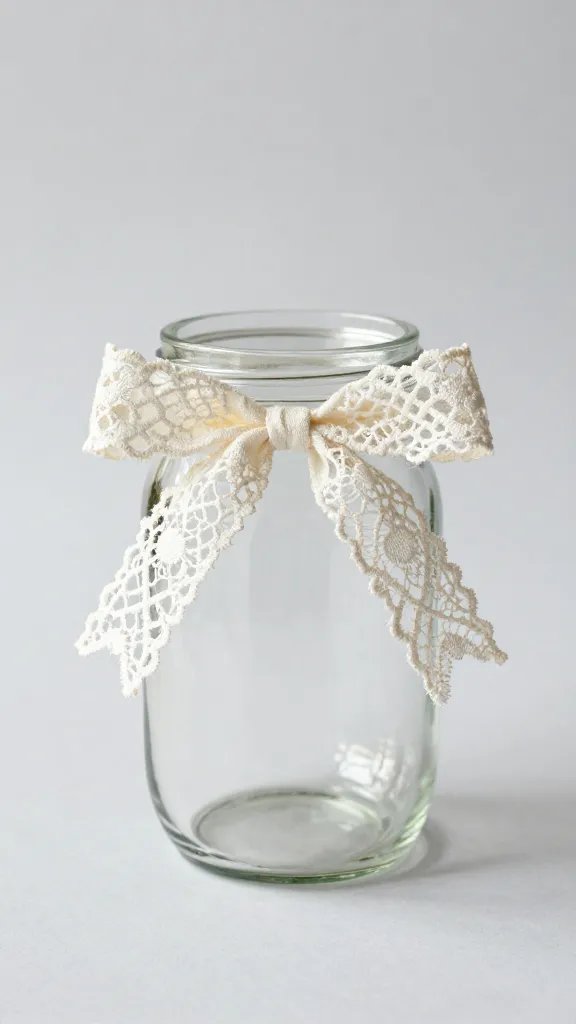
Lace reads “fresh” when it contrasts with simple shapes. I pair it with plain white plates, clear jars, matte enamelware, and unvarnished wood boards. I avoid ruffles-on-ruffles — one lace layer per “zone” is enough.
Colors matter outdoors. Lace pops against neutrals and greens. I keep the palette to three touches: white lace, natural wood, and one accent color from napkins or fruit (like cherries or lemons) so the eye reads it as intentional, not cluttered.
Plant Accents That Don’t Compete
- Eucalyptus sprigs under a lace runner edge for scent and soft color
- Herb pots of basil or mint grouped on a board — practical and pretty
- Small succulents in plain terracotta to add texture without pollen
Action today: Pick one accent color from your kitchen towels and align your napkins, fruit, and ribbon to that single hue.
Wind, Bugs, And Spills: Field-Proof Your Lace Setup
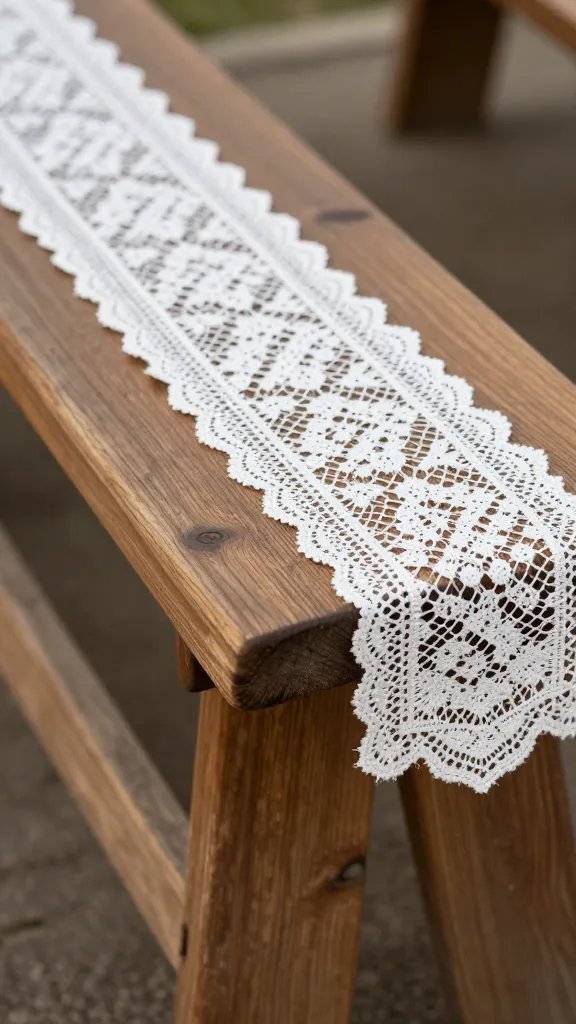
I always add weight. A cutting board, a stack of plates, or a filled water jug on a corner keeps lace from fluttering. For bugs, the doily-over-jar trick doubles as a cover for bowls: stretch a doily and secure it with a wide elastic or twine loop.
For spills, I lay clear plastic placemats (garden-center table covers work too) under lace at the drink station. The lace reads visually, while the clear layer catches condensation and sticky rings.
Fast Reset After A Spill
- Lift the lace straight up by two corners.
- Blot the base cloth with paper towels; swap in a spare tea towel if soaked.
- Rinse the lace in your extra water bottle, wring gently, and drape over a chair to dry.
- Replace with a backup doily from a zip bag if needed.
Action today: Pre-pack two extra doilies in a zip bag and one clear placemat — treat them as consumables, not heirlooms.
Simple DIY Upcycles: Turn Lace Scraps Into Reusable Picnic Gear
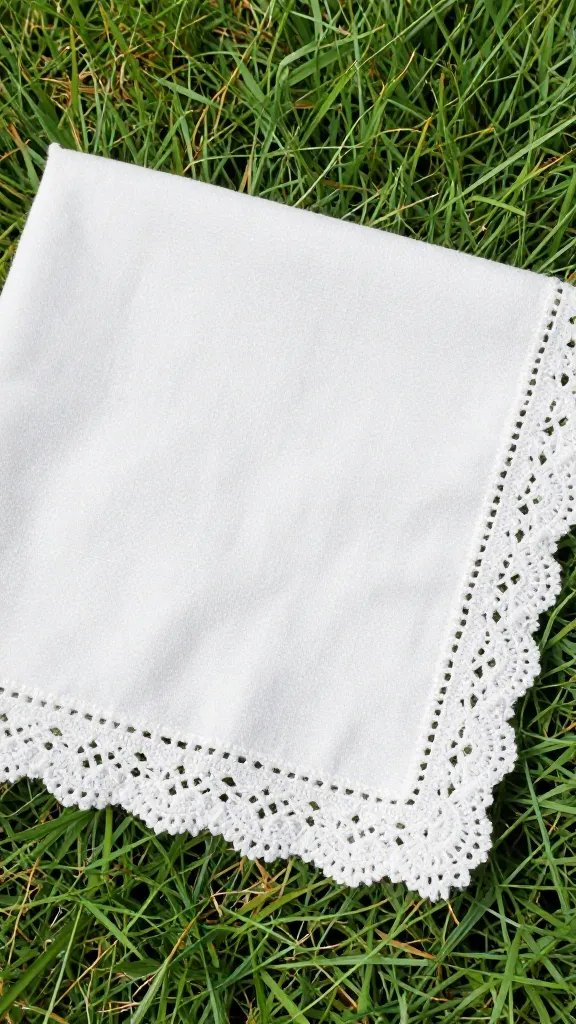
Small lace bits become practical fast. I stitch doilies onto the corners of plain napkins for texture that survives washing. I also make reusable jar covers by sewing a thin elastic channel around a circle of lace-backed-with-muslin.
For an easy runner, I overlap doilies by 1 inch and use fabric glue along the overlap on the underside. It packs flat, looks curated, and you can extend it as your collection grows.
Materials List From A Standard Craft Or Hardware Store
- Fabric glue or a basic needle-and-thread kit
- Muslin or cotton scraps for backing
- Thin elastic and safety pins
- Clear table protector for high-spill zones
Action today: Glue two doilies together with a 1-inch overlap to test a modular runner — 10 minutes, no sewing.
Frequently Asked Questions
How do I stop lace from blowing away without using ugly clips?
Use weight, not clamps. Place a wooden cutting board, stacked plates, or a full water jug on corners and at the center edges. Add thin strips of non-slip shelf liner under the lace to increase grip. If you need hidden anchors, tape pennies underneath the lace hem with clear tape before you leave home.
Can I use lace directly on grass without a blanket?
Yes, but it will snag and get damp. Lay a waterproof picnic blanket or a canvas drop cloth first, then a cotton layer, then your lace. The extra layers smooth bumps and protect fibers. If you must skip layers, confine lace to trays and baskets instead of the ground.
What foods are safe to place on lace without staining?
Dry items like baguette slices, crackers, firm cheeses with rinds, and whole fruit won’t mark lace. For anything oily or juicy, add a parchment or cloth barrier under the lace. Keep sauced dishes, berries, and beets off lace surfaces entirely. Use lace for coverage and accent, not as a plate.
How do I clean vintage lace after grass stains or wine drips?
Rinse immediately with cool water and a drop of dish soap. Soak for 30–60 minutes in cool water with oxygen bleach, then wash in a mesh laundry bag on gentle. Lay flat on a towel, shape the edges, and press with a warm iron through a pressing cloth. Avoid chlorine bleach, which weakens and yellows fibers.
Will modern polyester lace look cheap at a picnic?
Not if you layer it well. Choose a matte-finish lace runner and pair it with natural textures like wood boards and cotton napkins. Keep patterns simple and use one lace focal point per area to avoid visual clutter. Polyester cleans easier than cotton, which makes it smart for high-traffic spots.
Conclusion
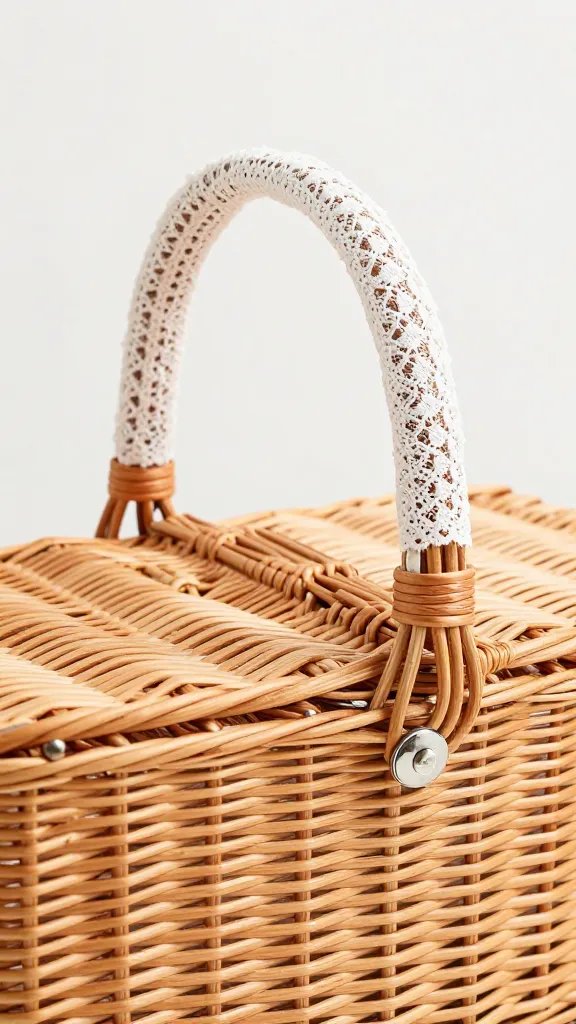
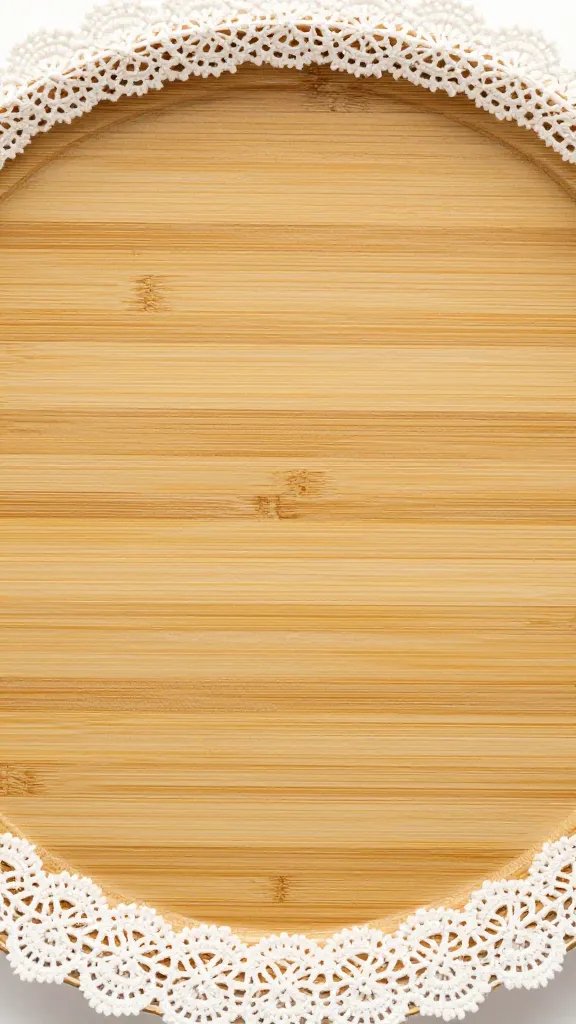
Lace belongs at the picnic when you treat it like a tool, not a relic. Start with one anchored runner over a cotton throw, use doilies where they add function, and pack a simple cleanup kit. Your next step: assemble a small lace kit — two doilies, one runner, shelf liner strips, and a clear placemat — and keep it with your picnic blanket so you can style a beautiful spread in five minutes flat.
Leave a Reply