Integrating “Adire” and “Motif Berbere” Textiles for a Global Aesthetic Unlocked
· Yasmine Taljaard
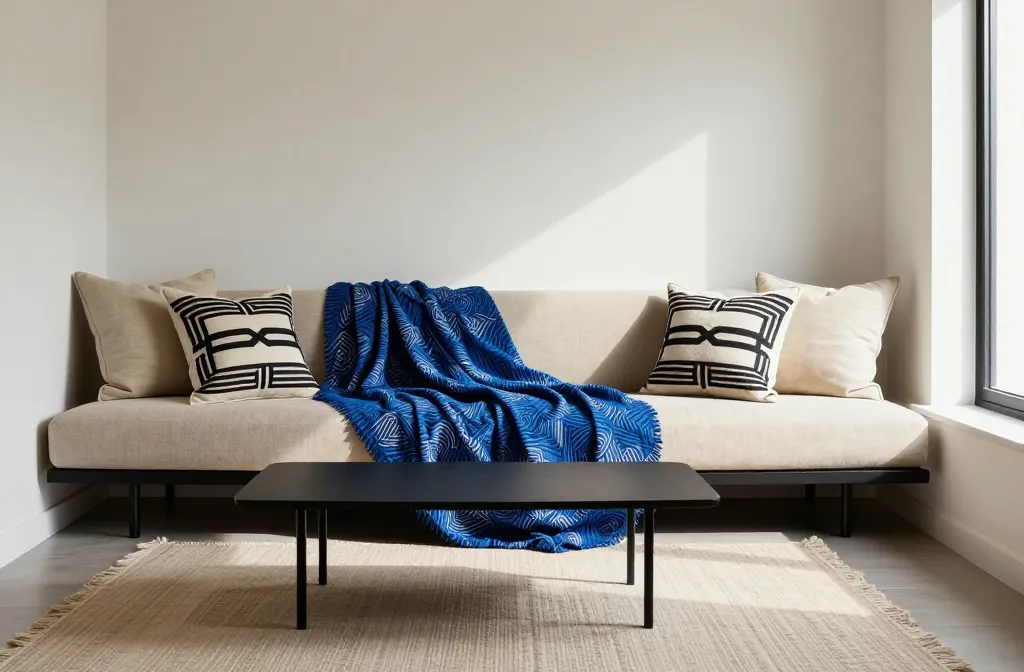
I started mixing textiles the same way I start a balcony planting: with one reliable anchor and a few bold accents. The first time I paired deep-indigo Adire with sandy, geometric Motif Berbere pillows, the room snapped into focus without feeling themed. In this guide, I’ll show you how to blend these West African and North African traditions using what you can actually buy at a home store, while avoiding the common clashes that make a space feel busy. You’ll leave with color formulas, layout steps, and care tips that hold up in small apartments and family rooms alike.
Understand The Character Of Adire And Motif Berbere Before You Buy
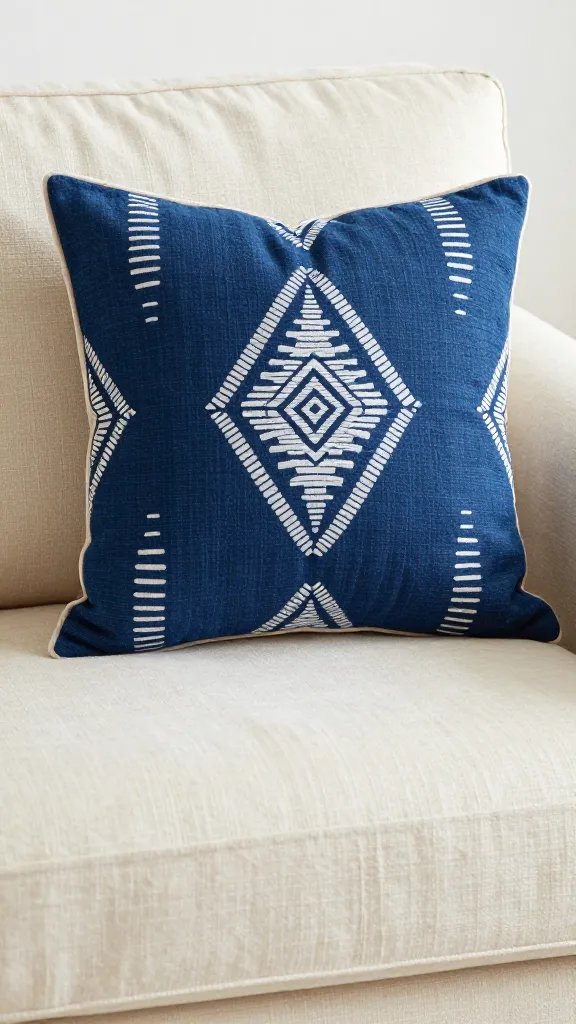
Adire typically brings indigo-dyed cotton with resist patterns: grids, stripes, dots, and waves with clear light–dark contrast. It reads cool, inky, and rhythmic.
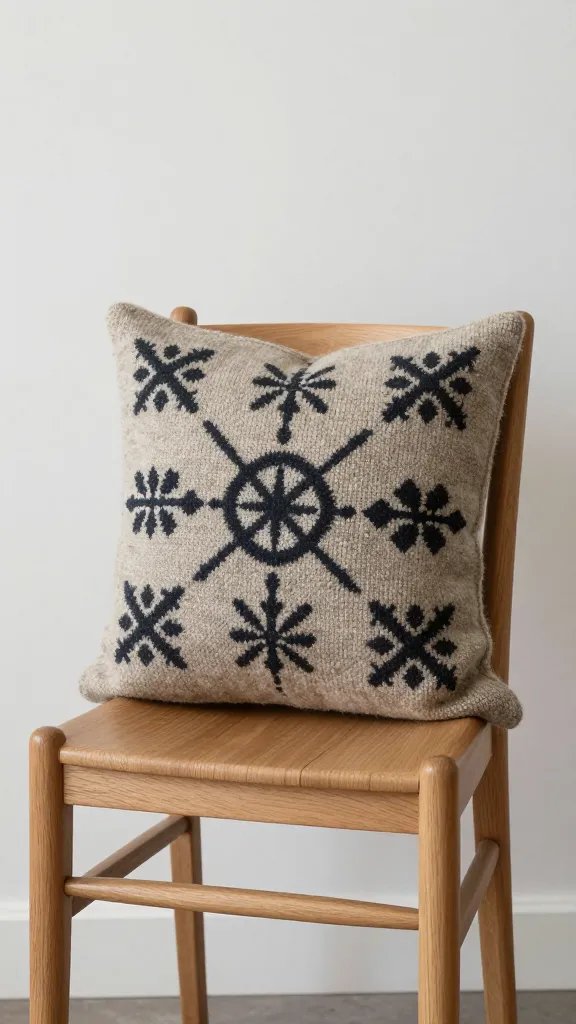
Motif Berbere (often inspired by Beni Ourain and Atlas motifs) leans warm and earthy: cream or sand bases with black or rust geometric lines and lozenges. It reads soft, grounded, and graphic.
Cool indigo plus warm cream creates immediate balance. The trick is to keep one as the anchor (largest surface) and the other as the accent (smaller, repeatable hits).
Action today: Pull one Adire item and one Berber-inspired item from your cart or closet and photograph them side by side in daylight; if both patterns shout equally, choose one to be your anchor.
Pick A Simple Color Formula That Always Works
I use a 60/30/10 ratio. Make 60% of the textiles a quiet neutral, 30% a bold pattern, and 10% a high-contrast accent. With Adire and Berber motifs, this keeps the room calm and intentional.
- Base (60%): Cream, oatmeal, or soft gray solids (rug, large curtains, or sofa throw).
- Feature (30%): Indigo Adire quilt or throw pillows, or a large Adire wall hanging.
- Accent (10%): Small Motif Berbere pillows, a lumbar cushion, or a runner.
Flip the formula if you start with a Berber rug: make it your 60%, then add Adire pillows for 30%, and keep 10% as plain indigo or black trims.
Action today: Write the 60/30/10 split on a sticky note and assign each planned purchase to a bucket before you buy anything else.
Choose Patterns That Complement Instead Of Compete
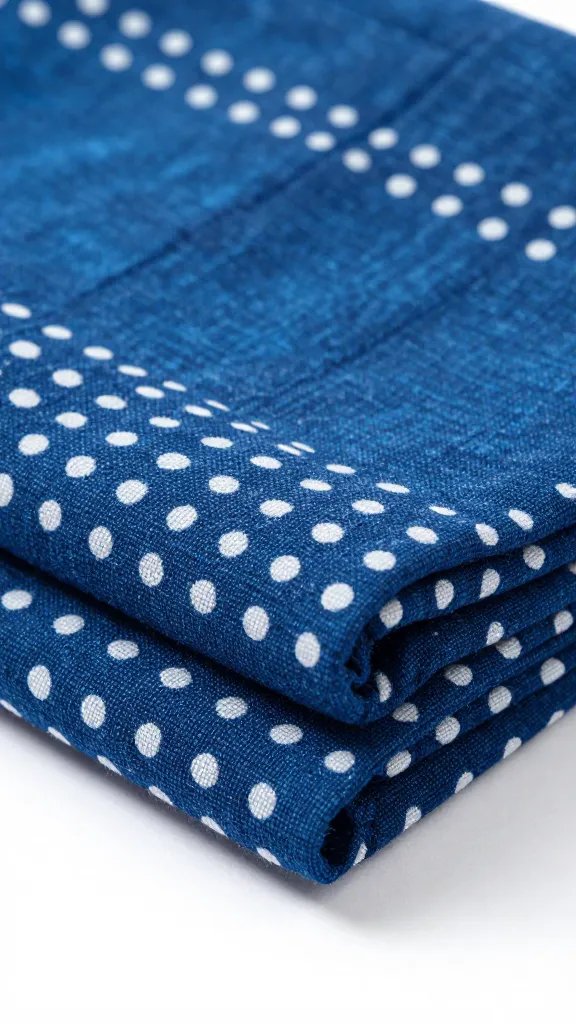
Adire patterns range from tight dots to broad stripes. Berber motifs range from sparse lines to dense lozenges. Pair opposites for clarity: tight Adire with open Berber, or broad Adire with fine Berber lines.
Warning Signs Your Mix Will Feel Busy
- Both textiles have high-contrast, medium-scale geometry (checker vs. lozenge) in the same size.
- Every item includes a border or fringe fighting for attention.
- The darkest indigo equals the darkest black, creating a vibrating edge where they meet.
Scale matters. Keep one pattern large-scale (visible from across the room) and the other small-scale (reads as texture up close).
Action today: Step back 8 feet from your layout; if you can’t instantly name the anchor pattern, reduce the accent pattern size by choosing smaller cushions or a narrower runner.
Lay Out A Balanced Set In A Small Space

In apartments, surfaces are limited. I set textiles like I set containers on a balcony shelf: tallest anchor in back, medium supports, then a bright accent.
- Anchor: Choose either an Adire throw over the sofa back or a Berber-style rug on the floor — not both as anchors.
- Support: Add two to three solid cushions in cream, oatmeal, or charcoal to bridge patterns.
- Accent: Place one to two small pieces in the other tradition: a 12×20 Berber lumbar on an Adire throw, or a folded Adire runner on a console above a Berber rug.
- Repeat once: Echo the accent in one more small spot (a stool cover or framed textile) to make it feel deliberate.
Limit yourself to five textile surfaces in a studio or small living room to avoid visual clutter.
Action today: Remove one patterned item from your busiest surface and replace it with a solid pillowcase or plain throw you already own.
Use Everyday Materials For Hardware, Hanging, And Care
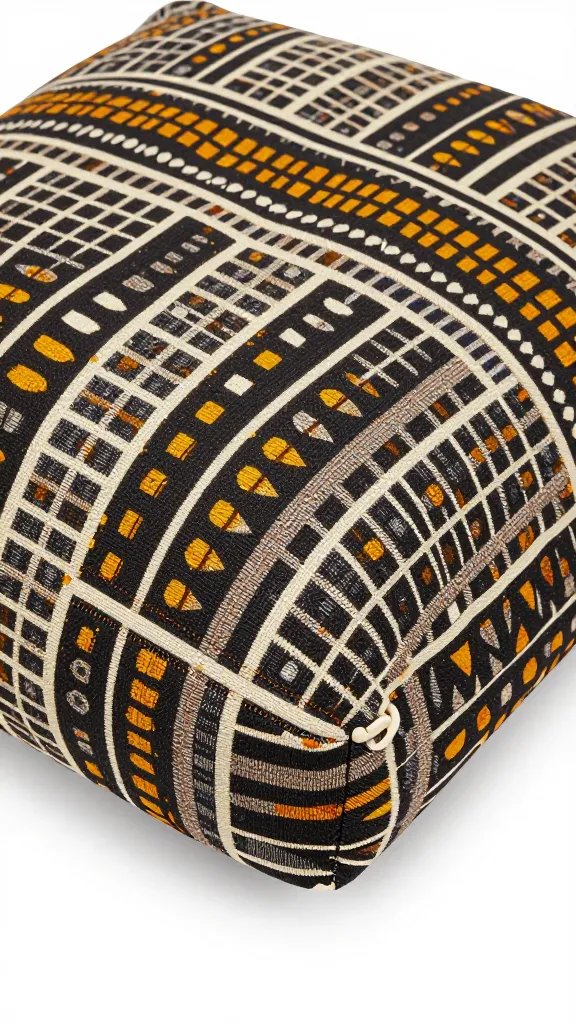
You don’t need a workroom to display textiles cleanly. For wall hangings, I use a wooden dowel from a hardware store, two small cup hooks, and cotton twill tape or safety pins hidden on the back hem.
Step-By-Step: Hang A Textile Without Stretching It
- Cut a dowel 2 inches wider than the textile.
- Stick a strip of self-adhesive hook-and-loop (soft side on the textile) along the top backside.
- Hand-stitch or safety-pin the soft strip through existing hems; avoid piercing the pattern field.
- Attach the hook side to the dowel with wood glue or staples.
- Mount two cup hooks level; set the dowel in place.
Caring is simple: cold hand-wash Adire the first time to test dye fastness; add a splash of white vinegar to set. For Berber-style wool or wool-blends, spot-clean only with cool water and a tiny dab of gentle soap; blot, don’t rub.
Action today: Test colorfastness on a cotton swab dampened with cool water on the textile’s underside; if dye lifts, reserve that piece for wall use away from rubbing.
Blend Textiles With Your Plants And Furniture For A Cohesive Look
Textiles sing when echoed in planters and wood tones. Indigo pairs well with matte black or brushed brass pots, and Berber creams pair with terracotta and pale oak.
- Plants with architectural leaves like Sansevieria or ZZ plant mirror the graphic lines without more pattern.
- Keep planter colors to two finishes across the room to avoid pattern overload.
- Use a plain linen table runner under a bold Adire to buffer it from busy wood grain.
If your sofa is dark, lean on Berber creams to lift it; if your rug is cream, let Adire ground it with depth.
Action today: Move one medium houseplant beside your boldest textile to create a calm, textural counterweight without adding new patterns.
Respect, Attribution, And Buying Well

These traditions come from specific places and hands. When possible, buy from shops that name the maker group or workshop and list fiber content clearly. Look for indigo-dyed cotton labeled as hand-drawn or stitch-resist for Adire, and hand-knotted or flatwoven wool for Berber-inspired pieces.
- Red flags: “100% polyester” labeled as “vintage,” warped prints pretending to be hand-dyed, and no care info.
- Better choices: Pieces with visible variation, small imperfections, and care tags that mention natural dyes or wool.
When you display or share, name the traditions: “Indigo Adire throw from Yorùbá artisans” and “Berber-inspired motif pillow” to honor origin and influence accurately.
Action today: Check one listing in your cart; if the seller doesn’t state origin and material, message them for details before purchasing.
Frequently Asked Questions
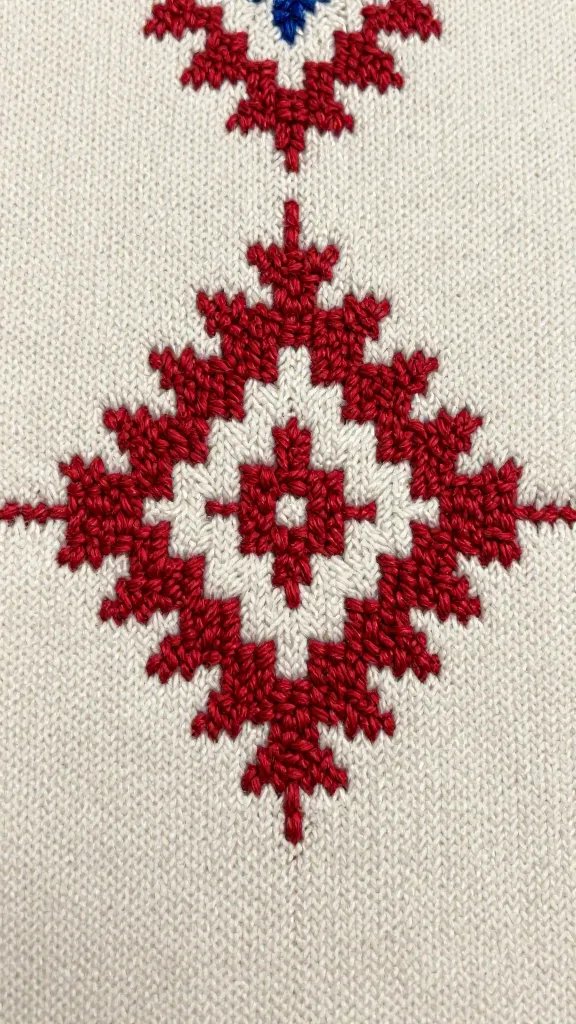
Will indigo Adire stain my cream Berber-style rug or sofa?
New indigo can transfer if it isn’t well set. Test with a damp white cloth on a hidden corner; if it picks up blue, keep that piece off light upholstery and use it as a wall hanging or over darker furniture. Wash once in cold water with a splash of white vinegar and air-dry flat before putting it near light fabrics. Always avoid placing a damp Adire piece on light textiles.
How many patterns are too many in a small living room?
Stick to two pattern families total: Adire plus Berber. Everything else should be solids or subtle textures like linen or bouclé. Cap visible patterned surfaces at five: e.g., rug, two pillows, one throw, one wall hanging. If the room still feels loud, remove the smallest patterned item and replace it with a neutral.
Can I mix black-and-white Berber motifs with navy instead of true indigo?
Yes, navy reads like a softened indigo and pairs cleanly with cream and black. Keep the darkest navy at least one shade lighter than pure black so lines don’t visually “vibrate.” If your navy is very dark, add a mid-tone bridge like gray or oatmeal in a solid pillow. This keeps contrast controlled and readable from across the room.
What’s the best budget-friendly way to start without overcommitting?
Buy one anchor and one accent you’ll use in multiple rooms: a cream Berber-style pillow and a single Adire throw. Test them on the sofa, bed, and entry bench to confirm versatility before adding more. Take daytime photos in each spot; keep the combo that looks balanced without filters. Build out with solids next, not more patterns.
How do I keep a patterned space from feeling cold or formal?
Add soft textures and rounded shapes. A chunky knit neutral throw, a terracotta planter, or a jute basket warms up the geometry. Use warm light bulbs labeled 2700K in table lamps to deepen creams and soften indigo. Place one item with visible handwork—tassels, hand-stitching—to humanize crisp lines.
Conclusion
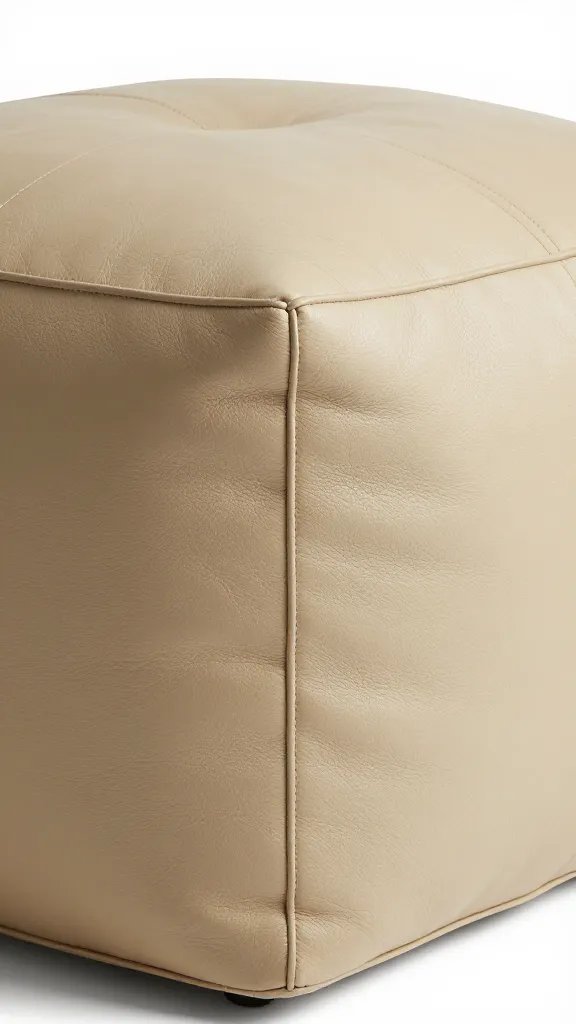
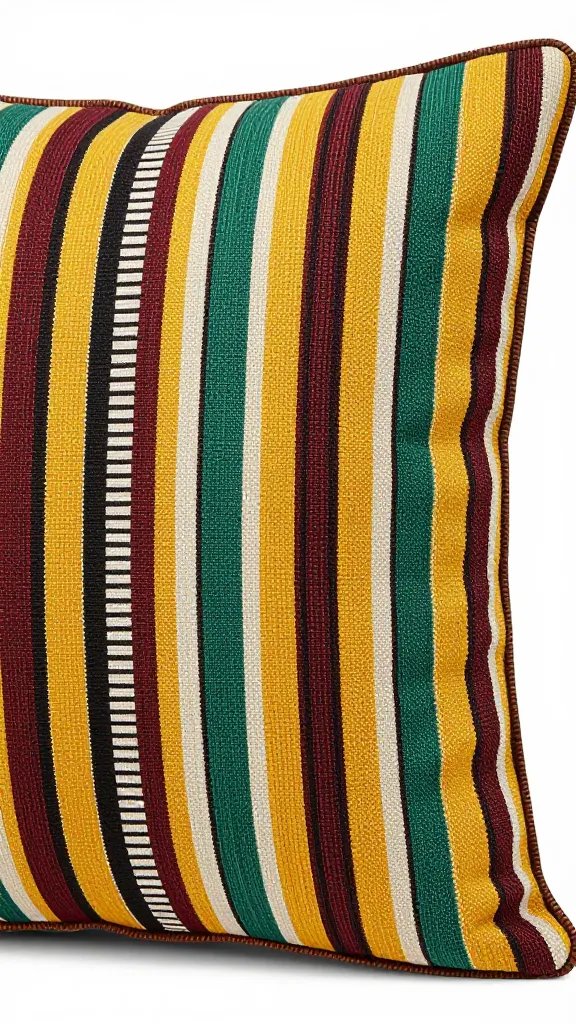
You don’t need a decorator or specialized tools to blend Adire and Motif Berbere beautifully—just a clear anchor, a simple color ratio, and respect for scale. Start with one anchor and one accent this week, photograph them in daylight, and adjust until the anchor leads at a glance. When you’re ready for the next step, add one solid bridge piece and repeat the accent once elsewhere so the room feels intentional, not accidental.
Leave a Reply