Viral Guide Using “White Oak and Black” Accents for a Modern Farmhouse Picnic
· Yasmine Taljaard
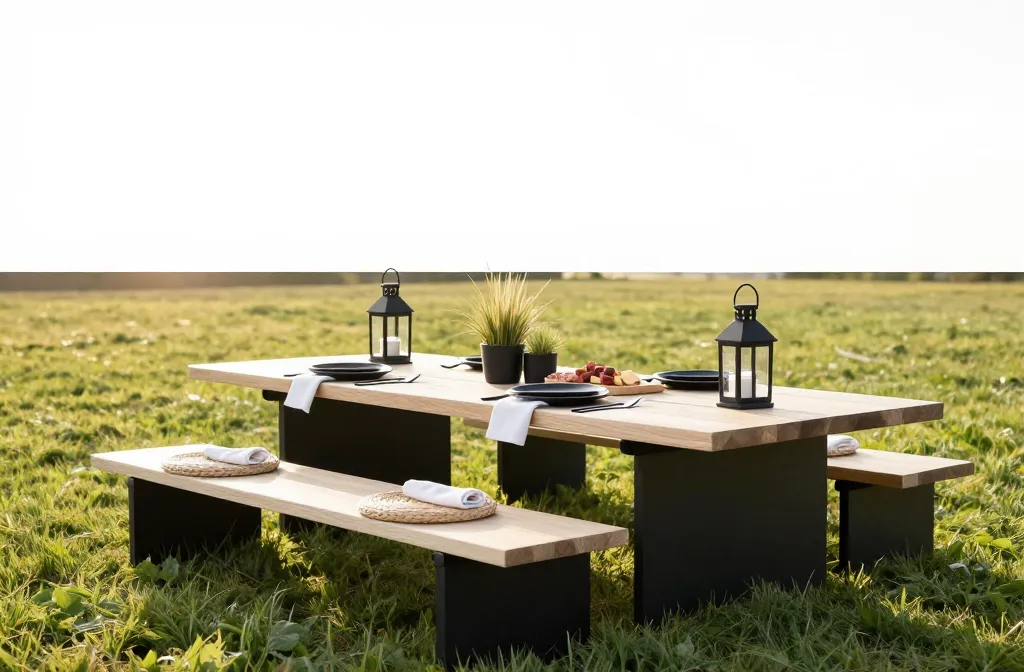
I host low-effort backyard picnics often, and I learned that a tight color palette does most of the styling work for you. When I switched to a simple mix of white oak tones and black accents, the setup looked intentional without feeling fussy. In this guide, I’ll show you how to build a modern farmhouse picnic with items you can grab from a garden centre or hardware store. You’ll get specific checklists, layouts, and finishes that hold up outdoors and photograph beautifully.
Why White Oak And Black Works Outdoors
White oak tones read warm and natural, so they blend with grass, stone, and plants. Black accents add clean lines and contrast that sharpens the whole scene — the eye reads it as structured and modern, not rustic clutter.
This pairing also solves a real picnic problem: mixed gear looks busy fast. Limiting finishes to pale wood and black simplifies every choice from trays to planters.
Action today: Pull everything you own in pale wood and matte black onto one table — boards, lanterns, planters, utensils — and set aside items in other colors. Start your kit there.
Build a Stable, Good-Looking Picnic Surface
Most lawns are uneven, and rickety tables ruin drinks and plates. I use a 24–30 inch wide slab of unfinished pine or birch plywood as the top and lay it over two black milk crates or upside-down planters for legs. The pale wood reads like white oak once you treat it correctly.
Seal the top to resist stains. Two coats of water-based satin polyurethane keep the color light; oil-based finishes amber the wood too much. Lightly sand between coats with a kitchen sponge and wipe clean.
Step-by-Step: Turn Pale Wood Into a White Oak Look
- Sand the board with 120-grit, then 180-grit until smooth to the touch.
- Wipe with a barely damp cloth to lift grain; let dry 10 minutes.
- Apply a water-based whitewash stain or diluted cream-colored wood stain with a rag; wipe off immediately to avoid chalkiness.
- Seal with two thin coats of satin polyurethane, drying 2 hours between coats.
- Attach four stick-on rubber feet to reduce rocking on grass.
Action today: Pick up one 2’ x 4’ plywood panel, a small can of whitewash stain, and satin poly. You can finish the top in an evening and use it this weekend.
Choose Black Accents That Earn Their Keep
Every black item should do double duty: function and visual outline. Matte black works best because it hides fingerprints and looks softer outdoors.
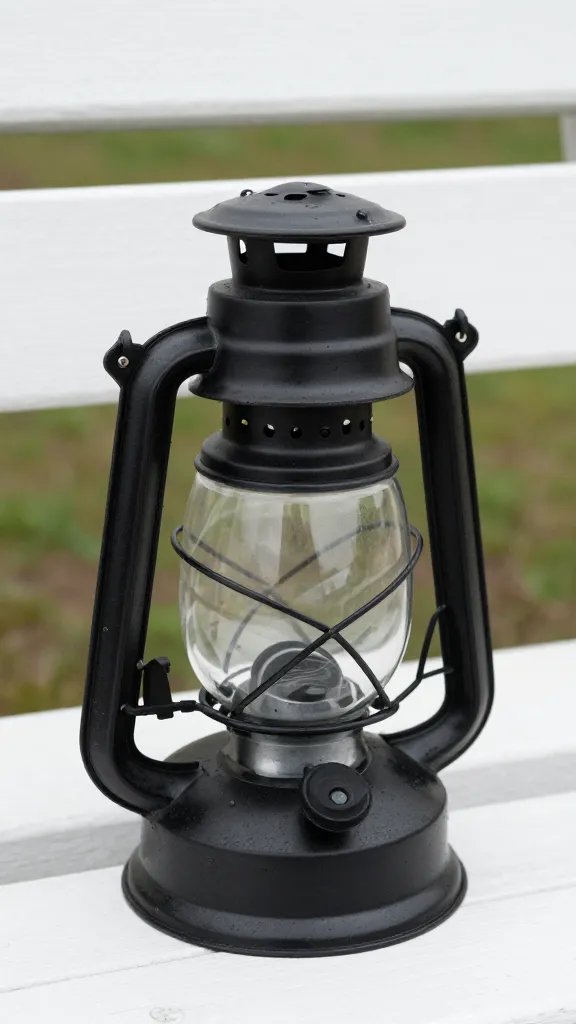
- Lanterns: Black powder-coated steel lanterns with LED candles add height and anchor corners of the table.
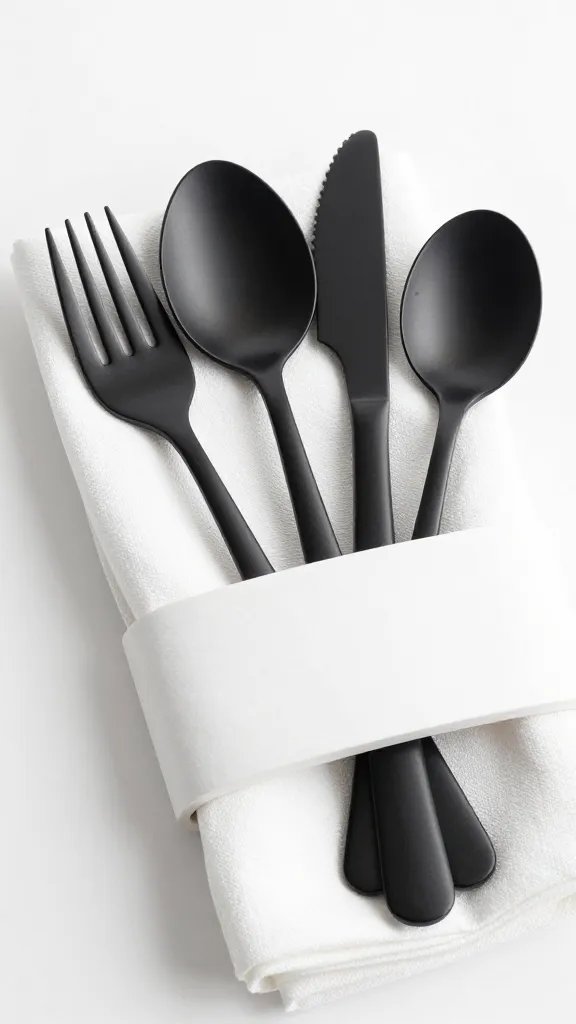
- Flatware & Tongs: Black-handled stainless tools feel modern and don’t shout for attention.
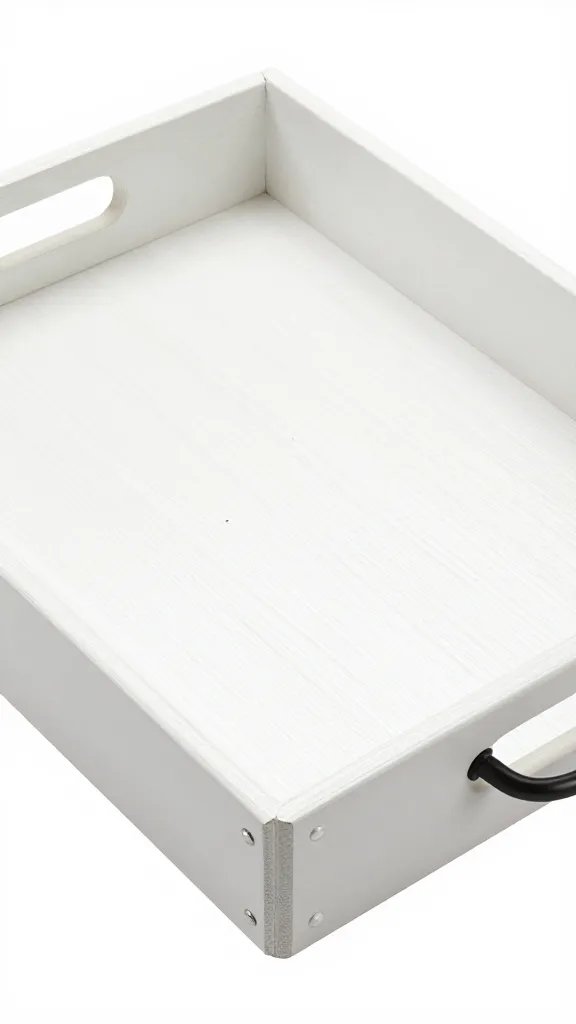
- Serving Trays: Shallow black metal or melamine trays corral small items and create structure.
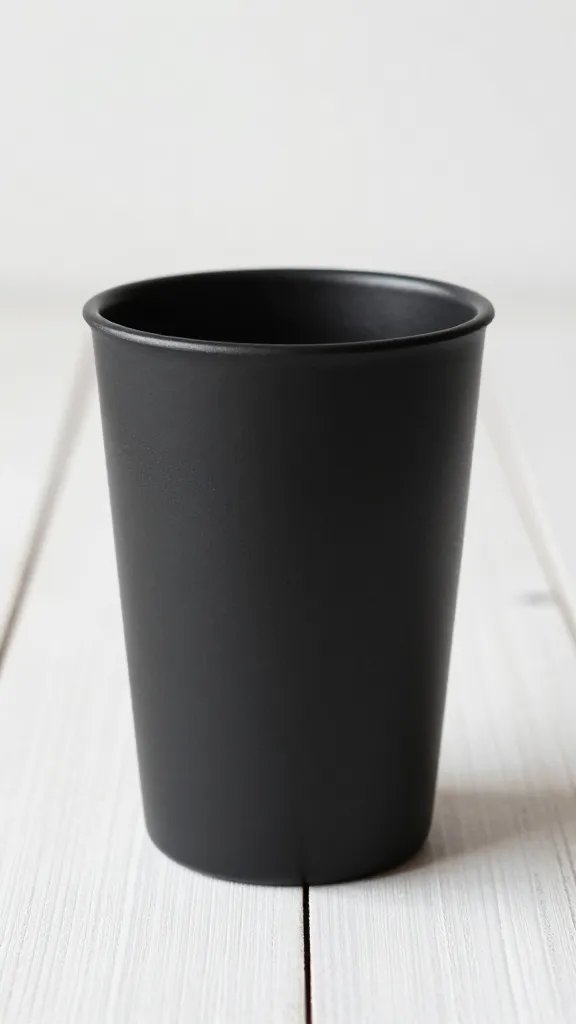
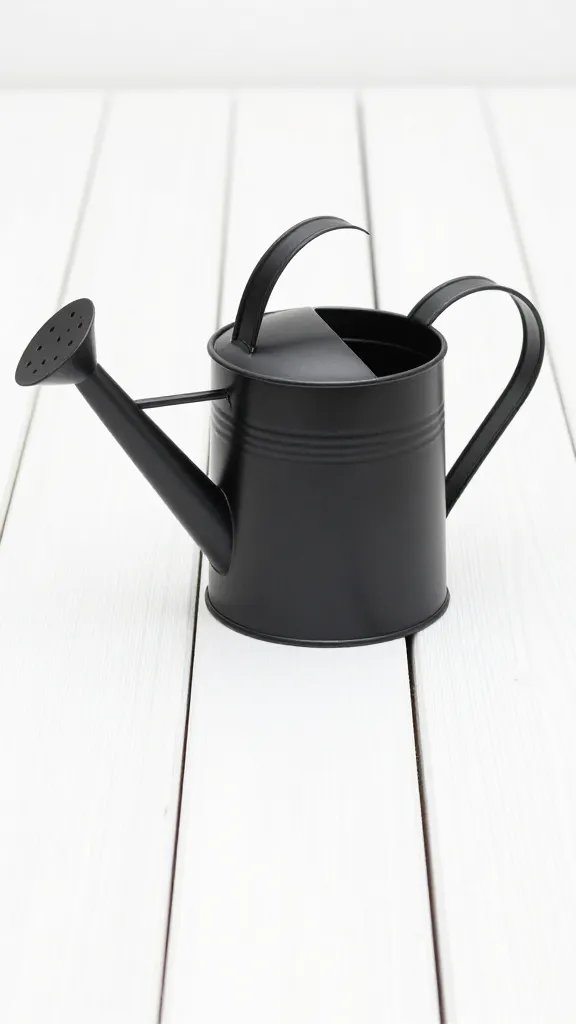
- Planters: Two small black fiberclay planters with herbs act as centerpieces and seasoning.
- Napkin Rings or Clips: Simple black binder clips from a stationery aisle work outdoors to pin napkins against wind.
Action today: Buy two identical black lanterns and one black tray — this trio instantly adds rhythm and function to any setup.
Textiles That Survive Grass, Wind, And Spills
High-contrast textiles make or break the look. I use a heavy canvas drop cloth (9 x 12 feet) for the ground — it’s affordable, washable, and looks like rustic linen once you wash and dry it once. Add a narrow black-and-ivory striped runner on the table to frame serveware without competing with food.
For napkins, black cotton hides stains and pairs with pale wood. Skip slick polyester; it slides in wind. Weight the corners of the ground cloth with black planters or river stones wrapped in black twine.
Warning Signs Your Textile Plan Isn’t Outdoor-Ready
- Everything billows with a light breeze — you need heavier fabric or anchors.
- Tabletop glare in photos — switch to satin finishes and woven runners.
- Persistent grass stains — pre-treat canvas with a fabric protector spray.
Action today: Wash and dry a medium-weight canvas drop cloth once to soften it and reduce shrinkage before you host.
Plant Choices That Complement White Oak And Black
Greenery cools the warmth of the wood and softens the black lines. I reach for herbs and compact grasses that handle sun and move nicely in a breeze.
- Herbs: Rosemary, thyme, and oregano in black pots — they’re fragrant and garnish-ready.
- Compact grasses: Festuca glauca (blue fescue) for dusty blue tones that sit well with pale wood.
- Cut branches: Olive or eucalyptus for silvery foliage that reads sophisticated against black.
Simple Planter Prep Without Special Tools
- Choose black pots with drainage holes; if not, drill 3 small holes using a basic handheld drill.
- Add a 1-inch layer of pea gravel, then fill with a good quality potting mix from the garden centre.
- Water until it just begins to seep from the bottom; top-dress with fine bark for a finished look.
Action today: Pot two rosemary plants into black planters and place them at opposite ends of your table for instant symmetry and scent.
Serveware Layout That Looks Designed
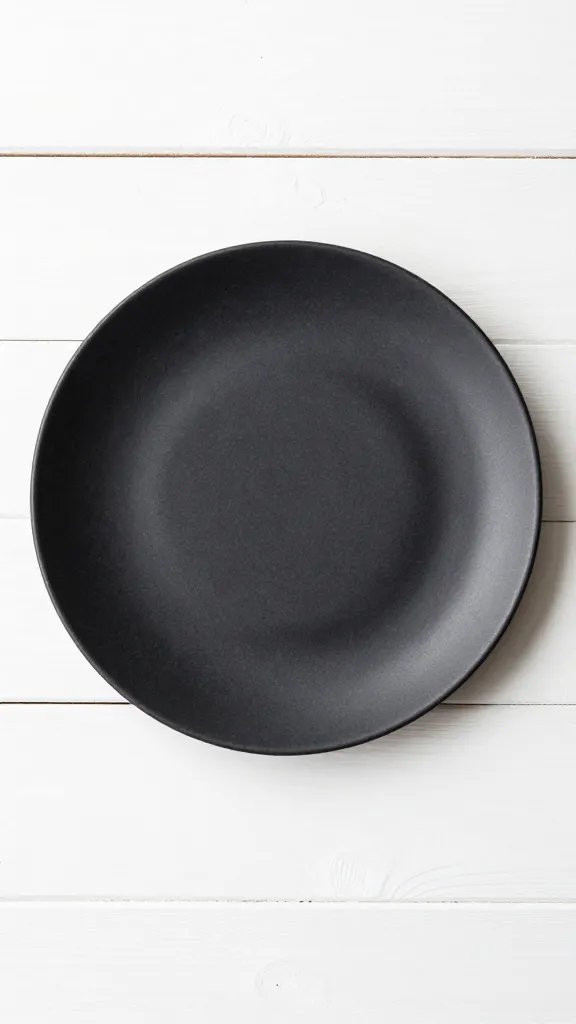
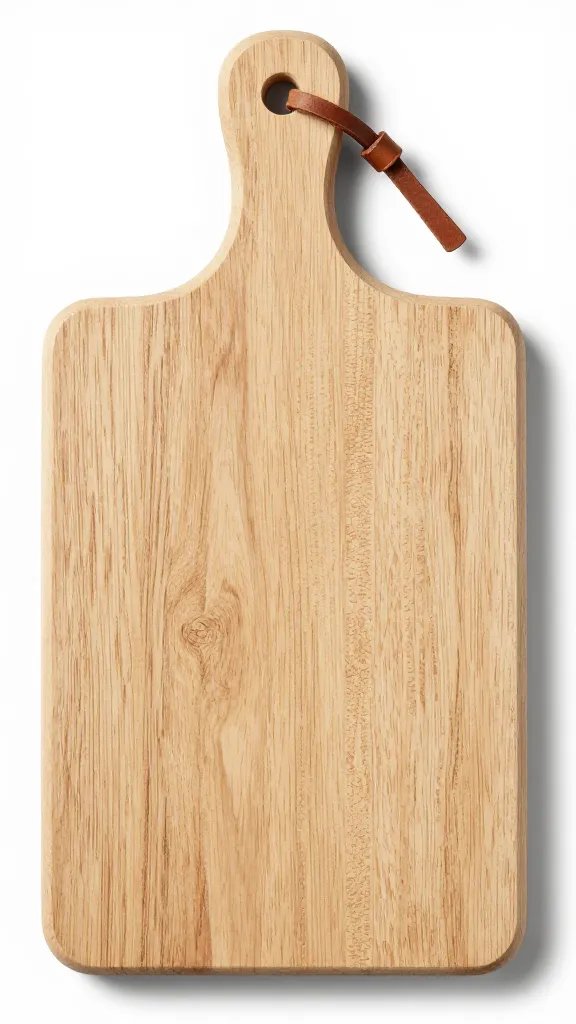
I use a left-to-right flow so guests never stack up. Start with plates on a pale wood board, then salads and mains, and finish with cutlery and napkins in a black tray. Height variation keeps it interesting — lanterns or a tall herb pot at the back, low bowls in front.
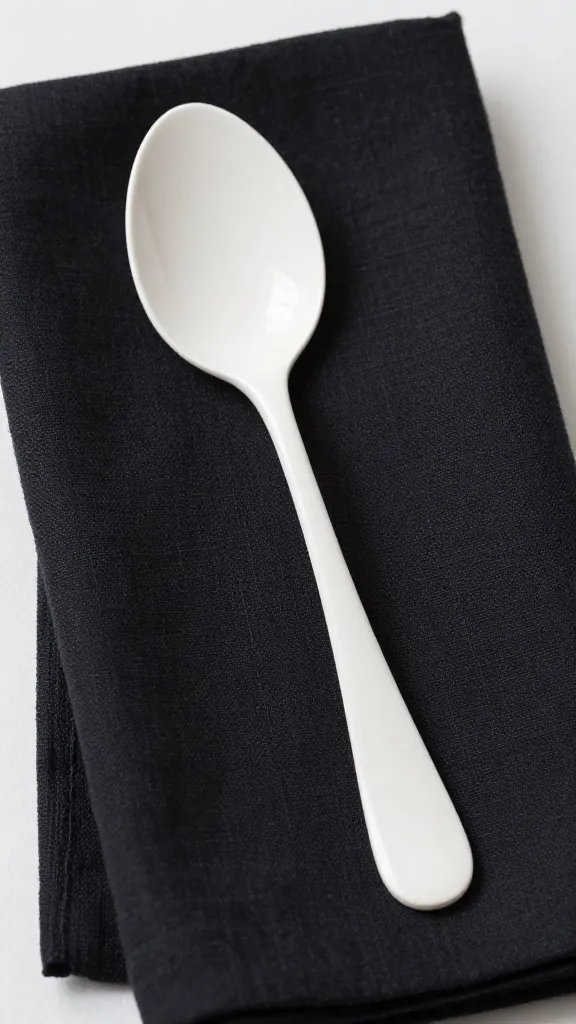
Keep all serveware to three finishes: pale wood, matte black, and white ceramic. Anything outside those finishes distracts from the clean farmhouse feel.
Step-by-Step: Five-Minute Table Reset
- Center the black-and-ivory runner on your finished pale wood top.
- Place two black lanterns at diagonal corners to frame the surface.
- Set a white ceramic platter in the center; flank with two pale wood boards.
- Corral cutlery and napkins in a single black tray at the right end.
- Tuck two herb planters between lanterns and boards to fill gaps.
Action today: Photograph your table from standing height and kneeling height. If you see four or more different colors, remove the extras until only pale wood, black, white, and green remain.
Lighting, Shade, And Heat Management
Direct sun bleaches wood tones and overheats food. I position the table in bright open shade — either under a tree canopy or use a black market umbrella set slightly behind the table so the pole doesn’t dominate photos. For evenings, LED candles in black lanterns give safe, warm light without wax mess.
If it’s hot, serve salads in white ceramic (it stays cooler than metal) and keep drinks in a black, powder-coated steel tub filled two-thirds with ice and water for even chilling.
Action today: Check your yard or balcony between 4–6 pm and mark where consistent shade falls — set your picnic there next time.
Pack, Clean, And Store So Setup Takes 10 Minutes Next Time

I store everything in two black crates: one for textiles and candles, one for hard goods. Roll the runner and napkins; stack the lanterns nested with microfiber cloths between them. Wipe the table board with a damp cloth and a drop of dish soap, then dry; the satin poly finish resists rings if you clean within an hour.
Keep a small pouch in the crate with binder clips, matches (for backup), a corkscrew, and extra napkins. That pouch saves more time than any decor tweak.
Action today: Build a labeled “Farmhouse Picnic” crate and put it on a garage shelf — if it’s packed, you’ll actually host.
Frequently Asked Questions
How do I get the white oak look if I only have a cheap pine board?
Use a water-based whitewash stain wiped on and off quickly, then seal with satin polyurethane. The whitewash mutes yellow undertones so the board reads as pale oak. Keep coats thin and sand lightly with a sponge between coats to avoid plastic shine. If it still looks yellow, add a second very light whitewash pass only in the center, feathering to the edges.
What if I don’t have lanterns — will any black accent work?
Yes, but choose items with height so they frame the table: a pair of tall black planters or two stacked black crates work. The goal is vertical anchors at corners. If using planters, insert LED candles or a small solar spotlight aimed down for evening warmth. Keep finishes matte to avoid glare.
How do I keep textiles from blowing away on a breezy balcony?
Use heavier fabrics like canvas and add discreet weights. Clip black binder clips onto runner ends and tie short lengths of black twine to river stones tucked under the cloth. For napkins, slide a fork through folded fabric and rest the tines on the plate until guests arrive. Avoid lightweight paper — it never behaves outdoors.
Can I pull this off on a small apartment balcony?
Absolutely. Scale down to a 18–24 inch wide board across two black storage cubes and seat on floor cushions. Use one lantern, one herb planter, and a single black tray to avoid crowding. Keep the color rule tight: pale wood, black, white, and green only.
What plants hold up on a hot patio for the centerpiece?
Choose rosemary, thyme, or olive branches — they tolerate heat and direct light. Water until the pot feels evenly heavy, then let the top inch of soil dry before watering again. If the leaves droop midday, move the planter to bright indirect light near a wall or under an umbrella. Refresh cut branches every 3–4 days.
Conclusion
You don’t need designer gear to stage a modern farmhouse picnic — you need a clear palette and a few dependable materials. Start with one finished pale wood board, two black anchors, and fresh green herbs, then lock everything else to black, white, and wood. If you want a next step, finish your tabletop this week and assemble a dedicated picnic crate; once those two pieces are done, hosting becomes a 10-minute habit instead of a project.
Leave a Reply