Viral Guide the “Ethereal Places” Trend: How to Find Picnic Spots That Feel Magical
· Yasmine Taljaard
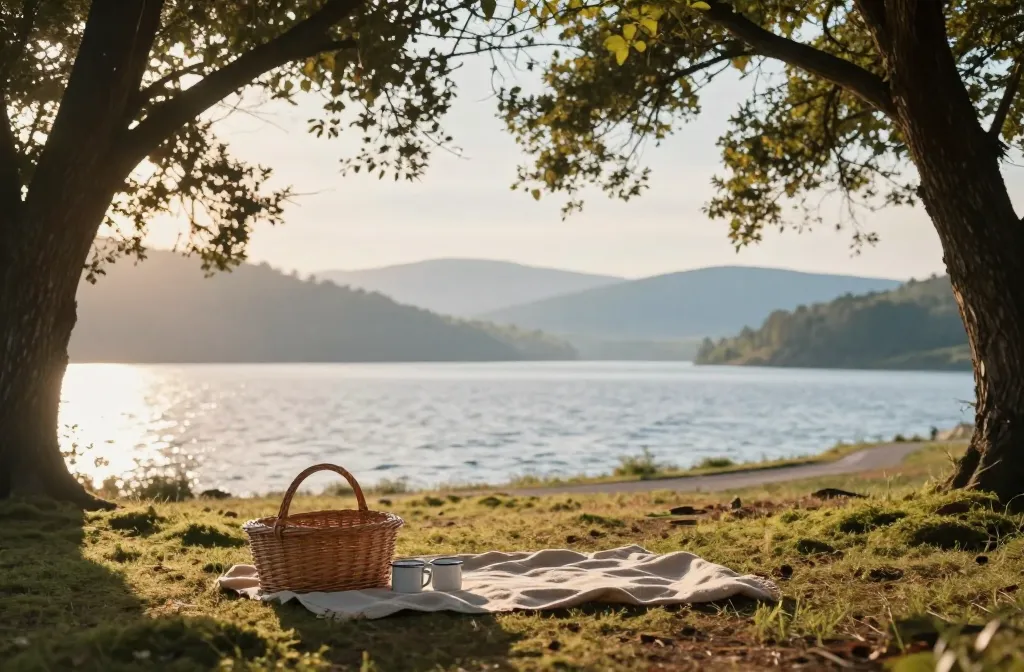
I started chasing “ethereal” picnic spots after one too many lunches beside a noisy car park dressed up as a viewpoint. The difference between a forgettable patch of grass and a place that feels otherworldly comes down to a few repeatable cues you can learn to spot. In this guide, I’ll show you how I find locations that feel cinematic in real life, not just in photos, using simple tools and on-the-ground checks. By the end, you’ll know exactly where to look, what to pack, and how to time your visit so the place does the heavy lifting.
What Makes a Place Feel Ethereal: The Three-Cue Test

I rely on three cues: layering, softness, and separation.
Layering means visual depth — overlapping elements like trees in front of water, water in front of hills, or arches of branches framing a path. Softness comes from filtered light, moving water, moss, mist, or tall grasses — anything that blurs hard edges. Separation is the subtle buffer from daily noise: distance from roads, a bend in a trail, or a change in elevation that hides the outside world.
I only commit to a new spot if I can check at least two of these cues in advance and confirm the third on-site.
Action today: Pick one nearby park on a map and circle any place where trees meet water or a hill — that’s your first candidate for layering and softness.
Use Simple Map Clues to Predict Magic Before You Go

I start with free maps and basic satellite view to “read” the land like a local.
- Contours and edges: Follow winding blue lines (creeks), pond margins, and sharp color changes between forest and meadow. Transitional edges create natural frames and better light.
- Shade corridors: On satellite, look for narrow paths under a closed canopy — a darker ribbon through a lighter area. That’s filtered light all day.
- Sound buffers: Count two turns or 300–500 meters from the nearest road or car park. A bend that hides the road usually kills traffic noise.
- Access reality: Check the nearest marked trailhead and any “no public access” labels. Private land can look dreamlike and still be off-limits.
Action today: In your favorite map app, toggle satellite view and drop three pins where forest meets water within 30 minutes of home.
Time of Day and Weather: When Ordinary Turns Otherworldly
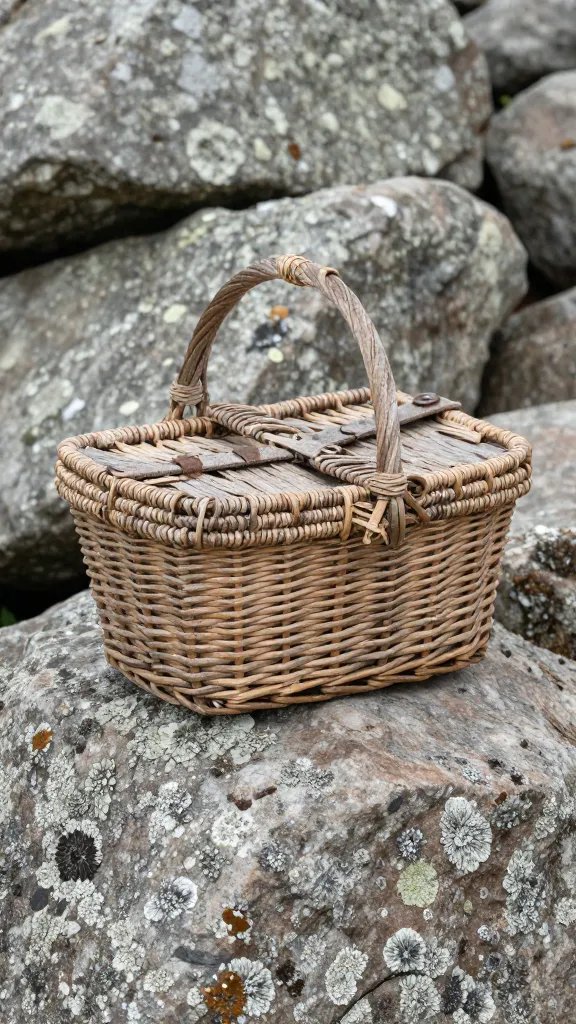
I stop chasing only blue-sky days. Ethereal comes from light angles and moisture in the air.
- Golden hour: Arrive 45 minutes before sunrise or 60 minutes before sunset. Low light moves through grasses and branches, creating that soft rim glow you see in films.
- After-rain windows: Go within two hours after a light rain. Leaves shine, colors deepen, and small streams sing louder. Paths may be slick — wear shoes with tread.
- Mist potential: Target spots near water on cool mornings after a warm day. Temperature contrast often lays a ribbon of fog over ponds and low fields.
- Wind check: Gentle breeze (leaves rustling, not swaying) adds motion to grasses and reflections without blowing your picnic away.
Action today: Set a phone reminder for the next post-rain sunrise at your closest pond — pack a thermos and go light.
On-the-Ground Scouting: A Five-Minute Walk That Reveals Everything

When I arrive, I don’t drop the blanket immediately. I do a short loop to confirm the three cues.
- Listen first: Stand still for 30 seconds. If you hear steady road noise or leaf blowers, keep walking 2–3 minutes along the trail until the sound fades behind a rise or tree wall.
- Check light quality: Hold your hand out. If your shadow has soft edges, the light is filtered — perfect. If it’s harsh and dark, step into dappled areas or under a bright overcast sky near water.
- Find the frame: Look for a natural arch (interlaced branches), a curve in the bank, or a gap in reeds. Sit where foreground elements partially frame the view.
- Test the ground: Use your heel to press the soil. If it rebounds without squishing, you’re good. If it’s soggy, move 2–3 meters uphill to avoid damp seeping into blankets.
- Confirm privacy: If you can see a bench or main path, others can see you. Shift behind a shrub cluster or boulder for separation without trampling plants.
Action today: Practice the five-minute loop at your usual park and commit to moving once if any cue isn’t right.
What to Pack for Atmosphere Without a Car Full of Gear
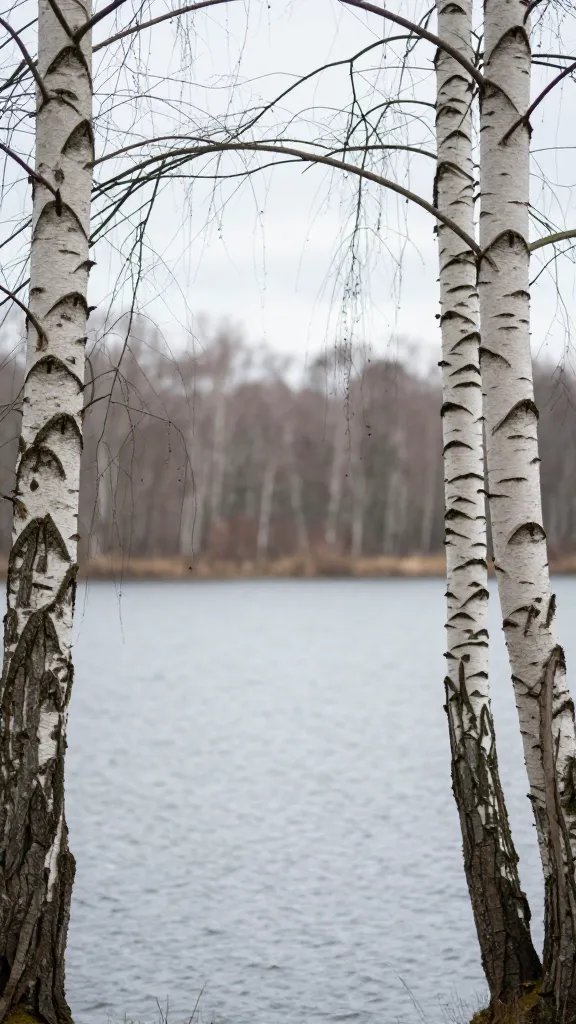
I focus on compact items that change comfort and mood more than volume.
- Two-layer base: A waterproof picnic mat under a soft blanket. If you own only one, bring a trash bag liner or shower curtain under your blanket.
- Color accents: One cloth napkin or scarf in a muted tone (sage, rust, cream). Soft hues blend with nature and avoid visual clutter.
- Thermos and one-scent rule: Hot tea or soup in a thermos and only one scented item (citrus or mint). Competing smells break the spell.
- Low-profile seating: A foldable sit pad or cushion saves your back without raising your profile above the grasses.
- Micro-clean kit: Zip bag, two compostable bags, and a small hand towel. Tidy sites feel calmer and leave no trace.
Action today: Assemble a “go bag” that lives by your door: mat, blanket, thermos, sit pad, two bags, and napkin.
Plants and Landscapes That Naturally Feel Otherworldly
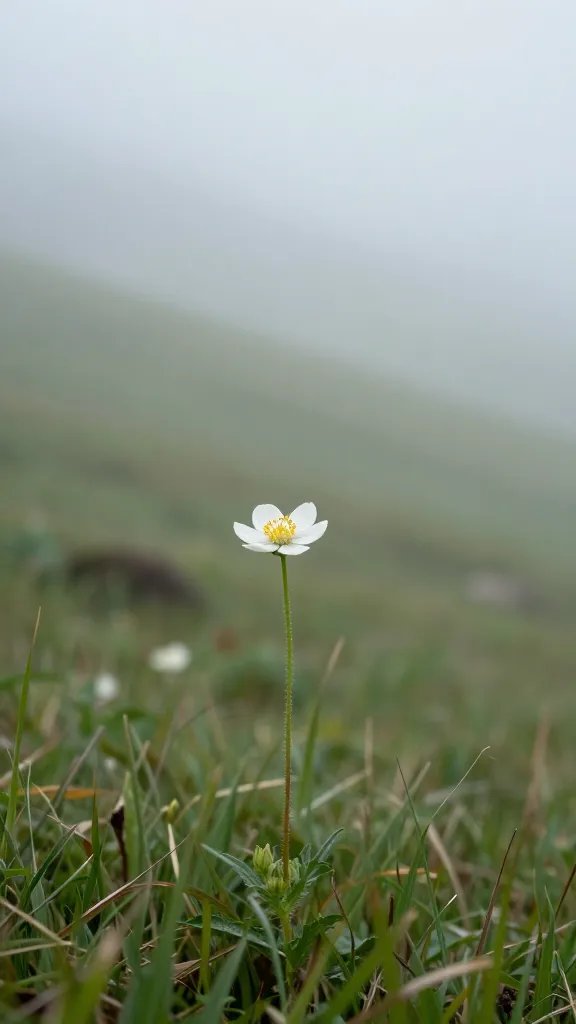
I look for specific plant communities and features that deliver softness and layering without effort.
Low-Effort Winners
- Willow edges and cattails: Weeping forms and reed textures round hard lines at ponds and slow streams.
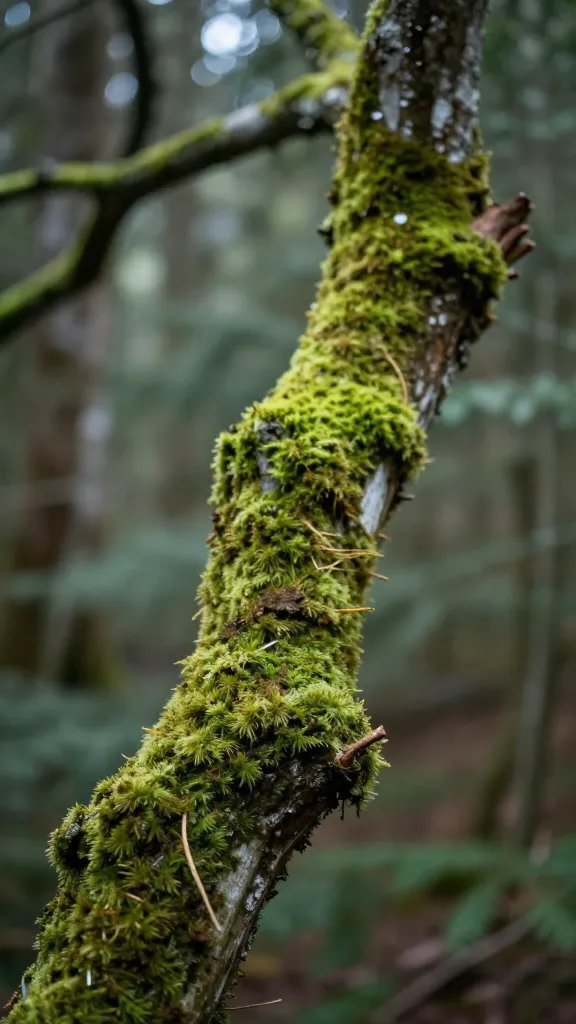
- Mossy oak or maple groves: Dappled canopies create filtered light and a quiet floor. Sit on the leaf litter, not the moss.
- Wildflower margins: Meadow edges with tall grasses and seasonal blooms add color without crowds. Avoid trampling — stay on existing bare patches.
- Stone and water pairings: Boulders beside creeks or tidal pools make instant frames and natural seats.
Seasonal Sweet Spots
- Spring: Fresh leaf-out under maples and birches; ephemeral blooms along stream banks.
- Summer: Early morning reeds and lily pads; shade corridors under dense canopy.
- Autumn: Golden grasses in late afternoon; reflected color on calm ponds.
- Winter: Foggy wetlands and frosted meadows right after sunrise for a silvery palette.
Action today: Add one seasonal target to your pins — for example, “autumn pond reflection” — and plan a 60-minute visit window.
Respect, Safety, and Light Footprint That Keeps the Magic

Ethereal only lasts if we leave places better than we found them.
- Check access rules: Look for posted hours, fire bans, and dog-leash requirements. Respect private land — if unsure, skip it.
- Stay off sensitive ground: Avoid trampling moss, wildflowers, and dune grasses. Sit on bare soil, rock, or durable turf.
- Wildlife buffer: Keep 30 meters from waterbird nests and never feed animals. Food scraps change behavior.
- Pack out everything: Crumbs attract pests. Wipe up spills with your towel and bag it home.
- Personal safety: Share your location with one person, carry a charged phone, and leave before visibility drops if you don’t know the trail well.
Action today: Add a small headlamp or keychain light to your go bag so you can exit safely after sunset color.
Frequently Asked Questions
How do I find magical picnic spots near a big city without a car?
Use public transport to reach the closest greenbelt, river trail, or botanical garden, then walk 10–15 minutes away from main lawns. On the map, trace routes that parallel water or contour lines instead of main roads. Drop pins at tree–water edges and plan to arrive at sunrise or one hour before sunset. Pack light so you can comfortably walk an extra kilometer to reach separation.
What if the spot looks great on maps but feels bland in person?
Do the five-minute loop before you sit. Shift 20–50 meters to find a natural frame or filtered light under branches. If the soundscape ruins it, move behind a rise or to the far side of a bend in the bank. Small moves transform the feel without abandoning the area.
How can I make a flat, open lawn feel more ethereal?
Create layering and separation artificially. Sit near a single tree for framing, orient your blanket so tall grasses or a hedge sit in the foreground, and keep your horizon view open. Use a neutral blanket and one muted accent to avoid visual clutter. Go at golden hour to soften hard edges you can’t change.
What foods and drinks support the mood without mess?
Choose simple, tidy items with one dominant aroma: sliced fruit, hard cheese, crusty bread, and a thermos of tea or soup. Avoid strong competing smells and drippy sauces. Pack a small cutting board to keep textures neat and a cloth napkin for quick cleanup. Keep trash sealed in a zip bag to prevent wildlife interest.
How do I handle bugs without breaking the spell?
Pick breezy edges near open water rather than still, shaded hollows. Wear light, long sleeves and apply unscented repellant at the car or trailhead. Bring a small, lidded container for food and open it only when you’re ready to eat. If gnats rise, shift a few meters into moving air or brighter light.
Is it safe to picnic near streams after rain?
Check for flood advisories and avoid fast, rising water. Stay a few meters back from undercut banks and keep your setup on higher ground that passes the heel-press test. Waterproof the base of your blanket and keep shoes on when moving. If the water sounds louder by the minute, relocate upslope.
Conclusion


You don’t need remote wilderness to feel transported — you need layering, softness, and separation, chosen with intention and timed for forgiving light. Pick one candidate spot from your pins, set a post-rain sunrise plan, and run the five-minute loop when you arrive. Once you feel how small shifts change everything, you’ll see “ethereal” everywhere. Next step: build your go bag, then explore one new edge where trees meet water each week for a month.
Leave a Reply