10 Mistakes to Avoid When Organizing a Large Company Picnic Secrets Pros Swear by
· Samantha Jones
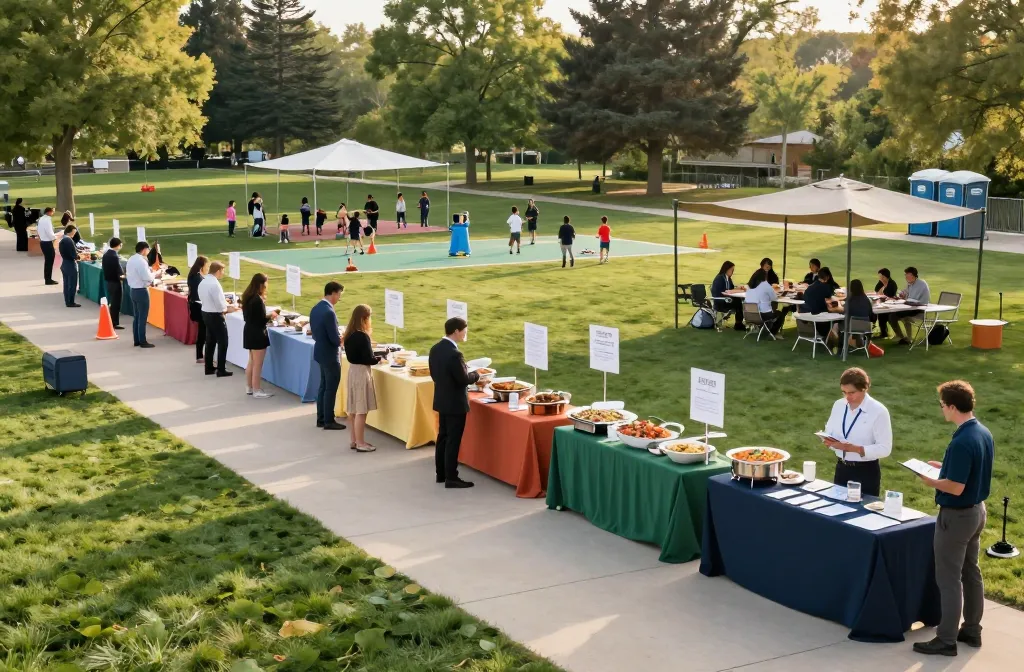
I learned to respect company picnics the hard way: the year I ran out of burgers at 12:40 p.m. for a 1,000‑person event. If you’ve ever stared at a long buffet line or a silent games field, you know the tension. This guide breaks down the ten mistakes that quietly sink big picnics and shows you exactly how to avoid them. You’ll leave with a plan that keeps lines short, kids busy, and leadership grateful.
Underestimating Headcount and Dietary Mix
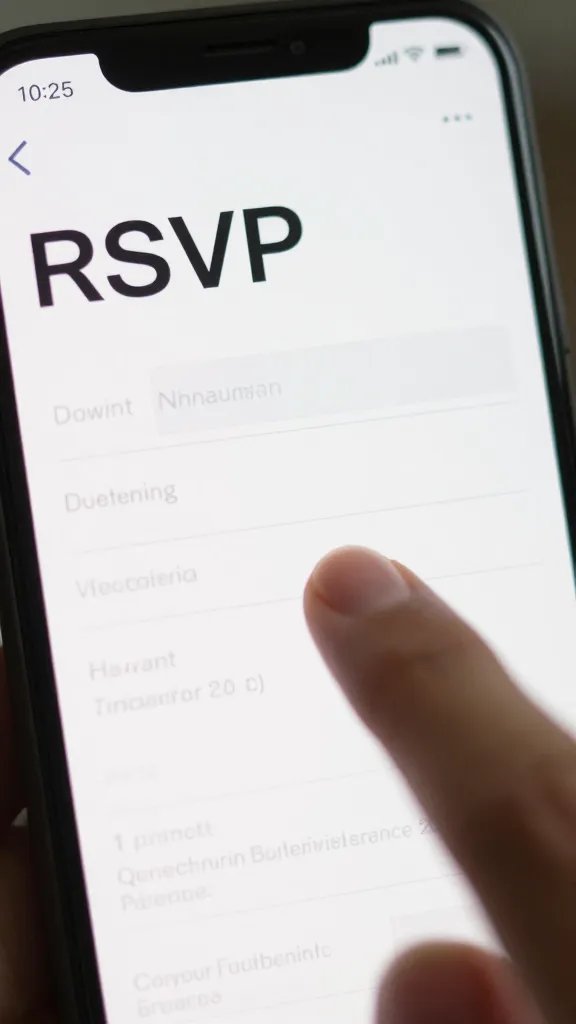
Guesswork breaks picnics. Large events need real numbers for adults, kids, and dietary needs — not a vague “about 300.” I lock RSVPs two weeks out, then add a 10–15% buffer for walk-ups and late confirmations.
Segment food counts by omnivore/vegetarian/vegan/gluten-free. For example, if 20% of RSVPs indicate vegetarian or vegan, I stock 25% veg mains to cover late shifters and seconds.
Action today: Send a one-minute RSVP form with name, +1s, kids’ ages, and dietary needs; set an auto-reminder 72 hours before the deadline.
Picking a Venue Without Infrastructure
Pretty fields fail if they lack basics. I evaluate power access, shade, restrooms, parking, and load-in routes before I sign. If restrooms are “nearby,” I count the actual fixtures — one toilet per 75–100 guests for a 4-hour window works, with handwash stations at every food zone.
Ask the venue for a site map. Mark where trucks can unload, where generators can sit, and where you’ll place shade structures. Long walks and stairs add delays and injuries.
Action today: Request the venue’s site map and overlay your picnic zones: check-in, food, beverages, kids, stage, and first-aid — then confirm power, water, and restroom counts in writing.
Ignoring Weather and Shade Planning
Sun and wind ruin comfort faster than anything. I plan 20–30 square feet of covered shade per seated guest cluster and at least two large shade sails or tents over kids’ areas. For heat, I stock coolers with ice water every 50 feet and place misting stands or fans by activities.
For rain, I set a 48-hour go/no-go check and a “Plan B” layout under tents, with non-slip mats at entrances and plastic table covers. Wind means staking tents and securing signage with sandbags.
Action today: Book tents or shade rentals now for your date; add 10% extra tent coverage so lines and entertainers can shift under cover without crowding.
Designing One Mega Food Line
One long queue kills morale. I design multiple identical food stations placed far apart, each with the full menu. A rule of thumb: one staffed buffet line per 75–100 guests for a 30–45 minute peak lunch window.
Stagger grab-and-go items (fruit cups, chips, cookies) on separate tables to divert quick takers. Clearly label allergens at the start of each line to prevent backtracking. Water and soft drinks belong away from the main food lines to reduce congestion.
Action today: Split your menu into three identical serving stations and place drinks 20–30 feet away with separate trash and recycling.
Forgetting Kids’ Flow and Safety
Kids need a contained zone and constant motion. I set a defined kids’ area with fencing, shade, and activities that cycle every 15–20 minutes: crafts, relay races, and a small prize table. I keep inflatables supervised and positioned on flat ground with stakes and safety mats.
Post a simple schedule on a whiteboard and repeat it over the PA every 30 minutes. Place the kids’ zone within sight of seating but away from grill smoke, generators, and vehicle paths.
Action today: Draw a kids’ zone layout with three stations (craft, active game, quiet corner) and schedule two volunteers per station per hour.
No Clear Arrival and Check-In Plan
People follow the first sign they see. I set wayfinding from the parking lot with lawn signs every 50–75 feet, then a bold “Welcome” banner at check-in. Check-in needs two lines: last names A–M and N–Z, plus a separate table for on-site registration.
Hand out wristbands in two colors (21+ and under 21) if alcohol is served. Place sunscreen, bug spray, and a small trash bin at check-in to reduce later traffic at the first-aid station.
Action today: Order wristbands and print large-format directional signs; write three-line scripts for check-in volunteers to speed greetings and questions.
Scheduling Without Anchors
Drift kills energy. I anchor the day with three moments: a welcome at +15 minutes, a main activity or raffle at the halfway mark, and a closing thank-you 20 minutes before end time. I avoid long speeches; I keep each mic moment under 90 seconds.
Entertainment needs breaks and rotation. I alternate high-energy blocks (tug-of-war, DJ dance-offs) with quieter windows (face painting, lawn games) so lines reset and families regroup.
Action today: Draft a one-page run-of-show with exact timestamps and who’s on mic; share it with all vendors and volunteers.
Skimping on Waste, Water, and Cleanliness

Overflowing bins end events early. I place one trash, one recycling, and one compost (if used) every 30–50 feet around food and seating. Each station gets a roll of liners and a visible sign showing what goes where.
Hydration is non-negotiable. I set water stations at every zone with paper cups and encourage refill bottles. Hand sanitizer and handwash stations belong at food lines, kids’ crafts, and near restrooms.
Action today: Count bin stations on your map and double the number you think you need; assign a “rover” to change liners every 30 minutes during peak.
Relying on One Vendor or One Person
Single points of failure are where picnics crack. I confirm at least two food vendors or one vendor with redundant equipment and staff. For entertainment, I contract one main act and one low-tech backup (lawn games, DIY tournament kit) that runs even if power fails.
For staffing, I assign clear roles: check-in lead, food lead, activities lead, facilities lead, and a runner with a cart. No role should be empty for more than 10 minutes at a time.
Action today: Create a two-column contingency list: “If X fails, we do Y,” and share it by email and as a printed one-pager on event day.
Skipping Permits, Insurance, and Safety Basics
Permits, COIs, and safety plans save you from last-minute stops. I confirm park permits, fire permits for grills, amplified sound permissions, and alcohol rules at least 30 days out. I collect Certificates of Insurance from every vendor naming the company and venue as additionally insured.
First aid needs a visible table, a stocked kit, and an incident log. I brief volunteers on heat illness signs and establish an emergency rally point. I post a one-page contact sheet with venue security, event leads, and emergency services.
Action today: Email vendors for COIs and call the venue to reconfirm permits and any fire-marshal requirements for grills, tents, and generators.
Frequently Asked Questions
How much food should I order per person?
For a 3–4 hour picnic with lunch, plan one main (burger/sandwich), one side, and one dessert per person, plus 15% buffer. For kids under 10, count half portions. Add extra vegetarian/vegan mains equal to 25% of total if your RSVP form shows 15–20% dietary needs.
What’s the easiest way to keep lines short?
Run multiple identical food stations and separate drinks from food. Use clear menu boards at the line entrance and staff the line with a “preparer” who explains options before guests reach the server. Keep grab-and-go items on separate tables to peel off quick traffic.
Do I need security or off-duty officers?
If alcohol is served or attendance exceeds 300, hire at least one professional security officer. Position them near the entrance and alcohol service, not as roving enforcers. Share your event map and schedule with them so they can anticipate crowds and assist discreetly.
How do I plan for heat?
Provide shade for seating and activities, plus water stations every 50 feet. Stock electrolyte packets at first aid, announce hydration reminders every 30 minutes, and set up misting fans near high-activity zones. Move high-energy games to the first or last hour when temperatures are lower.
What volunteer roles actually make a difference?
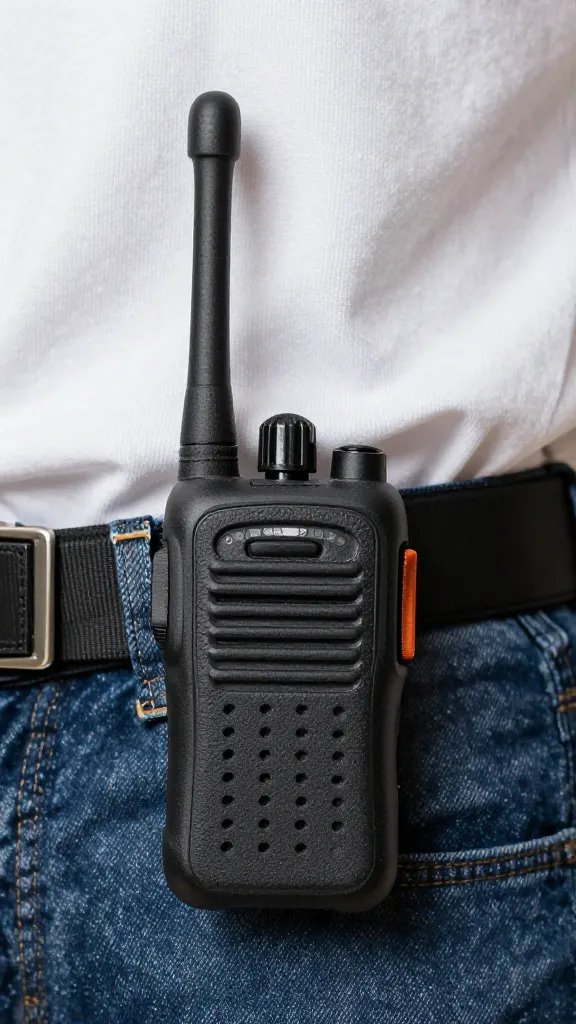
Assign a check-in lead, food line captain, kids’ zone captain, facilities/cleanup lead, and a runner with a cart. Give each a two-way radio or phone group chat and a printed run-of-show. Set 60-minute shifts to keep energy high and cover breaks.
How early should vendors arrive?
Schedule load-in 2–3 hours before guest arrival for food and tents, and 90 minutes for entertainment. Stagger arrivals to avoid blocking the access lane, and assign a load-in marshal. Complete a site walk 45 minutes before doors to confirm power, signage, waste stations, and safety checks.
Conclusion
You now have the structure to run a large company picnic without guesswork: real counts, a mapped site, split food lines, protected kids’ play, and clear roles. Block 30 minutes today to draft your site map and run-of-show, then send your RSVP form with dietary options. With those anchors in place, the rest becomes simple adjustments — not firefighting.
Leave a Reply